.png)
Best Cage Accessories for Small Pets and Complete Guide
Introduction to Small Pet Cage Accessories
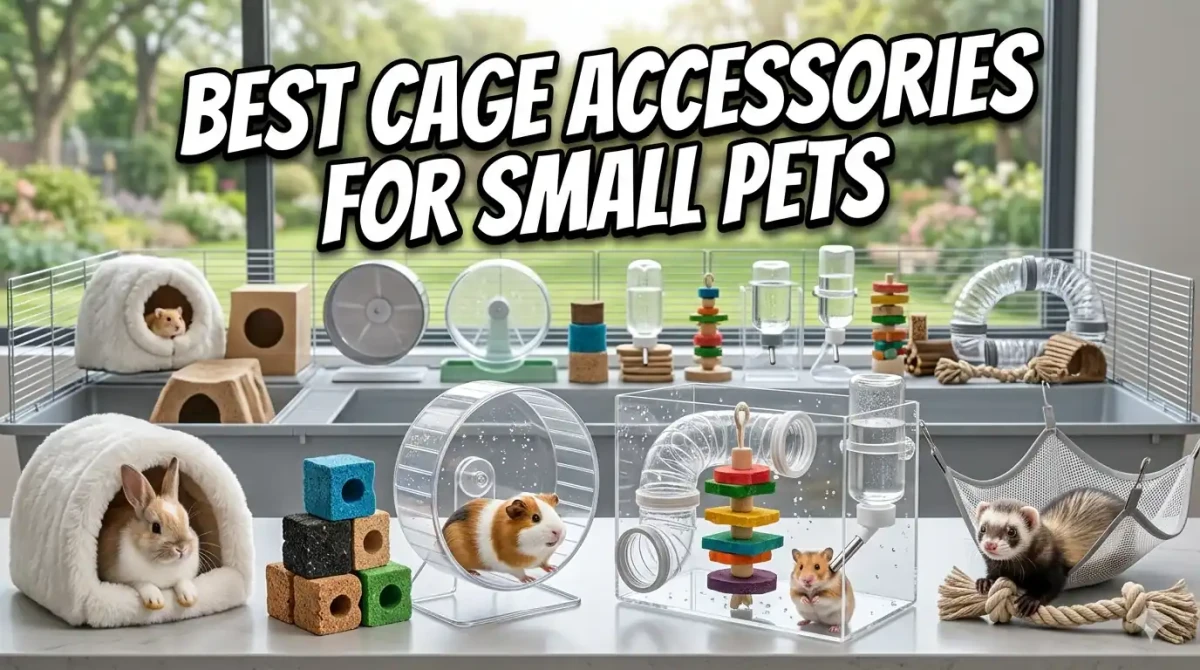
Creating an optimal living environment for small pets requires thoughtful selection of cage accessories that support physical health, mental stimulation, and natural behaviors. The best cage accessories for small pets including rabbits, guinea pigs, hamsters, gerbils, rats, mice, and ferrets transform basic enclosures into enriching habitats that promote wellbeing and prevent common behavioral and health problems associated with inadequate environments.
Small pets have diverse needs based on species, size, activity level, and natural instincts. Rabbits and guinea pigs require spacious hiding spots and chewing opportunities, while hamsters and gerbils need extensive burrowing and climbing options. Ferrets demand secure, escape-proof accessories that accommodate their playful, inquisitive nature. Understanding these species-specific requirements helps owners select accessories that truly enhance their pets quality of life.
This comprehensive guide explores everything you need to know about selecting the best cage accessories for small pets, from understanding material safety and construction quality to matching accessories with your pet size, species, and behavioral needs. Whether you care for a single hamster or maintain a multi-pet small animal setup, choosing appropriate cage accessories ensures safe, stimulating environments that support physical health, mental wellbeing, and natural behavior expression.
Benefits of Quality Cage Accessories
Well-chosen cage accessories offer numerous advantages that extend far beyond simple decoration, making them essential tools for comprehensive small pet care and enrichment. Understanding these benefits helps pet parents appreciate why investing in quality accessories deserves priority in small pet ownership.
What are the main benefits of cage accessories for small pets?
Physical health and exercise support represent primary benefits of appropriate cage accessories. Exercise wheels, climbing structures, tunnels, and platforms encourage natural movement patterns that maintain muscle tone, support cardiovascular health, and prevent obesity. For species prone to weight gain like guinea pigs and rabbits, activity-promoting accessories help maintain healthy body condition without requiring extensive free-roam time.
Mental stimulation and stress reduction occur through environmental enrichment provided by varied accessories. Hideouts, chew toys, foraging devices, and manipulable objects engage small pets intelligence and satisfy natural instincts to explore, nest, and problem-solve. This mental engagement prevents boredom-related problems including excessive chewing, bar biting, stereotypic behaviors, and feather plucking in birds.
Natural behavior expression is facilitated by accessories that mimic elements of wild habitats. Burrowing tubes for hamsters, grazing platforms for rabbits, climbing nets for rats, and digging boxes for gerbils allow pets to engage in species-typical behaviors that promote psychological wellbeing. When small pets can express natural behaviors, they display lower stress levels, better immune function, and improved overall temperament.
Essential Accessory Categories for Small Pets

The small pet accessory market offers diverse options designed for different purposes, species needs, and cage configurations. Understanding the various categories helps you select the most appropriate accessories for your individual pet needs and enclosure setup.
What types of cage accessories are essential for small pets?
Bedding and substrate form the foundation of small pet cage environments, providing comfort, absorbency, and opportunities for natural digging and nesting behaviors. Paper-based beddings, aspen shavings, and fleece liners offer species-appropriate options that balance absorbency, dust control, and safety. Avoid cedar and pine shavings for most small pets as aromatic oils can cause respiratory issues.
Hideouts and houses provide secure retreats where small pets can rest, sleep, and feel protected from perceived threats. Wooden houses, ceramic caves, fabric pouches, and plastic igloos offer varied textures and security levels. Multiple hideouts reduce competition in multi-pet cages and allow pets to choose preferred resting locations based on temperature and mood.
Exercise equipment including wheels, saucers, climbing structures, and platforms supports physical activity and prevents obesity. Solid-surface wheels prevent foot injuries common with wire-run designs. Climbing nets, ladders, and ramps accommodate species that naturally scale and explore vertical spaces. Platform variety creates three-dimensional environments that maximize usable cage space.
Feeding accessories like water bottles, food bowls, hay racks, and treat dispensers ensure consistent access to nutrition while minimizing contamination and waste. Gravity-fed water bottles prevent spillage and contamination compared to open bowls. Elevated hay racks keep hay clean and accessible for rabbits and guinea pigs. Puzzle feeders and treat balls add mental challenge to mealtime.
Enrichment items including chew toys, tunnels, foraging devices, and manipulable objects provide ongoing mental stimulation and satisfy natural chewing, exploring, and problem-solving instincts. Wooden chews, cardboard tubes, paper rolls, and safe plant materials offer variety that prevents boredom and supports dental health through appropriate wear.
Species Specific Accessory Requirements

Different small pet species have unique accessory needs based on their natural behaviors, physical capabilities, and environmental preferences. Matching accessories to species requirements ensures maximum benefit and safety.
How do accessory needs vary by small pet species?
Rabbits require spacious hideouts large enough for full stretching, elevated platforms for observation, and abundant chewing accessories to support continuously growing teeth. Hay racks positioned at appropriate heights encourage natural grazing posture. Exercise pens or play tunnels provide safe exploration opportunities outside the primary cage. Avoid wire flooring which can cause sore hocks.
Guinea pigs benefit from multiple floor-level hideouts since they rarely climb, fleece bedding for comfortable foot contact, and abundant hay access throughout the cage. Water bottles with dual spouts accommodate pairs, while elevated feeding stations keep food clean. Guinea pigs appreciate soft fabric pouches and tunnels for secure movement between areas.
Hamsters need extensive burrowing opportunities with deep bedding layers, solid-surface exercise wheels sized appropriately for their body length, and multiple small hideouts for nesting. Tube systems and climbing accessories satisfy their exploratory instincts. Avoid wire wheels and narrow tubes that can trap limbs or cause injury.
Gerbils require deep substrate for natural burrowing behaviors, sand baths for coat maintenance, and chewable accessories that withstand intense gnawing. Glass or metal cages prevent escape through chewing. Provide multiple levels and tunnels that mimic their complex underground habitats.
Rats benefit from climbing structures, hammocks, rope accessories, and puzzle feeders that engage their high intelligence. Multiple levels maximize vertical space utilization. Soft fabric accessories provide comfortable resting spots, while varied textures support foot health and sensory enrichment.
Ferrets require secure, escape-proof accessories with no small parts that could be swallowed. Hanging hammocks, tunnels, and dig boxes satisfy their playful nature. Avoid accessories with loose fibers, small openings, or materials that could cause intestinal blockage if ingested.
Safety Considerations for Cage Accessories

Safety must be the primary concern when selecting and using cage accessories for small pets. Understanding potential hazards and how to mitigate them ensures your pets enjoy enriched environments without unnecessary risks.
What safety factors should you consider with cage accessories?
Material composition significantly impacts accessory safety. Natural woods like apple, aspen, and birch are generally safe for chewing, while treated woods, pine, and cedar contain aromatic oils or chemicals that can cause respiratory or liver issues. Avoid accessories with lead-based paints, toxic glues, or chemical preservatives. Always select products labeled as pet-safe from reputable manufacturers.
Size appropriateness prevents injury and ensures usability. Exercise wheels must be large enough that pets backs remain straight during use to prevent spinal issues. Tunnel diameters should allow comfortable passage without risk of becoming stuck. Hideout entrances must accommodate your pet size without creating entrapment hazards. When in doubt, choose larger sizes as they generally present lower injury risks.
Construction quality affects both safety and longevity. Examine accessories for sharp edges, loose parts, weak joints, or small components that could detach and be swallowed. High-quality accessories feature smooth finishes, secure assemblies, and durable materials that withstand chewing and climbing without breaking into hazardous pieces. Avoid accessories with wires, strings, or fibers that could cause entanglement or ingestion hazards.
Placement and installation prevent accidents and maximize utility. Secure climbing structures firmly to prevent tipping. Position water bottles at appropriate heights for easy access without contamination. Ensure accessories do not block ventilation or create dead zones where waste accumulates. Test stability before allowing pet access to new installations.
Material Quality and Construction Standards

The materials used in cage accessory construction directly impact safety, durability, and overall value. Understanding material differences helps you make informed purchasing decisions that prioritize your pets wellbeing.
What materials make the best cage accessories?
Natural hardwoods like apple, aspen, birch, and kiln-dried pine provide safe chewing surfaces that support dental health while satisfying natural gnawing instincts. These woods are non-toxic, splinter-resistant when properly finished, and offer appropriate texture for beak and tooth maintenance. Avoid woods treated with pesticides, stains, or sealants unless explicitly labeled pet-safe.
Stainless steel and powder-coated metals offer durability and hygiene for water bottles, food bowls, and cage hardware. Stainless steel resists corrosion, does not harbor bacteria, and withstands chewing without chipping. Powder-coated finishes should be non-toxic and chip-resistant to prevent ingestion of coating materials.
High-quality plastics labeled BPA-free and pet-safe provide lightweight, easy-to-clean options for houses, wheels, and feeding accessories. Look for thick, durable plastics that resist cracking under chewing pressure. Avoid thin, brittle plastics that can break into sharp fragments or small ingestible pieces.
Natural fibers including cotton, hemp, and seagrass offer safe options for bedding, hammocks, and chew toys. These materials are biodegradable and generally safe if small amounts are ingested. Ensure fibers are tightly woven to prevent entanglement and avoid accessories with loose threads that could wrap around limbs.
Ceramic and stone accessories provide heavy, stable options for food bowls and cooling surfaces. These materials are easy to clean and resist chewing damage. Ensure ceramic items are lead-free and have smooth, glazed surfaces without sharp edges.
Installation and Cage Setup Strategies

Proper installation and strategic cage setup maximize the benefits of accessories while maintaining safety and functionality. Thoughtful arrangement creates environments that support natural behaviors and simplify maintenance.
How do you install cage accessories correctly?
Strategic placement optimizes space utilization and encourages natural behaviors. Position hideouts in quiet, low-traffic areas of the cage where pets can rest undisturbed. Place exercise equipment where pets have adequate clearance for safe use. Arrange feeding accessories away from sleeping areas to maintain hygiene and prevent food contamination.
Secure attachment prevents accidents and ensures longevity. Use appropriate hardware to firmly attach climbing structures, platforms, and hanging accessories. Test stability by applying gentle pressure before allowing pet access. Avoid relying solely on friction or gravity to hold accessories in place, as active pets can dislodge poorly secured items.
Accessibility considerations ensure pets can use accessories comfortably. Position water bottle spouts at appropriate heights for easy drinking without strain. Place food bowls where pets can eat without climbing over waste areas. Ensure hideout entrances face open areas rather than cage walls to prevent entrapment.
Ventilation and airflow maintenance prevents moisture buildup and ensures healthy air quality. Avoid overcrowding cages with accessories that block air circulation. Leave adequate space between items for air movement and easy cleaning access. Position accessories to allow waste to fall to the cage floor rather than accumulating on surfaces.
Maintenance and Cleaning Protocols

Proper maintenance extends accessory lifespan while ensuring continued safety and hygiene for your small pets. Regular cleaning prevents bacterial growth, odor accumulation, and material degradation.
How do you maintain and clean cage accessories?
Regular inspection prevents accidents by identifying wear before it becomes dangerous. Examine accessories weekly, checking for sharp edges, loose parts, fraying fibers, or weakened structures. Remove items showing any signs of deterioration immediately, as damaged accessories pose injury and ingestion hazards. Even high-quality accessories have finite lifespans and require replacement when they show excessive wear.
Cleaning frequency varies by accessory type and usage. Water bottles and food bowls require daily washing with mild, pet-safe detergent to prevent bacterial growth. Hideouts and fabric accessories benefit from weekly cleaning to remove urine, droppings, and food debris. Exercise equipment should be wiped down regularly to remove oils and debris that accumulate during use.
Cleaning technique affects accessory longevity and safety. Hand wash most accessories in warm water with mild detergent, rinsing thoroughly to remove all soap residue. Avoid harsh chemicals, bleach, or strong detergents that may leave harmful residues. Air dry completely before returning to cages, as moisture promotes bacterial and fungal growth.
Deep cleaning protocols address accumulated grime and sanitize accessories periodically. Soak removable items in diluted vinegar solution or pet-safe disinfectant, then rinse extensively and air dry. For fabric accessories, machine wash on gentle cycle with fragrance-free detergent if manufacturer instructions allow. Replace accessories that cannot be adequately cleaned or that retain odors after cleaning.
Common Mistakes to Avoid

Even well-intentioned small pet owners can make errors when selecting or using cage accessories. Avoiding these pitfalls ensures safe, effective enrichment that truly benefits your pets.
What mistakes should you avoid with cage accessories?
Overcrowding cages with excessive accessories reduces usable floor space and creates cleaning challenges. While enrichment is important, small pets also need open areas for movement, exploration, and natural behaviors. Balance accessories with adequate open space, typically maintaining at least thirty to fifty percent of cage floor area unobstructed.
Choosing accessories based solely on appearance rather than functionality leads to unused items and wasted resources. Select accessories that serve clear purposes aligned with your pets natural behaviors and needs. A simple, well-chosen hideout provides more value than multiple decorative items that your pet ignores.
Neglecting species-specific requirements results in inappropriate or unsafe accessories. Hamsters need solid-surface wheels while wire wheels can cause foot injuries. Rabbits require spacious hideouts while small hamster houses trap larger pets. Research your specific pets needs before purchasing accessories to ensure compatibility and safety.
Using accessories with small detachable parts creates ingestion hazards. Buttons, bells, plastic eyes, or loose fibers can be chewed off and swallowed, potentially causing intestinal blockages. Inspect accessories carefully and remove or avoid items with components that could detach during normal use.
Ignoring maintenance schedules allows accessories to become unsanitary or hazardous. Even the highest-quality accessories require regular cleaning and inspection. Establish and follow maintenance routines that keep accessories safe, clean, and functional throughout their lifespan.
Budget Considerations and Value Assessment

Quality cage accessories represent investments in your small pets health and happiness. Understanding value factors helps you allocate resources effectively while avoiding unnecessary expenses.
How do you balance cost and quality for cage accessories?
Prioritize safety and durability over initial cost when selecting essential accessories. Water bottles, exercise wheels, and hideouts experience heavy use and should be purchased from reputable manufacturers using safe materials. While budget options may seem appealing, poorly constructed accessories often require frequent replacement and may pose safety risks that outweigh initial savings.
DIY accessories can provide cost-effective enrichment when made with safe materials and proper construction. Cardboard tubes, untreated wood blocks, and paper rolls offer inexpensive chewing and exploration opportunities. However, ensure homemade items meet safety standards and do not introduce hazards like toxic glues, small parts, or unstable structures.
Multi-functional accessories maximize value by serving multiple purposes. A climbing structure that also provides hiding spots, or a hay rack that doubles as a chew toy, delivers greater utility per dollar spent. Look for accessories that address multiple needs without compromising safety or functionality.
Seasonal rotation extends accessory lifespan and maintains pet interest. Store some accessories periodically and reintroduce them later to renew engagement without purchasing new items. This approach provides variety while controlling long-term costs.
Enrichment Through Accessory Selection

Strategic accessory selection creates dynamic environments that promote mental stimulation, physical activity, and natural behavior expression. Thoughtful enrichment planning prevents boredom and supports overall wellbeing.
How do you create enriching cage environments with accessories?
Variety and rotation prevent habituation and maintain interest. Provide accessories with different textures, shapes, and functions to engage multiple senses and behaviors. Rotate items periodically to renew novelty and prevent boredom. Even simple changes like repositioning hideouts or introducing new chew toys can refresh your pets environment.
Problem-solving accessories challenge intelligence and satisfy natural foraging instincts. Puzzle feeders, treat balls, and hidden food opportunities encourage pets to work for rewards, providing mental stimulation that reduces stress and prevents behavioral problems. Start with simple challenges and gradually increase complexity as your pet learns.
Sensory enrichment engages multiple senses through varied textures, scents, and sounds. Offer accessories with different materials like wood, fabric, and paper. Introduce safe herbs or flowers for olfactory stimulation. Provide accessories that create gentle sounds during use, like wooden beads or rattles, to engage auditory senses.
Frequently Asked Questions

How many accessories should I put in my small pets cage?
The appropriate number of accessories depends on cage size, pet species, and individual preferences. As a general guideline, maintain at least thirty to fifty percent of cage floor area as open space for movement, while filling remaining space with functional accessories. Start with essential items like hideouts, feeding accessories, and one exercise item, then gradually add enrichment based on your pets response. Observe which accessories your pet uses most and prioritize similar items. Remove unused accessories to maintain space and simplify cleaning.
Can I use human household items as small pet accessories?
Some household items can be repurposed safely as small pet accessories while others pose serious risks. Cardboard tubes, untreated wood blocks, and paper rolls often work well for chewing and exploration. However, avoid items with toxic glues, inks, paints, or small detachable parts. Never use plastic bags, rubber bands, or string-like materials that could cause entanglement or ingestion hazards. When repurposing household items, research safety thoroughly and supervise initial use to ensure your pet interacts with them appropriately.
How often should I replace cage accessories?
Replacement frequency depends on accessory type, material quality, and your pets chewing intensity. Chew toys and wooden accessories may require replacement every few weeks for aggressive chewers or months for gentle users. Fabric accessories like hammocks and pouches typically last one to three months with regular washing. Plastic and metal accessories can last years with proper care if they remain intact and safe. Inspect accessories weekly and replace immediately when showing signs of wear, damage, or deterioration regardless of age.
Are expensive cage accessories worth the cost?
Higher-priced accessories often justify cost through superior materials, construction quality, and safety features, but price alone does not guarantee value. Evaluate accessories based on material safety, durability, functionality, and species-appropriateness rather than price tags. Some budget options from reputable manufacturers provide excellent value, while expensive items may not suit your specific pets needs. Prioritize safety and functionality over brand prestige, and invest more in heavily used items like wheels and water bottles while saving on decorative or occasional-use accessories.
Can accessories help with small pet behavioral problems?
Yes, appropriate accessories can significantly improve many behavioral issues by addressing underlying causes like boredom, stress, or unmet natural instincts. Chewing accessories reduce destructive bar biting in rabbits and rodents. Multiple hideouts decrease aggression in multi-pet cages by providing escape options. Exercise equipment helps manage excess energy that manifests as hyperactivity or nighttime disturbances. However, accessories alone cannot resolve all behavioral problems. Consult an exotic veterinarian or animal behaviorist for persistent issues, as some problems require medical evaluation or specialized training approaches.
What accessories are essential for new small pet owners?
New small pet owners should prioritize essential accessories that support basic health and safety before adding enrichment items. Start with appropriate bedding, a secure hideout, properly sized water bottle, food bowl, and species-appropriate exercise equipment like a solid-surface wheel for hamsters. Add hay racks for rabbits and guinea pigs. Once these fundamentals are established, gradually introduce enrichment accessories like chew toys, tunnels, and climbing structures based on your pets interests and your cage space. Building your accessory collection over time allows you to learn your pets preferences while managing initial costs.
Conclusion

Selecting the best cage accessories for small pets requires careful consideration of species-specific needs, material safety, construction quality, and your individual pets preferences and behaviors. When chosen appropriately and maintained properly, quality accessories provide exceptional value through physical health support, mental stimulation, natural behavior expression, and enhanced overall wellbeing that enriches your small companions lives.
Remember that accessories are tools for enrichment, not substitutes for adequate cage size, proper nutrition, veterinary care, or human interaction. The most elaborate accessory collection cannot compensate for fundamental care deficiencies. Prioritize your pets basic needs first, then enhance their environment with thoughtful accessory selection that addresses specific behavioral and health goals.
By following the guidelines in this comprehensive guide, you can confidently select cage accessories that provide safe, effective enrichment while supporting your small pets physical health, mental wellbeing, and natural instincts. Quality accessories represent worthwhile investments in your pets happiness and health, delivering countless hours of exploration, play, and comfort when chosen responsibly and maintained with the diligence your small companion deserves.

0 Comments