.png)
Best Rabbit Hutches for Indoor and Outdoor Safety Guide
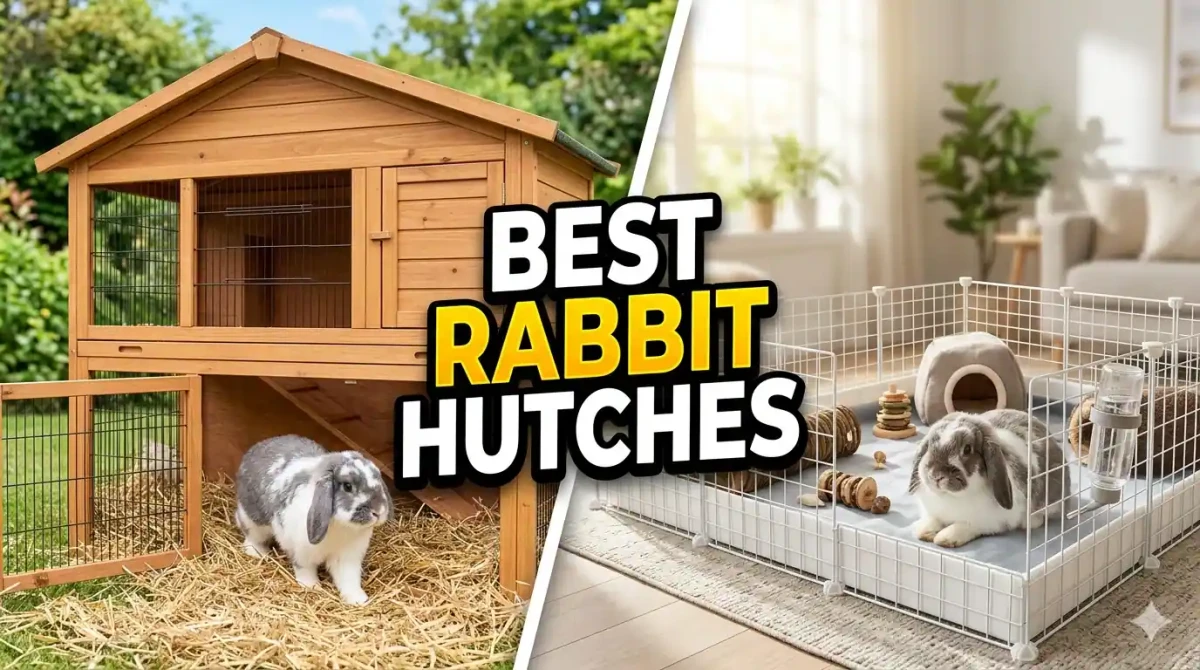
Quick Summary and Direct Answer
The best rabbit hutches provide ample space, weather protection, and secure construction that supports natural hopping and resting behaviors. Experts commonly recommend a minimum of twelve square feet of floor space per rabbit with additional vertical levels for exercise and enrichment.
Most companion rabbits benefit from hutches measuring at least four feet long by two feet wide by two feet tall for small breeds under five pounds. Medium breeds between five and ten pounds require six by two by two foot enclosures. Large breeds over ten pounds need custom setups exceeding eight feet in length. You should select hutch materials based on your climate and rabbit chewing habits. Untreated pine and cedar free woods are commonly recommended for outdoor durability without toxic exposure.
Investing in a mix of budget and premium hutch options ensures long term safety without overspending. Start with one well constructed primary hutch and add modular runs or indoor pens as needed. Consult a rabbit savvy veterinarian if your pet shows signs of sore hocks, dental issues, or stress behaviors related to housing constraints.
Key Data and Quick Reference Tables
The table below outlines hutch categories, ideal dimensions, and average cost ranges. This data helps you plan a sustainable housing solution without guesswork.
| Hutch Type | Best For Breed Size | Minimum Dimensions | Average Cost USD |
|---|---|---|---|
| Single Level Wooden Outdoor | Small breeds under 5 pounds | 4 ft x 2 ft x 2 ft | 80 to 200 USD |
| Two Story Hutch with Run | Medium breeds 5 to 10 pounds | 6 ft x 2 ft x 3 ft | 150 to 400 USD |
| Indoor Modular Pen System | All breeds with supervised access | Customizable panels | 60 to 300 USD |
| Weatherproof Premium Outdoor | Large breeds over 10 pounds | 8 ft x 3 ft x 3 ft | 300 to 700 USD |
| Portable Travel Hutch | Temporary housing and vet visits | 2 ft x 1.5 ft x 1.5 ft | 40 to 120 USD |
| Breed Size Category | Recommended Hutch Features | Cleaning Frequency | Bedding Replacement |
|---|---|---|---|
| Small under 5 pounds | Wire mesh floor with solid resting area | Spot clean daily, deep clean weekly | Every 3 to 4 days |
| Medium 5 to 10 pounds | Elevated sleeping box with ramp access | Spot clean twice daily, deep clean weekly | Every 2 to 3 days |
| Large over 10 pounds | Reinforced flooring and heavy duty latches | Spot clean multiple times daily, deep clean twice weekly | Daily for absorbent materials |
Understanding Rabbit Housing Needs and Behavioral Triggers
Rabbit stress often stems from insufficient space rather than lack of accessories. Domestic rabbits retain strong digging and hopping instincts inherited from wild ancestors. When these instincts remain unused, bar chewing, aggression, and litter box avoidance commonly develop.
Proper hutch design directly reduces stress markers in companion rabbits. Studies based on widely accepted exotic veterinary standards show that adequate floor space may help lower cortisol levels and improve digestive health. You should observe your rabbit daily for repetitive pacing, fur plucking, or reluctance to move.
Early intervention prevents habit formation. A consistent routine with varied enrichment keeps neural pathways active. You do not need expensive custom builds to start. Simple modular pens combined with proper dimensions create a balanced housing environment that satisfies natural drives.
Rabbit Breed and Size Overview for Hutch Selection
Different breeds carry distinct space requirements and behavioral tendencies. Active breeds like Holland Lops, Mini Rex, and Dutch rabbits require hutches with vertical levels that encourage climbing and exploration. These rabbits benefit from ramps and platforms that mimic natural terrain.
Larger breeds such as Flemish Giants, Checkered Giants, or Continental Giants need ground level space prioritizing horizontal movement over height. Hutches with extended runs and reinforced flooring help these rabbits exercise safely without joint strain.
Always consider your individual rabbit personality alongside breed generalizations. Some Lops enjoy quiet enclosed sleeping areas while some Giants prefer open layouts with clear sightlines. You should test hutch configurations with temporary setups before committing to permanent structures.
Safe Materials and Construction Guidelines
Material safety remains the highest priority when selecting rabbit hutches. Widely accepted exotic pet care standards recommend avoiding products containing pressure treated wood, galvanized wire with sharp edges, and unverified synthetic coatings. Untreated kiln dried pine, aspen, and powder coated wire are commonly recommended for hutch construction.
Flooring elements should feature solid resting areas combined with wire mesh sections for waste management. You must inspect wire flooring weekly for rust or protruding ends that could cause sore hocks. Prolonged contact with improper wire commonly leads to painful pododermatitis requiring veterinary treatment.
Look for hutches tested by independent pet safety organizations. Many reputable manufacturers publish material certifications on their official websites. When in doubt, consult an exotic veterinarian about specific brand recommendations for your rabbit health profile, especially for rabbits with dental issues or mobility concerns.
Indoor versus Outdoor Housing Considerations
Indoor hutches commonly prioritize space efficiency and climate control. Modular pen systems allow flexible configuration in living areas while maintaining rabbit safety. You should position indoor hutches away from direct sunlight, heating vents, and high traffic zones to reduce stress.
Outdoor hutches require weatherproof construction and predator proofing. Elevated designs with slanted roofs protect against rain accumulation and ground moisture. You should install hardware cloth with half inch mesh to prevent raccoon, fox, or bird of prey access. Never rely on chicken wire alone for security.
Seasonal adjustments remain essential for outdoor rabbit welfare. Provide insulated sleeping boxes during winter months and shaded ventilation areas during summer heat. You should monitor ambient temperatures daily and bring rabbits indoors during extreme weather events exceeding ninety degrees Fahrenheit or below freezing.
Health and Preventive Care Through Proper Housing
Regular access to appropriately sized hutches supports foot health, dental maintenance, and mental wellness. Solid resting surfaces prevent sore hocks while chew safe wood elements naturally file overgrown teeth without stressful trimming procedures.
Mental enrichment through hutch based foraging may help prevent behavioral disorders in long lived companion rabbits. Hiding hay in multiple locations and adding puzzle feeders keeps cognitive functions sharp throughout aging. You should combine hutch time with supervised floor exercise for comprehensive wellness support.
Monitor hutch interactions for signs of injury including foot abrasions, dental malocclusion, or entrapment incidents. Excessive moisture from poor drainage warrants immediate bedding adjustment. Contact a licensed exotic veterinarian if you notice labored breathing, appetite loss, or sudden reluctance to use previously accepted housing.
Setup and Enrichment Guidance for New Hutches
Teaching your rabbit to accept a new hutch requires patience and positive reinforcement. Never force a rabbit into unfamiliar enclosures. Start by placing the hutch near their current safe space and allowing passive investigation without confinement.
Follow this step by step introduction routine. Step one involves leaving hutch doors open for two to three days with treats placed inside. Step two adds gentle encouragement by sitting nearby during calm moments. Step three introduces brief five minute supervised sessions. Gradually increase duration based on comfort levels.
Consistency remains essential for long term success. Use the same verbal cue when guiding rabbits toward their hutch. Rotate enrichment items every three to four days to preserve novelty value. This method commonly reduces fear responses and increases confidence during routine handling.
Accessories and Tools for Extended Hutch Use
Supporting tools enhance standard hutch functionality and extend lifespan. Removable trays simplify daily cleaning without disturbing your rabbit. You should keep bedding, hay, and cleaning supplies organized in labeled storage bins to streamline maintenance routines.
Cleaning accessories like pet safe enzymatic cleaners remove urine buildup efficiently. Hand wash wooden elements using mild vinegar solutions to preserve integrity without chemical exposure. Air dry completely before reassembly to prevent mold growth that could trigger respiratory issues.
Replacement hardware packs provide cost effective maintenance without purchasing new hutches. Many premium hutch systems offer universal latches compatible with third party security upgrades. Always inspect connector hardware for sharp edges or corrosion before attaching to wire panels.
Budget versus Premium Product Comparison
Entry level hutches priced under one hundred USD provide functional starting options for temporary housing. These items commonly feature basic pine construction and standard wire mesh. They suit low intensity rabbits or transitional phases during home setup.
Mid range products between one hundred fifty and three hundred fifty USD offer reinforced joints and weather resistant finishes. These selections balance cost and longevity for average household rabbits. Many include removable trays and multiple access doors that reduce long term maintenance effort.
Premium hutches exceeding four hundred USD utilize cedar free hardwoods, powder coated hardware, and advanced ventilation systems. Large breeds and outdoor keepers typically require this durability tier. While initial costs remain higher, premium options often last three to five times longer than budget alternatives and reduce injury risk from structural failure.
Common Mistakes Rabbit Owners Make
Many owners select hutches based on aesthetic appeal rather than rabbit welfare requirements. Decorative cottages with insufficient floor space commonly lead to stress behaviors and health complications. You should prioritize minimum dimension guidelines over visual design when making purchasing decisions.
Another frequent error involves neglecting regular maintenance schedules. Accumulated waste and damp bedding create ammonia buildup that irritates respiratory systems. You should perform spot cleaning at least twice daily and complete deep cleaning weekly to maintain air quality.
Purchasing based solely on price leads to inconsistent housing outcomes. Low cost hutches with thin wood panels may warp or splinter quickly, creating injury hazards. Read verified customer feedback and consult rabbit specific forums before finalizing purchases. Prioritize structural integrity and safety certifications over decorative elements.
Expert Tips from Exotic Veterinary and Husbandry Standards
Based on common exotic veterinary practices, you should conduct weekly safety inspections during hutch maintenance. Check for wear patterns, loose hardware, and moisture damage that indicate structural breakdown. Early detection prevents accidental injury incidents and extends hutch lifespan.
Combine proper housing with regular exercise for optimal results. A stimulated rabbit learns faster and retains calm behavior longer. Aim for three to four hours of supervised floor time daily alongside hutch residence. This sequence aligns with natural lagomorph energy cycles and exploratory satisfaction.
Document hutch preferences in a simple maintenance journal. Note usage patterns, cleaning frequency, and behavior changes after setup adjustments. Over time, this data reveals cost effective patterns that improve rabbit welfare. Share findings with your exotic veterinarian or certified rabbit behaviorist for additional insights.
Frequently Asked Questions
What is the minimum hutch size for a medium breed rabbit
Medium breeds between five and ten pounds require hutches measuring at least six feet long by two feet wide by two feet tall. This provides adequate space for stretching, turning, and standing fully upright. Always add attached runs for additional exercise opportunities.
Are wire floor hutches safe for long term rabbit housing
Wire flooring should always include solid resting areas to prevent sore hocks. You should limit wire contact to waste management zones and provide thick fleece or straw pads for sleeping. Consult an exotic veterinarian if you notice redness or swelling on your rabbit foot pads.
Can indoor hutches replace outdoor exercise time
Indoor housing supports safety but does not replace supervised exploration and mental enrichment. Combine hutch residence with daily floor time and foraging activities for comprehensive behavioral health. This multi approach commonly reduces destructive chewing and supports lifelong wellness.
What materials should I avoid in rabbit hutch construction
Avoid hutches containing pressure treated wood, cedar shavings, or galvanized wire with sharp edges. Phenols in cedar and chemicals in treated wood remain common concerns for rabbit respiratory and liver health. Choose products labeled rabbit safe or exotic pet approved. When uncertain, request material safety documentation directly from manufacturers.

0 Comments