.png)
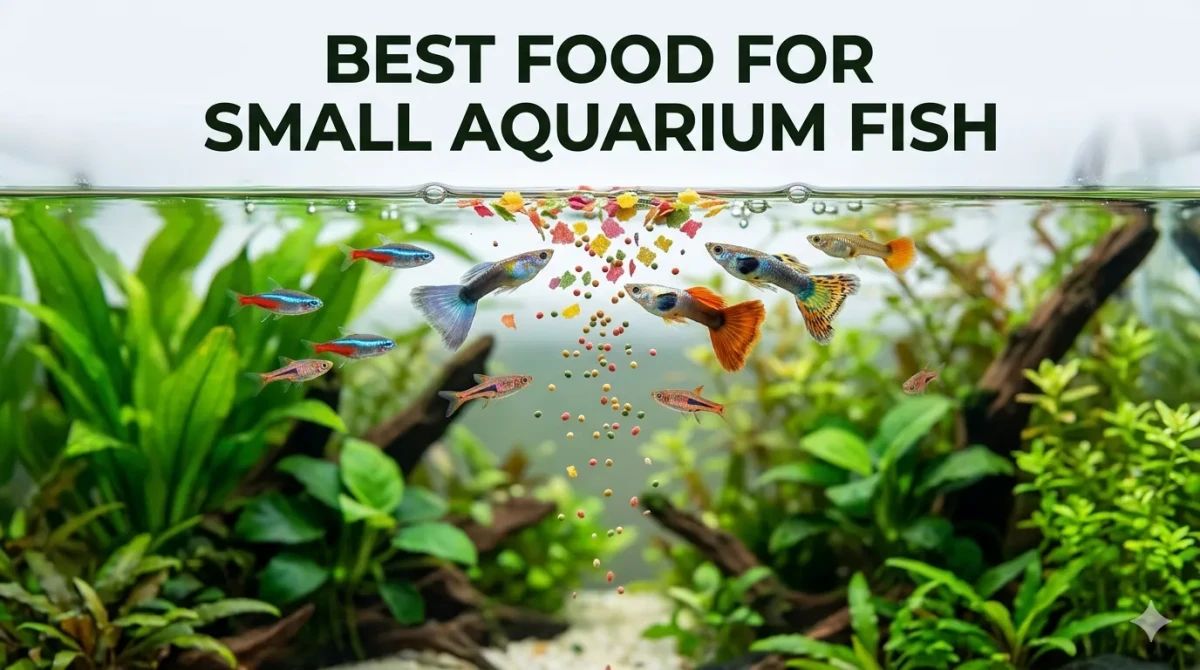
Quick Summary and Direct Answer
Choosing the best food for small aquarium fish requires selecting appropriately sized particles with balanced nutrition that matches species specific needs. Most small fish show improved coloration and activity within one to two weeks of consistent quality feeding. This guide provides expert aligned recommendations, precise feeding charts, and step by step feeding protocols. You will learn how to compare budget versus premium options, select appropriate food types for different species, and adjust portions for fry, juveniles, and adults. All suggestions follow widely accepted aquaculture standards and prioritize fish health over marketing claims. Always quarantine new fish and observe feeding behavior before making major dietary changes, especially if your fish show signs of illness or stress.
Featured Answer for Small Fish Nutrition
The best food for small aquarium fish combines micro pellets or crushed flakes with occasional live or frozen foods like baby brine shrimp and daphnia. Feed small portions two to three times daily, offering only what fish consume within two to three minutes. Start with a pinch of food per ten gallons of water and adjust based on fish count and size. Monitor fish belly fullness, water quality, and waste production daily, and perform weekly water tests to confirm feeding amounts do not compromise tank parameters.
Understanding Small Aquarium Fish Dietary Requirements
Small aquarium fish including tetras, rasboras, guppies, endlers, and dwarf rasboras have unique nutritional needs driven by their high metabolism and small mouth size. Unlike larger cichlids or goldfish, small species require finely particled food that they can easily consume without choking or competition stress. Recognizing common dietary categories helps you select formulas that align with natural feeding behaviors.
Small fish typically fall into omnivorous, herbivorous, or carnivorous categories, with most popular community species being omnivores that benefit from varied diets combining plant matter and protein. Flake foods, micro pellets, and freeze dried options provide convenience, while live and frozen foods offer superior nutrition and stimulate natural hunting instincts. Overfeeding remains the most common mistake that leads to poor water quality, obesity, and reduced lifespan in small fish.
| Food Category | Best For Species | Nutritional Profile | Feeding Frequency | Storage Requirements |
|---|---|---|---|---|
| Micro Pellets | Tetras, rasboras, small barbs | Balanced protein and carbohydrates, thirty to forty percent protein | Two to three times daily | Cool dry place, six month shelf life |
| Crushed Flakes | Guppies, endlers, platies | Varied nutrients with vitamins, thirty five to forty five percent protein | Two to three times daily | Airtight container, avoid humidity |
| Live and Frozen Foods | All small fish, breeding pairs, fry | High protein fifty to sixty percent, natural enzymes | One to two times weekly as supplement | Freezer storage, thaw before feeding |
These guidelines serve as foundational recommendations rather than strict prescriptions. Individual species may show preferences or specialized needs based on their natural habitat. Wild caught fish often require higher protein content initially, while captive bred specimens adapt well to commercial formulas. Monitor body condition weekly by observing belly roundness and adjust portions to maintain streamlined appearance without visible ribs or distended abdomen.
Step by Step Guide to Feeding Small Aquarium Fish

Consistency in feeding ensures nutritional reliability and water quality maintenance. Follow this exact workflow to minimize waste and maximize fish health. Each step prioritizes appropriate portion control and species specific nutrition.
Food Selection and Preparation Protocol
- Start by selecting food sized appropriately for your smallest fish mouth opening. Food particles should be no larger than the distance between the fish eyes to prevent choking.
- Crush larger flakes between clean fingers or use a mortar and pestle to create smaller particles suitable for nano fish and juvenile specimens.
- Thaw frozen foods in a small container of tank water for five to ten minutes before feeding to prevent temperature shock and improve acceptance.
- Rinse freeze dried foods briefly in tank water to rehydrate and prevent digestive blockages that can occur when dry food expands in the fish stomach.
- Culture live foods like baby brine shrimp or microworms in separate containers, harvesting only what fish will consume within one feeding session.
- Avoid mixing different food types in the same container, as moisture transfer can cause clumping, mold growth, and nutrient degradation.
Store dry foods in airtight containers away from direct sunlight and humidity to preserve vitamin content and prevent rancidity. Refrigerate opened frozen food packages and use within one month of opening for optimal nutrition. Discard any food that develops unusual odors, discoloration, or clumping, as these indicate spoilage that can harm fish health.
Featured Answer for Proper Feeding Technique
Feed small aquarium fish only what they consume within two to three minutes, two to three times daily. Remove uneaten food with a siphon or net after five minutes to prevent water quality degradation. Observe fish during feeding to ensure all individuals receive adequate nutrition and adjust portions based on consumption speed and belly fullness.
Feeding Charts and Portion Guidelines for Small Fish

Accurate portion control prevents obesity and water quality issues while ensuring adequate nutrient intake. Overfeeding remains the primary cause of poor water parameters in small aquariums. Use these baseline measurements as starting points and adjust based on visual observation and water test results.
| Fish Size Category | Body Length | Feeding Frequency | Food Amount Per Feeding | Protein Requirement |
|---|---|---|---|---|
| Fry and Juveniles | Half inch to one inch | Four to six times daily | Pinch per twenty fish, powdered or liquid fry food | Fifty to sixty percent protein |
| Small Adults | One to two inches | Two to three times daily | Pinch per ten fish, micro pellets or crushed flakes | Forty to fifty percent protein |
| Medium Small Fish | Two to three inches | Two times daily | Pinch per five fish, small pellets or full flakes | Thirty five to forty five percent protein |
Fry and juvenile fish require frequent small meals to support rapid growth and development. Their digestive systems cannot process large quantities at once, making multiple daily feedings essential for survival and proper development. Adult small fish thrive on consistent twice daily feeding that maintains energy without excess calorie intake. Reduce feeding frequency to once daily or every other day when performing extended vacations using automatic feeders or feeding blocks designed for small fish.
Species Specific Feeding Adjustments
Tetras and rasboras benefit from varied diets combining high quality flakes with frozen bloodworms or daphnia twice weekly. Guppies and livebearers require higher protein content during breeding periods, with daily supplementation of baby brine shrimp or crushed freeze dried tubifex worms. Bottom dwelling small fish like dwarf corydoras need sinking pellets or wafers in addition to surface foods to ensure adequate nutrition without competition stress.
Budget Versus Premium Fish Food Comparison

Cost should not compromise nutritional quality when feeding small aquarium fish, but understanding price tiers helps you allocate resources effectively. The following comparison outlines realistic monthly expenses for a ten gallon community tank with fifteen small fish.
| Price Tier | Monthly Cost Estimate | Food Type Examples | Key Features | Best For |
|---|---|---|---|---|
| Budget Friendly | Five to ten dollars | Generic flake food, basic pellets | Basic nutrition, thirty to thirty five percent protein | Hardy community fish, beginner aquarists |
| Mid Range | Ten to twenty dollars | Brand name micro pellets, frozen brine shrimp | Enhanced color formulas, forty to forty five percent protein, added vitamins | Display aquariums, mixed species tanks |
| Premium Quality | Twenty to forty dollars | Specialized formulas, live food cultures, freeze dried varieties | Species specific nutrition, fifty percent plus protein, probiotics, astaxanthin | Breeding programs, sensitive species, show fish |
Budget options provide adequate nutrition for hardy species but may lack advanced supplements that enhance coloration and immune function. Mid range selections introduce color enhancing pigments and improved digestibility that benefit most community aquariums. Premium tiers feature species specific formulations and live food options that support breeding condition and optimal health for valuable or sensitive specimens. Purchasing larger containers, buying frozen foods in bulk, and culturing live foods at home can reduce premium costs by thirty to forty percent without sacrificing quality.
Life Stage Nutrition and Developmental Feeding

Small fish require different nutritional ratios throughout their lives. Applying a single feeding strategy across all life stages often leads to developmental issues or reduced longevity. Recognizing these shifts ensures your feeding program supports each phase appropriately.
Fry and Baby Fish Nutritional Requirements
Newly hatched fry have extremely small mouths and high metabolic demands requiring specialized nutrition. Feed infusoria, liquid fry food, or powdered formulations every two to three hours during the first week of life. Transition to newly hatched baby brine shrimp at one week of age, feeding four to five times daily. Gradually introduce crushed high quality flakes or micro pellets at three to four weeks, reducing frequency to three times daily by six weeks of age. Monitor growth rates weekly and adjust portions to maintain steady development without skeletal deformities.
Juvenile Growth Phase Protocols
Young fish between one and three months require maximum nutrition to support rapid growth and immune system development. Feed high protein foods containing fifty percent or more protein content three to four times daily. Offer varied diets combining pellets, frozen foods, and live options to prevent nutritional deficiencies and promote robust coloration. Monitor for signs of overfeeding like bloated bellies or cloudy water, adjusting portions accordingly while maintaining frequent feeding schedules.
Adult Maintenance Strategies
Mature small fish benefit from consistent feeding that maintains health without promoting obesity. Reduce feeding frequency to two times daily with portions fish consume within two to three minutes. Implement one fasting day per week to allow digestive tract cleansing and prevent fatty liver disease common in captive fish. Rotate food types weekly to provide nutritional variety and prevent food aversion. Monitor body condition monthly and adjust portions to maintain streamlined appearance with slight belly roundness.
Senior Fish Dietary Modifications
Aging small fish experience slower metabolism and reduced digestive efficiency requiring formula adjustments. Select easily digestible foods with added probiotics and reduce overall portion sizes by fifteen to twenty percent. Increase feeding frequency slightly to three smaller meals daily to accommodate reduced stomach capacity. Add vitamin enriched foods or soak dry foods in liquid vitamin supplements to compensate for reduced nutrient absorption. Monitor for signs of malnutrition like faded colors or weight loss and adjust diet accordingly.
Live Food Culturing and Frozen Food Selection

Live and frozen foods provide superior nutrition and stimulate natural hunting behaviors in small aquarium fish. Understanding culturing techniques and selection criteria ensures you provide safe, nutritious supplements without introducing diseases or parasites.
Safe Live Food Options and Culturing
- Baby brine shrimp hatch from eggs in twenty four hours using saltwater and aeration, providing ideal first food for fry and nutritious supplement for adults. Harvest nauplii within twelve hours of hatching for maximum nutritional value.
- Microworm cultures grow on oatmeal or mashed potato medium at room temperature, harvested every two to three days using a cotton swab to collect worms from container sides.
- Vinegar eels thrive in apple cider vinegar with apple pieces, providing tiny nematodes suitable for smallest fry mouths. Culture in dark locations and harvest by placing paper towel over opening to collect crawling eels.
- Daphnia cultures require green water or yeast feeding in aged water with gentle aeration, producing nutritious crustaceans that also help clear fish digestive tracts.
- Grindal worms grow on moist soil or peat moss with bread or cereal feeding, harvested by placing glass plate on culture surface and collecting worms from underside after several hours.
Always quarantine live foods from external sources for twenty four hours in separate containers to observe for diseases or parasites before introducing to display tanks. Never collect wild live foods from natural water bodies, as these commonly introduce parasites and pathogens that can devastate aquarium populations. Maintain separate culturing equipment for each live food type to prevent cross contamination and culture crashes.
Frozen Food Selection and Thawing Protocol
Select frozen foods from reputable manufacturers that use flash freezing techniques to preserve nutritional content. Avoid products with excessive ice crystals or freezer burn, as these indicate temperature fluctuations that degrade quality. Thaw frozen foods in small containers of tank water for five to ten minutes before feeding to prevent thermal shock and improve acceptance. Use turkey basters or pipettes to target feed frozen foods directly to fish, reducing waste and ensuring all individuals receive nutrition. Discard any thawed food not consumed within one hour, as bacterial growth accelerates rapidly at room temperature.
Preventive Health and Nutritional Disease Management

Proper nutrition prevents common health issues in small aquarium fish while supporting immune function and longevity. Recognizing nutritional deficiency symptoms allows early intervention before conditions become severe or fatal.
Common Nutritional Deficiencies and Solutions
Vitamin C deficiency manifests as curved spine, bleeding gums, and reduced growth rates in young fish. Prevent by offering vitamin enriched foods or soaking dry foods in liquid vitamin supplements twice weekly. Vitamin A deficiency causes faded coloration, eye problems, and increased disease susceptibility. Address by rotating foods containing spirulina, krill, or fish liver ingredients. Protein deficiency results in stunted growth, muscle wasting, and poor coloration in developing fish. Correct by increasing feeding frequency and offering high protein live or frozen foods daily.
Overfeeding causes obesity, fatty liver disease, and water quality degradation that leads to secondary infections. Prevent by feeding only what fish consume within three minutes and implementing weekly fasting days. Underfeeding results in emaciation, increased aggression, and susceptibility to diseases. Address by increasing portion sizes gradually and monitoring belly fullness during feeding observations.
Featured Answer for Health Monitoring
Regular observation during feeding reveals early signs of nutritional problems or disease. Monitor fish appetite, swimming behavior, and body condition weekly. Healthy fish eagerly approach food, maintain streamlined bodies with slight belly roundness after feeding, and display vibrant coloration. Consult an aquatic veterinarian if fish show persistent loss of appetite, rapid weight loss, or abnormal swimming patterns despite proper feeding.
Water Quality Management and Feeding Relationship

Feeding directly impacts water quality in small aquariums, making proper portion control essential for fish health. Understanding the relationship between nutrition and water parameters prevents common problems that compromise fish welfare.
Feeding Impact on Water Parameters
- Ammonia spikes occur when excess food decomposes or fish produce waste exceeding biological filtration capacity. Test ammonia daily for one week after changing feeding routines and adjust portions if levels exceed zero point twenty five ppm.
- Nitrate accumulation results from consistent overfeeding even when ammonia and nitrite remain undetectable. Perform weekly water changes of twenty five percent when nitrates exceed twenty ppm in small fish tanks.
- pH fluctuations occur when uneaten food decomposes and releases organic acids into the water column. Remove visible debris within five minutes of feeding and maintain regular substrate vacuuming schedules.
- Cloudy water develops from bacterial blooms triggered by excess organic matter from overfeeding. Reduce feeding amounts by fifty percent for three days and perform thirty percent water change to restore clarity.
Establish baseline water parameters before implementing new feeding schedules, then test weekly to identify trends. Adjust feeding frequency and portions based on water test results rather than arbitrary schedules. Invest in quality liquid test kits rather than test strips for accurate ammonia, nitrite, nitrate, and pH measurements that guide feeding decisions.
Behavioral Training and Feeding Routine Integration

Consistent feeding schedules directly influence small fish behavior and stress levels. Fish with predictable meal times exhibit reduced anxiety and improved coloration. Implement these behavioral alignment strategies alongside nutritional programs.
- Establish fixed feeding times at the same hours daily to regulate circadian rhythms and digestive enzyme production. Fish quickly learn schedules and will gather at feeding locations fifteen minutes before expected meal times.
- Tap the aquarium glass gently or turn on aquarium lights fifteen minutes before feeding to create positive associations and reduce startle responses during food introduction.
- Distribute food across multiple locations in community tanks to prevent dominant fish from monopolizing nutrition and ensure shy or subordinate individuals receive adequate portions.
- Use feeding rings or target feeding techniques to contain floating foods and prevent scattering that leads to filtration system clogging and water quality issues.
- Observe feeding behavior daily to identify individuals showing reduced appetite or difficulty competing, adjusting feeding strategies to accommodate special needs fish.
Positive reinforcement works effectively when training fish to accept new foods or feeding methods. Offer highly palatable treats like frozen bloodworms when introducing variety to encourage sampling of unfamiliar nutrition. Avoid chasing fish with nets or creating stressful conditions during feeding, as negative associations can trigger long term food refusal and health decline.
Essential Accessories and Tools for Proper Feeding

Proper feeding equipment ensures accurate portion control, food preservation, and tank maintenance. Investing in reliable tools reduces waste and maintains water quality while simplifying daily feeding routines.
- Feeding tweezers or long forceps allow precise placement of foods for target feeding shy fish or removing uneaten portions without inserting hands into aquarium water.
- Automatic fish feeders programmed for two to three daily dispensing times maintain consistent nutrition during vacations or busy schedules, preventing overfeeding by well meaning family members.
- Fine mesh food nets catch floating debris and uneaten particles within five minutes of feeding, preventing decomposition that degrades water quality.
- Airtight food storage containers with moisture absorbing packets preserve vitamin content and prevent clumping in dry foods, extending shelf life by three to six months.
- Thawing containers with lids allow safe defrosting of frozen foods in refrigerator or tank water without cross contamination or spillage.
Buying considerations should prioritize food safety and ease of cleaning. Avoid plastic containers that stain or retain odors from fish foods. Select dishwasher safe components to streamline sanitization routines and maintain consistent hygiene standards. Budget friendly options often perform adequately for basic feeding needs, while premium automatic feeders offer programmable features and battery backup for reliability during power outages.
Common Mistakes That Compromise Small Fish Health

Well intentioned aquarists frequently make errors that compromise fish health despite using quality foods. Recognizing these pitfalls prevents unnecessary fish loss and reduces maintenance burdens. Apply these corrective strategies to maintain consistent nutrition and water quality.
Overfeeding and Portion Control Errors
The most common mistake involves feeding based on human perception of hunger rather than fish nutritional needs. Small fish stomachs approximate the size of their eyes, requiring only tiny portions multiple times daily. Measure food using the pinch method, offering only what fifteen small fish consume within three minutes. When in doubt, feed less rather than more, as fish tolerate brief fasting better than chronic overfeeding that causes organ damage and water pollution.
Inappropriate Food Size Selection
Offering food particles too large for small fish mouths causes choking, malnutrition, and aggression as fish compete for manageable pieces. Crush flakes between fingers or use scissors to create appropriate particle sizes before adding to tank. Select micro pellets specifically labeled for small fish rather than standard pellets designed for larger species. Observe feeding behavior to ensure all fish successfully capture and swallow food without spitting or struggling.
Neglecting Dietary Variety
Feeding单一 food types exclusively creates nutritional deficiencies and food fixation that complicates future diet changes. Rotate between at least three different food types weekly, combining dry, frozen, and live options when possible. Introduce new foods gradually by mixing small amounts with familiar nutrition, increasing proportions over five to seven days as fish accept variety. Document food preferences and acceptance patterns to optimize rotation schedules for your specific fish population.
Expert Tips From Aquaculture Specialists and Experienced Hobbyists

Professional aquaculturists and longtime aquarium keepers consistently emphasize observation, variety, and water quality when feeding small fish. Real world insights complement scientific guidelines and provide practical strategies that commercial products rarely address. Incorporate these proven methods to optimize feeding routines and improve long term fish health.
- Keep a feeding log tracking food types, amounts, and fish response for two weeks when establishing new routines. Patterns emerge that reveal optimal portions and preferred foods for your specific fish population.
- Fast fish one day per week to allow digestive tract cleansing and prevent fatty liver disease. Fish naturally experience irregular feeding in wild environments and benefit from periodic food absence.
- Culture live foods at home to reduce costs and ensure fresh, disease free nutrition. Even simple microworm or vinegar eel cultures provide valuable supplements without significant time investment.
- Soak dry foods in tank water for thirty seconds before feeding to prevent air bubble ingestion that causes swim bladder disorders common in small fish.
- Feed the last daily meal one hour before lights out to allow complete digestion during dark periods when fish metabolism naturally slows.
These practices align with widely accepted aquaculture standards and emphasize preventive care over reactive treatment. Aquarists who implement structured observation report fewer disease outbreaks and more vibrant fish coloration. Consistency remains the most powerful tool when managing small fish nutrition, as stable routines reduce stress and support immune function more effectively than expensive supplements or medications.
Frequently Asked Questions

How often should I feed small aquarium fish each day
Feed adult small fish two to three times daily with portions consumed within two to three minutes per feeding. Juvenile fish between one and three months require three to four feedings daily to support rapid growth. Fry under one month need feeding every two to three hours during daylight periods. Always observe fish during feeding and adjust frequency based on consumption speed and belly fullness rather than rigid schedules.
Can small fish survive on flake food alone
Small fish can survive on high quality flake food alone but will not thrive optimally without dietary variety. Supplement flake foods with frozen or live foods at least twice weekly to provide complete nutrition and prevent vitamin deficiencies. Rotate between at least three different food types to ensure balanced amino acid profiles and maintain fish interest in feeding.
How do I know if I am overfeeding my small fish
Signs of overfeeding include uneaten food remaining after five minutes, cloudy water, elevated ammonia or nitrate levels, fish with distended bellies, and increased algae growth. Healthy fish should consume all food within three minutes and maintain streamlined bodies with slight post feeding fullness that resolves within one hour. Reduce portions by twenty five percent if you observe any overfeeding indicators and monitor water parameters daily for one week.
What is the best food for small fish fry and baby fish
Newly hatched fry require infusoria, liquid fry food, or powdered formulations for the first week due to microscopic mouth size. Transition to newly hatched baby brine shrimp at one week of age, feeding four to five times daily. Introduce crushed high quality flakes or specialized fry pellets at three to four weeks, gradually reducing frequency as fish mature. Always provide smaller, more frequent meals to fry than adult fish to support rapid development.
How long can small aquarium fish go without food
Healthy adult small fish can safely fast for three to seven days without adverse effects, making short vacations manageable without automatic feeders. Juvenile fish under three months should not fast more than twenty four hours due to rapid growth demands. Fry require feeding at least twice daily and cannot survive extended fasting periods. When planning extended absences, use quality automatic feeders or have experienced aquarists provide measured portions rather than leaving excess food that decays and pollutes water.
🐱 আরও পড়ুন: Fish Food

0 Comments