.png)
Signs of a Healthy Cat Every Owner Should Know
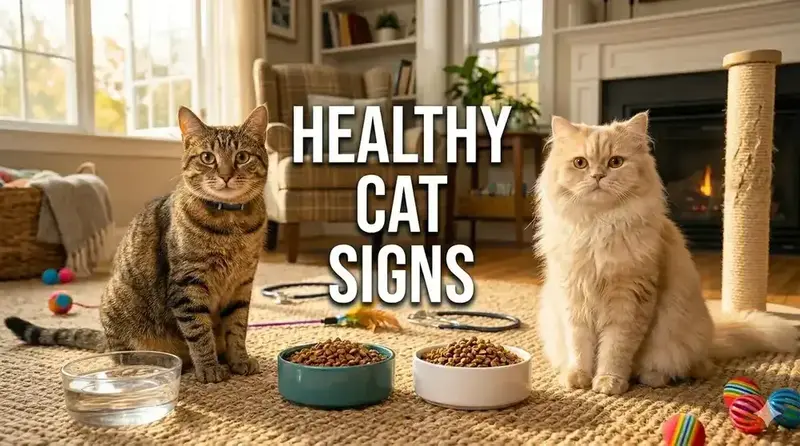
Recognizing the signs of a healthy cat is one of the most important skills every cat owner can develop. While cats are masters at hiding illness—a survival instinct from their wild ancestors—knowing what normal health looks like helps you detect problems early when treatment is most effective. From a shiny coat and bright eyes to consistent appetite and playful behavior, healthy cats display clear indicators that attentive owners can learn to identify. This comprehensive guide covers all the essential signs of feline wellness, empowering you to monitor your cat's health confidently at home.
Why Recognizing Healthy Cat Signs Matters
Understanding what a healthy cat looks and behaves like isn't just about peace of mind—it's a critical component of preventive care. Cats cannot verbally communicate discomfort, pain, or illness, so they rely on observant owners to notice subtle changes that may signal health problems. Early detection of issues like dental disease, kidney problems, or diabetes dramatically improves treatment outcomes and can extend your cat's life by years.
The Cat's Instinct to Hide Illness
In the wild, showing weakness makes animals vulnerable to predators. Domestic cats retain this instinct, often masking symptoms until illness becomes severe. A cat may continue eating, playing, and using the litter box normally even while experiencing significant discomfort. This evolutionary trait means owners must be proactive in monitoring health indicators rather than waiting for obvious signs of sickness.
By learning the baseline signs of health for your individual cat, you create a reference point for detecting deviations. What's normal for one cat may differ from another, so establishing your cat's personal "healthy" profile is essential for effective health monitoring.
Benefits of Regular Health Observation
Consistent observation of your cat's health signs provides multiple advantages:
- Early problem detection: Catching issues like weight loss, dental problems, or behavioral changes early allows for simpler, less expensive treatment
- Reduced veterinary costs: Preventive care and early intervention cost far less than emergency treatment for advanced disease
- Stronger human-animal bond: Regular health checks during grooming or play deepen your connection and trust with your cat
- Peace of mind: Knowing your cat is healthy reduces anxiety and helps you enjoy your time together
- Better veterinary visits: When you can describe specific changes in behavior or appearance, your veterinarian can diagnose more accurately
- 🐾 Best Vitamins for Aquarium Fish: Expert Aquatic Nutrition Guide
- 🐾 Small Pet Digestive Health Guide Complete Care Information
- 🐾 Early Warning Signs Your Cat Is Sick: Complete Guide
Physical Signs of a Healthy Cat
Physical indicators provide the most visible evidence of your cat's health status. Regular examination of these features helps you establish what normal looks like for your feline companion.
Coat Condition and Skin Health
A healthy cat's coat should be soft, shiny, and free of excessive shedding, bald patches, or flakes. The texture and appearance vary by breed—Persians have long, dense fur while Siamese have short, sleek coats—but all healthy cats share certain characteristics:
- Shine and luster: A glossy coat indicates good nutrition and proper grooming
- Minimal shedding: While all cats shed, excessive hair loss may signal stress, allergies, or illness
- No bald patches: Hair loss in specific areas can indicate parasites, fungal infections, or compulsive overgrooming
- Healthy skin: Skin should be clean, without redness, scabs, flakes, or unusual odors
- Appropriate grooming: Healthy cats spend significant time grooming; reduced grooming may indicate pain or illness
- 🐾 Best Vitamins for Aquarium Fish: Expert Aquatic Nutrition Guide
- 🐾 Small Pet Digestive Health Guide Complete Care Information
- 🐾 Early Warning Signs Your Cat Is Sick: Complete Guide
During petting sessions, run your fingers through your cat's coat to check for lumps, bumps, or tender areas. Note any changes in texture, thickness, or shedding patterns.
Eyes: Windows to Health
A healthy cat's eyes are clear, bright, and alert. Both eyes should appear identical in size, color, and clarity. Key indicators include:
- Clear corneas: No cloudiness, film, or discoloration
- Bright appearance: Eyes should look vibrant, not dull or sunken
- Minimal discharge: Small amounts of clear moisture are normal; yellow, green, or excessive discharge signals infection
- Equal pupil size: Pupils should respond equally to light changes
- No squinting: Frequent blinking or squinting may indicate pain or irritation
- Third eyelid visibility: The nictitating membrane should rarely be visible; prominent third eyelids can signal illness
- 🐾 Best Vitamins for Aquarium Fish: Expert Aquatic Nutrition Guide
- 🐾 Small Pet Digestive Health Guide Complete Care Information
- 🐾 Early Warning Signs Your Cat Is Sick: Complete Guide
Check your cat's eyes daily during interaction. Note any changes in appearance, behavior around the eyes, or sensitivity to light.
Ears: Clean and Comfortable
Healthy cat ears are clean, odor-free, and comfortable. Regular inspection helps detect problems early:
- Clean inner ear: Light pink skin with minimal wax buildup
- No odor: Healthy ears have no noticeable smell; foul odors suggest infection
- No discharge: Absence of brown, black, or yellow debris
- No scratching: Healthy cats rarely scratch at ears; frequent scratching indicates irritation
- No head shaking: Occasional shaking is normal; persistent shaking signals discomfort
- 🐾 Best Vitamins for Aquarium Fish: Expert Aquatic Nutrition Guide
- 🐾 Small Pet Digestive Health Guide Complete Care Information
- 🐾 Early Warning Signs Your Cat Is Sick: Complete Guide
Gently lift your cat's ear flap weekly to inspect the inner ear. Never insert objects into the ear canal. If you notice redness, swelling, discharge, or odor, consult your veterinarian.
Nose and Respiratory Health
A healthy cat's nose is typically cool and moist, though warmth and dryness can be normal after sleep or in warm environments. More important indicators include:
- No discharge: Clear moisture is normal; yellow, green, or bloody discharge signals illness
- No sneezing: Occasional sneezing is normal; frequent sneezing may indicate infection or allergies
- Easy breathing: Breathing should be quiet and effortless; labored breathing requires immediate attention
- No nasal congestion: Cats are obligate nasal breathers; mouth breathing is abnormal and urgent
- 🐾 Best Vitamins for Aquarium Fish: Expert Aquatic Nutrition Guide
- 🐾 Small Pet Digestive Health Guide Complete Care Information
- 🐾 Early Warning Signs Your Cat Is Sick: Complete Guide
Monitor your cat's breathing during rest. Normal respiratory rate is 20-30 breaths per minute. Count breaths by watching chest movement for 15 seconds and multiplying by four.
Mouth and Dental Health
Oral health significantly impacts overall wellbeing. Healthy cats display:
- Pink gums: Gums should be bubblegum pink; pale, white, yellow, or bright red gums indicate problems
- Fresh breath: Mild food odor is normal; foul breath suggests dental disease
- Clean teeth: Minimal tartar buildup; heavy yellow/brown deposits indicate need for cleaning
- Intact teeth: No broken, loose, or missing teeth in adult cats
- Comfortable eating: No dropping food, chewing on one side, or reluctance to eat hard food
- 🐾 Best Vitamins for Aquarium Fish: Expert Aquatic Nutrition Guide
- 🐾 Small Pet Digestive Health Guide Complete Care Information
- 🐾 Early Warning Signs Your Cat Is Sick: Complete Guide
Lift your cat's lips weekly to examine gums and teeth. Look for redness, swelling, bleeding, or unusual growths. Dental disease affects up to 70% of cats by age three but is largely preventable with regular care.
Body Condition and Weight
Maintaining ideal body condition is crucial for long-term health. Assess your cat using these guidelines:
- Ribs: You should feel ribs easily with light pressure but not see them prominently
- Waist: When viewed from above, a healthy cat shows a visible waist behind the ribs
- Abdominal tuck: From the side, the abdomen should tuck up behind the ribcage
- Weight stability: Adult cats should maintain consistent weight; unexplained loss or gain warrants veterinary attention
- 🐾 Best Vitamins for Aquarium Fish: Expert Aquatic Nutrition Guide
- 🐾 Small Pet Digestive Health Guide Complete Care Information
- 🐾 Early Warning Signs Your Cat Is Sick: Complete Guide
Weigh your cat monthly using a pet scale or by weighing yourself holding your cat, then subtracting your weight. Track changes over time to detect subtle shifts that may indicate health issues.
Behavioral Signs of a Healthy Cat

Behavior often reveals health status before physical signs become obvious. Understanding normal feline behavior helps you recognize concerning changes.
Appetite and Eating Habits
Healthy cats display consistent, enthusiastic eating patterns:
- Regular appetite: Eats measured portions at scheduled times without reluctance
- Appropriate water intake: Drinks regularly; sudden increases may signal kidney disease or diabetes
- Normal eating speed: Eats at a comfortable pace; gulping or avoiding food may indicate problems
- No vomiting: Occasional hairballs are normal; frequent vomiting requires evaluation
- 🐾 Best Vitamins for Aquarium Fish: Expert Aquatic Nutrition Guide
- 🐾 Small Pet Digestive Health Guide Complete Care Information
- 🐾 Early Warning Signs Your Cat Is Sick: Complete Guide
Monitor your cat's food and water consumption daily. Note any changes in preference, speed, or amount. Sudden appetite changes often signal illness before other symptoms appear.
Energy Levels and Activity
Healthy cats balance rest and activity appropriately for their age and personality:
- Age-appropriate energy: Kittens are playful and curious; adults have moderate activity; seniors slow down gradually
- Regular play engagement: Responds to toys and interaction with interest
- Normal sleep patterns: Cats sleep 12-16 hours daily; sudden increases may indicate illness
- Confident movement: Moves without hesitation, limping, or stiffness
- 🐾 Best Vitamins for Aquarium Fish: Expert Aquatic Nutrition Guide
- 🐾 Small Pet Digestive Health Guide Complete Care Information
- 🐾 Early Warning Signs Your Cat Is Sick: Complete Guide
Track your cat's activity patterns. Note any reluctance to jump, climb, or play that wasn't present before. Changes in mobility often indicate pain or arthritis.
Litter Box Habits
Litter box behavior provides crucial health information:
- Consistent frequency: Most cats urinate 2-4 times daily and defecate 1-2 times
- Normal stool: Formed, brown, odor consistent with diet; diarrhea or constipation signals issues
- Clear urine: Pale yellow; dark, bloody, or frequent small amounts may indicate urinary problems
- Comfortable elimination: No straining, crying, or avoiding the box
- Proper covering: Most cats cover waste; sudden changes may signal stress or illness
- 🐾 Best Vitamins for Aquarium Fish: Expert Aquatic Nutrition Guide
- 🐾 Small Pet Digestive Health Guide Complete Care Information
- 🐾 Early Warning Signs Your Cat Is Sick: Complete Guide
Scoop litter boxes daily and observe output. Changes in frequency, consistency, or behavior around elimination warrant veterinary attention, especially for urinary issues which can become emergencies.
Social Interaction and Temperament
Healthy cats maintain consistent social behaviors:
- Normal affection levels: Seeks or accepts attention consistent with personality
- Appropriate vocalization: Meows, purrs, or chirps in familiar patterns; excessive or unusual vocalization may signal distress
- Confident posture: Relaxed body language; hiding, crouching, or aggression may indicate pain or fear
- Interest in environment: Observes surroundings with curiosity; withdrawal may signal illness
- 🐾 Best Vitamins for Aquarium Fish: Expert Aquatic Nutrition Guide
- 🐾 Small Pet Digestive Health Guide Complete Care Information
- 🐾 Early Warning Signs Your Cat Is Sick: Complete Guide
Know your cat's personality baseline. A normally social cat becoming withdrawn, or a reserved cat becoming clingy, may be communicating health concerns.
Vital Signs Every Owner Should Monitor

Learning to check basic vital signs empowers you to assess your cat's health objectively and provide valuable information to your veterinarian.
Normal Temperature Range
A healthy cat's rectal temperature ranges from 100.5°F to 102.5°F (38°C to 39.2°C). To check:
- Use a digital thermometer designed for pets
- Lubricate the tip with petroleum jelly
- Gently insert 1/2 to 1 inch into the rectum
- Hold in place until the thermometer beeps
- Clean thoroughly after use
- 🐾 Best Vitamins for Aquarium Fish: Expert Aquatic Nutrition Guide
- 🐾 Small Pet Digestive Health Guide Complete Care Information
- 🐾 Early Warning Signs Your Cat Is Sick: Complete Guide
Temperatures above 103°F or below 99°F require veterinary attention. Note that stress can temporarily elevate temperature, so check when your cat is calm.
Heart Rate and Pulse
Normal resting heart rate for adult cats is 140-220 beats per minute. To check:
- Place your hand gently on the left side of the chest, just behind the elbow
- Count beats for 15 seconds and multiply by four
- Alternatively, feel the femoral pulse in the inner thigh
- 🐾 Best Vitamins for Aquarium Fish: Expert Aquatic Nutrition Guide
- 🐾 Small Pet Digestive Health Guide Complete Care Information
- 🐾 Early Warning Signs Your Cat Is Sick: Complete Guide
Heart rates outside the normal range, irregular rhythms, or rates that don't decrease with rest warrant veterinary evaluation.
Respiratory Rate
Healthy cats breathe 20-30 times per minute at rest. To check:
- Watch your cat's chest or flank movement while sleeping or resting
- Count breaths for 15 seconds and multiply by four
- Note effort: breathing should be quiet and effortless
- 🐾 Best Vitamins for Aquarium Fish: Expert Aquatic Nutrition Guide
- 🐾 Small Pet Digestive Health Guide Complete Care Information
- 🐾 Early Warning Signs Your Cat Is Sick: Complete Guide
Rates above 40 breaths per minute at rest, labored breathing, or open-mouth breathing require immediate veterinary attention.
Capillary Refill Time
This simple test assesses circulation:
- Gently press your finger against your cat's gums until they turn white
- Release and count seconds for color to return
- Normal refill time is 1-2 seconds
- 🐾 Best Vitamins for Aquarium Fish: Expert Aquatic Nutrition Guide
- 🐾 Small Pet Digestive Health Guide Complete Care Information
- 🐾 Early Warning Signs Your Cat Is Sick: Complete Guide
Longer refill times may indicate dehydration, shock, or circulatory problems.
Age-Specific Health Indicators

Health signs vary across life stages. Understanding age-appropriate norms helps you monitor your cat effectively.
Kitten Health Signs (8 weeks - 1 year)
Healthy kittens display:
- Rapid but steady growth with consistent weight gain
- High energy levels with frequent play bursts and naps
- Curious exploration of environment with appropriate caution
- Regular eating and elimination patterns
- Clean eyes, ears, and nose without discharge
- Social interaction with littermates and humans
- Developmental milestones: walking by 3 weeks, eyes open by 2 weeks, teeth emerging by 3-4 weeks
- 🐾 Best Vitamins for Aquarium Fish: Expert Aquatic Nutrition Guide
- 🐾 Small Pet Digestive Health Guide Complete Care Information
- 🐾 Early Warning Signs Your Cat Is Sick: Complete Guide
Kittens require frequent veterinary care for vaccinations, deworming, and wellness checks. Monitor closely for signs of upper respiratory infections, parasites, or congenital issues.
Adult Cat Health Signs (1-7 years)
Healthy adult cats maintain:
- Stable weight and body condition
- Consistent energy levels appropriate for personality
- Regular grooming habits with healthy coat
- Normal appetite and litter box habits
- Strong teeth and gums with minimal tartar
- Clear eyes, ears, and nose
- Confident movement without stiffness
- 🐾 Best Vitamins for Aquarium Fish: Expert Aquatic Nutrition Guide
- 🐾 Small Pet Digestive Health Guide Complete Care Information
- 🐾 Early Warning Signs Your Cat Is Sick: Complete Guide
Annual veterinary exams help maintain health and detect early signs of age-related conditions. Dental care becomes increasingly important during these years.
Senior Cat Health Signs (7+ years)
Healthy senior cats show:
- Gradual, not sudden, changes in activity level
- Maintained appetite with possible slight decrease
- Stable weight or controlled, gradual changes
- Continued interest in interaction, though possibly less intense
- Normal litter box habits with possible slight frequency changes
- Comfortable movement, though possibly slower
- 🐾 Best Vitamins for Aquarium Fish: Expert Aquatic Nutrition Guide
- 🐾 Small Pet Digestive Health Guide Complete Care Information
- 🐾 Early Warning Signs Your Cat Is Sick: Complete Guide
Senior cats benefit from biannual veterinary exams and blood work to monitor kidney function, thyroid health, and other age-related concerns. Early detection of conditions like hyperthyroidism, kidney disease, or arthritis improves quality of life.
Red Flags: When to Call the Veterinarian

While knowing healthy signs is crucial, recognizing warning signs is equally important. Contact your veterinarian immediately if you observe:
- Respiratory distress: Open-mouth breathing, labored breathing, or blue-tinged gums
- Urinary emergencies: Straining to urinate with no output, especially in male cats
- Severe lethargy: Unresponsiveness, inability to stand, or extreme weakness
- Repeated vomiting: More than twice in 24 hours or vomiting with other symptoms
- Blood: In urine, stool, vomit, or from any body opening
- Seizures: Any convulsive activity or loss of consciousness
- Trauma: Falls, hits by car, or bites from other animals
- Toxin exposure: Ingestion of plants, medications, or chemicals toxic to cats
- Sudden behavior changes: Aggression, confusion, or extreme hiding
- Not eating: Refusing food for more than 24 hours, especially in overweight cats
- 🐾 Best Vitamins for Aquarium Fish: Expert Aquatic Nutrition Guide
- 🐾 Small Pet Digestive Health Guide Complete Care Information
- 🐾 Early Warning Signs Your Cat Is Sick: Complete Guide
When in doubt, contact your veterinarian. It's always better to seek guidance early than wait for symptoms to worsen.
People Also Ask: Quick Answers

What are the first signs of a sick cat?
Early signs of illness in cats include decreased appetite, lethargy, hiding more than usual, changes in litter box habits, vomiting, diarrhea, or unusual vocalization. Cats often show subtle behavioral changes before obvious physical symptoms appear. Monitor your cat's baseline behavior to detect deviations early.
How can I check my cat's health at home?
Perform weekly home health checks: examine eyes, ears, nose, and mouth; feel for lumps or tenderness; check coat and skin condition; monitor weight monthly; observe eating, drinking, and litter box habits; and note energy levels and behavior. Keep a journal to track changes over time.
What is a normal weight for a domestic cat?
Most domestic cats weigh 8-12 pounds, but ideal weight varies by breed, frame size, and body condition. Focus on body condition score rather than weight alone: you should feel ribs easily, see a waist from above, and observe an abdominal tuck from the side. Consult your veterinarian for your cat's ideal weight range.
How often should I take my cat to the vet?
Adult cats (1-7 years) need annual wellness exams. Senior cats (7+ years) benefit from biannual exams with blood work. Kittens require multiple visits during their first year for vaccinations and wellness checks. Cats with chronic conditions need monitoring as recommended by their veterinarian.
Can cats hide pain, and how do I know if my cat hurts?
Yes, cats excel at hiding pain due to evolutionary instincts. Signs of pain include reduced activity, reluctance to jump or climb, changes in grooming, decreased appetite, hiding, vocalizing when touched, or unusual postures. If you suspect pain, consult your veterinarian for assessment and management options.
Common Mistakes Owners Make Monitoring Cat Health

Even attentive owners can overlook important health indicators. Avoid these frequent errors:
- Assuming no symptoms means no problems: Cats hide illness effectively. Regular veterinary exams detect issues before symptoms appear.
- Ignoring subtle behavior changes: Small shifts in routine often signal health issues before physical signs develop. Document and investigate changes.
- Overlooking dental health: Dental disease affects most cats but is preventable. Check teeth and gums regularly and follow veterinary dental care recommendations.
- Waiting for obvious symptoms: By the time cats show clear illness signs, conditions may be advanced. Proactive monitoring catches problems earlier.
- Not tracking baseline data: Without knowing your cat's normal weight, appetite, and behavior, detecting changes is difficult. Keep simple records.
- Self-diagnosing from internet searches: While research is valuable, only veterinarians can accurately diagnose and treat feline health issues.
- 🐾 Best Vitamins for Aquarium Fish: Expert Aquatic Nutrition Guide
- 🐾 Small Pet Digestive Health Guide Complete Care Information
- 🐾 Early Warning Signs Your Cat Is Sick: Complete Guide
Building a Wellness Monitoring Routine

Creating a simple, consistent health monitoring habit makes detecting changes easier and less stressful.
Daily Quick Checks
- Observe appetite and water consumption during feeding
- Note energy level and behavior during interaction
- Quick visual check of eyes, nose, and coat during petting
- Scoop litter box and observe output
- 🐾 Best Vitamins for Aquarium Fish: Expert Aquatic Nutrition Guide
- 🐾 Small Pet Digestive Health Guide Complete Care Information
- 🐾 Early Warning Signs Your Cat Is Sick: Complete Guide
Weekly Detailed Checks
- Full coat and skin examination during brushing
- Ear inspection for cleanliness and odor
- Mouth check for gum color and dental health
- Body palpation for lumps, bumps, or tenderness
- Weight check if possible
- 🐾 Best Vitamins for Aquarium Fish: Expert Aquatic Nutrition Guide
- 🐾 Small Pet Digestive Health Guide Complete Care Information
- 🐾 Early Warning Signs Your Cat Is Sick: Complete Guide
Monthly Records
- Record weight and body condition score
- Note any behavioral or health changes
- Review litter box patterns and consistency
- Plan veterinary appointments or preventive care
- 🐾 Best Vitamins for Aquarium Fish: Expert Aquatic Nutrition Guide
- 🐾 Small Pet Digestive Health Guide Complete Care Information
- 🐾 Early Warning Signs Your Cat Is Sick: Complete Guide
Annual Veterinary Partnership
Schedule regular wellness exams even when your cat appears healthy. Bring your home monitoring notes to help your veterinarian assess trends. Discuss preventive care including vaccinations, parasite prevention, dental care, and age-appropriate screening tests.
Frequently Asked Questions

How do I know if my cat is happy and healthy?
A happy, healthy cat displays consistent appetite, normal litter box habits, appropriate energy levels, regular grooming, bright eyes, clean ears, and engages in social interaction. They move comfortably, maintain stable weight, and show interest in their environment. Trust your knowledge of your individual cat's baseline behavior.
What should I do if my cat's health signs change suddenly?
Contact your veterinarian promptly if you notice sudden changes in appetite, behavior, litter box habits, mobility, or appearance. Document specific changes, when they started, and any potential triggers. Don't wait to see if symptoms resolve on their own, as cats can deteriorate quickly.
Can stress affect my cat's health signs?
Yes, stress significantly impacts feline health. Stress can cause decreased appetite, litter box avoidance, excessive grooming, digestive upset, and weakened immune function. Minimize stress through consistent routines, safe spaces, environmental enrichment, and pheromone products if needed.
How can I make health checks less stressful for my cat?
Integrate health checks into positive interactions: examine during petting sessions, offer treats during checks, keep sessions brief, and stop if your cat becomes stressed. Handle your cat gently and respect their boundaries. Gradual desensitization helps cats tolerate necessary examinations.
What health records should I keep for my cat?
Maintain records of: vaccination history, parasite prevention schedule, veterinary visit notes, weight trends, medication history, and any health concerns or changes. Digital apps or simple notebooks work well. Share records with new veterinarians or during emergencies.
Conclusion: Empowering Cat Owners Through Knowledge

Recognizing the signs of a healthy cat transforms you from a passive caretaker into an active partner in your feline companion's wellbeing. By learning what normal looks like for your individual cat—physically and behaviorally—you gain the power to detect problems early when intervention is most effective and least invasive.
Remember that health monitoring isn't about perfection or constant worry. It's about establishing simple, sustainable habits that fit into your daily routine: a quick eye check during morning cuddles, noting appetite at feeding time, observing litter box habits during scooping. These small moments of attention accumulate into powerful preventive care.
Partner with your veterinarian for professional guidance, but trust your instincts as the person who knows your cat best. You notice the subtle changes that even veterinary professionals might miss during brief exams. Your observations, combined with veterinary expertise, create the strongest foundation for your cat's lifelong health.
Every cat deserves an owner who understands their health signals and advocates for their wellbeing. By mastering the signs of a healthy cat, you're not just preventing illness—you're deepening your bond, reducing stress for both of you, and ensuring your feline friend enjoys the highest quality of life possible. Start today with one simple observation, and build your confidence as a knowledgeable, attentive cat guardian.
🐱 আরও পড়ুন: Cat Health

0 Comments