.png)
Best Feather Toys for Cats and Complete Buying Guide
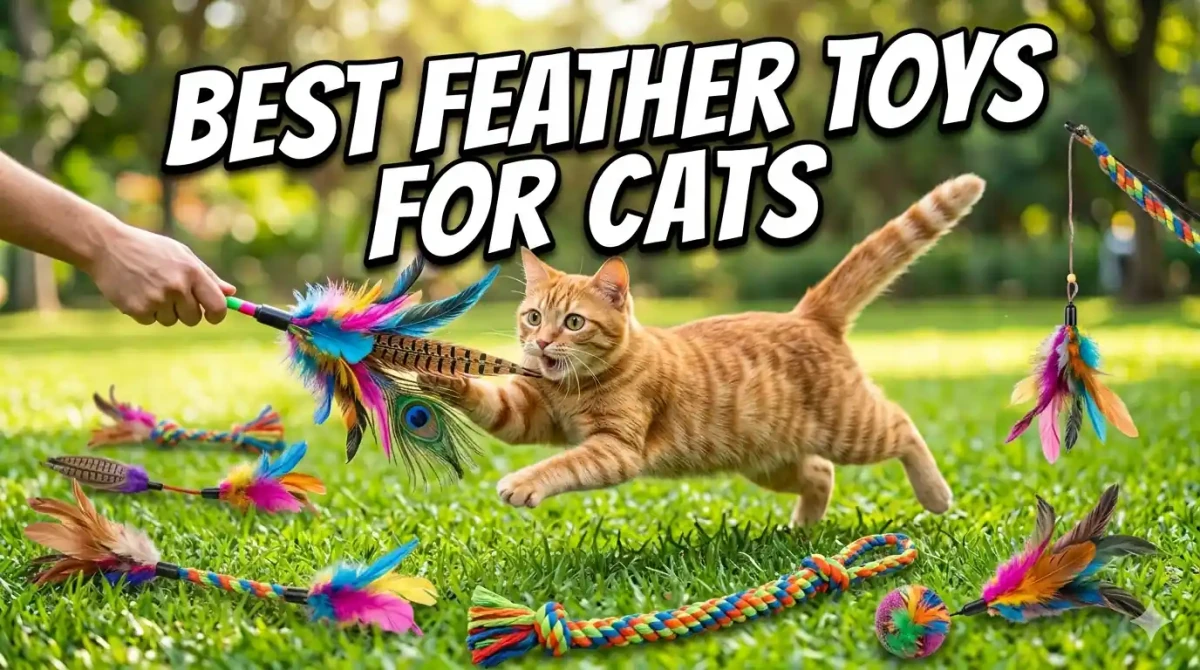
Introduction to Cat Feather Toys
Feather toys represent one of the most effective and universally loved categories of cat entertainment, tapping directly into feline hunting instincts and providing exceptional interactive play opportunities. The best feather toys for cats combine natural materials, engaging movement, and durable construction to create irresistible prey simulations that keep cats physically active, mentally stimulated, and emotionally satisfied. Understanding what makes quality feather toys helps pet parents select products that provide safe, long-lasting entertainment while strengthening the bond between cats and their human companions.
From playful kittens to senior cats, felines of all ages respond instinctively to the sight, sound, and movement of feathers. The erratic fluttering motion mimics wounded birds or small prey, triggering the predatory sequence of stalk, chase, pounce, and capture that forms the foundation of feline behavior. Interactive feather toys allow owners to participate in this natural play pattern, providing exercise, mental enrichment, and relationship building all in one engaging activity.
This comprehensive guide explores everything you need to know about selecting the best feather toys for cats, from understanding material safety and construction quality to matching toys with your cat age, activity level, and play preferences. Whether you have a high-energy Bengal who needs intense hunting simulation or a gentle senior cat who enjoys leisurely batting, choosing appropriate feather toys ensures safe, enjoyable play that supports physical health, mental wellbeing, and behavioral satisfaction.
Benefits of Feather Toys for Cats
Feather toys offer numerous advantages that extend far beyond simple entertainment, making them essential tools for comprehensive feline care and enrichment. Understanding these benefits helps pet parents appreciate why feather toys deserve prominence in their cat toy collection.
What are the main benefits of feather toys for cats?
Physical exercise and weight management represent primary benefits of interactive feather toy play. Active chasing, jumping, and pouncing during feather toy sessions provide cardiovascular workout that helps maintain healthy weight, build muscle tone, and support joint flexibility. Regular play sessions can burn significant calories, particularly important for indoor cats who lack natural hunting opportunities and may be prone to obesity. Just fifteen to twenty minutes of active feather toy play twice daily can provide substantial physical benefits comparable to outdoor hunting behaviors.
Mental stimulation and instinctual satisfaction address crucial psychological needs that many indoor cats lack. Feather toys engage the complete predatory sequence, allowing cats to express natural hunting behaviors in safe, controlled ways. This mental enrichment prevents boredom-related problems including destructive scratching, excessive vocalization, and anxiety. Cats who receive regular interactive play typically display lower stress levels, better behavior, and improved overall temperament.
Bonding and relationship strengthening occur naturally during interactive feather toy sessions. The shared experience of play builds trust, improves communication, and creates positive associations between cats and their owners. Regular play sessions demonstrate your commitment to your cat wellbeing while providing opportunities to learn your cat preferences, personality, and unique play style. This enhanced relationship translates to better cooperation during veterinary visits, grooming, and other necessary care activities.
Types of Feather Toys Available

The feather toy market offers diverse options designed for different play styles, cat preferences, and owner interaction levels. Understanding the various types helps you select the most appropriate toys for your individual cat needs and lifestyle.
What types of feather toys are best for different cats?
Wand toys with feather attachments represent the most popular and versatile feather toy category. These toys feature long handles, typically eighteen to thirty-six inches, with feathers attached via string, wire, or elastic to the end. Wand toys allow owners to create varied movement patterns including fluttering, darting, hovering, and dragging that simulate different prey behaviors. The extended handle keeps hands safely away from enthusiastic claws and teeth while providing excellent control over play intensity and direction. Wand toys suit cats of all ages and activity levels, with adjustable play speed accommodating both energetic kittens and sedentary seniors.
Teaser poles with multiple feathers feature several feather attachments that create complex, unpredictable movement patterns. These toys often include bells, beads, or ribbons alongside feathers for enhanced sensory stimulation. The multiple attachment points create chaotic movement that particularly appeals to cats who enjoy challenging, fast-paced play. Teaser poles work well for high-energy cats who may become bored with simpler toys and need varied stimulation to maintain interest.
Fishing pole style toys with feather lures combine long retractable or fixed poles with feather attachments designed to mimic insects or small birds. These toys often feature spring mechanisms that create bouncing, erratic movement when touched. Fishing pole toys excel at simulating prey that jumps or flutters unpredictably, appealing to cats who prefer aerial hunting challenges. The extended reach allows play in various locations including under furniture or around corners.
Hanging feather toys with springs mount to doorways, cat trees, or wall brackets, providing independent play options when owners are unavailable. These toys feature feathers suspended from elastic cords or springs that bounce and sway when bats. While not replacing interactive play, hanging feather toys offer supplemental entertainment and exercise for cats who enjoy solo batting and pouncing.
Safety Considerations for Feather Toys

Safety must be the primary concern when selecting and using feather toys for cats. Understanding potential hazards and how to mitigate them ensures your cat enjoys feather toys without unnecessary risks.
What safety factors should you consider with feather toys?
Feather source and treatment significantly impacts toy safety. Natural feathers from reputable suppliers should be cleaned, sanitized, and free from harmful chemicals or dyes. Avoid toys with feathers from unknown sources that may carry parasites, bacteria, or chemical residues. Some manufacturers use synthetic feathers made from safe materials that eliminate concerns about natural feather allergens or contaminants while still providing attractive movement and texture. Always select toys from trusted brands that prioritize pet safety and quality control.
Attachment security prevents choking hazards and intestinal blockages. Examine how feathers connect to strings, wires, or handles, ensuring connections are tight, reinforced, and resistant to pulling. Loose feathers or poorly secured attachments can detach during play and be swallowed, potentially causing serious health emergencies. High-quality feather toys feature double-knotted connections, reinforced stitching, or secure clasp mechanisms that withstand enthusiastic play without releasing components.
String and cord safety requires careful attention as these components pose strangulation and intestinal blockage risks if ingested. Select toys with appropriate cord thickness that resists breaking but does not wrap tightly around limbs or necks. Avoid toys with extremely thin strings that can cut into skin or be easily swallowed. Never leave cats unsupervised with wand toys, as strings can wrap around bodies or be chewed and ingested when owners are not present to monitor play.
Choosing the Right Feather Toy for Your Cat

Matching feather toys to your cat individual characteristics ensures maximum engagement and enjoyment while maintaining appropriate challenge and safety levels.
How do you choose the best feather toy for your cat?
Age and activity level should guide your feather toy selection. Kittens and young cats under two years typically prefer fast-paced, erratic movement that challenges their developing hunting skills. Choose wand toys with multiple feathers, bells, or ribbons that create complex movement patterns. The toy should move quickly enough to maintain interest but not so fast that it frustrates young cats still developing coordination.
Adult cats between two and ten years benefit from varied feather toys that prevent boredom and maintain engagement. Rotate between different styles including simple single-feather wands for focused hunting simulation and multi-feather teasers for chaotic, challenging play. Observe your cat preferences, noting whether they prefer aerial prey simulation or ground-based hunting, and select toys that match these inclinations.
Senior cats over ten years may prefer slower, more predictable movement that accommodates reduced mobility and energy levels. Choose feather toys with gentler motion and lighter feathers that do not require extreme jumping or acrobatics. Shorter play sessions with appropriate toys help maintain senior cat physical health and mental sharpness without causing exhaustion or joint stress.
Material Quality and Construction

The materials used in feather toy construction directly impact safety, durability, and overall value. Understanding material differences helps you make informed purchasing decisions.
What materials make the best feather toys?
Natural feathers from pheasant, peacock, rooster, or turkey provide authentic texture, movement, and visual appeal that strongly triggers hunting instincts. Quality natural feathers should be cleaned, sanitized, and ethically sourced from suppliers who prioritize animal welfare. Look for toys featuring whole feathers rather than trimmed or processed pieces, as intact feathers provide more realistic movement and longer lifespan. Natural feathers may require more careful handling and storage to prevent damage but offer superior appeal to most cats.
Synthetic feathers made from safe plastics or fibers provide consistent quality, durability, and hypoallergenic properties that benefit cats with sensitivities. Modern synthetic feathers can closely mimic natural feather movement while offering advantages including resistance to breakage, easier cleaning, and elimination of concerns about parasites or allergens. High-quality synthetic feathers maintain their shape and color through extensive play, providing excellent value for cats who play vigorously.
Handle and wand construction affects both safety and play experience. Wooden handles should be smooth, splinter-free, and finished with non-toxic sealants. Plastic handles must be made from BPA-free, pet-safe materials that do not crack or break under pressure. Metal components should be rust-resistant and covered or designed to prevent injury if contacted during enthusiastic play. The handle should provide comfortable grip for extended play sessions while maintaining appropriate weight and balance.
Interactive Play Techniques

Maximizing the benefits of feather toys requires understanding effective play techniques that engage your cat while maintaining safety and preventing overstimulation.
How do you play effectively with feather toys?
Prey simulation techniques create realistic hunting scenarios that fully engage your cat predatory instincts. Move the feather toy in erratic, unpredictable patterns that mimic wounded birds or fleeing prey including sudden stops, quick direction changes, hovering, and darting movements. Allow your cat to successfully capture the toy periodically, ending each capture with a moment of stillness that simulates a caught prey item. This completion of the hunting sequence provides psychological satisfaction and prevents frustration.
Session duration and frequency should balance exercise benefits with preventing overexertion or obsession. Most cats benefit from two to three fifteen-minute play sessions daily, though individual needs vary based on age, health, and energy level. Watch for signs of fatigue including heavy panting, slowing pace, or lying down, and end sessions before your cat becomes exhausted. Consistent daily play provides better results than occasional marathon sessions.
Ending play sessions appropriately prevents behavioral problems and maintains toy appeal. Always conclude with a successful capture, allowing your cat to hold and bat the toy for a moment before putting it away. This positive ending prevents frustration and maintains enthusiasm for future play. Never allow play to escalate into aggression or overstimulation, ending sessions immediately if your cat becomes too rough or excited.
Maintenance and Storage

Proper maintenance extends feather toy lifespan while ensuring continued safety and hygiene for your cat.
How do you maintain and store feather toys?
Regular inspection prevents accidents by identifying wear before it becomes dangerous. Examine feather toys before each use, checking for loose feathers, frayed strings, cracked handles, or weakened connections. Remove toys showing any signs of damage immediately, as broken components pose choking and injury hazards. Even high-quality feather toys have finite lifespans and require replacement when they show deterioration.
Cleaning feather toys removes saliva, dirt, and bacteria that accumulate during play. Natural feather toys should be gently wiped with damp cloth and mild pet-safe cleaner, then air dried completely before storage. Avoid soaking natural feathers as this can damage structure and promote bacterial growth. Synthetic feather toys can be washed more thoroughly with mild soap and water, rinsed well, and air dried. Never use harsh chemicals, bleach, or strong detergents that may leave harmful residues.
Proper storage prevents damage and maintains toy appeal between play sessions. Store feather toys in sealed containers or bags that protect from dust, moisture, and pests while preventing cat access when not in supervised play. Hanging storage keeps feathers from being crushed and maintains their shape. Never leave wand toys accessible to cats when not in use, as unsupervised play with strings and small components creates serious safety risks.
Common Mistakes to Avoid

Even well-intentioned cat owners can make errors when selecting or using feather toys. Avoiding these pitfalls ensures safe, enjoyable play.
What mistakes should you avoid with feather toys?
Leaving cats unsupervised with wand toys creates serious safety hazards. String components can wrap around limbs, necks, or bodies causing injury or strangulation. Cats may chew and swallow feathers, strings, or small attachments leading to intestinal blockages requiring emergency surgery. Always actively participate in feather toy play and store toys securely out of reach when sessions end. Wand toys are interactive tools, not independent chew toys.
Overstimulating your cat during play can lead to aggression, anxiety, or behavioral problems. Watch for signs including dilated pupils, flattened ears, tail lashing, or aggressive biting that indicate your cat has become overexcited. End play sessions before reaching this point, keeping interactions positive and controlled. If your cat becomes overstimulated, stop play immediately and allow time to calm down before attempting future sessions.
Using feathers to tease without allowing captures creates frustration and may cause your cat to lose interest in play. While challenging movement maintains engagement, cats need periodic success to feel satisfied. Allow your cat to catch the toy regularly, providing the psychological reward of successful hunting. Balance challenge with achievement to maintain enthusiasm and prevent discouragement.
Playing too roughly or allowing hands to become targets teaches inappropriate behavior. Never use your hands as part of the toy or allow your cat to bite or scratch skin during play. Always maintain distance between your body and the toy, using the wand length to keep hands safe. If your cat does mouth skin, immediately stop play and withdraw attention to teach boundaries.
Feather Toys for Different Cat Personalities

Cats have distinct play personalities that influence toy preferences and play styles. Matching toys to personality types maximizes engagement and enjoyment.
What feather toys suit different cat personalities?
High-energy hunters including Bengals, Abyssinians, and young active cats require fast-paced, challenging feather toys that match their intensity. Choose wand toys with multiple feathers, ribbons, or attachments that create chaotic, unpredictable movement. These cats benefit from longer play sessions with varied techniques including high jumps, quick direction changes, and aerial simulations that fully engage their athletic abilities and hunting drive.
Moderate players including most domestic shorthairs and mixed breeds enjoy balanced play with moderate challenge. These cats appreciate variety in feather toys including both simple single-feather wands for focused hunting and multi-feather teasers for varied stimulation. Play sessions of ten to fifteen minutes with mixed movement patterns typically satisfy moderate players without causing exhaustion or boredom.
Gentle players including senior cats, some purebreds like Persians, or cats with limited mobility prefer slower, more predictable feather toy movement. Choose toys with lighter feathers that flutter gently rather than dart erratically. Shorter play sessions of five to ten minutes with ground-based movement that does not require extreme jumping accommodate physical limitations while still providing mental stimulation and gentle exercise.
Feather Toys for Kittens

Kittens have unique developmental needs requiring special consideration when selecting and using feather toys. Understanding kitten-specific requirements ensures safe, developmentally appropriate play.
What should you consider when choosing feather toys for kittens?
Lightweight construction prevents injury to developing bodies and encourages confident play. Kittens have less strength and coordination than adult cats, requiring feather toys that move easily and do not require extreme effort to chase or capture. Choose toys with smaller, lighter feathers and shorter wands that kittens can manage comfortably without becoming frustrated or exhausted.
Gentle play techniques protect developing joints and prevent overexertion. Kittens have abundant energy but limited endurance, requiring frequent rest breaks during play sessions. Keep kitten play sessions to five to ten minutes with opportunities to rest, watching for signs of fatigue including slowing pace or lying down. Never force continued play when kittens show tiredness, as overexertion can cause injury or create negative associations with play.
Supervision becomes especially critical with kittens who are learning appropriate play boundaries and may not understand their own strength. Never leave kittens alone with feather toys, as they may chew strings, swallow feathers, or become tangled in components. Use feather toy sessions as training opportunities to teach bite inhibition, appropriate play behavior, and response to commands that will serve them throughout life.
Frequently Asked Questions

Are feather toys safe for all cats?
Feather toys are generally safe for cats when used appropriately with proper supervision and maintenance. However, safety depends on selecting quality toys from reputable manufacturers, inspecting toys regularly for damage, and never leaving cats unsupervised with wand-style feather toys. Cats who aggressively destroy toys or ingest foreign objects may require alternative play options or extremely close monitoring. Always match toy complexity and intensity to your cat age, health status, and play style. Consult your veterinarian if you have concerns about your cat specific safety needs or if your cat has health conditions that may affect play safety.
How often should you replace feather toys?
Feather toys should be replaced as soon as they show signs of wear including broken or missing feathers, frayed strings, loose attachments, or damaged handles. For cats who play daily, this may mean replacement every few weeks to months depending on toy quality and play intensity. Aggressive players may destroy feather toys more quickly requiring very frequent replacement. Always prioritize safety over economy, removing damaged toys immediately regardless of how recently they were purchased. Regular inspection before each use helps identify when replacement becomes necessary to prevent injury or ingestion hazards.
Can feather toys replace other forms of exercise?
Feather toys provide excellent interactive exercise but should complement rather than replace other enrichment activities. While feather toy play offers cardiovascular workout and mental stimulation, cats also benefit from independent play with other toys, climbing opportunities on cat trees, puzzle feeders, and environmental enrichment. A comprehensive exercise program includes varied activities that address physical, mental, and instinctual needs. Interactive feather toy play should form a core component of daily exercise but works best as part of a diverse enrichment strategy that prevents boredom and promotes overall wellbeing.
What should you do if your cat loses interest in feather toys?
Cats may temporarily lose interest in feather toys due to boredom, overuse, or changing preferences. Rotate feather toys regularly, storing some away for several weeks before reintroducing them to renew interest. Try different movement techniques, play times, or locations to refresh the experience. Introduce new feather toy styles with different feathers, colors, or attachments to provide novelty. Ensure play sessions remain positive and rewarding, ending with successful captures. If interest does not return after trying these strategies, consult your veterinarian to rule out health issues that may affect energy or enthusiasm.
Are natural feathers better than synthetic feathers?
Both natural and synthetic feathers offer advantages depending on your cat needs and your priorities. Natural feathers provide authentic texture, movement, and visual appeal that strongly triggers hunting instincts in most cats. However, they may trigger allergies in sensitive individuals, require more careful maintenance, and can be damaged more easily. Synthetic feathers offer durability, consistency, hypoallergenic properties, and easier cleaning while modern manufacturing creates realistic movement and appearance. The best choice depends on your cat preferences, any sensitivities, and your maintenance capabilities. Many cats enjoy both types, and rotating between natural and synthetic feathers can provide variety.
How long should feather toy play sessions last?
Most cats benefit from feather toy play sessions lasting ten to fifteen minutes, though duration should be adjusted based on individual age, health, and energy level. Kittens and senior cats may need shorter sessions of five to ten minutes with rest breaks, while young active cats may enjoy fifteen to twenty minute sessions. Watch for signs of fatigue including heavy panting, slowing pace, or lying down, and end sessions before your cat becomes exhausted. Multiple shorter sessions throughout the day typically provide better results than one long session. Quality of play matters more than duration, with engaged, interactive sessions providing maximum benefits.
Conclusion

Selecting the best feather toys for cats requires careful consideration of material quality, construction safety, and your individual cat needs and preferences. When chosen appropriately and used with proper supervision, feather toys provide exceptional value through physical exercise, mental stimulation, instinctual satisfaction, and relationship strengthening that enhances your cat overall quality of life.
Remember that feather toys are interactive tools requiring active participation, not independent playthings. Responsible pet ownership means supervising all feather toy sessions, inspecting toys regularly for wear, storing them securely when not in use, and replacing them promptly when damage appears. Never compromise safety for convenience or cost, as the risks of unsupervised feather toy access far outweigh any benefits.
By following the guidelines in this comprehensive guide, you can confidently select feather toys that provide safe, enjoyable play while supporting your cat physical health, mental wellbeing, and natural hunting instincts. Quality feather toys represent worthwhile investments in your cat happiness and health, delivering countless hours of interactive fun and strengthening the special bond between you and your feline companion when used responsibly and with love.
🐱 আরও পড়ুন: Cat Accessories and Toys

0 Comments