.png)
Best Dog Toys for Boredom and Mental Stimulation Guide
Quick Summary and Direct Answer
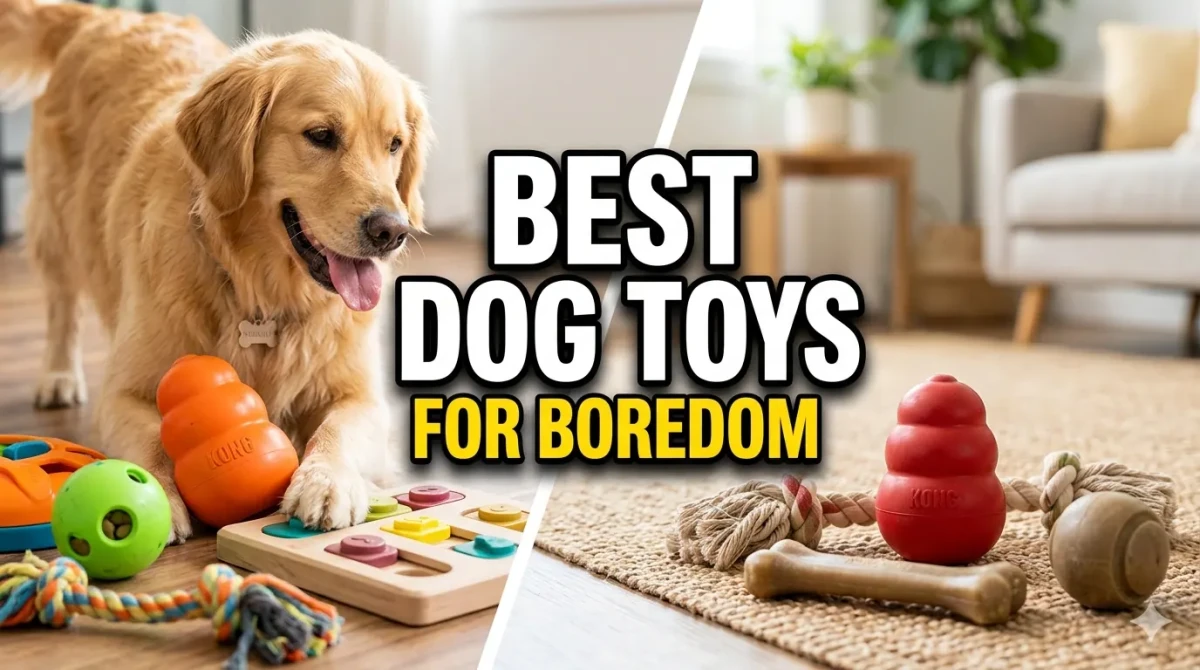
The best dog toys for boredom combine durable construction, interactive design, and safe materials that encourage natural chewing and problem solving. Experts commonly recommend rotating between puzzle feeders, treat dispensing balls, and tug accessories to maintain long term engagement.
Dogs typically need twenty to forty minutes of structured play daily to prevent destructive habits. You should select toys based on your dog life stage and chewing strength. Puppies require softer rubber that protects developing teeth. Adult dogs handle thicker nylon and heavy duty rubber. Senior pets benefit from lighter plush and low impact puzzles.
Investing in a mix of budget and premium options ensures continuous novelty without overspending. Start with two to three interactive pieces and rotate them every four days. Consult a veterinarian if your pet shows signs of dental distress or sudden aggression during play.
Key Data and Quick Reference Tables
The table below outlines toy categories, ideal usage frequency, and average cost ranges. This data helps you plan a sustainable enrichment routine without guesswork.
| Toy Category | Best For | Daily Play Time | Average Cost USD |
|---|---|---|---|
| Interactive Puzzle Feeders | Mental stimulation and slow feeding | 15 to 30 minutes | 12 to 45 USD |
| Rubber Chew Toys | Dental health and heavy chewing | 20 to 40 minutes | 8 to 35 USD |
| Plush and Tug Toys | Comfort and bonding exercises | 10 to 20 minutes | 6 to 25 USD |
| Automatic Ball Launchers | High energy breeds and outdoor play | 20 to 30 minutes | 40 to 120 USD |
| Snuffle Mats and Fabric Rollers | Scent tracking and indoor enrichment | 10 to 25 minutes | 15 to 50 USD |
| Life Stage | Recommended Material | Supervision Level | Replacement Timeline |
|---|---|---|---|
| Puppy under 6 months | Soft silicone and rubber | High supervision required | Every 2 to 4 weeks |
| Adult 1 to 7 years | Natural rubber and dense nylon | Moderate supervision | Every 3 to 6 months |
| Senior over 7 years | Lightweight fabric and soft foam | Low supervision with dental checks | Every 2 to 4 months |
Understanding Boredom and Behavioral Triggers

Canine boredom often stems from insufficient mental engagement rather than lack of physical exercise. Dogs are naturally curious animals with strong problem solving instincts. When these instincts remain unused, anxiety and destructive chewing commonly develop.
Environmental enrichment directly reduces stress markers in domestic pets. Studies based on widely accepted veterinary behavior standards show that structured play sessions may help lower cortisol levels. You should observe your dog daily for pacing, excessive barking, or furniture chewing.
Early intervention prevents habit formation. A consistent routine with varied toy types keeps neural pathways active. You do not need expensive equipment to start. Simple household safe items combined with professional grade toys create a balanced play environment.
Pet Type and Breed Overview

Different breeds carry distinct energy levels and historical working purposes. Herding breeds like border collies and shepherds require complex puzzles that mimic decision making tasks. Terrier breeds benefit from digging mats and squeaker toys that satisfy prey drive instincts.
Companion breeds such as pugs or shih tzus prefer gentle plush toys and low impact fetch games. Larger working dogs like labradors and retrievers need heavy duty rubber that withstands persistent chewing. Matching toy difficulty to breed traits prevents frustration.
Always consider your individual dog personality alongside breed generalizations. Some retrievers enjoy quiet sniffing games while some terriers prefer calm cuddle toys. You should test two or three options before committing to a specific category.
Safe Materials and Toxicity Guidelines

Material safety remains the highest priority when selecting enrichment items. Widely accepted pet care standards recommend avoiding products containing bisphenol A, phthalates, and unverified synthetic dyes. Natural rubber and food grade silicone are commonly recommended for chew toys.
Plush toys should feature double stitched seams and hidden zipper closures. You must inspect fabric toys weekly for loose threads or exposed stuffing. Swallowing internal materials commonly leads to gastrointestinal blockages that require emergency veterinary care.
Look for products tested by independent safety laboratories. Many reputable brands publish material certificates on their official websites. When in doubt, consult your veterinarian about specific brand recommendations for your pet health profile.
Dietary Integration with Puzzle Toys

Feeding through puzzle toys transforms mealtime into structured enrichment. This practice slows down rapid eaters and reduces bloating risk in deep chested breeds. You should adjust portion sizes to prevent overfeeding when using treat dispensing accessories.
Calculate daily calorie intake before loading puzzle feeders. If your dog requires two cups of kibble daily, divide that amount equally between the bowl and the toy. This maintains nutritional balance while extending feeding duration.
Use low calorie training treats for puzzle loading. Standard biscuits often contain excess fat that accumulates quickly. Freeze dry liver pieces and vegetable based rewards provide strong scent appeal without heavy calories. Always verify ingredient safety with your veterinarian.
Health and Preventive Care Through Play

Regular interactive play supports joint mobility and cardiovascular health. Gentle tugging and fetch games stimulate muscle development without excessive strain. Senior dogs benefit from controlled indoor games that maintain flexibility during colder months.
Dental hygiene improves significantly with textured rubber toys. Grooved surfaces scrape plaque from hard to reach molars. You should combine toy chewing with weekly tooth brushing routines. This dual approach may help prevent costly periodontal disease later in life.
Monitor play sessions for signs of gum irritation or broken tooth fragments. Excessive drooling during chewing warrants immediate toy removal. Contact a licensed veterinarian if you notice bleeding gums or sudden food refusal after intense play.
Training and Behavior Guidance

Teaching your dog to interact with new toys requires patience and positive reinforcement. Never force a pet to engage with unfamiliar objects. Start by placing the toy near their resting area and adding a small treat on top.
Follow this step by step introduction routine. Step one involves passive observation for three to five days. Step two adds gentle encouragement with calm praise. Step three introduces brief ten second play sessions. Gradually increase duration based on comfort levels.
Consistency remains essential for long term success. Use the same verbal cue for each toy type. Rotate accessories every four to five days to preserve novelty value. This method commonly reduces resource guarding and separation anxiety in household environments.
Accessories and Tools for Extended Play

Supporting tools enhance standard toy functionality and extend lifespan. Storage bins with ventilation prevent rubber degradation from moisture accumulation. You should keep chew toys separate from plush items to avoid cross contamination.
Cleaning accessories like pet safe enzymatic sprays remove saliva buildup efficiently. Dishwasher safe toys should run through a gentle cycle weekly. Hand wash plush items using mild detergent to preserve fabric integrity and scent appeal.
Leash attachments and tether systems secure rolling toys during outdoor sessions. These accessories prevent toys from rolling under vehicles or into drainage areas. Always inspect tether hardware for rust or sharp edges before attaching to a collar.
Budget versus Premium Product Comparison

Entry level toys priced under fifteen USD provide excellent starting options for casual players. These items commonly feature basic rubber or lightweight fabric construction. They suit low intensity breeds or temporary enrichment phases during travel.
Mid range products between twenty and forty USD offer reinforced stitching and moderate durability. These selections balance cost and longevity for average household pets. Many include replaceable components that reduce long term replacement expenses.
Premium toys exceeding forty five USD utilize aerospace grade rubber and advanced puzzle mechanisms. Heavy chewing breeds and highly motivated dogs typically require this durability tier. While initial costs remain higher, premium options often last two to three times longer than budget alternatives.
Common Mistakes Pet Owners Make

Many owners leave toys accessible twenty four hours daily. Constant availability rapidly diminishes novelty value and increases boredom thresholds. Rotate your collection systematically to maintain high engagement levels throughout the month.
Another frequent error involves ignoring size compatibility. Small toys pose severe choking hazards for large breeds. Oversized items cause jaw strain in smaller dogs. Always match toy dimensions to your dog mouth width and bite force.
Purchasing based solely on marketing claims leads to poor investment outcomes. Bright colors and loud squeakers do not guarantee durability or safety. Read verified customer feedback and consult breed specific forums before finalizing purchases.
Expert Tips from Veterinary and Behavioral Standards

Based on common veterinary practices, you should conduct monthly health inspections during toy play sessions. Check for wear patterns, loose pieces, and color fading that indicate material breakdown. Early detection prevents accidental ingestion incidents.
Combine physical exercise with mental enrichment for optimal results. A tired dog learns faster and retains calm behavior longer. Aim for thirty minutes of active movement followed by fifteen minutes of puzzle solving. This sequence aligns with natural canine energy cycles.
Document toy preferences in a simple journal. Note duration of interest, destructive tendencies, and cleaning frequency. Over time, this data reveals purchasing patterns that save money and improve pet satisfaction. Share findings with your groomer or trainer for additional insights.
Frequently Asked Questions

How often should I replace dog enrichment toys
Replace damaged toys immediately to prevent safety hazards. Budget items commonly require replacement every three to six weeks. Premium rubber and nylon pieces typically last three to eight months depending on chewing intensity. Inspect items weekly for structural integrity.
Are automatic ball launchers safe for indoor use
Automatic launchers work best in spacious rooms with clear sightlines. You must remove fragile decor and secure loose rugs to prevent slips. Smaller breeds may experience joint stress from repeated jumping. Limit sessions to ten minutes and provide ample rest periods.
Can puzzle toys replace professional training
Enrichment toys support training but do not replace structured obedience programs. They reinforce focus and impulse control during daily routines. Combine puzzle play with positive reinforcement commands for comprehensive behavioral development. Consult certified trainers for complex behavior modification.
What materials should I avoid completely
Avoid toys containing recycled industrial plastics and unverified chemical coatings. BPA and phthalates remain common concerns in low quality manufacturing. Choose products labeled food safe or veterinary approved. When uncertain, request material safety documentation directly from manufacturers.

0 Comments