.png)
Quick Summary and Direct Answer
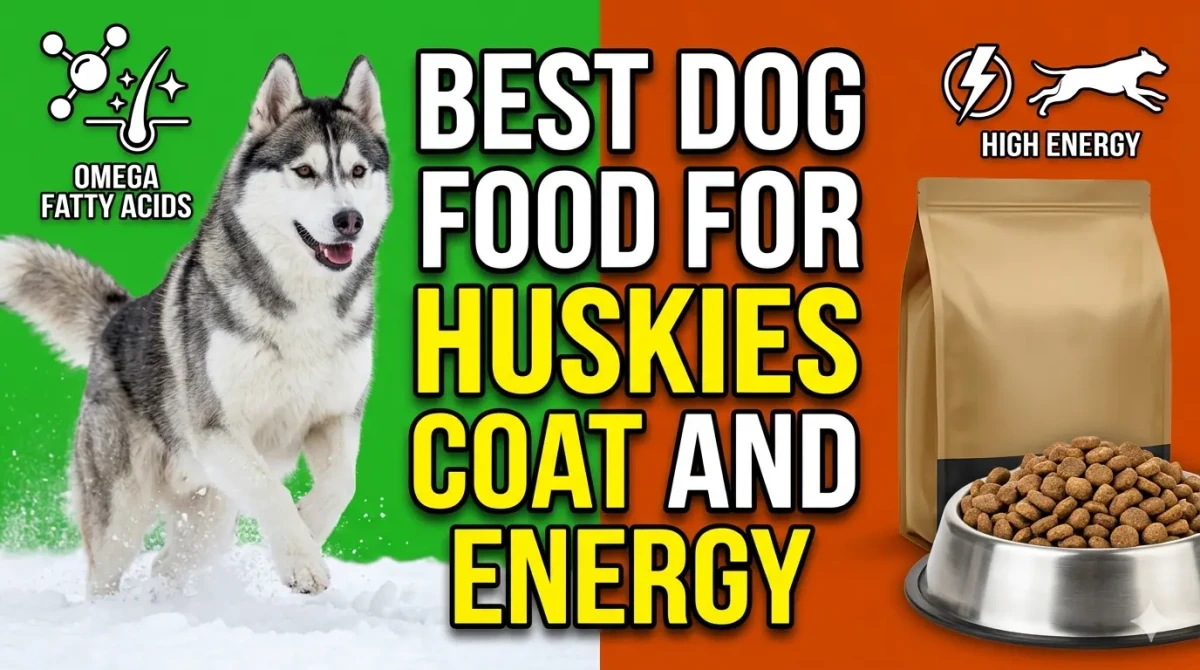
The best dog food for Huskies focusing on coat health and high energy combines elevated protein levels, omega three and six fatty acids, and calorie dense formulations that support the breed's thick double coat and demanding activity requirements. Experts commonly recommend AAFCO approved formulas with twenty four to thirty percent protein, fifteen to twenty percent fat, and fish oil or flaxseed for coat support fed in measured portions based on activity level.
Most Huskies benefit from life stage appropriate feeding schedules that address their working breed heritage and distinctive double coat maintenance needs. Husky puppies require large breed formulas with controlled calcium for skeletal development alongside DHA for coat quality. Adult Huskies need high energy nutrition with elevated protein and omega fatty acids to maintain coat shine and fuel active lifestyles. Senior Huskies benefit from joint support compounds alongside coat and energy nutrients. Always consult a veterinarian before selecting food for Huskies with known health conditions, allergies, or mobility concerns.
Investing in breed appropriate nutrition throughout a Husky's life may help maintain coat quality, support sustained energy, and prevent common health issues. Start with veterinarian recommended active breed formulas that publish ingredient sourcing and feeding trial results. Monitor your Husky coat condition, energy levels, and body condition score monthly and adjust portions based on activity rather than package guidelines alone. Contact a veterinarian if your Husky shows signs of coat dullness, lethargy, weight changes, or digestive intolerance following diet transitions.
Key Data and Quick Reference Tables
The table below outlines Husky nutritional requirements for coat health and high energy by life stage, feeding frequencies, and product cost ranges. This data helps you plan a sustainable nutrition strategy without guesswork.
| Life Stage | Target Protein Percentage | Fat Content Range | Average Cost USD per lb |
|---|---|---|---|
| Puppy 8 weeks to 18 months | 24 to 28 percent large breed active formula | 14 to 18 percent | 1.50 to 4.00 |
| Adult 18 months to 7 years | 26 to 30 percent high energy formula | 15 to 20 percent | 1.75 to 4.25 |
| Senior 7 years and older | 22 to 26 percent senior active formula | 12 to 16 percent | 2.00 to 4.50 |
| Health Focus | Key Nutrients | Recommended Daily Amount | Common Food Sources |
|---|---|---|---|
| Coat Health | Omega 3 Omega 6 Vitamin E Biotin | 400 mg omega 3 per 40 lbs body weight | Fish oil, flaxseed, salmon meal, eggs |
| High Energy Support | High Protein Complex Carbs B Vitamins | 26 to 30 percent protein minimum | Chicken meal, lamb, brown rice, sweet potato |
| Double Coat Maintenance | Zinc Selenium Linoleic Acid | 140 mg zinc per kg of food minimum | Beef, poultry, fish, whole grains |
| Joint And Muscle Support | Glucosamine L Carnitine Taurine | 50 mg L carnitine per 20 lbs body weight | Chicken fat, fish meal, added supplements |
Understanding Husky Coat And Energy Nutritional Needs

Huskies possess breed specific traits that significantly impact coat health and energy requirements. Widely accepted veterinary nutrition standards emphasize that the Siberian Husky's distinctive double coat requires specialized fatty acid support while their working breed heritage demands elevated protein and fat for sustained activity.
The Husky double coat consists of a dense undercoat for insulation and longer guard hairs for weather protection. Maintaining this coat structure requires consistent intake of omega three and six fatty acids that support skin barrier integrity and follicle health. You should prioritize formulas disclosing both omega values for accurate ratio assessment.
Husky energy needs reflect their historical role as endurance sled dogs. Modern companion Huskies still require substantial calories to support active lifestyles including running, hiking, and play. This breed commonly thrives on formulas with twenty six to thirty percent protein and fifteen to twenty percent fat that provide sustained energy without rapid glucose spikes.
Early intervention through appropriate diet may help maintain coat quality and energy balance throughout life. A consistent routine with breed appropriate nutrition keeps your Husky comfortable and active. You do not need prescription diets to start for healthy Huskies. Simple active breed formulas combined with omega fatty acid support create balanced nutrition that satisfies coat and energy needs while respecting working breed physiology.
Essential Nutrients For Husky Coat Health

Omega three and six fatty acids form the cornerstone of coat health nutrition for Huskies. Widely accepted canine dermatology standards emphasize that these essential fats support skin barrier integrity, reduce inflammation during shedding cycles, and promote shiny dense fur growth characteristic of the breed.
Omega three fatty acids from fish oil, algae, or flaxseed provide anti inflammatory benefits that may help reduce seasonal shedding irritation. EPA and DHA specifically support cellular membrane health in skin and coat follicles. You should verify omega three content on food labels through guaranteed analysis panels listing minimum percentages of zero point three to zero point five percent.
Omega six fatty acids from chicken fat, sunflower oil, or safflower oil support coat shine and skin hydration. Balanced omega three to six ratios between one to five and one to ten optimize anti inflammatory effects without suppressing necessary immune responses for this active breed. You should select formulas disclosing both omega values for accurate ratio assessment.
Vitamin E and biotin provide antioxidant protection and support keratin production essential for strong healthy coat growth in Huskies. These nutrients work synergistically with fatty acids to maintain coat quality through heavy seasonal shedding cycles. You should verify inclusion of these vitamins on ingredient lists when selecting coat support formulas.
Zinc and selenium support skin barrier function and wound healing critical for Huskies prone to hot spots during shedding seasons. Adequate mineral levels help maintain skin integrity that resists secondary infections. You should consult your veterinarian about mineral supplementation if your Husky has recurrent skin issues despite appropriate nutrition.
High Energy Nutrition Strategies For Active Huskies

Protein levels significantly impact energy sustainability and muscle maintenance in active Huskies. Widely accepted canine sports nutrition standards emphasize that working and active breeds benefit from twenty six to thirty percent protein from high quality animal sources to support muscle repair and sustained activity.
Named animal proteins like chicken meal, lamb, salmon, or turkey provide complete amino acid profiles that support lean muscle development essential for Husky performance. You should prioritize formulas listing these proteins within the first three ingredients to ensure biological availability for energy production.
Fat content between fifteen and twenty percent provides concentrated energy that supports endurance activities common in Husky lifestyles. Moderate to high fat levels fuel prolonged activity without causing rapid energy crashes associated with high carbohydrate formulas. You should select formulas using named animal fats or fish oil preserved with natural tocopherols.
Complex carbohydrates from brown rice, oatmeal, or sweet potatoes provide sustained energy release that supports active Huskies during extended exercise sessions. These ingredients help maintain blood glucose stability without causing spikes that may lead to energy crashes. You should avoid formulas with high simple sugar content that may contribute to inconsistent energy patterns.
B vitamin complexes including B1, B2, B6, and B12 support energy metabolism by facilitating carbohydrate and fat conversion to usable fuel. These vitamins are particularly important for active Huskies with elevated energy demands. You should verify B vitamin inclusion on ingredient lists when selecting high energy formulas.
Reading Labels For Husky Coat And Energy Food Selection

Effective label reading for Husky nutrition begins with locating the AAFCO nutritional adequacy statement for growth, maintenance, or all life stages with active breed considerations. This certification indicates the formula meets minimum requirements for high energy dogs with coat health needs. You should verify this statement appears on packaging before considering other marketing claims.
Ingredient lists reveal protein quality and fatty acid sources through specific naming conventions important for Husky health. Prioritize foods listing named animal proteins like chicken meal or salmon within the first three ingredients. Avoid vague terms like meat meal that may contain inconsistent protein sources affecting energy delivery and coat nutrition.
Guaranteed analysis panels show minimum crude protein and fat percentages plus omega fatty acid levels. For Husky coat and energy needs target formulas with twenty six to thirty percent protein, fifteen to twenty percent fat, and omega three levels of zero point three to zero point five percent. You should contact manufacturers directly if guaranteed analysis lacks detail on functional ingredients.
Avoid foods containing artificial colors, flavors, or preservatives like BHA and BHT that may counteract nutritional benefits for Huskies with sensitive systems. Natural preservation with mixed tocopherols and rosemary extract commonly supports nutrient stability without compromising coat health or energy metabolism in active breed formulas.
Husky Puppy Nutrition Coat Development And Growth Support

Husky puppies require specialized nutrition supporting rapid coat development and skeletal growth during the first eighteen months of life. Widely accepted veterinary nutrition standards emphasize that early nutrient exposure influences lifelong coat quality and energy capacity in this working breed.
Protein levels for Husky puppies should range between twenty four and twenty eight percent from high quality animal sources to support muscle and coat follicle development. DHA omega three fatty acids specifically support neurological development that influences activity patterns and coat maintenance behaviors. You should verify DHA content through ingredients like fish oil or algae preserved with natural tocopherols.
Calcium and phosphorus ratios critically impact skeletal development in growing Huskies. Target large breed puppy formulas with one point zero to one point two to one mineral ratios to support proper bone growth without accelerating development that stresses joints. You should avoid supplementing puppy food with additional minerals unless directed by your veterinarian.
Feeding frequency for Husky puppies should begin with three meals daily from eight weeks to six months then transition to two meals daily from six months to eighteen months. This schedule supports steady nutrient delivery for coat and energy development without overwhelming developing digestive systems. You should measure portions using standardized cups and adjust based on body condition scoring.
Introduce varied textures gradually during puppyhood to build flexibility in food acceptance while maintaining primary nutrition from complete balanced formulas. You should use variety as a tool for long term feeding success without compromising nutritional consistency during critical growth phases.
Adult Husky Nutrition Coat Maintenance And Sustained Energy

Adult Huskies between eighteen months and seven years require nutrition that maintains their distinctive double coat while fueling active lifestyles common in the breed. Widely accepted veterinary sports nutrition standards emphasize that consistent nutrient intake supports seasonal coat cycles and sustained energy output.
Protein levels for adult Huskies should range between twenty six and thirty percent to maintain lean muscle mass with appealing taste profiles that support coat density. High quality animal proteins support muscle maintenance during regular exercise while moderate to high fat levels between fifteen and twenty percent provide energy without promoting weight gain in active dogs. You should select formulas listing named animal proteins within the first three ingredients.
Omega fatty acid supplementation significantly impacts coat quality in adult Huskies. Formulas containing fish oil, flaxseed, or algae provide omega three levels that reduce inflammation during shedding seasons and support skin barrier function. You should monitor coat condition when introducing omega rich formulas and allow eight to twelve weeks for visible improvements through shedding cycles.
Feeding frequency for adult Huskies should maintain two measured meals daily at consistent times. This schedule supports metabolic regulation and helps identify food related changes through consistent exposure patterns. You should remove uneaten food after twenty minutes to maintain routine structure and prevent grazing that complicates appetite assessment.
Adjust portions based on activity level rather than package guidelines alone. Active Huskies engaged in running, hiking, or working activities may require twenty to thirty percent more calories than sedentary companions. You should monitor body condition score monthly and adjust portions up or down by five percent increments based on visual and tactile assessment.
Senior Husky Nutrition Aging Coat And Energy Management

Senior Huskies seven years and older require nutrition addressing age related changes in coat quality, energy metabolism, and joint health. Widely accepted veterinary geriatric standards emphasize that proactive nutritional support may help maintain coat condition and appropriate energy levels in aging working breeds.
Coat support compounds including omega three fatty acids, vitamin E, and biotin help maintain skin barrier function and fur density in aging Huskies. Target senior formulas providing therapeutic levels of these nutrients rather than minimal inclusion. You should verify guaranteed analysis panels for specific nutrient amounts when selecting senior coat support formulas.
Energy management nutrients including moderate protein levels, controlled fat content, and B vitamin complexes may help maintain appropriate activity levels in senior Huskies with reduced exercise capacity. These compounds support metabolic efficiency without promoting weight gain in less active seniors. You should select senior formulas specifically formulated for active aging dogs when your Husky shows reduced stamina.
Joint support compounds including glucosamine, chondroitin, and omega three fatty acids help maintain mobility in aging Huskies whose activity levels depend on joint comfort. Target senior formulas providing five hundred milligrams glucosamine per fifty pounds body weight daily. You should verify guaranteed levels of joint support compounds rather than relying on marketing claims alone.
Protein levels for senior Huskies should range between twenty two and twenty six percent from highly digestible sources to maintain muscle mass and coat quality without stressing aging kidneys. Easily digestible proteins support nutrient absorption in seniors with reduced digestive efficiency. You should consult your veterinarian about protein levels if your senior Husky has kidney concerns.
Feeding Techniques And Portion Control For Huskies

Feeding technique significantly impacts nutrition effectiveness in Huskies with high energy needs. Widely accepted veterinary guidelines emphasize that structured feeding protocols support metabolic regulation and prevent weight fluctuations that may affect coat quality.
Use measured portions with standardized cups or digital scales to eliminate estimation errors. Weighing kibble provides greater accuracy than volume measurements which vary by density and settling. Divide the calculated daily amount into two meals and serve at consistent intervals to regulate hunger hormones and support energy stability.
Slow feed bowls and puzzle feeders extend meal duration and improve digestive efficiency by encouraging thorough chewing. Extended meal times stimulate digestive enzymes that support nutrient absorption essential for coat health and energy production. You should select mats or bowls appropriate for your Husky muzzle length and gradually introduce these tools to prevent frustration.
Adjust portions based on activity level rather than package guidelines alone. Active Huskies engaged in running, hiking, or working activities may require twenty to thirty percent more calories than sedentary companions. You should monitor body condition score monthly and adjust portions up or down by five percent increments based on visual and tactile assessment rather than scale weight alone.
Limit treats to ten percent of daily calorie intake and select high protein training rewards that align with Husky nutritional needs. Use freeze dried meat or single ingredient treats that provide nutrition without excess fillers. You should calculate treat calories into daily totals to prevent unintentional overfeeding that undermines coat and energy management goals.
Exercise Integration For Husky Coat And Energy Health

Structured exercise programs work synergistically with high energy nutrition to support coat health and metabolic function in Huskies. Widely accepted canine sports medicine standards emphasize age appropriate activity that promotes circulation essential for coat nutrient delivery while supporting energy balance.
Daily running or brisk walking routines provide foundational exercise for coat health and energy management in Huskies. Aim for forty five to sixty minutes of activity divided into two sessions daily for adult Huskies. You should adjust pace and duration based on your Husky current fitness level and gradually increase intensity as conditioning improves.
Swimming and water based exercises provide low impact conditioning that supports coat health through improved circulation while protecting joints. These activities are particularly beneficial for Huskies with existing joint concerns or during heavy shedding seasons. You should introduce water activities gradually and supervise all swimming sessions for safety.
Grooming integration with exercise supports coat health by removing loose undercoat and stimulating skin circulation. Brush your Husky two to three times weekly during non shedding seasons and daily during heavy shed periods. You should combine grooming sessions with post exercise cooling periods to maximize coat benefits.
Rest periods remain equally critical as active exercise for coat and energy health. Over exercising commonly triggers stress responses that may affect coat quality and nutrient utilization. You should balance activity with adequate rest and monitor your Husky energy levels to optimize nutrition and exercise protocols.
Health Monitoring And Preventive Care Through Husky Nutrition

Regular health monitoring during Husky feeding enables early detection of nutritional imbalances or health concerns requiring dietary adjustment. Widely accepted veterinary guidelines emphasize that proactive observation supports successful long term coat and energy outcomes for this active breed.
Coat and skin assessment provides objective data about nutrition effectiveness in Huskies. You should observe coat shine, density, and shedding patterns monthly. Increased dullness, patchy loss, or excessive itching may indicate nutritional gaps requiring formula evaluation. Document coat observations alongside feeding adjustments to identify optimal ingredient combinations.
Energy level monitoring provides insights into nutritional adequacy during feeding transitions. Active play, sustained stamina during exercise, and normal recovery patterns indicate healthy energy metabolism. Lethargy, rapid fatigue, or prolonged recovery may signal inadequate calorie intake or underlying health concerns requiring veterinary assessment.
Weight tracking provides objective data about nutritional balance during feeding transitions. Weigh your Husky monthly using the same scale and time of day. Document results in a simple journal to share with your veterinarian during wellness visits. This data driven approach commonly identifies nutritional concerns before they become significant health issues.
Regular veterinary wellness exams remain essential for Husky nutritional management. Schedule checkups at six month intervals for puppies, annually for adults, and bi annually for seniors to monitor coat health and adjust feeding plans. Early detection of coat or metabolic deviations allows timely intervention that may help prevent chronic conditions.
Common Mistakes Husky Owners Make With Coat And Energy Nutrition

Many Husky owners underestimate calorie needs for active dogs leading to inadequate energy support that may affect coat quality. This commonly results in dull coats, reduced stamina, and muscle loss. You should calculate portions based on your individual Husky activity level rather than package guidelines designed for average dogs.
Another frequent error involves switching foods frequently when observing minor coat changes or seasonal shedding. This commonly disrupts nutrient consistency and delays identification of true nutritional needs. You should allow eight to twelve weeks to assess a new coat support formula before making additional changes unless directed by your veterinarian.
Ignoring seasonal coat cycle changes while maintaining static feeding protocols commonly misses comprehensive management opportunities. Huskies experience heavy shedding twice yearly requiring adjusted nutrition support. You should increase omega fatty acid intake during shedding seasons and monitor coat condition closely during these transitions.
Supplementing balanced commercial Husky food with additional omega oils or vitamins commonly creates nutrient imbalances. Excess fatty acids or vitamins may interfere with absorption of essential compounds. You should consult your veterinarian before adding any supplements to complete and balanced Husky diets.
Budget versus Premium Husky Coat And Energy Food Comparison

Entry level Husky appropriate foods priced under one point five zero dollars per pound provide adequate nutrition meeting AAFCO minimum standards for coat and energy health. These options commonly feature poultry by product meals and grain based carbohydrates that deliver functional protein at accessible price points. They suit healthy Huskies with standard activity levels when fed according to veterinarian guidance.
Mid range products between one point five zero and three dollars per pound offer enhanced ingredient quality with named animal proteins, added omega fatty acids, and elevated protein content for active breeds. These selections balance cost and quality for average household Huskies with typical coat maintenance needs and moderate to high activity levels.
Premium Husky foods exceeding three dollars per pound utilize human grade meat sources, advanced omega formulations with clinical validation, and transparent ingredient sourcing. Huskies with demanding activity roles, coat concerns, or owner preference for premium nutrition commonly benefit from this tier. While initial costs remain higher, premium options may reduce long term veterinary expenses through preventive nutritional support for breed specific coat and energy needs.
Cost per feeding analysis often narrows the gap between price tiers when accounting for digestibility and portion requirements. Higher quality proteins and omega sources in premium brands may require smaller volumes to deliver equivalent coat and energy benefits compared to lower digestibility alternatives. You should calculate daily feeding costs based on measured portions rather than bag price alone to determine true economic value for your Husky.
Expert Tips From Veterinary And Breed Specific Standards

Based on common veterinary nutrition practices for Huskies, you should schedule coat and energy assessments at six, twelve, and eighteen month intervals to evaluate nutrition effectiveness. Early detection of coat changes or energy deviations allows timely dietary modification that may help prevent chronic conditions common in this active breed.
Combine appropriate Husky nutrition with regular grooming protocols for optimal coat health outcomes. A well nourished Husky with consistent brushing maintains coat quality and reduces shedding accumulation more effectively. Aim for weekly brushing sessions matching your Husky coat cycle while monitoring for skin changes during grooming.
Document feeding observations in a simple Husky health journal. Record brand, formula, portion sizes, coat condition ratings, energy levels, and weight trends monthly. Over time, this data reveals individual response patterns that optimize nutrition and exercise protocols. Share findings with your veterinarian during routine visits for personalized optimization insights regarding Husky specific coat and energy nutrition strategies.
Prioritize preventive nutrition over reactive treatment when managing Husky coat and energy health. Balanced nutrition supporting skin barrier function, sustained energy metabolism, and joint health provides lifelong wellness benefits that isolated interventions cannot achieve. You should emphasize consistent feeding protocols and consult professionals before modifying established nutrition plans for your Husky.
Frequently Asked Questions

How much protein do Huskies need for coat and energy health
Most adult Huskies benefit from twenty six to thirty percent protein from high quality animal sources to support coat density and sustained energy. Active Huskies engaged in running or working activities may require the higher end of this range. You should verify protein content on guaranteed analysis panels and consult your veterinarian about personalized targets based on your Husky activity level.
What is the best omega 3 source for Husky coat health
Fish oil from wild caught salmon, sardines, or anchovies provides the most bioavailable EPA and DHA for Husky coat health. Algae based omega three offers a sustainable alternative with similar benefits. You should verify omega three content of zero point three to zero point five percent on food labels and consult your veterinarian about supplementation if needed.
How do I know if my Husky is receiving adequate energy nutrition
Positive indicators include sustained stamina during exercise, quick recovery after activity, healthy muscle tone, and consistent energy levels throughout the day. You should monitor these signs alongside coat condition and weight trends. Contact your veterinarian if you notice lethargy, rapid fatigue, muscle loss, or weight changes despite appropriate feeding protocols.
When should I adjust my Huskies food for seasonal coat changes
Consider increasing omega fatty acid intake during heavy shedding seasons typically occurring spring and fall. You should begin adjustments two to three weeks before expected shedding peaks and maintain enhanced nutrition through the shedding period. Consult your veterinarian about seasonal nutrition strategies based on your Husky individual coat cycle and climate.
🐱 আরও পড়ুন: Dogs Food
- 🐾 Best Dog Food Brands in the USA- Complete Guide to Purina Pro Plan Hills Blue Buffalo and More
- 🐾 Affordable High Quality Puppy Food Brands Usa Guide
- 🐾 Best Dog Food for Puppies Under 6 Months- Complete Nutrition Guide
- 🐾 Best Dog Food For German Shepherds Joint And Digestion Support
- 🐾 Best Dog Food For Beagles Weight Control And Energy Balance

0 Comments