.png)
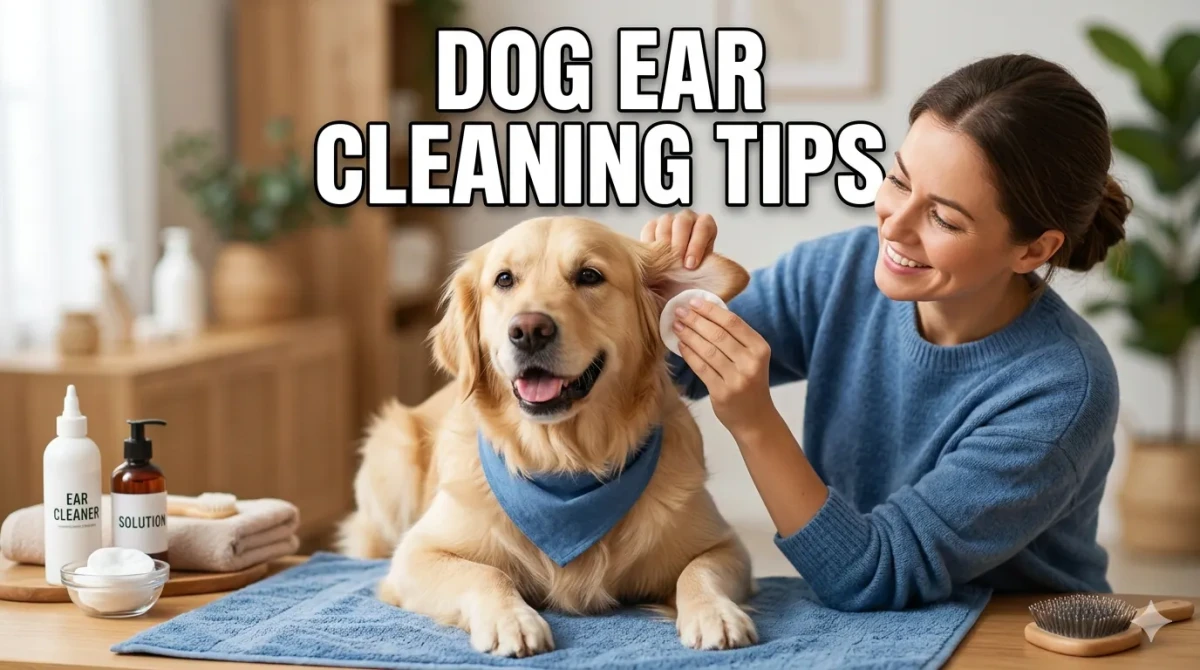
Introduction to Dog Ear Cleaning
Proper ear care is an essential aspect of responsible dog ownership that many pet parents overlook until problems arise. Dog ear cleaning tips help prevent infections, reduce odor, and maintain your canine companion comfort and health. Regular ear maintenance is particularly important for breeds with floppy ears, hairy ear canals, or those prone to allergies and moisture buildup.
Understanding your dog unique ear anatomy and learning safe cleaning techniques empowers you to provide effective at-home care while recognizing when veterinary attention is necessary. This comprehensive guide covers everything you need to know about cleaning your dog ears safely, choosing appropriate products, identifying warning signs of ear problems, and establishing a routine that keeps your furry friend happy and healthy.
Many dog owners hesitate to clean their pet ears due to concerns about causing discomfort or injury. However, with proper knowledge, gentle techniques, and the right supplies, ear cleaning can be a positive bonding experience rather than a stressful chore. By following expert-recommended dog ear cleaning tips, you can prevent common issues like yeast infections, bacterial overgrowth, and ear mites while promoting overall ear health.
Why Regular Ear Cleaning Matters for Dogs
Regular ear cleaning is not merely about maintaining cleanliness; it is a critical preventive health measure that protects your dog from painful conditions and costly veterinary treatments. Understanding the importance of ear hygiene motivates consistent care and helps you recognize early warning signs of problems.
What are the benefits of cleaning dog ears regularly?
Regular ear cleaning prevents the buildup of wax, debris, and moisture that create ideal environments for yeast and bacteria to thrive. By removing this buildup before it becomes problematic, you significantly reduce the risk of ear infections, which are among the most common reasons dogs visit veterinarians. Prevention through routine cleaning is far more comfortable and economical than treating established infections.
Early detection of ear problems is another significant benefit. During routine cleaning sessions, you become familiar with your dog normal ear appearance, odor, and sensitivity. This familiarity enables you to notice subtle changes like increased redness, unusual discharge, or heightened sensitivity that may indicate developing issues requiring veterinary attention.
Regular cleaning also helps manage odor. Healthy dog ears should have minimal scent, while neglected ears often develop unpleasant odors from accumulated wax and microbial growth. Consistent cleaning keeps your dog smelling fresh and makes close interactions more pleasant for both of you.
For dogs with chronic ear conditions or allergies, regular cleaning as part of a veterinary-recommended maintenance protocol helps manage symptoms and reduce flare-ups. Cleaning removes allergens, irritants, and excess moisture that can trigger inflammatory responses in sensitive ears.
Understanding Dog Ear Anatomy

Before cleaning your dog ears, understanding their basic anatomy helps you clean safely and effectively while avoiding injury to sensitive structures.
What makes dog ears different from human ears?
Dog ear canals are L-shaped, with a vertical portion leading to a horizontal portion that connects to the eardrum. This anatomy traps debris and moisture more easily than the straighter human ear canal, making dogs more prone to infections if ears are not properly maintained. The horizontal portion is particularly susceptible to accumulation because gravity does not help drain fluids naturally.
The ear canal is lined with sensitive skin that produces wax to protect and lubricate the ear. While some wax is normal and healthy, excessive production or inadequate removal leads to problems. The ear also contains numerous nerve endings, making it sensitive to touch and potentially painful if inflamed or infected.
Breed variations significantly impact ear care needs. Dogs with floppy ears like Cocker Spaniels, Basset Hounds, and Golden Retrievers have reduced air circulation in the ear canal, creating warm, moist environments where yeast and bacteria flourish. Breeds with hairy ear canals like Poodles and Schnauzers require additional attention to prevent hair from trapping debris. Understanding your dog breed-specific characteristics helps tailor your cleaning approach.
Signs Your Dog Needs Ear Cleaning or Veterinary Care

Recognizing when your dog needs ear attention is crucial for timely intervention. Some signs indicate routine cleaning is due, while others suggest possible infection requiring veterinary evaluation.
How do you know if your dog ears need cleaning?
Visible wax buildup, dirt, or debris in the outer ear canal signals that cleaning is appropriate. Healthy ears may have small amounts of light brown or yellow wax, but excessive accumulation warrants attention. If you notice dark brown or black discharge, this may indicate ear mites or infection and requires veterinary assessment rather than home cleaning.
Mild odor is normal for some dogs, but strong, yeasty, or foul smells suggest bacterial or yeast overgrowth. If cleaning does not resolve persistent odor within a day or two, consult your veterinarian as this may indicate an underlying infection needing medication.
Behavioral signs include frequent head shaking, ear scratching, or rubbing ears against furniture. While occasional scratching is normal, persistent attention to ears often indicates discomfort from wax buildup, allergies, or infection. Tilting the head or holding one ear lower than the other may signal pain or imbalance requiring professional evaluation.
Redness, swelling, or warmth in the ear flap or canal suggests inflammation that may need veterinary care. If your dog flinches, whines, or pulls away when you gently touch their ears, this sensitivity indicates possible pain or infection. Never attempt to clean ears that appear severely inflamed, as this can cause additional discomfort and may worsen certain conditions.
Essential Supplies for Safe Dog Ear Cleaning

Having the right supplies makes ear cleaning easier, safer, and more effective. Using inappropriate products or tools can irritate sensitive ear tissue or push debris deeper into the canal.
What supplies do you need to clean dog ears?
Veterinary-approved ear cleaning solution is the most important supply. Choose products specifically formulated for dogs, as human ear cleaners or homemade solutions may have inappropriate pH levels or contain ingredients toxic to dogs. Look for solutions containing gentle cleansing agents, drying ingredients like salicylic acid for moisture control, and soothing components like aloe or hydrocortisone for sensitive ears.
Cotton balls or gauze pads are ideal for wiping the outer ear and accessible portions of the ear canal. Never use cotton swabs or Q-tips inside the ear canal, as these can push debris deeper, damage the eardrum, or cause injury to sensitive tissues. Cotton balls allow gentle wiping without risking penetration too far into the canal.
Treats are essential for positive reinforcement. Rewarding your dog during and after cleaning creates positive associations that make future sessions easier. High-value treats your dog loves work best for building cooperation and reducing stress.
Towels help manage mess and keep your dog comfortable. Place a towel under your dog during cleaning to absorb any solution that drips out. Having a second towel handy for drying the outer ear after cleaning prevents moisture buildup that could encourage microbial growth.
Gloves are optional but recommended for owners with sensitive skin or when cleaning ears with significant discharge. Disposable gloves protect your hands and make cleanup easier while maintaining hygiene.
Step by Step Dog Ear Cleaning Process

Following a consistent, gentle technique ensures effective cleaning while minimizing stress for your dog. Practice patience and proceed slowly, especially with dogs new to ear cleaning.
How do you clean dog ears safely at home?
Begin by gathering all supplies and choosing a calm, comfortable location. Have treats readily accessible. If your dog is anxious, consider having a helper gently hold and reassure them while you clean. For very nervous dogs, practice handling their ears without cleaning first, rewarding calm behavior to build trust.
Gently lift your dog ear flap to expose the ear canal. Examine the outer ear for visible debris, redness, or discharge. If the ear appears severely inflamed, has a strong foul odor, or your dog shows significant pain, stop and consult your veterinarian rather than proceeding with cleaning.
Apply the ear cleaning solution according to product instructions, typically squeezing enough to fill the ear canal without overflowing. Do not insert the bottle tip into the ear canal; instead, hold it just above the opening to avoid contamination. Gently massage the base of the ear for 20 to 30 seconds. You should hear a squishing sound as the solution works to loosen wax and debris.
Allow your dog to shake their head. This natural reflex helps bring loosened debris from the deeper portions of the canal to the outer ear where it can be wiped away. Step back slightly to avoid being sprayed with solution and debris. Have your towel ready to catch any discharge.
Use a cotton ball or gauze pad to gently wipe the visible portions of the ear canal and the inner surface of the ear flap. Wipe in a circular motion, using fresh cotton for each pass to avoid reintroducing debris. Never probe deeper than you can see; the goal is to clean accessible areas, not to reach the eardrum.
Reward your dog generously with treats and praise throughout and after the process. End the session on a positive note, even if you only cleaned one ear thoroughly. Building positive associations makes future cleanings easier and less stressful for both of you.
Breed Specific Ear Care Considerations

Different dog breeds have varying ear care needs based on ear shape, hair growth, and predisposition to certain conditions. Tailoring your approach to your dog breed characteristics improves effectiveness and comfort.
How do you clean ears of floppy eared dogs?
Dogs with floppy ears like Spaniels, Retrievers, and Hounds require more frequent cleaning due to reduced air circulation that traps moisture and warmth. Clean these ears at least weekly, or more often if your dog swims or has allergies. After cleaning, gently dry the outer ear and ensure the ear flap is positioned to allow air circulation.
Pay special attention to the folds and creases of floppy ears where debris and moisture accumulate. Use cotton balls to carefully wipe these areas, ensuring no solution remains trapped in skin folds. Consider using ear powders designed for floppy-eared breeds to help absorb moisture between cleanings.
What about dogs with hairy ear canals?
Breeds like Poodles, Schnauzers, and Terriers often have hair growing inside the ear canal that can trap debris and moisture. Some veterinarians recommend plucking ear hair to improve air circulation, while others advise against it due to potential irritation. Consult your veterinarian about the best approach for your dog.
If your veterinarian recommends hair removal, use specialized ear powder to grip hairs and make plucking easier and less painful. Alternatively, have a professional groomer or veterinarian perform this task. After hair management, clean ears thoroughly to remove any loosened debris.
For dogs with hairy ears that are not plucked, increase cleaning frequency to prevent hair from trapping wax and moisture. Use cleaning solutions with drying agents to help counteract the moisture-retaining properties of ear hair.
Common Mistakes to Avoid When Cleaning Dog Ears

Even well-intentioned pet parents can make errors that cause discomfort or injury. Avoiding these common pitfalls ensures safe, effective ear care.
What mistakes should you avoid with dog ear cleaning?
Using cotton swabs inside the ear canal is perhaps the most dangerous mistake. Q-tips and similar products push wax and debris deeper into the canal, potentially compacting material against the eardrum or causing injury. They can also perforate the eardrum if inserted too deeply. Reserve cotton swabs for cleaning only the very outer folds of the ear flap, never the canal itself.
Over-cleaning can irritate sensitive ear tissue and disrupt the natural protective wax layer. Unless directed by your veterinarian for a specific condition, clean ears no more than once weekly for most dogs. Dogs with healthy ears may only need cleaning every two to four weeks. Over-cleaning can cause dryness, itching, and inflammation that predisposes to infection.
Using inappropriate products like hydrogen peroxide, alcohol, vinegar, or human ear cleaners can damage delicate ear tissue or alter the ear natural pH balance. These substances may cause stinging, dryness, or irritation that worsens ear health. Always use veterinary-formulated dog ear cleaning solutions designed for canine ear physiology.
Cleaning infected ears at home without veterinary guidance can worsen certain conditions. If your dog shows signs of infection like severe redness, pain, foul odor, or dark discharge, consult your veterinarian before attempting cleaning. Some infections require specific medications, and cleaning alone may not address the underlying problem.
Rushing the process or forcing a resistant dog creates negative associations that make future cleanings more difficult. If your dog becomes stressed, pause and try again later. Break cleaning into shorter sessions if needed, and always prioritize your dog comfort and trust over completing the task quickly.
Managing Ear Problems and When to See a Vet

While routine cleaning prevents many issues, some ear problems require professional veterinary care. Knowing when to seek help ensures your dog receives appropriate treatment promptly.
When should you contact a veterinarian about ear issues?
Contact your veterinarian if you observe severe redness, swelling, or warmth in the ear, as these signs indicate significant inflammation that may require medication. Persistent strong odor that does not improve with cleaning suggests bacterial or yeast infection needing prescription treatment.
Dark brown or black discharge resembling coffee grounds often indicates ear mites, which require specific parasiticidal medications. Bloody discharge, pus, or any fluid that appears abnormal warrants immediate veterinary evaluation as these may signal serious infection or injury.
If your dog shows signs of pain like crying, pulling away aggressively, or becoming unusually aggressive when ears are touched, stop cleaning and consult your veterinarian. Pain indicates inflammation or infection that needs professional assessment and treatment.
Recurrent ear infections, defined as three or more episodes per year, require veterinary investigation to identify underlying causes like allergies, anatomical abnormalities, or immune disorders. Addressing root causes prevents repeated infections and improves your dog quality of life.
Preventive Ear Care Strategies

Beyond routine cleaning, several preventive strategies help maintain ear health and reduce infection risk. Incorporating these practices into your dog care routine supports long-term ear wellness.
How can you prevent dog ear infections?
Keep ears dry after swimming, bathing, or exposure to rain. Moisture creates ideal conditions for yeast and bacteria. After water exposure, gently dry the outer ear with a towel and consider using a veterinary-approved drying solution to evaporate residual moisture from the canal.
Manage underlying allergies that commonly contribute to ear problems. Food allergies, environmental allergens, and flea allergies can cause inflammation that predisposes to ear infections. Work with your veterinarian to identify and manage allergy triggers through diet, medications, or environmental modifications.
Maintain regular grooming that includes checking and cleaning ears as part of routine care. Consistent attention helps you notice changes early and prevents minor issues from developing into serious problems. Establish a cleaning schedule appropriate for your dog breed, lifestyle, and health status.
Avoid inserting foreign objects into the ear canal. Never use tweezers, forceps, or other tools to remove debris, as these can cause injury. If you suspect something is stuck in your dog ear, seek veterinary assistance rather than attempting removal at home.
Frequently Asked Questions

How often should I clean my dog ears?
Most dogs benefit from ear cleaning every two to four weeks as part of routine maintenance. Dogs with floppy ears, hairy canals, allergies, or those that swim frequently may need weekly cleaning. Conversely, dogs with upright ears and no predisposing factors may require cleaning only monthly or when visible buildup occurs. Consult your veterinarian to determine the optimal frequency for your individual dog based on breed, health status, and lifestyle factors.
Can I use vinegar or other home remedies to clean dog ears?
While some sources recommend diluted vinegar solutions for ear cleaning, veterinary experts generally advise against homemade remedies. Vinegar can alter the ear natural pH, potentially causing irritation or disrupting the protective microbiome. Commercial veterinary-formulated cleaners are specifically balanced for canine ear physiology and tested for safety and efficacy. Unless explicitly recommended by your veterinarian for a specific situation, use products designed for dogs rather than home remedies.
What if my dog hates having their ears cleaned?
Many dogs initially resist ear cleaning due to unfamiliar sensations or previous negative experiences. Build positive associations by starting with brief, gentle handling sessions without cleaning, rewarding calm behavior with high-value treats. Gradually progress to touching the ear flap, then introducing the cleaning solution, always pairing each step with rewards. Keep early sessions very short and end on a positive note. For severely anxious dogs, consult your veterinarian about anxiety-reduction strategies or professional grooming assistance.
Is it normal for dog ears to have some wax?
Yes, small amounts of light brown or yellow wax are normal and healthy. Ear wax protects the canal by trapping debris and maintaining appropriate moisture levels. The goal of cleaning is not to eliminate all wax but to prevent excessive buildup that can lead to problems. Focus on removing visible debris and excess wax from accessible areas rather than attempting to make ears completely wax-free.
Can ear cleaning cause infections?
Proper ear cleaning with appropriate products and techniques does not cause infections. However, using contaminated solutions, inserting objects too deeply, over-cleaning, or cleaning already-infected ears without veterinary guidance can potentially worsen ear health. Always use fresh, veterinary-approved solutions, clean gently without probing deeply, follow recommended frequencies, and consult your veterinarian if you suspect infection before proceeding with cleaning.
Should I clean both ears even if only one looks dirty?
Yes, clean both ears during each session even if only one appears to need attention. Ear problems often affect both ears, and subtle changes in the apparently normal ear may not be immediately obvious. Cleaning both ears maintains consistent care and helps you monitor both for changes over time. If one ear consistently appears more problematic than the other, mention this pattern to your veterinarian as it may indicate an underlying issue.
Conclusion

Proper ear care is a fundamental aspect of responsible dog ownership that significantly impacts your canine companion comfort, health, and quality of life. By following these dog ear cleaning tips, you can prevent common problems, detect issues early, and provide gentle, effective maintenance that strengthens your bond with your pet.
Remember that each dog is unique, and ear care needs vary based on breed, health status, and lifestyle. Establish a routine appropriate for your individual dog, use veterinary-approved products, and always prioritize gentle, positive interactions. When in doubt about your dog ear health, consult your veterinarian for personalized guidance.
Consistent, informed ear care pays dividends in the form of a happy, healthy dog free from the discomfort of ear infections and buildup. Your commitment to learning and applying proper dog ear cleaning tips demonstrates the love and responsibility that defines exceptional pet parenting. With patience, practice, and the right knowledge, ear cleaning can become a manageable, even enjoyable part of your regular care routine.

0 Comments