.png)
Healthy Diet Plan for Small Pets and Complete Nutrition Guide
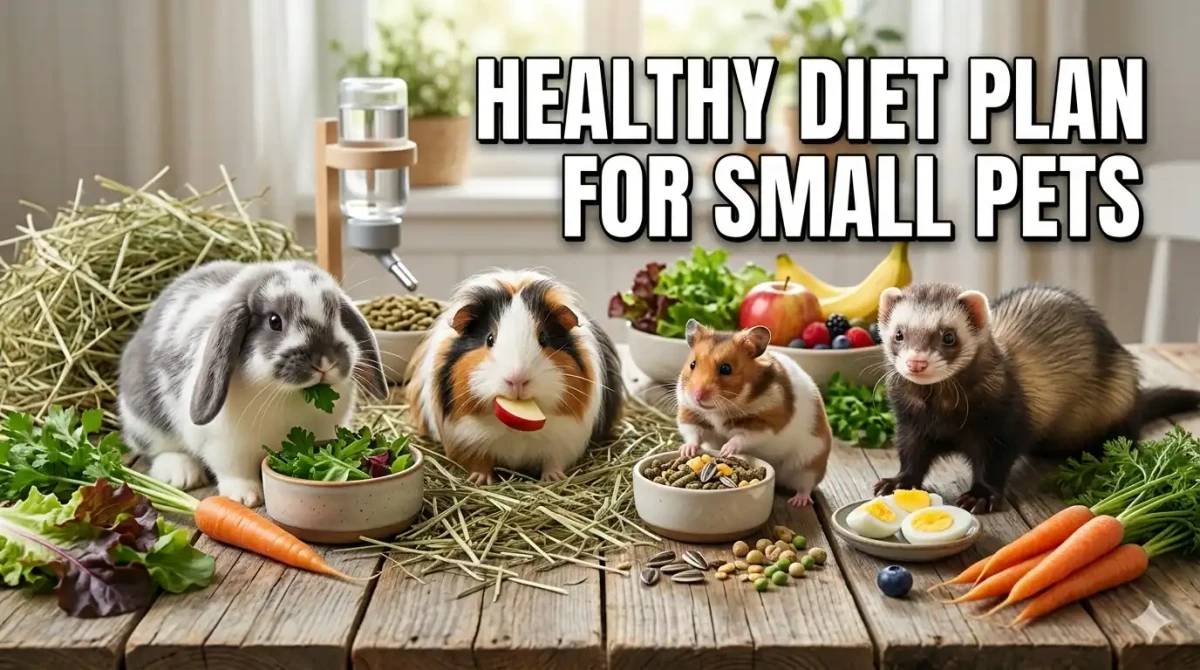
Introduction to Small Pet Nutrition and Diet Planning
Creating a healthy diet plan for small pets is fundamental to supporting their longevity, vitality, and overall wellbeing. Small companion animals including rabbits, guinea pigs, hamsters, gerbils, rats, mice, and ferrets have unique nutritional requirements that differ significantly from cats, dogs, and humans. Understanding these distinct dietary needs helps owners provide meals that support optimal health, prevent disease, and enhance quality of life throughout every life stage.
Small pets vary widely in their biological classifications and feeding behaviors. Rabbits and guinea pigs are hindgut fermenting herbivores requiring high-fiber diets centered around hay. Hamsters, gerbils, and rats are omnivorous rodents needing balanced protein, grains, and produce. Ferrets are obligate carnivores requiring high-protein, high-fat diets with minimal plant matter. A well-designed diet plan addresses these biological realities while accommodating individual preferences, health conditions, and lifestyle factors.
This comprehensive guide explores everything you need to know about developing a healthy diet plan for small pets, from understanding fundamental nutritional requirements to selecting appropriate commercial foods and incorporating fresh produce. Whether you care for a playful rabbit, a social guinea pig, an active hamster, or a curious ferret, proper nutrition forms the foundation of their ability to live a long, healthy, and happy life by your side.
Understanding Small Pet Nutritional Requirements
Different small pet species have evolved with varying dietary needs based on their natural habitats, digestive systems, and feeding behaviors. Understanding these fundamental requirements is crucial for developing appropriate diet plans that support optimal health.
What nutrients do small pets need most for optimal health?
Fiber serves as the foundation of nutrition for herbivorous small pets like rabbits and guinea pigs. High-fiber diets maintain proper digestive function, prevent gastrointestinal stasis, support healthy gut bacteria, and promote continuous tooth wear essential for dental health. Timothy hay and other grass hays should comprise eighty to ninety percent of a rabbit or guinea pig diet, providing the essential fiber these species require.
Protein requirements vary significantly between species. Growing rabbits need fourteen to sixteen percent protein while adult maintenance requires twelve to fourteen percent. Guinea pigs need twelve to sixteen percent protein. Hamsters and gerbils require sixteen to twenty-four percent protein depending on life stage. Ferrets as strict carnivores need thirty-two to thirty-eight percent high-quality animal protein. Understanding these differences is crucial for species-appropriate feeding.
Vitamins play crucial roles in small pet health. Guinea pigs cannot synthesize vitamin C and require ten to thirty milligrams daily through fresh vegetables or supplements to prevent scurvy. Vitamin A supports vision and immune function while vitamin D aids calcium absorption for bone health. B-complex vitamins support metabolism and energy production across all small pet species.
Minerals such as calcium, phosphorus, and magnesium are essential for bone development, muscle function, and overall health. The calcium to phosphorus ratio should be maintained between one point five to one and two to one for most small pets. Imbalances can lead to urinary stones, skeletal problems, and metabolic disorders particularly in rabbits and guinea pigs.
Species Specific Dietary Guidelines

Different small pet species have unique dietary requirements based on their digestive physiology and natural feeding behaviors. Tailoring diet plans to species requirements ensures optimal nutrition and health.
How do nutritional needs vary by small pet species?
Rabbits are hindgut fermenters requiring unlimited access to high-fiber grass hay like timothy, orchard, or meadow hay. Hay should comprise eighty to ninety percent of total diet providing essential fiber for digestive health and continuous tooth wear. Fresh leafy greens should comprise ten to fifteen percent of diet while high-fiber pellets provide supplemental nutrition at approximately one quarter cup per six pounds body weight daily.
Guinea pigs share similar dietary needs to rabbits but with critical differences. Like rabbits they require unlimited timothy hay and fresh vegetables. However guinea pigs cannot synthesize vitamin C and require daily supplementation through vitamin C rich vegetables like bell peppers or supplements. Pellets should be specifically formulated for guinea pigs with added vitamin C as it degrades quickly in storage.
Hamsters and gerbils are omnivorous rodents requiring balanced diets including quality pellets or seed mixes as foundation supplemented with fresh vegetables small amounts of fruit and occasional protein sources. These species have cheek pouches for food storage and benefit from varied diets that mimic natural foraging behaviors. Fresh foods should comprise approximately ten to fifteen percent of total diet.
Ferrets are obligate carnivores with short digestive tracts designed for processing meat. They require high-protein high-fat diets with minimal fiber and carbohydrates. Ferrets cannot digest plant matter efficiently and should receive primarily animal-based nutrition from quality ferret foods or raw meat diets formulated for feline or ferret physiology.
Essential Components of Small Pet Diets

Understanding the role of different food components helps you select or formulate diets that optimize your small pet health energy and longevity.
Why is hay so important for rabbits and guinea pigs?
Hay provides the essential fiber that maintains proper digestive motility preventing life-threatening gastrointestinal stasis. The continuous chewing action required to process hay wears down continuously growing teeth preventing painful dental overgrowth. Hay also provides mental stimulation and enrichment as rabbits and guinea pigs naturally spend hours foraging and consuming fibrous plant material.
Timothy hay is the gold standard for adult rabbits and guinea pigs providing appropriate fiber to protein ratios. Young growing rabbits under six months may benefit from alfalfa hay which is higher in protein and calcium supporting rapid development. However adult rabbits should transition to grass hays as excessive calcium from alfalfa can contribute to urinary stone formation.
Provide unlimited fresh hay in clean hay racks or feeders that minimize contamination with urine or feces. Replace hay daily to ensure freshness and palatability. Monitor hay consumption as reduced intake often represents the earliest sign of illness in rabbits and guinea pigs requiring prompt veterinary attention.
How should pellets be incorporated into small pet diets?
Pellets provide concentrated nutrition supplementing hay and fresh vegetables but should not dominate the diet. For rabbits and guinea pigs select high-fiber pellets with at least eighteen to twenty percent fiber and twelve to fourteen percent protein. Avoid mixes containing seeds nuts or colorful pieces as these encourage selective feeding and nutritional imbalances.
Feed pellets in measured amounts based on body weight. Adult rabbits typically need one quarter cup pellets per six pounds body weight daily while guinea pigs require similar amounts of vitamin C fortified pellets. Divide daily portions into two feedings to encourage natural foraging behaviors and prevent boredom.
For hamsters gerbils and rats select species-appropriate pelleted diets that prevent selective feeding common with seed mixes. These pellets should contain balanced protein levels appropriate for life stage with sixteen to twenty percent for adults and higher levels for growing juveniles. Supplement pellets with fresh vegetables and occasional protein sources for comprehensive nutrition.
Fresh Vegetables and Fruits for Small Pets

Fresh produce provides essential vitamins minerals variety and enrichment that complement commercial diets. Incorporating appropriate fresh foods enhances overall nutrition and supports optimal health.
What fresh vegetables should small pets eat daily?
Dark leafy greens form the foundation of fresh vegetable offerings for rabbits and guinea pigs. Kale collard greens mustard greens dandelion greens and romaine lettuce provide exceptional nutritional value including vitamins A C and K calcium and antioxidants. These greens should comprise the majority of fresh vegetable offerings rotated regularly to provide variety and comprehensive nutrition.
Orange and yellow vegetables like carrots bell peppers and sweet potatoes offer beta-carotene that converts to vitamin A essential for respiratory health and immune function. Bell peppers are particularly valuable for guinea pigs as they provide exceptional vitamin C content. Offer these vegetables in moderation due to natural sugar content particularly carrots.
Herbivorous small pets benefit from variety in fresh offerings. Cilantro parsley basil mint and dill provide phytonutrients and flavor variety that enrich the feeding experience. Introduce new vegetables gradually over seven to ten days monitoring for digestive tolerance as sudden dietary changes can cause gastrointestinal upset.
Fruits should be offered sparingly due to natural sugar content comprising no more than five to ten percent of fresh food offerings. Berries including blueberries strawberries and raspberries provide antioxidants and are generally well-accepted. Apples pears and melons offer variety and hydration. Always remove seeds and pits from fruits as many contain cyanide compounds toxic to small pets.
Foods to Avoid for Small Pet Safety

Certain foods pose serious health risks to small pets and must be strictly avoided. Understanding toxic foods prevents accidental poisoning and serious health complications.
What foods are dangerous or toxic to small pets?
Onions garlic chives and leeks contain compounds that can cause hemolytic anemia damaging red blood cells and leading to weakness breathing difficulty and organ failure in rabbits guinea pigs and rodents. These should be completely avoided in small pet diets.
Chocolate and caffeine contain methylxanthines that cause vomiting diarrhea hyperactivity tremors seizures and potentially fatal cardiac arrhythmias in small pets. Even small amounts can be dangerous due to small body size and rapid metabolism.
Avocado contains persin a fungicidal toxin that can cause respiratory distress and heart damage in some small pet species. While rabbits and guinea pigs may tolerate small amounts the risk outweighs any potential benefit and avocado should be avoided.
Raw beans potatoes and rhubarb contain compounds toxic to small pets. Cooked plain beans in small amounts may be acceptable for omnivorous rodents but should be introduced cautiously. Potatoes especially green portions contain solanine which is toxic. Rhubarb leaves contain oxalates that can cause kidney damage.
High-sugar high-fat treats including candy cookies and processed human foods should be avoided as they contribute to obesity dental problems and metabolic disorders. Stick to species-appropriate fresh vegetables and limited fruits for treats.
Feeding Schedules and Portion Control

Establishing appropriate feeding routines supports healthy weight management prevents food waste and ensures consistent nutrient intake for small pets.
How often and how much should you feed small pets?
Rabbits and guinea pigs require unlimited access to fresh hay throughout the day as continuous consumption supports digestive health and dental wear. Fresh vegetables should be offered daily in quantities appropriate to body size typically one to two cups per six pounds body weight divided into two feedings morning and evening.
Pellets should be fed in measured portions once or twice daily based on body weight and life stage. Monitor body condition regularly adjusting portions to maintain ideal weight with palpable ribs under slight fat covering and visible waist when viewed from above.
Hamsters gerbils and rats benefit from scheduled feeding rather than free-choice feeding which can lead to selective eating and obesity. Offer fresh food once daily in the evening when these nocturnal species become most active. Remove uneaten fresh foods within twenty-four hours to prevent spoilage.
Ferrets require frequent feeding due to fast metabolism and short digestive tracts. Offer high-quality ferret food in multiple small meals throughout the day or provide free-choice access to dry food with scheduled wet food meals. Monitor body condition closely as ferrets are prone to both obesity and unintended weight loss.
Life Stage Nutrition for Small Pets

Small pet nutritional requirements change significantly throughout their lives. Tailoring diet plans to life stage ensures appropriate support for growth maintenance or aging.
How do nutritional needs change as small pets age?
Young growing rabbits and guinea pigs under six months require higher protein and calcium levels to support rapid development. Alfalfa hay and junior-formulated pellets provide elevated nutrients appropriate for growth. Transition to adult diets gradually between six and twelve months of age monitoring for appropriate weight gain and development.
Adult small pets from six months to five years require maintenance-level nutrition focused on sustaining healthy weight and supporting active lifestyles. Most adults thrive on diets emphasizing unlimited hay for herbivores balanced pellets and daily fresh vegetables. Monitor body condition regularly and adjust portions to prevent weight gain as indoor pets often have lower activity levels.
Senior small pets five years and older may benefit from adjusted nutrition to support aging physiology. Healthy seniors do not necessarily require protein restriction and may benefit from easily digestible high-quality protein to combat age-related muscle loss. However pets with diagnosed kidney disease may require veterinary-supervised protein modification. Senior formulas often include joint support nutrients and enhanced antioxidants.
Hydration and Water Quality for Small Pets

Proper hydration supports digestive health kidney function and overall wellbeing in small pets. Ensuring access to clean fresh water is essential regardless of dietary composition.
How do you ensure adequate hydration for small pets?
Provide fresh clean water daily in clean bottles or bowls changed at least once daily or more frequently if contaminated. Water bottles with sipper tubes minimize contamination but require regular cleaning to prevent bacterial growth and ensure proper function. Bowls allow more natural drinking but require frequent changing to maintain cleanliness.
Monitor water consumption as changes can indicate health problems. Increased water intake may signal diabetes kidney disease or infection while decreased consumption can indicate illness or dehydration. Normal water intake varies by species diet and environmental temperature.
For rabbits and guinea pigs consuming large amounts of fresh vegetables water intake may appear lower as vegetables provide significant moisture. However water should always be available regardless of fresh food intake as hydration needs increase with temperature activity and health status.
Common Nutrition Mistakes to Avoid

Even well-intentioned small pet owners can make dietary errors that compromise animal health. Avoiding these pitfalls ensures your nutrition plan truly supports your pet wellbeing.
What mistakes should you avoid when feeding small pets?
Feeding inadequate hay to rabbits and guinea pigs represents the most serious and common nutritional error. Hay should comprise eighty to ninety percent of diet not just a supplement. Insufficient hay intake leads to gastrointestinal stasis dental disease and behavioral problems. Always provide unlimited fresh high-quality grass hay.
Overfeeding pellets and treats contributes to obesity dental problems and selective feeding. Pellets should supplement not replace hay and fresh vegetables. Treats including fruits and commercial snacks should comprise less than five percent of total diet. Measure portions carefully rather than estimating by eye.
Feeding inappropriate species diets causes serious health problems. Rabbits and guinea pigs are herbivores and cannot digest meat. Ferrets are carnivores and cannot utilize plant-based nutrition. Hamsters and gerbils are omnivores requiring balanced diets. Understanding species-specific needs is fundamental to proper feeding.
Neglecting vitamin C supplementation for guinea pigs leads to scurvy. Guinea pigs cannot synthesize vitamin C and require daily intake through fresh vegetables like bell peppers or supplements. Relying solely on pellets is insufficient as vitamin C degrades quickly in storage. Provide fresh vitamin C sources daily.
Transitioning Small Pets to Healthier Diets

Many small pets require transition from unhealthy diets to balanced nutrition. This process requires patience consistency and strategic planning to ensure success.
How do you transition small pets to healthier diets successfully?
Begin by introducing new foods alongside existing diet allowing your pet to explore flavors and textures without pressure. For rabbits and guinea pigs gradually increase hay availability while monitoring consumption. Introduce new vegetables one at a time over seven to ten days to assess tolerance.
For pellet transitions mix increasing proportions of new pellets with decreasing amounts of old food over two to three weeks. Some pets accept changes more readily than others so adjust the pace based on your individual pets response. Never abruptly switch foods as this can cause digestive upset.
If your pet refuses new foods try offering at different times of day presenting in various formats or adding small amounts of favorite treats to encourage exploration. Patience is essential as some pets may take ten to fifteen exposures to accept new foods. Consult an exotic veterinarian if refusal persists as underlying health issues may affect appetite.
Monitoring Health Through Nutrition

Effective nutrition management requires ongoing observation and adjustment based on your small pet response to dietary choices.
How do you assess if your small pet diet is working?
Monitor body condition score regularly by feeling ribs observing waist definition and assessing overall muscle tone. Healthy small pets maintain lean body condition with palpable ribs under slight fat covering. Weight stability despite varying activity levels indicates appropriate caloric intake while unintended weight changes signal need for adjustment.
Observe droppings as indicators of digestive health. Rabbit and guinea pig droppings should be round firm and uniform. Soft misshapen or absent droppings signal digestive issues requiring dietary adjustment or veterinary evaluation. Hamster and gerbil droppings should be firm and well-formed.
Track coat condition energy levels and behavior as indicators of nutritional adequacy. Shiny coats bright eyes and normal activity suggest proper nutrient intake. Dull coats lethargy or behavioral changes may signal dietary inadequacies requiring formulation adjustments or veterinary consultation.
Frequently Asked Questions

Can small pets eat the same vegetables as humans?
Many vegetables safe for humans are also safe for small pets but not all. Rabbits and guinea pigs can eat romaine lettuce bell peppers carrots and leafy greens. However onions garlic potatoes and rhubarb are toxic. Hamsters and gerbils can eat small amounts of broccoli cauliflower and cucumber. Always research specific vegetables before feeding and introduce new foods gradually to monitor tolerance.
How much should I feed my small pet each day?
Amounts vary significantly by species size and activity level. Rabbits and guinea pigs need unlimited hay one to two cups fresh vegetables per six pounds body weight daily and measured pellets. Hamsters and gerbils need one to two tablespoons fresh food daily alongside quality pellets. Ferrets require five to seven percent body weight in high-protein food daily. Monitor body condition and adjust portions to maintain ideal weight.
Is organic food better for small pets?
Organic foods can reduce exposure to pesticides and chemical residues potentially benefiting small pet health. However organic status does not automatically make foods nutritionally superior. The most important factors are offering nutritionally appropriate foods in balanced proportions rather than focusing solely on organic certification. If budget allows organic vegetables can be beneficial but conventionally grown produce thoroughly washed is also acceptable.
Can I feed my small pet only fresh foods without pellets or hay?
No small pets cannot thrive on fresh foods alone without appropriate staples. Rabbits and guinea pigs require unlimited hay for digestive and dental health. All small pets benefit from balanced commercial pellets that provide consistent nutrient levels. Fresh foods should supplement not replace these foundation components. A balanced approach combining hay pellets and fresh vegetables provides optimal nutrition.
How do I know if my small pet is getting proper nutrition?
Signs of good nutrition include healthy weight with good muscle tone shiny coat clear eyes normal energy levels and well-formed droppings. Regular veterinary wellness exams can assess nutritional status and detect subclinical deficiencies. Poor coat quality lethargy weight changes or digestive issues despite appropriate feeding may indicate nutritional problems requiring dietary adjustment and veterinary evaluation.
Should senior small pets eat different food than adults?
Senior small pets may benefit from diets formulated for aging though individual needs vary significantly. Healthy seniors often require similar nutrition to adults while those with health conditions may need veterinary-supervised modifications. Senior formulas frequently include joint support nutrients enhanced antioxidants and adjusted mineral levels. Consult your exotic veterinarian to determine whether a senior-specific diet benefits your individual pet based on health status.
Conclusion

Creating a healthy diet plan for small pets requires understanding species-specific nutritional needs selecting appropriate commercial foods incorporating fresh produce and avoiding common pitfalls. By prioritizing unlimited hay for herbivores balanced pellets abundant fresh vegetables and minimal treats you provide the foundation your small companion needs to thrive with vibrant health and longevity.
Remember that nutrition is just one component of comprehensive small pet care. Regular veterinary wellness exams appropriate housing environmental enrichment and social interaction all contribute to optimal health and happiness. Work with an exotic veterinarian to develop personalized nutrition strategies that support your pets unique species requirements life stage and health conditions.
With thoughtful planning patience during dietary transitions and consistent monitoring of your pets response you can develop a nutrition program that enhances health while supporting lifelong vitality. Your commitment to providing optimal nutrition demonstrates the love and responsibility that defines exceptional small pet ownership ensuring your furry friend enjoys many years of joyful companionship by your side.
🐱 আরও পড়ুন: Other Pet Health

0 Comments