.png)
How to Check Your Dogs Vital Signs at Home Safely
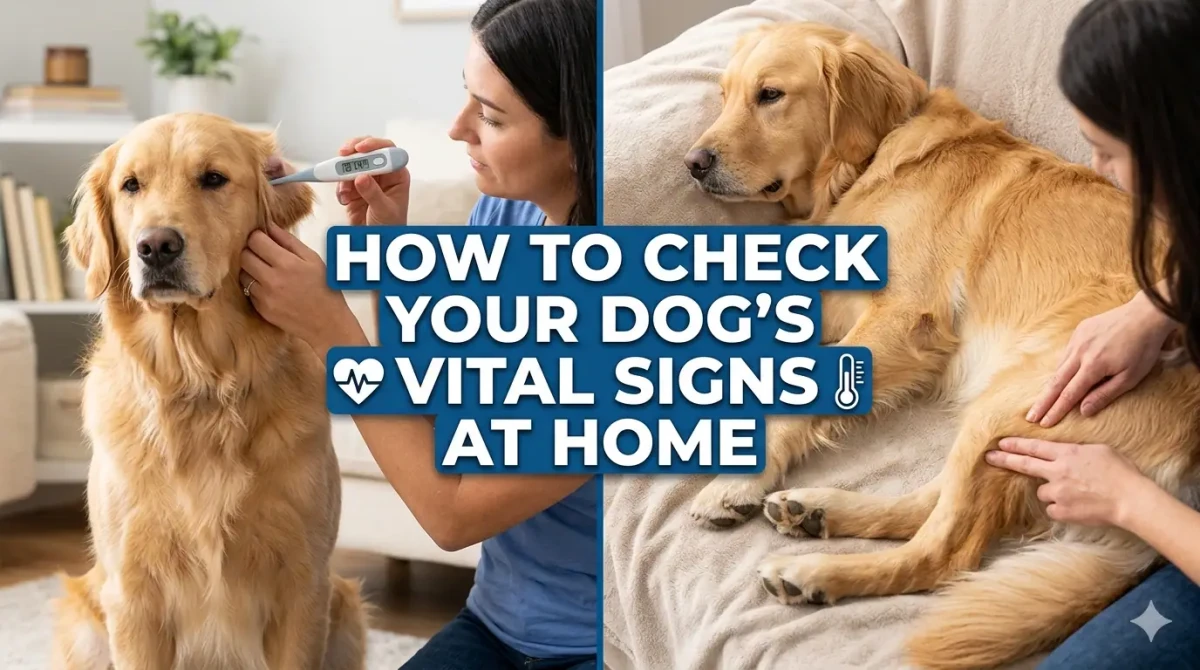
Quick Summary and Direct Answer
Checking your dog's vital signs at home involves measuring temperature, heart rate, respiratory rate, gum color, and hydration status using simple tools and gentle techniques. Experts commonly recommend taking baseline readings when your dog is healthy to recognize changes during illness.
Most adult dogs have normal temperature between one hundred one and one hundred two point five degrees Fahrenheit, heart rate between sixty and one hundred forty beats per minute depending on size, and respiratory rate between ten and thirty breaths per minute at rest. You should use a digital rectal thermometer for accurate temperature, count pulses on the inner thigh or chest, and observe chest movement for breathing rate. Always consult a veterinarian if readings fall outside normal ranges or if your dog shows signs of distress.
Investing in a mix of budget and premium monitoring tools ensures reliable home assessments without overspending. Start with a basic digital pet thermometer and timer before considering advanced stethoscopes or health tracking apps. Consult a veterinarian if your dog resists handling, shows pain during examination, or if vital sign abnormalities persist beyond brief observation periods.
Key Data and Quick Reference Tables
The table below outlines vital sign parameters, normal ranges, and measurement methods. This data helps you establish baseline health monitoring without guesswork.
| Vital Sign | Normal Range Adult Dogs | Measurement Method | Frequency for Healthy Dogs |
|---|---|---|---|
| Body Temperature | 101.0 to 102.5 F | Digital rectal thermometer | When ill or monthly baseline |
| Heart Rate | 60 to 140 bpm by size | Inner thigh pulse or chest listen | Weekly or during wellness checks |
| Respiratory Rate | 10 to 30 breaths per minute | Observe chest movement at rest | Daily observation during calm time |
| Gum Color and CRT | Pink gums, 1 to 2 sec refill | Press gum gently and time return | During each health assessment |
| Hydration Status | Skin snaps back immediately | Gentle skin tent test on shoulder | When illness suspected or weekly |
| Life Stage | Temperature Range | Heart Rate Range | Special Monitoring Notes |
|---|---|---|---|
| Puppy under 6 months | 101.0 to 102.5 F | 120 to 160 bpm | Higher baseline heart rate, monitor closely during illness |
| Adult 1 to 7 years | 101.0 to 102.5 F | 60 to 140 bpm by size | Establish baseline readings during wellness for future comparison |
| Senior over 7 years | 100.5 to 102.5 F | 60 to 120 bpm | May have slightly lower temperature, monitor for subtle changes |
Understanding Canine Vital Signs and Health Indicators

Vital signs provide objective data about your dog's physiological status that may help identify health changes before visible symptoms appear. Widely accepted veterinary standards emphasize that home monitoring complements professional care but does not replace veterinary diagnosis or treatment.
Temperature reflects core body function and immune response. Heart rate indicates cardiovascular status and pain levels. Respiratory rate signals respiratory health and stress. Gum color and capillary refill time reveal circulation quality. Hydration assessment supports early detection of fluid loss.
Early detection through regular monitoring may help prevent emergency situations. A consistent routine with gentle handling keeps your dog comfortable during assessments. You do not need expensive medical equipment to start. Simple digital thermometers combined with proper technique create reliable home monitoring that supports veterinary care decisions.
Essential Tools and Safe Product Guidelines

Tool selection significantly impacts measurement accuracy and pet comfort. Widely accepted veterinary care standards recommend avoiding mercury thermometers, human ear thermometers not calibrated for pets, or unverified smartphone apps that lack clinical validation. Digital rectal thermometers designed for pets, water based lubricant, and timers are commonly recommended for home vital sign assessment.
Thermometer features should include flexible tips, fast read times under ten seconds, and memory storage for tracking trends. You must clean thermometers with alcohol wipes before and after each use to prevent cross contamination. Ingestion of lubricant or improper insertion commonly causes discomfort that reduces future cooperation.
Look for products tested by independent veterinary organizations. Many reputable brands publish safety certifications on their official websites. When in doubt, consult your veterinarian about specific brand recommendations for your dog size and temperament profile, especially for anxious pets or those with prior medical procedures.
Step by Step Temperature Measurement Protocol

Accurate temperature measurement follows a progressive sequence that prioritizes safety while obtaining reliable readings. You should master each step before advancing to maintain trust and reduce stress throughout the process.
Step one involves preparation and positioning. Gather digital thermometer, lubricant, and treats. Have your dog stand calmly or lie on side with helper gently restraining if needed. Apply small amount of water based lubricant to thermometer tip.
Step two focuses on gentle insertion. Lift tail gently and insert thermometer one to two inches into rectum depending on dog size. Never force insertion. Hold thermometer steadily at slight angle toward tail base. Wait for audible beep indicating reading complete.
Step three records and interprets results. Note temperature immediately with time and date. Normal range is one hundred one to one hundred two point five degrees Fahrenheit. Temperatures below one hundred or above one hundred three warrant veterinary consultation. Clean thermometer thoroughly after use.
Step four rewards cooperation. Offer high value treat and praise regardless of reading outcome. This positive association commonly reduces resistance during future monitoring sessions. Document trends in simple health journal for veterinary reference.
Heart Rate and Pulse Assessment Techniques

Heart rate monitoring provides insights into cardiovascular health and pain levels. Widely accepted veterinary guidelines emphasize that resting heart rate varies significantly by dog size with smaller breeds having faster baseline rates than larger breeds.
Pulse location options include inner thigh femoral artery or chest behind left elbow. Place two fingers gently on chosen location without pressing hard. Count beats for fifteen seconds then multiply by four for beats per minute. Use timer or clock with second hand for accuracy.
Normal ranges vary by size: small breeds under twenty pounds commonly have one hundred to one hundred forty bpm, medium breeds twenty to fifty pounds range eighty to one hundred twenty bpm, large breeds over fifty pounds typically show sixty to one hundred bpm at rest. You should establish your dog's baseline during calm healthy periods for meaningful comparison during illness.
Monitor for irregular rhythms, unusually fast rates above one hundred sixty bpm at rest, or slow rates below fifty bpm in non athletic dogs. These findings combined with lethargy, weakness, or breathing changes warrant prompt veterinary evaluation.
Respiratory Rate Monitoring and Pattern Recognition

Respiratory assessment reveals respiratory health, pain levels, and stress status. Widely accepted veterinary standards emphasize that counting breaths during sleep or deep rest provides most accurate baseline readings without exercise influence.
Observation technique involves watching chest or flank movement while dog rests quietly. One complete rise and fall equals one breath. Count for thirty seconds then multiply by two for breaths per minute. Avoid counting immediately after exercise, excitement, or eating as these temporarily elevate rates.
Normal respiratory rate ranges from ten to thirty breaths per minute for adult dogs at rest. Puppies may show slightly higher rates up to forty breaths per minute. Senior dogs commonly maintain similar ranges but may show subtle increases with age related changes.
Document patterns including effort level, noise presence, or abdominal involvement. Labored breathing, rates above forty at rest, or persistent panting without heat exposure commonly indicate need for veterinary assessment. Combine respiratory monitoring with temperature and gum checks for comprehensive evaluation.
Gum Color Assessment and Capillary Refill Time

Gum evaluation provides rapid insights into circulation quality and oxygenation status. Widely accepted emergency veterinary protocols emphasize that gum color and capillary refill time serve as accessible indicators requiring no special equipment.
Assessment technique involves gently lifting lip to expose gums. Healthy gums appear moist and pink in most breeds. Press gum firmly with finger for one second then release. Time how long color returns to pressed area. Normal capillary refill time measures one to two seconds.
Color variations require interpretation: pale or white gums may indicate anemia or shock, blue or purple tones suggest poor oxygenation, bright red may signal toxicity or heat stroke, yellow tint warrants liver function evaluation. You should compare findings to your dog's normal baseline established during wellness periods.
Document observations with lighting conditions noted as ambient light affects color perception. Combine gum assessment with temperature and respiratory checks for comprehensive triage. Contact veterinarian immediately for abnormal colors combined with lethargy, weakness, or breathing changes.
Hydration Status Evaluation Through Skin Tent Test

Hydration assessment supports early detection of fluid loss from vomiting, diarrhea, or reduced intake. Widely accepted veterinary guidelines emphasize that skin elasticity testing provides rapid field evaluation without invasive procedures.
Technique involves gently pinching skin between shoulder blades, lifting slightly then releasing. Well hydrated skin snaps back immediately. Dehydrated skin returns slowly or remains tented. Test on clean dry skin without recent bathing influence.
Interpretation guidelines: immediate return indicates adequate hydration, one to two second delay suggests mild dehydration requiring monitoring, over two seconds or persistent tenting warrants veterinary evaluation especially with other symptoms. You should perform test during calm handling to avoid stress induced false readings.
Combine skin tent results with gum moisture assessment and recent intake history. Document findings alongside other vital signs for comprehensive health picture. Offer fresh water after testing and monitor drinking behavior as additional hydration indicator.
Budget versus Premium Monitoring Tool Comparison

Entry level monitoring tools priced under fifteen USD provide effective starting options for basic vital sign assessment. These items commonly include standard digital pet thermometers, basic timers, and simple lubricant packets. They suit low stress dogs or owners with prior handling experience.
Mid range products between twenty and fifty USD offer enhanced features and durability. These selections balance cost and functionality for average household dogs. Many include flexible tip thermometers, memory storage, and ergonomic designs that simplify measurement routines.
Premium monitoring resources exceeding fifty five USD utilize veterinary grade materials and advanced tracking features. Dogs with chronic conditions or senior pets commonly benefit from this support tier. While initial costs remain higher, premium options often improve measurement consistency and reduce stress for both pet and owner.
Common Mistakes Dog Owners Make During Vital Sign Checks

Many owners measure vital signs immediately after exercise or excitement. Activity temporarily elevates temperature, heart rate, and respiratory rate creating misleading readings. You should always allow fifteen to thirty minutes of quiet rest before assessment for accurate baseline data.
Another frequent error involves forcing measurements on resistant dogs. Struggling commonly causes stress induced vital sign changes and reduces future cooperation. You should pause sessions if your dog shows anxiety and consult a veterinarian or trainer for desensitization strategies.
Purchasing based solely on convenience leads to inconsistent monitoring outcomes. Human medical devices do not guarantee suitability for canine anatomy. Read verified customer feedback and consult veterinary directories before finalizing purchases. Prioritize species specific design and safety certifications over general availability.
Expert Tips from Veterinary Emergency and Wellness Standards

Based on common veterinary emergency practices, you should establish baseline vital sign readings during wellness periods. Document normal temperature, heart rate, and respiratory rate for your individual dog. Early comparison during illness allows timely recognition of concerning changes.
Combine vital sign monitoring with behavioral observation for comprehensive assessment. A dog with normal temperature but lethargy, poor appetite, or pain signals may still require veterinary evaluation. You should report both numerical readings and behavioral changes to your veterinarian for complete clinical picture.
Document monitoring observations in simple health journal. Note date, time, readings, and contextual factors like recent activity or environment. Over time, this data reveals patterns that improve home assessment accuracy. Share findings with your veterinarian during routine visits for personalized optimization insights.
Frequently Asked Questions

What is the most accurate way to take my dogs temperature at home
Digital rectal thermometers provide most accurate core temperature readings for dogs. Lubricate tip gently, insert one to two inches depending on size, and hold steady until beep. Ear thermometers designed for humans commonly give unreliable readings in dogs due to ear canal anatomy differences.
How do I know if my dogs heart rate is concerning
Consult your veterinarian if resting heart rate exceeds one hundred sixty bpm in small dogs or one hundred forty bpm in large dogs, falls below fifty bpm in non athletic dogs, or shows irregular rhythms. Combine heart rate assessment with behavior observation for complete evaluation.
When should I contact a veterinarian after checking vital signs
Contact veterinarian immediately for temperature below one hundred or above one hundred three degrees Fahrenheit, respiratory rate above forty at rest with effort, pale or blue gums, or skin tent lasting over two seconds. Also seek guidance for any vital sign abnormality combined with lethargy, vomiting, or behavior changes.
Can I use human medical devices to check my dogs vital signs
Some human devices like digital thermometers may work for dogs with proper technique, but species specific designs commonly improve accuracy and comfort. Consult your veterinarian before using human medical equipment on pets to ensure safety and reliability for canine physiology.

0 Comments