.png)
How to Teach a Bird to Dance with Positive Training
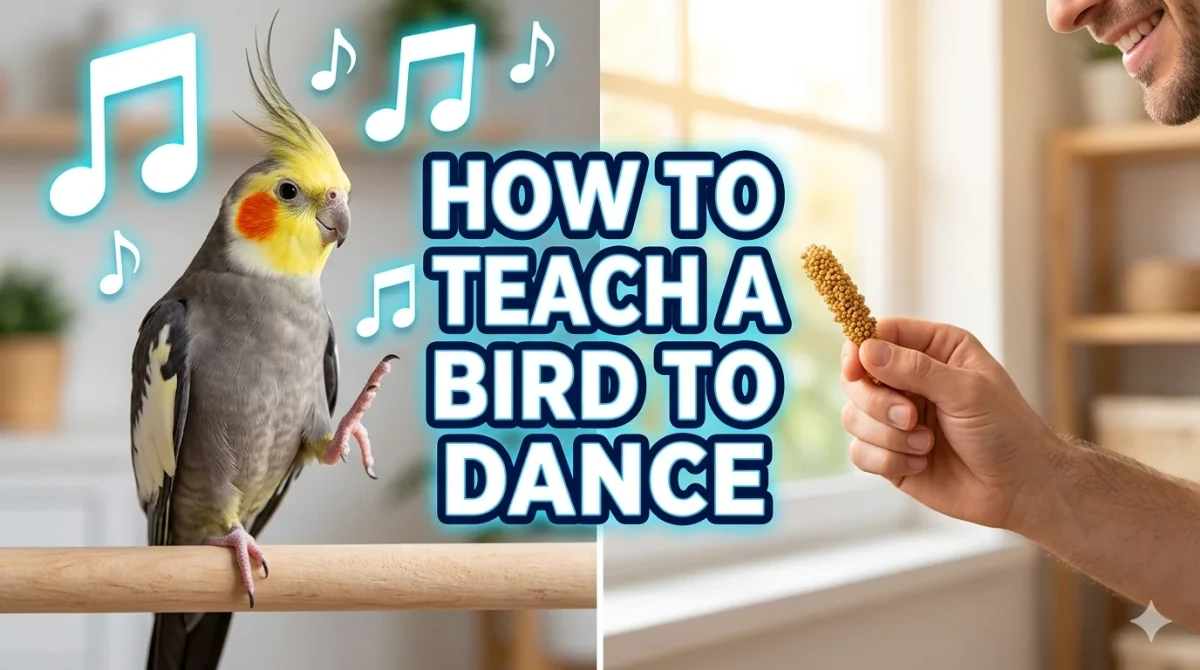
Quick Summary and Direct Answer
Teaching a bird to dance requires short five minute training sessions, high value treats, and consistent positive reinforcement that rewards rhythmic foot lifting or body swaying behavior. Experts commonly recommend starting with target training before adding music cues to build clear communication and motivation.
Most companion birds learn simple dance cues within three to six weeks of daily practice. You should begin training when your bird is calm and alert, typically during morning active periods. Use tiny treats smaller than a sunflower seed to maintain focus without overfeeding. Always end sessions on successful attempts to build confidence and encourage future participation.
Consult an avian veterinarian or certified bird behavior consultant if your bird shows signs of stress, feather plucking, or avoidance during training. Positive methods may help strengthen your bond while providing mental enrichment that supports lifelong behavioral health and reduces boredom related issues.
Key Data and Quick Reference Tables
The table below outlines training variables, recommended frequencies, and resource costs. This data helps you plan effective sessions without guesswork.
| Training Variable | Recommended Value | Purpose | Notes |
|---|---|---|---|
| Session Duration | 3 to 5 minutes | Maintain focus and prevent fatigue | End before bird loses interest |
| Daily Frequency | 2 to 3 sessions | Reinforce learning without overwhelm | Space sessions 4 to 6 hours apart |
| Treat Size | Seed sized or smaller | Enable rapid reward delivery | Adjust daily food portions accordingly |
| Learning Timeline | 3 to 6 weeks | Set realistic expectations | Varies by species personality and age |
| Success Criteria | 80 percent reliable response | Measure training progress | Test in low distraction environments first |
| Bird Species Category | Training Approach | Session Adjustments | Expected Progress |
|---|---|---|---|
| Small birds budgies lovebirds | Play based shaping with quick rewards | Shorter sessions 2 to 3 minutes | Faster learning with high energy |
| Medium birds cockatiels conures | Structured clicker or marker training | Standard 3 to 5 minute sessions | Steady progress with consistency |
| Large birds African greys macaws | Complex shaping with varied rewards | Flexible timing based on engagement | Slower but sophisticated outcomes |
Understanding Avian Learning and Musical Motivation

Birds learn through association and consequence rather than obedience to commands. Widely accepted avian behavior standards emphasize that force free methods build trust while punishment based techniques commonly increase fear and reduce willingness to participate in training activities.
Positive reinforcement strengthens desired behaviors by immediately rewarding correct responses. This approach may help build confidence while reducing anxiety related to handling or novel stimuli. You should deliver rewards within one to two seconds of the rhythmic movement to create clear cause and effect understanding.
Early success prevents frustration. A consistent routine with varied rewards keeps neural pathways active. You do not need expensive equipment to start. Simple household safe treats combined with proper timing create a balanced training environment that satisfies natural curiosity and social interaction drives.
Preparing Your Bird for Successful Dance Training Sessions

Session timing significantly impacts learning outcomes. Train when your bird is alert but not overstimulated, typically during morning active periods when natural energy levels peak. Hunger increases motivation for food rewards without causing distress or agitation.
Environment setup reduces distractions that interrupt focus. Choose a quiet room with minimal foot traffic, closed windows to prevent escape, and familiar perches. You should remove other pets during initial training phases to prevent competition or interruption that could confuse your bird.
Treat selection influences engagement levels. High value options like small millet sprays, tiny fruit pieces, or commercial training treats under two calories each commonly outperform standard seed mixes. You should test two to three reward types to identify your birds preferred motivator before beginning formal training.
Step by Step Dance Training Protocol

Teaching dance follows a progressive shaping sequence that builds complex rhythmic behavior from simple foot lifting actions. You should master each step before advancing to maintain confidence and clarity throughout the learning process.
Step one involves capturing natural movement. Watch for moments when your bird bobs head, lifts feet, or sways body spontaneously during play or music exposure. Immediately mark the behavior with a clicker or verbal marker word like yes then deliver a treat. Repeat this capture process for two to three sessions.
Step two adds a target cue. Hold a small stick or finger two inches from your birds feet. When the bird lifts a foot to investigate or touch the target, mark and reward. Practice this targeting for three to five sessions until the bird reliably offers foot movement on cue.
Step three introduces rhythm association. Play soft consistent music at low volume while practicing the target cue. Mark and reward foot lifts that occur during musical beats. Gradually fade the physical target over five to seven sessions while maintaining the musical cue and verbal marker.
Step four practices in varied contexts. Train with different song tempos, in different rooms, and with different family members presenting cues. This generalization phase commonly requires three to four weeks of consistent practice to build reliable dance responses across environments.
Music Selection and Rhythm Training Methods

Music tempo significantly impacts bird engagement and learning speed. Research based on widely accepted avian enrichment standards suggests that beats between ninety and one hundred twenty beats per minute commonly align with natural bird movement patterns. You should start with simple instrumental tracks before introducing complex lyrics or sudden volume changes.
Clicker training uses a distinct mechanical sound to mark desired rhythmic behaviors with precise timing. The consistent tone helps birds associate the mark with reward delivery more clearly than variable human voices. You should charge the clicker by clicking then treating ten times before beginning shape work to establish the marker meaning.
Marker word training substitutes a short consistent verbal cue like yes or good for the mechanical click. This method requires no equipment and works effectively for birds sensitive to novel sounds. You should practice saying your marker word in a consistent tone and volume to maintain clarity across training sessions.
Health and Safety Considerations During Dance Training

Physical comfort directly impacts training success. Check your birds feet weekly for injuries, overgrown nails, or bumblefoot signs that could make foot lifting uncomfortable. You should trim nails regularly using bird safe clippers to prevent accidental scratches during sessions and maintain proper perching posture.
Calorie management prevents weight gain from frequent treat rewards. Calculate your birds daily calorie needs with avian veterinary guidance then allocate ten to fifteen percent for training incentives. You should reduce regular meal portions accordingly to maintain healthy body condition and prevent obesity related health issues.
Monitor for stress signals including feather pinning, rapid breathing, or flying away. These indicators suggest your bird needs a break or adjusted approach. Contact an avian veterinarian or certified behavior consultant if you notice persistent avoidance, feather plucking, or agitation related to training activities.
Troubleshooting Common Training Challenges

Bird does not lift feet spontaneously. Increase reward value with higher motivation treats like warmed fruit or favorite seeds. Try training immediately after waking when birds naturally stretch and move. You should also check for physical discomfort that may limit foot movement or perching comfort.
Bird loses interest during sessions. Shorten training to two minute intervals and end on successful attempts. Increase the time between sessions to rebuild anticipation. You should also vary reward types and music selections to maintain novelty and sustained engagement throughout the learning process.
Bird offers movement but not to musical cue. Return to targeting practice for two to three sessions before reintroducing the music element. Ensure you start the music before presenting your target to maintain correct sequence association. You should also practice in quieter environments to reduce distraction interference during early learning phases.
Bird becomes aggressive or bites during training. Pause sessions immediately and consult a certified avian behavior consultant. Aggression may indicate over excitement, fear, or physical discomfort. You should never punish this behavior as it commonly increases fear responses and reduces future participation willingness.
Advanced Progression and Generalization Techniques

Once your bird reliably moves rhythmically on cue in low distraction settings, gradually increase challenge complexity. Practice with different song genres, varying volumes, and mild environmental distractions. This progression commonly requires three to four weeks of consistent practice to build robust performance.
Add duration by delaying the reward one to two seconds after the rhythmic movement. This builds impulse control and strengthens the behavior chain. You should increase delay increments slowly to avoid frustration or confusion that could undermine training progress.
Generalize the cue to different people and locations. Have family members practice the dance cue using identical verbal delivery and music presentation. Train in multiple rooms to help your bird understand the cue applies universally. This phase commonly solidifies long term reliability and performance confidence.
Budget versus Premium Training Resource Comparison

Entry level training resources priced under fifteen USD provide effective starting options for motivated owners. These items commonly include basic treat cups, standard clickers, and library accessible behavior guides. They suit low distraction home environments or owners with prior bird training experience.
Mid range products between twenty and fifty USD offer enhanced durability and professional guidance materials. These selections balance cost and support for average household birds. Many include online video libraries or consultation vouchers that reduce long term learning expenses and provide expert troubleshooting support.
Premium training resources exceeding sixty USD utilize certified professional instruction, personalized feedback, and advanced equipment. Challenging temperaments or multi bird households commonly require this support tier. While initial costs remain higher, premium options often prevent costly behavior rehabilitation later in life and accelerate learning timelines.
Common Mistakes Bird Owners Make During Dance Training

Many owners extend sessions beyond avian attention spans. Training longer than five minutes commonly leads to frustration and reduced retention. You should end each session while your bird remains engaged and successful. Multiple short practices daily outperform single long sessions weekly for optimal learning outcomes.
Another frequent error involves inconsistent cue delivery. Using dance, move, and boogie interchangeably confuses developing associations. You should establish one clear verbal cue and consistent music selection before beginning training. Document agreed terms in a shared household reference to maintain family wide consistency.
Purchasing based solely on entertainment value leads to inconsistent outcomes. Flashy trick videos do not guarantee methodology effectiveness for your individual bird. Read verified customer feedback and consult certified avian trainer directories before finalizing resource purchases. Prioritize science based methods and credential verification over viral appeal.
Expert Tips from Avian Behavior Certification Standards

Based on common avian behavior practices, you should conduct weekly progress reviews during training development. Check for consistent cue responses, reduced distraction sensitivity, and positive emotional indicators like relaxed feathers and engaged posture. Early detection of plateaus allows timely methodology adjustments.
Combine structured training with spontaneous reinforcement for optimal results. A well adjusted bird learns faster and retains calm behavior longer. Aim for two to three formal sessions daily alongside casual reward opportunities during routine interactions. This sequence aligns with natural avian learning cycles and relationship building.
Document training progress in a simple journal. Note session duration, music selections, and success rates for each cue. Over time, this data reveals effective patterns that improve efficiency. Share findings with your avian veterinarian or certified bird behavior consultant for personalized optimization insights.
Frequently Asked Questions

How long does it typically take to teach a bird to dance
Most companion birds learn simple dance cues within three to six weeks of consistent daily practice. Individual timelines vary based on species, personality, age, and prior training experience. You should focus on progress rather than speed to maintain positive associations and long term reliability.
What if my bird is not food motivated for training
Some birds prefer social interaction or play rewards over food incentives. You should experiment with gentle head scratches, mirror time, or favorite toy access as alternative reinforcers. Consult a certified avian behavior consultant if motivation challenges persist across multiple reward types.
Can older birds learn new dance tricks
Adult and senior birds retain learning capacity throughout life with appropriate pacing and motivation. You should adjust session length to match energy levels and prioritize comfort during physical movements. Patience and consistency commonly yield successful outcomes regardless of age or prior training history.
Should I use a clicker or just my voice for marking behaviors
Both clickers and marker words work effectively when used consistently. Clickers offer precise timing and distinct sound while marker words require no equipment. You should choose based on your birds comfort level and your ability to maintain consistent delivery across all training sessions.
🐱 আরও পড়ুন: Bird Training and Behavior

0 Comments