.png)
Quick Answer Salmon Or Chicken For Dogs
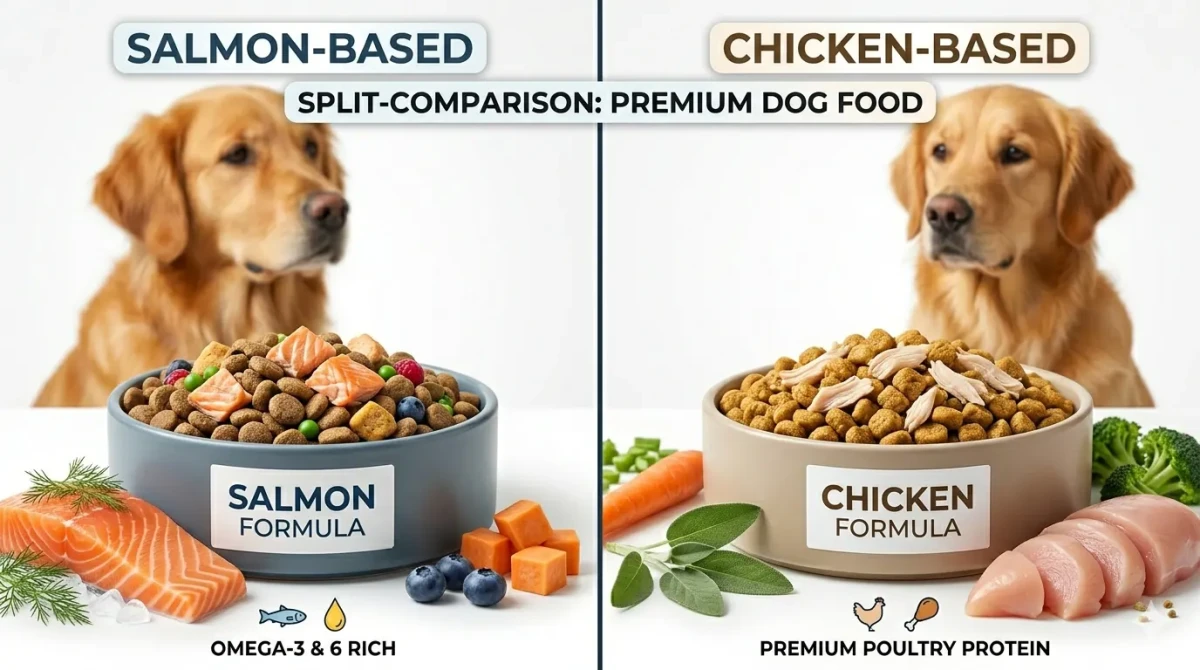
For dogs with allergies and coat issues, salmon is generally the better choice due to its rich omega-3 fatty acids that reduce inflammation and promote shiny, healthy fur. However, chicken remains an excellent protein source for dogs without poultry sensitivities. The key is identifying your dog's specific allergy triggers through veterinary testing.
Understanding Protein Sources And Dog Allergies
Food allergies affect approximately 10% of dogs, with protein sources being the most common culprits. Chicken ranks as the number one food allergen in dogs, followed by beef, dairy, and wheat. Salmon, being a novel protein for many dogs, often serves as an excellent alternative for sensitive pets.
When comparing these proteins, consider that chicken provides high-quality complete amino acids essential for muscle development, while salmon offers unique anti-inflammatory benefits through EPA and DHA omega-3 fatty acids. Dogs with chronic itching, ear infections, or digestive upset may benefit significantly from switching to salmon-based formulas.
Allergy Symptoms To Watch For
- Excessive scratching and licking paws
- Recurrent ear infections
- Hot spots and skin rashes
- Chronic diarrhea or vomiting
- Hair loss and dull coat
- Red, inflamed skin
Nutritional Comparison Salmon Versus Chicken

Both proteins offer distinct nutritional profiles that serve different canine needs. Understanding these differences helps you make informed decisions about your dog's diet, especially when managing allergies or improving coat quality.
Protein Content And Quality
| Nutrient | Chicken (per 100g) | Salmon (per 100g) |
|---|---|---|
| Protein | 27g | 25g |
| Fat | 2.6g | 14g |
| Omega-3 | 0.3g | 2.3g |
| Omega-6 | 0.8g | 0.9g |
| Calories | 165 kcal | 208 kcal |
| Vitamin B12 | 0.3 mcg | 3.2 mcg |
| Vitamin D | 0.1 mcg | 11 mcg |
| Selenium | 27 mcg | 36 mcg |
Key Differences Explained
Chicken advantages: Higher protein-to-fat ratio makes it ideal for active dogs and weight management. It's widely available, affordable, and highly digestible for dogs without sensitivities. Chicken provides all essential amino acids in optimal ratios for muscle maintenance and growth.
Salmon advantages: Superior omega-3 content directly addresses inflammation, joint health, and skin conditions. The natural oils promote a lustrous coat and reduce shedding. Salmon also provides vitamin D, which chicken lacks, supporting bone health and immune function.
Coat Health And Skin Benefits

The omega-3 fatty acids in salmon, particularly EPA and DHA, work at the cellular level to improve skin barrier function and reduce inflammatory responses. Dogs switched to salmon-based diets often show visible coat improvements within 4-6 weeks, including reduced shedding, softer fur texture, and enhanced shine.
For detailed grooming strategies, explore our expert guide on managing shedding alongside dietary changes. Proper nutrition works synergistically with regular grooming to maintain optimal coat health.
Timeline For Visible Improvements
- Week 1-2: Digestive adjustments, possible temporary increase in shedding
- Week 3-4: Reduced scratching, softer skin texture
- Week 5-6: Noticeable shine improvement, less dandruff
- Week 7-8: Fuller coat appearance, reduced hair loss
- Week 9-12: Maximum benefits visible, sustained skin health
During winter months, coat care becomes even more critical. Our complete winter coat care guide provides seasonal strategies that complement your protein choice.
Identifying Food Allergies In Dogs

Diagnosing food allergies requires systematic elimination and veterinary guidance. Common symptoms often overlap with environmental allergies, making professional testing essential. If your dog shows deviations from normal health indicators, consult your veterinarian immediately.
Elimination Diet Protocol
A proper elimination diet involves feeding only novel protein and carbohydrate sources for 8-12 weeks. During this period:
- Feed only prescription or limited-ingredient diet
- No treats, table scraps, or flavored medications
- Document daily symptoms and behaviors
- Gradually reintroduce proteins one at a time
- Monitor for reaction within 2 hours to 2 weeks
For dogs with confirmed sensitivities, hypoallergenic limited ingredient formulas provide safe nutrition while avoiding common allergens.
Best Protein Choice By Dog Profile

Selecting between salmon and chicken depends on your dog's age, activity level, health status, and specific needs. Here's how to match protein to profile:
Puppies (Under 1 Year)
Chicken generally works better for growing puppies due to higher protein density and lower fat content, supporting rapid muscle development without excessive calorie intake. However, puppies with known sensitivities or breeds prone to skin issues (Golden Retrievers, Bulldogs) may benefit from salmon's anti-inflammatory properties from the start.
Adult Dogs (1-7 Years)
Active adult dogs with no allergies thrive on chicken-based formulas for lean muscle maintenance. Dogs with moderate activity levels, skin conditions, or joint concerns benefit more from salmon. For comprehensive nutrition planning, review diet plans for active dogs to balance protein with energy needs.
Senior Dogs (7+ Years)
Salmon becomes increasingly valuable for senior dogs due to omega-3 support for cognitive function, joint health, and age-related inflammation. The easier digestibility also benefits older digestive systems. Senior dogs with kidney issues should consult veterinarians before high-protein diets.
Breed-Specific Considerations
Double-coated breeds (Huskies, German Shepherds): Salmon significantly reduces seasonal shedding and maintains undercoat health.
Short-coated breeds (Boxers, Dobermans): Either protein works well; choose based on allergy history.
Long-haired breeds (Afghans, Maltese): Salmon prevents matting and maintains coat texture. See our matting prevention guide for complete care.
Transitioning Between Proteins Safely

Switching proteins requires gradual transition to prevent digestive upset. Follow this 7-10 day protocol:
Step-by-Step Transition Schedule
| Days | Old Food | New Food | What To Monitor |
|---|---|---|---|
| 1-2 | 75% | 25% | Appetite, energy level |
| 3-4 | 50% | 50% | Stool consistency, gas |
| 5-6 | 25% | 75% | Skin reactions, itching |
| 7-10 | 0% | 100% | Overall wellbeing, coat |
If your dog experiences digestive issues during transition, formulas with probiotics can ease the adjustment period.
Cost Comparison And Value Analysis

Budget considerations matter for long-term feeding success. Here's what to expect:
Price Per Pound (Premium Brands)
- Chicken-based: $2.50-$4.00 per pound
- Salmon-based: $3.50-$6.00 per pound
- Hybrid formulas: $3.00-$5.00 per pound
While salmon costs 30-50% more, the health benefits may reduce veterinary expenses for skin conditions, joint issues, and inflammatory diseases. Calculate total cost of ownership including potential medication savings.
Common Mistakes When Choosing Dog Food

Avoid these critical errors that compromise your dog's health:
Mistake 1: Ignoring Individual Allergy Testing
Assuming all dogs react the same to proteins leads to unnecessary dietary restrictions. Work with your vet to identify specific triggers rather than eliminating entire protein categories.
Mistake 2: Overlooking Ingredient Quality
"Chicken meal" versus "whole chicken" makes a significant nutritional difference. Similarly, wild-caught salmon provides better omega-3 profiles than farm-raised. Always check ingredient sourcing and processing methods.
Mistake 3: Frequent Protein Switching
Constantly changing proteins can sensitize dogs to multiple allergens. Once you find a suitable protein, maintain consistency unless health issues arise.
Mistake 4: Neglecting Complete Nutrition
Protein source is just one component. Ensure the formula meets AAFCO standards for your dog's life stage and includes balanced vitamins, minerals, and fiber.
Expert Veterinary Recommendations

Board-certified veterinary nutritionists emphasize that protein choice should align with individual health profiles rather than trends. Dr. Sarah Mitchell, DACVN, states: "Salmon's omega-3 content provides therapeutic benefits for inflammatory conditions that chicken simply cannot match. However, for healthy dogs without specific needs, both proteins offer excellent nutrition when sourced from quality manufacturers."
For dogs with complex health issues involving multiple systems, consult our guide on preventing common health problems through proper nutrition.
Reading Dog Food Labels Correctly

Understanding labels prevents marketing manipulation. Key terms to know:
"Complete And Balanced"
Meets AAFCO nutrient profiles for specific life stages. Always verify this statement.
"With Salmon" Versus "Salmon Formula"
"With salmon" may contain only 3% salmon, while "salmon formula" requires minimum 25%. "Salmon dinner" needs 10%, and "all salmon" must be 100%.
Guaranteed Analysis
Check minimum protein and fat percentages, maximum fiber and moisture. Compare these numbers across brands, not just ingredient lists.
Supplementation Considerations

If feeding chicken but wanting salmon's omega-3 benefits, consider fish oil supplements. However, whole-food nutrition from salmon-based diets provides better bioavailability and balanced nutrient ratios.
For dogs requiring additional nutritional support, explore veterinary-recommended vitamin supplements to complement their diet.
Making The Final Decision

Choose salmon if your dog has:
- Confirmed or suspected food allergies
- Chronic skin conditions or excessive shedding
- Joint inflammation or arthritis
- Dull, brittle coat
- Autoimmune conditions
- Senior age with cognitive concerns
Choose chicken if your dog has:
- No known food sensitivities
- High activity levels requiring lean protein
- Weight management needs
- Budget constraints
- Picky eating habits (chicken's strong aroma often appeals)
Frequently Asked Questions

Can I Mix Salmon And Chicken Dog Food
Yes, mixing proteins works for dogs without allergies and provides nutritional variety. However, if managing allergies, stick to single protein sources. For dogs with sensitive stomachs, specialized sensitive stomach formulas offer balanced nutrition without mixing complexities.
How Long Until I See Coat Improvements
Most dogs show visible coat improvements within 4-8 weeks of switching to salmon-based food. Complete transformation takes 12 weeks as old hair sheds and new growth emerges.
Is Salmon Safe For Puppies
Yes, salmon is safe and beneficial for puppies. Ensure the formula is specifically labeled for growth or all life stages with appropriate calcium-phosphorus ratios for bone development.
Can Chicken Cause Allergies In Dogs
Chicken is the most common food allergen in dogs. Symptoms include itching, ear infections, gastrointestinal upset, and skin inflammation. If suspected, elimination testing confirms diagnosis.
Which Is Better For Weight Loss
Chicken's lower fat content makes it superior for weight management. Salmon's higher calorie density requires portion control for overweight dogs.
Do Dogs Prefer Salmon Or Chicken Taste
Individual preferences vary. Chicken's stronger aroma often appeals to picky eaters, while salmon's fishy scent attracts dogs with reduced appetite. Palatability depends on the dog's history and health status.
Final Recommendations And Next Steps

For dogs struggling with allergies and coat issues, salmon-based nutrition offers therapeutic benefits that chicken cannot match. The omega-3 fatty acids, anti-inflammatory properties, and superior skin health support make salmon the clear winner for sensitive dogs.
However, healthy dogs without specific concerns thrive equally well on quality chicken-based formulas at a lower cost. The best protein is the one your individual dog tolerates well and maintains optimal health on.
Remember to transition slowly, monitor carefully, and consult your veterinarian for persistent health issues. Proper nutrition forms the foundation of canine wellness, and understanding these protein differences empowers you to make informed decisions for your furry companion.
For comprehensive health monitoring, regularly assess your dog against established health indicators and adjust nutrition as needs evolve throughout their life stages.

0 Comments