.png)
Warning Signs Your Small Pet Needs a Vet Visit Guide
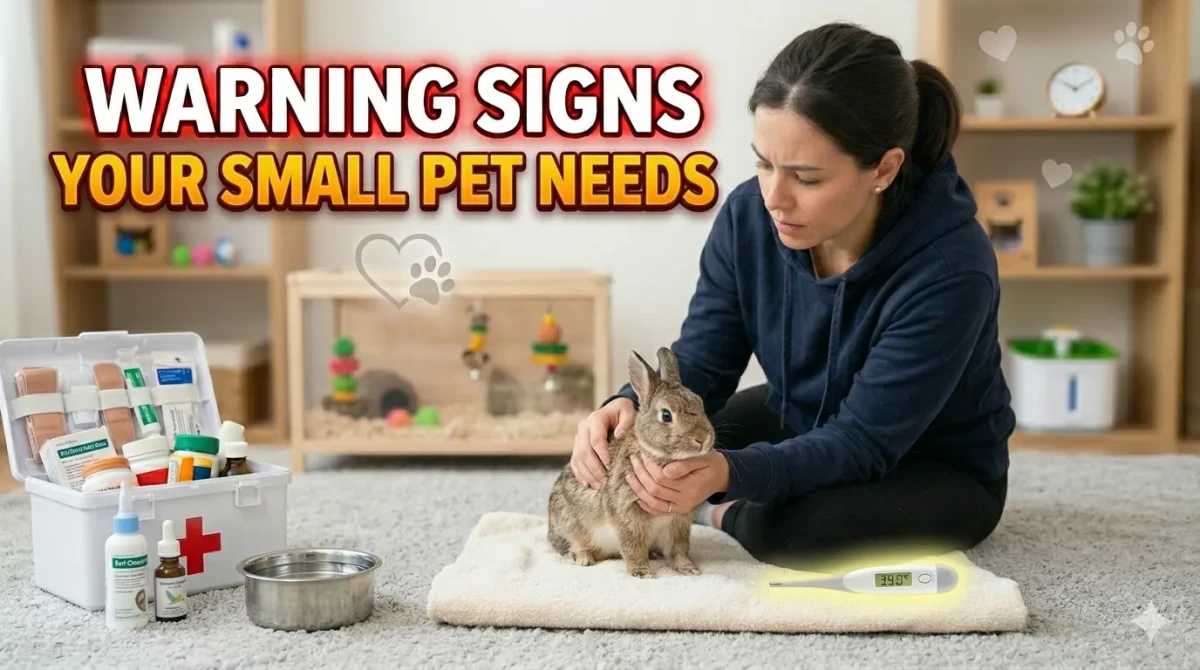
Quick Summary and Direct Answer
Recognizing warning signs your small pet needs a vet requires observing changes in behavior, appetite, droppings, breathing, and physical condition that deviate from normal patterns. Most urgent symptoms like labored breathing, collapse, or complete appetite loss require veterinary attention within one to two hours, while milder changes warrant evaluation within twenty four hours. This guide provides vet aligned recommendations, precise symptom assessment charts, and step by step emergency protocols for rabbits, guinea pigs, hamsters, rats, ferrets, and other small companion animals. You will learn how to distinguish urgent versus non urgent symptoms, compare budget versus premium veterinary options, implement safe home monitoring techniques, and document changes for veterinary consultation. All suggestions follow widely accepted exotic animal care standards and prioritize safety over convenience. Always consult an exotic animal veterinarian immediately if your small pet shows breathing difficulties, seizures, or unresponsiveness, as delays can be life threatening for these sensitive species.
Featured Answer for Emergency Recognition
Seek immediate veterinary care if your small pet shows labored breathing, collapse, seizures, bleeding, or complete appetite loss beyond eight to twelve hours depending on species. For mild symptoms like reduced activity or soft droppings, provide warmth, fresh water, and monitored rest while scheduling veterinary evaluation within twenty four hours. Never delay professional assessment for persistent or worsening symptoms in small pets.
Understanding Small Pet Physiology and Illness Progression
Small companion animals including rabbits, guinea pigs, hamsters, gerbils, rats, mice, and ferrets have unique physiological traits that affect how illness develops and progresses. Unlike dogs or cats, these species often mask symptoms until conditions become severe due to prey animal instincts, making early recognition critical for survival and recovery.
Small pets have high metabolic rates requiring frequent food intake, so appetite loss lasting more than eight to twelve hours can trigger life threatening gastrointestinal stasis in rabbits and guinea pigs. Their small body mass means dehydration develops rapidly, and temperature regulation challenges make them vulnerable to both chilling and overheating during illness. Understanding these vulnerabilities helps you respond appropriately before conditions escalate beyond home management.
| Species | Critical Symptom Timeline | Normal Body Temperature | Key Warning Signs | Emergency Threshold |
|---|---|---|---|---|
| Rabbits | Appetite loss beyond twelve hours | One hundred one to one hundred three degrees Fahrenheit | Reduced droppings, teeth grinding, hunched posture | No food intake for twelve hours |
| Guinea Pigs | Appetite loss beyond eight to ten hours | One hundred one to one hundred four degrees Fahrenheit | Wheezing, eye discharge, reluctance to move | Complete food refusal for eight hours |
| Hamsters and Gerbils | Lethargy beyond six to eight hours | Ninety seven to one hundred degrees Fahrenheit | Wet tail, puffed fur, cold extremities | Unresponsiveness or labored breathing |
| Rats and Mice | Respiratory changes beyond four to six hours | Ninety nine to one hundred one degrees Fahrenheit | Red eye discharge, clicking sounds, hunched posture | Gasping or blue tint to extremities |
| Ferrets | Lethargy beyond four to six hours | One hundred to one hundred four degrees Fahrenheit | Black tarry stools, vomiting, weakness | Collapse or inability to stand |
These timelines represent critical intervention windows and may vary based on individual health status, age, and environmental conditions. Young, senior, or immunocompromised pets require even faster response times. Monitor your small pet closely during illness and document symptom progression to provide accurate information during veterinary consultations.
Step by Step Guide to Assessing Small Pet Illness at Home

Systematic assessment enables accurate evaluation of illness severity while minimizing stress for your small pet. Follow this structured protocol to gather essential information before deciding on home care versus veterinary intervention.
Five Minute Health Assessment Protocol
- Begin by observing your pet from a distance for one minute to assess breathing rate, posture, and responsiveness without handling that could increase stress or mask symptoms.
- Check appetite by offering a small amount of favorite food and noting interest level, chewing ability, and consumption amount within two minutes of offering.
- Examine droppings or urine for changes in size, consistency, color, or frequency, as digestive and urinary changes often signal early illness in small herbivores and rodents.
- Assess hydration by gently pinching the skin between shoulder blades; slow return to normal position indicates dehydration requiring immediate fluid support and veterinary evaluation.
- Monitor temperature by feeling ears, feet, and body warmth compared to normal, using a digital rectal thermometer only if trained and with veterinary guidance for accurate readings.
- Document all observations including time, specific symptoms, and any recent environmental changes to provide complete information during veterinary consultation.
Store assessment notes in a dedicated small pet health journal to track patterns over time and enable rapid comparison during future illness episodes. Keep this journal accessible near your pet's enclosure for quick reference during emergency situations.
Featured Answer for Initial Assessment
Assess sick small pets by observing breathing and posture, checking appetite with favorite foods, examining droppings for changes, testing skin elasticity for hydration, and documenting all findings. Complete this five minute assessment before deciding on home care or veterinary intervention to ensure accurate evaluation and timely response.
Emergency Versus Non Emergency Symptoms in Small Pets

Distinguishing between symptoms requiring immediate veterinary care versus those manageable with monitored home observation prevents both dangerous delays and unnecessary stress from emergency visits. Understanding these categories enables appropriate response timing that prioritizes your small pets wellbeing.
Emergency Symptoms Requiring Immediate Veterinary Care
- Labored breathing, gasping, or open mouth breathing indicates respiratory distress or pain requiring emergency intervention within one to two hours to prevent respiratory failure in small pets.
- Complete appetite loss beyond species specific thresholds (eight to twelve hours for most small pets) risks gastrointestinal stasis and organ damage requiring prompt veterinary support.
- Collapse, inability to stand, or seizures indicate neurological or systemic crisis needing immediate emergency care to prevent permanent damage or death in sensitive small species.
- Visible bleeding, trauma, or prolapsed tissues require emergency veterinary assessment to control bleeding, prevent infection, and address underlying injuries in small pets.
- Extreme temperature abnormalities including cold extremities or overheating beyond one hundred five degrees Fahrenheit demand immediate temperature regulation and veterinary evaluation.
Non Emergency Symptoms Warranting Scheduled Veterinary Consultation
- Mild lethargy with maintained appetite allows for twenty four hour monitoring with supportive care before scheduling routine veterinary evaluation for small pets.
- Soft but formed droppings with normal frequency and appetite can often be managed with dietary adjustments and probiotics while arranging veterinary consultation within forty eight hours.
- Minor eye or nose discharge without breathing changes or appetite loss permits scheduled veterinary assessment within two to three days with home monitoring for small animals.
- Reduced activity with normal eating and drinking allows for observation and environmental adjustments while planning veterinary evaluation within forty eight hours.
- Small skin irritations or minor wounds without signs of infection can be cleaned and monitored while scheduling veterinary consultation within three to five days.
Featured Answer for Symptom Triage
Seek emergency care for labored breathing, complete appetite loss beyond twelve hours, collapse, bleeding, or extreme temperature changes in small pets. Schedule routine veterinary consultation for mild lethargy with maintained appetite, soft droppings, or minor discharge. When uncertain, contact your exotic veterinarian for guidance rather than waiting.
Species Specific Illness Considerations and Care Adjustments

Different small pet species experience and respond to illness uniquely based on physiology, natural history, and common health challenges. Adapting care approaches to species specific needs optimizes recovery outcomes and prevents complications during veterinary care decisions.
Rabbit and Guinea Pig Gastrointestinal Care
Rabbits and guinea pigs are hindgut fermenters requiring continuous fiber intake to maintain digestive motility. Illness induced appetite loss can trigger gastrointestinal stasis within hours, requiring immediate intervention with critical care formulas, subcutaneous fluids under veterinary guidance, and motility medications prescribed by exotic veterinarians.
Monitor droppings closely during illness, noting size, shape, and frequency changes that signal digestive function status. Provide unlimited grass hay even during illness to encourage natural grazing behaviors that support gut motility, and avoid high carbohydrate treats that can disrupt microbial balance during recovery periods.
Rodent Respiratory and Skin Condition Management
Hamsters, gerbils, rats, and mice commonly develop respiratory infections requiring prompt antibiotic treatment and environmental humidity control. Maintain ambient humidity between forty and sixty percent using room humidifiers to support respiratory comfort during treatment for these sensitive small species.
Monitor for "wet tail" in hamsters and gerbils, a stress induced diarrheal condition requiring immediate veterinary care, electrolyte support, and strict hygiene to prevent transmission to cage mates. Isolate affected individuals immediately and disinfect shared equipment thoroughly between uses to protect colony health.
Ferret Systemic Illness Recognition
Ferrets are prone to insulinoma, adrenal disease, and lymphoma that manifest as subtle early symptoms including increased sleep, hind end weakness, or changes in stool consistency. Document symptom progression carefully and seek veterinary evaluation for persistent changes lasting beyond forty eight hours in these active small carnivores.
Monitor ferret body condition weekly by feeling rib coverage and muscle mass, as weight loss often precedes obvious behavioral changes in systemic illnesses. Maintain high quality protein diets during illness to support metabolic demands while avoiding sudden dietary changes that can worsen digestive sensitivity in ferrets.
Budget Versus Premium Veterinary Care Options for Small Pets

Quality veterinary care for small pets need not require premium pricing, but understanding service tiers helps you allocate resources effectively for optimal health outcomes during illness episodes. Planning ahead enables informed decisions during stressful situations.
| Service Category | Budget Option Cost | Premium Option Cost | Key Features | Best For |
|---|---|---|---|---|
| Wellness Exams | Forty five to seventy five dollars | Eighty five to one hundred fifty dollars | Basic physical assessment, weight check, preventive advice | Routine health monitoring, early illness detection |
| Diagnostic Testing | Sixty to one hundred twenty dollars | One hundred fifty to three hundred dollars | Blood work, fecal tests, basic imaging for small patients | Identifying underlying causes of illness symptoms |
| Emergency Care | One hundred fifty to three hundred dollars | Four hundred to eight hundred dollars | After hours availability, specialized exotic equipment, intensive support | Critical illness, trauma, life threatening conditions |
| Medications and Supplies | Ten to forty dollars monthly | Fifty to one hundred twenty dollars monthly | Generic versus brand name drugs, basic versus specialized recovery foods | Ongoing treatment, recovery support, chronic condition management |
Budget options provide essential care for straightforward conditions when accessed promptly before complications develop in small pets. Mid range selections offer expanded diagnostic capabilities that benefit complex or persistent illnesses requiring accurate diagnosis. Premium tiers feature specialized exotic animal expertise and advanced equipment justifying cost through improved outcomes for critical or rare conditions. Pet insurance plans designed for exotic animals can offset unexpected emergency costs, making premium care accessible when needed most.
Preventive Care and Home Monitoring Tools for Small Pet Health

Preventing small pet illness proves far more effective and less stressful than treating established conditions, making proactive care the cornerstone of responsible exotic animal ownership. Implement these evidence based strategies to maintain health and minimize disease occurrence requiring veterinary intervention.
Essential Home Monitoring Equipment
- Digital gram scale provides accurate weight monitoring to detect early illness; normal daily weight fluctuation should not exceed ten percent of body weight in small pets.
- Small pet first aid kit with styptic powder, gauze, antiseptic wipes, and emergency contact information enables immediate response to minor injuries while arranging veterinary care.
- Food and water intake log helps track appetite changes that often signal early illness before obvious physical symptoms appear in sensitive small species.
- Cage thermometer and hygrometer monitor environmental conditions that affect respiratory health and immune function in rabbits, rodents, and ferrets.
- Camera or smartphone for photographing symptoms creates visual documentation that aids exotic veterinary diagnosis and treatment planning for your small pet.
Environmental Management for Disease Prevention
Maintain consistent routines for feeding, lighting, and rest to support stable metabolism and immune function in small pets. Sudden changes in schedule, diet, or environment can trigger stress responses that compromise health and increase illness susceptibility in sensitive exotic species.
Provide species appropriate nutrition meeting established exotic animal standards to maintain robust immune function that resists illness. Avoid sudden dietary changes that disrupt gut microbiome balance, introducing new foods gradually over five to seven days to maintain digestive stability in rabbits, guinea pigs, and rodents.
Common Mistakes That Delay Appropriate Small Pet Veterinary Care

Well intentioned small pet owners frequently make errors that delay recovery or worsen conditions despite using quality products and good intentions. Recognizing these pitfalls prevents unnecessary suffering and supports effective healing in exotic companion animals.
Waiting to See if Symptoms Resolve
The most common mistake involves waiting to see if mild symptoms resolve before seeking professional guidance, allowing conditions to progress beyond optimal treatment windows. Small pets cannot verbalize discomfort and mask illness instinctively, making early veterinary consultation critical even for seemingly minor changes. Contact your exotic veterinarian at first sign of appetite loss, lethargy, or behavioral changes rather than waiting for obvious deterioration.
Self Diagnosis and Internet Research Overreliance
Using online symptom checkers or social media advice instead of professional exotic veterinary guidance can lead to misdiagnosis, inappropriate treatment, or dangerous delays. Always verify concerning symptoms with a licensed exotic animal veterinarian who can perform physical examination and diagnostic testing to determine accurate causes and appropriate treatments for your specific small pet species.
Overlooking Subtle Behavioral Changes
Dismissing gradual changes in activity level, social interaction, or routine behaviors as normal molting or temporary moods misses early warning signs of developing conditions. Document behavioral patterns and consult your exotic veterinarian about persistent changes lasting beyond twenty four hours to enable early intervention before conditions become critical in small pets.
Expert Tips From Exotic Animal Veterinarians and Experienced Owners

Board certified exotic animal veterinarians and longtime small pet owners consistently emphasize prevention, documentation, and rapid response when managing exotic pet health. Real world insights complement clinical guidelines and provide practical strategies that product manuals rarely address. Incorporate these proven methods to optimize illness management and recovery outcomes.
- Establish relationship with exotic veterinarian before illness occurs, scheduling wellness exams to build rapport and baseline health data that enables faster, more accurate emergency care when needed for your small pet.
- Keep emergency contact information and nearest exotic emergency clinic details posted near your small pets enclosure for rapid access during after hours crises.
- Prepare emergency supply kit in advance including gram scale, styptic powder, heating pad, and your small pets medical records to enable immediate supportive care without delay during illness onset.
- Join reputable small pet owner communities to access collective experience for troubleshooting unusual presentations while maintaining exotic veterinary guidance as primary decision resource.
- Photograph symptoms and track progression with dated images to provide objective visual documentation that aids exotic veterinary diagnosis and treatment planning for your rabbit, guinea pig, or rodent.
These practices align with widely accepted exotic animal care standards and emphasize proactive management over reactive treatment. Owners who implement structured preparation and documentation report faster recovery times, fewer complications, and longer lifespans for their small pets. Consistency remains the most powerful tool when managing small pet health, as predictable routines and thorough records enable early intervention that prevents minor issues from becoming major crises requiring intensive veterinary care.
Frequently Asked Questions

How quickly should I seek veterinary care for a sick small pet
Contact an exotic veterinarian immediately for emergency symptoms like labored breathing, collapse, or bleeding in small pets. For mild symptoms like reduced activity or soft droppings, seek consultation within twelve to twenty four hours as small pets can deteriorate rapidly due to high metabolic rates. When uncertain about symptom severity, always err on the side of earlier consultation rather than waiting.
Can I monitor my small pets illness at home without veterinary care
Home monitoring supports recovery but should not replace veterinary diagnosis and treatment for most illnesses in small pets. Provide environmental support, warmth, and nutrition while arranging veterinary evaluation. Never administer medications without veterinary prescription, as incorrect treatments can worsen conditions or cause toxicity in sensitive exotic species.
What should I do if my small pet stops eating
Appetite loss beyond eight hours for small rodents or twelve hours for rabbits and guinea pigs requires veterinary attention due to gastrointestinal stasis and hepatic lipidosis risk. Offer fresh water and monitor closely while arranging veterinary consultation, but do not delay professional assessment hoping appetite will return spontaneously in small pets.
How do I prepare for a veterinary visit when my small pet is sick
Document symptom onset timeline, appetite and dropping changes, recent environmental or dietary changes, and any treatments already attempted. Bring your small pets medical history, vaccination records if applicable, and photographs of symptoms if possible to enable efficient exotic veterinary assessment and targeted recommendations for your rabbit, guinea pig, or rodent.
What information should I provide when calling about a sick small pet
Provide your small pets species, age, weight, symptom description with onset timeline, appetite and dropping changes, recent environmental or dietary changes, and any treatments already attempted. Include photographs of symptoms if possible and have your small pets medical history accessible to enable efficient exotic veterinary assessment and recommendations for effective care.
🐱 আরও পড়ুন: Other Pet Health

0 Comments