.png)
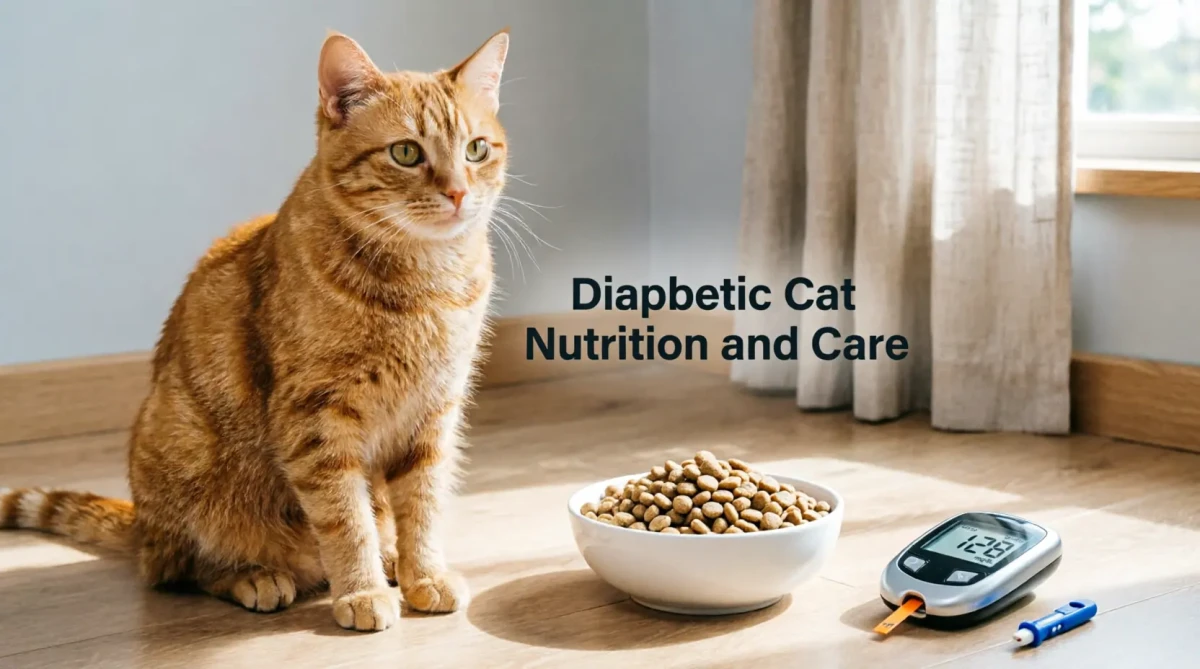
Understanding Diabetes in Cats and Nutritional Management
Diabetes mellitus is one of the most common endocrine disorders affecting cats, with studies suggesting that approximately 1 in 230 cats will develop diabetes during their lifetime. This chronic condition occurs when the pancreas fails to produce enough insulin or when the body becomes resistant to insulin's effects, leading to elevated blood glucose levels that can cause serious health complications if not properly managed.
Nutritional management is the cornerstone of diabetic care in cats. Unlike humans and dogs, cats are obligate carnivores with a unique metabolism that makes them particularly susceptible to the effects of carbohydrates. A diet high in carbohydrates can cause rapid spikes in blood glucose levels, making diabetes management extremely difficult. Conversely, a low-glycemic, high-protein diet can help stabilize blood sugar levels, improve insulin sensitivity, and in some cases, even lead to diabetic remission.
According to veterinary endocrinologists and nutritionists, the ideal diabetic cat diet should be high in quality animal protein (40-50% on a dry matter basis), low in carbohydrates (less than 10-12% on a dry matter basis), and moderate in fat to support healthy weight management. Healthy Diet Plan for Cats and Complete Nutrition Guide provides essential insights into creating balanced nutritional strategies for cats with special dietary needs.
How Diabetes Develops in Cats
Understanding the pathophysiology of feline diabetes helps owners appreciate the critical role of diet in disease management:
- Insulin Resistance: Obesity is the primary risk factor, causing cells to become less responsive to insulin
- Pancreatic Dysfunction: The insulin-producing beta cells in the pancreas become damaged or depleted
- Glucose Dysregulation: Without adequate insulin function, glucose cannot enter cells efficiently, leading to hyperglycemia
- Secondary Complications: Prolonged high blood sugar can cause neuropathy, kidney disease, and other serious conditions
Recognizing early warning signs is crucial for timely intervention. Learn more about Early Warning Signs Your Cat Is Sick: Complete Guide to help identify potential diabetes symptoms including increased thirst, frequent urination, increased appetite with weight loss, and lethargy.
The Critical Role of Low Glycemic Nutrition
The glycemic index measures how quickly carbohydrates in food raise blood glucose levels. For diabetic cats, low-glycemic nutrition is essential for several reasons:
Blood Sugar Stabilization: Low-glycemic foods cause slower, more gradual increases in blood glucose, preventing dangerous spikes that require large insulin doses.
Improved Insulin Sensitivity: High-protein, low-carbohydrate diets can improve the body's response to insulin, potentially reducing insulin requirements.
Weight Management: Protein-rich diets promote satiety and help maintain lean muscle mass while supporting healthy weight loss in overweight diabetic cats.
Potential for Remission: Studies show that early intervention with appropriate low-carbohydrate diets can lead to diabetic remission in 30-84% of cats, allowing them to discontinue insulin therapy.
Understanding Cat Digestive Health Guide for Beginners Complete Care helps you appreciate how proper nutrition affects overall metabolic health and diabetes management.
Key Nutritional Features for Diabetic Cat Food
Selecting the right food for a diabetic cat requires understanding specific nutritional features that support blood glucose control and overall health.
Low Carbohydrate Content
Carbohydrate restriction is the most critical factor in diabetic cat nutrition:
- Target Levels: Less than 10-12% carbohydrates on a dry matter basis (DMB)
- Avoid High-Carb Ingredients: Corn, wheat, rice, potatoes, peas, and other starchy fillers
- Read Labels Carefully: Calculate carbohydrate content: 100% - (protein% + fat% + fiber% + moisture% + ash%)
Most commercial dry cat foods contain 30-50% carbohydrates, making them unsuitable for diabetic cats. Wet foods typically contain significantly fewer carbohydrates and are generally preferred.
High-Quality Animal Protein
Protein is essential for diabetic cats for multiple reasons:
- Protein Content: 40-50% on a dry matter basis minimum
- Animal-Based Sources: Chicken, turkey, beef, lamb, fish, or rabbit provide complete amino acid profiles
- Muscle Preservation: Adequate protein prevents muscle wasting common in diabetic cats
- Gluconeogenesis: Protein provides glucose through a slower, more controlled process than carbohydrates
Moderate Fat Levels
Fat content must be carefully balanced:
- Fat Range: 20-40% on a dry matter basis, depending on the cat's weight
- Weight Loss: Overweight diabetic cats need moderate fat (20-30%) to support gradual weight loss
- Weight Maintenance: Normal-weight cats can tolerate higher fat levels (30-40%)
- Quality Fat Sources: Chicken fat, fish oil, or sunflower oil provide essential fatty acids
Increased Fiber (Optional)
Some diabetic cats benefit from moderate fiber supplementation:
- Soluble Fiber: Ingredients like psyllium or beet pulp can slow glucose absorption
- Fiber Content: 5-10% on a dry matter basis
- Individual Response: Not all cats benefit from increased fiber; monitor blood glucose response
Moisture Content
Wet food offers significant advantages for diabetic cats:
- Higher Moisture: Wet food contains 70-80% moisture vs. 10-12% in dry food
- Lower Carbohydrates: Wet foods naturally contain fewer carbohydrates
- Hydration: Diabetic cats are prone to dehydration from excessive urination
- Calorie Control: Wet food allows larger portions with fewer calories
Understanding the Wet vs Dry Cat Food: Which Is Better? debate is especially important for diabetic cats, as wet food is generally the superior choice.
Avoidance of Simple Sugars
Diabetic cat foods should not contain:
- Corn syrup or glucose
- Sucrose or fructose
- Molasses
- Sweetened ingredients
Top 10 Best Cat Foods for Diabetic Cats in 2026

After extensive research, veterinary consultation, and analysis of ingredient quality, nutritional composition, and clinical evidence, here are the top cat foods for diabetic cats available in the USA for 2026.
1. Hill's Prescription Diet m/d Glucose/Weight Management
Best Overall for Diabetic Cats
Hill's Prescription Diet m/d is specifically formulated for diabetic cats and cats requiring weight management, with clinically proven results for blood glucose control.
Key Features:
- Very low carbohydrate content (9% DMB)
- High protein (47% DMB) from chicken
- Increased fiber for satiety and glucose control
- L-carnitine to support fat metabolism
- Controlled calories for weight management
- Available in wet and dry formulations
Pros: Clinically proven to improve glycemic control, veterinarian recommended, excellent palatability, may promote diabetic remission
Cons: Requires veterinary authorization, premium price point, not suitable for healthy cats
Best For: Diabetic cats needing comprehensive nutritional management with proven clinical results
2. Royal Canin Diabetic DS46 Wet Cat Food
Best for Blood Sugar Stabilization
Royal Canin's Diabetic formula is specifically designed to help stabilize blood glucose levels in diabetic cats through precise nutrient balance.
Key Features:
- Moderate protein (42% DMB) from poultry
- Low carbohydrate content (13% DMB)
- High fat content for energy
- Controlled starch and simple sugars
- Added omega-3 fatty acids
- Veterinary diet formula
Pros: Specifically formulated for diabetes, excellent palatability, strong veterinary support, proven clinical results
Cons: Requires veterinary recommendation, expensive, limited availability outside clinics
Best For: Cats with diabetes needing specialized nutritional management
3. Purina Pro Plan Veterinary Diets DM Dietetic Management
Best Value for Prescription Diabetic Diet
Purina Pro Plan's DM formula offers effective diabetic management at a more accessible price point while maintaining high nutritional standards.
Key Features:
- High protein (43% DMB)
- Low carbohydrate content (11% DMB)
- Increased fiber for glucose control
- Added taurine for heart health
- Available in wet and dry formats
Pros: More affordable than some prescription options, good palatability, widely available through vets, effective nutritional profile
Cons: Requires veterinary authorization, some cats may prefer other textures
Best For: Budget-conscious owners seeking effective prescription diabetic nutrition
4. Fancy Feast Classic Pâté (Non-Prescription Option)
Best Accessible Low-Carb Wet Food
While not a prescription diabetic diet, many Fancy Feast Classic varieties are naturally low in carbohydrates and high in protein, making them suitable for diabetic cats.
Key Features:
- High protein content (12-14% as-fed, approximately 45-50% DMB)
- Very low carbohydrate content (1-3% as-fed)
- High moisture content (78%)
- No added sugars or grains in most varieties
- Widely available without prescription
Pros: Readily available, affordable, excellent palatability, naturally low-carb, multiple flavor options
Cons: Not specifically formulated for diabetes, nutrient levels not optimized for diabetic cats, some varieties contain carrageenan
Best For: Diabetic cats whose owners need accessible, affordable low-carb options
5. Weruva Cats in the Kitchen Wet Food
Best Natural Low-Carb Option
Weruva's Cats in the Kitchen line offers naturally low-carbohydrate, high-protein nutrition with human-grade ingredients.
Key Features:
- High protein (10-12% as-fed, approximately 40-45% DMB)
- Very low carbohydrate content (1-3%)
- High moisture content (75-80%)
- Human-grade ingredients
- No grains, gluten, or carrageenan
- Multiple protein options
Pros: Natural ingredients, excellent palatability, very low-carb, grain-free, widely available
Cons: Not prescription-formulated, higher price, phosphorus levels may be high for cats with kidney disease
Best For: Diabetic cats needing natural, low-carb nutrition without prescription requirement
6. Tiki Cat Luau Wet Food
Best High-Protein Low-Carb Formula
Tiki Cat's Luau line provides exceptional protein content with minimal carbohydrates, ideal for diabetic cats.
Key Features:
- Very high protein (16% as-fed, approximately 60% DMB)
- Minimal carbohydrate content (1-2%)
- Very high moisture content (80%+)
- Human-grade ingredients
- Grain-free and low-carb
- No artificial additives
Pros: Premium quality ingredients, excellent protein content, very low-carb, high moisture, grain-free
Cons: Very expensive, not prescription-formulated, may need supplementation for complete nutrition
Best For: Diabetic cats needing very high protein with minimal carbohydrates
7. Blue Buffalo Wilderness Grain-Free Wet Food
Best Grain-Free Option for Diabetic Cats
Blue Buffalo's Wilderness line offers high-protein, grain-free nutrition suitable for diabetic cats.
Key Features:
- High protein (12% as-fed, approximately 45% DMB)
- Low carbohydrate content
- Grain-free formula
- No artificial preservatives or flavors
- Added vitamins and minerals
Pros: Grain-free, good protein content, widely available, natural ingredients
Cons: Contains some plant proteins, moderate price, not prescription-formulated
Best For: Diabetic cats needing grain-free nutrition with good protein content
8. Wellness CORE Grain-Free Wet Food
Best Premium Natural Diabetic Option
Wellness CORE combines high protein with natural ingredients and no grains, making it suitable for diabetic cats.
Key Features:
- High protein (11% as-fed, approximately 42% DMB)
- Low carbohydrate content
- Grain-free formula
- No meat by-products or fillers
- Added taurine and vitamins
Pros: High-quality ingredients, grain-free, good protein content, natural nutrition
Cons: Premium price, not prescription-formulated, may be too rich for some cats
Best For: Diabetic cats whose owners prefer premium natural nutrition
9. Friskies Classic Pâté Wet Food
Best Budget-Friendly Low-Carb Option
Friskies Classic Pâté varieties offer affordable, low-carbohydrate nutrition suitable for diabetic cats on a budget.
Key Features:
- Moderate protein content (11-12% as-fed)
- Low carbohydrate content (2-4%)
- High moisture content (78%)
- Widely available
- Multiple flavor options
Pros: Very affordable, widely available, low-carb, good palatability
Cons: Contains by-products, not premium quality, some varieties contain carrageenan
Best For: Diabetic cats needing affordable low-carb nutrition
10. Natural Balance L.I.D. Limited Ingredient Wet Food
Best for Diabetic Cats with Food Sensitivities
Natural Balance's Limited Ingredient Diet formula provides simplified nutrition with low carbohydrates for diabetic cats with food sensitivities.
Key Features:
- Single protein source options
- Limited ingredients for easy digestion
- Low carbohydrate content
- High moisture content
- No artificial additives
Pros: Simple ingredient list, good for sensitive cats, low-carb, widely available
Cons: Moderate protein content, higher price than some options, not prescription-formulated
Best For: Diabetic cats with food sensitivities needing simplified, low-carb nutrition
For cats with multiple health concerns, Best Cat Food for Sensitive Stomachs: Expert Nutrition Guide offers valuable complementary information.
Comparison Table: Top Cat Foods for Diabetic Cats

| Brand | Protein % | Carbs % | Type | Prescription Required | Price Range | Best For |
|---|---|---|---|---|---|---|
| Hill's m/d | 47% | 9% | Wet/Dry | Yes | $$$$ | Overall effectiveness |
| Royal Canin Diabetic | 42% | 13% | Wet | Yes | $$$$ | Blood sugar control |
| Purina Pro Plan DM | 43% | 11% | Wet/Dry | Yes | $$$ | Value |
| Fancy Feast Classic | 45-50% | 5-8% | Wet | No | $$ | Accessibility |
| Weruva Cats Kitchen | 40-45% | 3-5% | Wet | No | $$$ | Natural ingredients |
| Tiki Cat Luau | 60% | 2-3% | Wet | No | $$$$ | High protein |
| Blue Buffalo Wilderness | 45% | 8-10% | Wet | No | $$$ | Grain-free |
| Wellness CORE | 42% | 7-9% | Wet | No | $$$$ | Premium natural |
| Friskies Classic | 40-45% | 5-8% | Wet | No | $ | Budget-friendly |
| Natural Balance LID | 35-40% | 6-9% | Wet | No | $$$ | Food sensitivities |
How to Transition Your Diabetic Cat to New Food

Transitioning a diabetic cat to a new diet requires careful planning and close monitoring to avoid dangerous blood glucose fluctuations.
Gradual Transition Schedule
Days 1-3: Mix 25% new diabetic food with 75% current food
Days 4-6: Mix 50% new diabetic food with 50% current food
Days 7-9: Mix 75% new diabetic food with 25% current food
Day 10: 100% new diabetic food
Critical Monitoring: During transition, monitor blood glucose levels at least twice daily and watch for signs of hypoglycemia (weakness, tremors, seizures) or hyperglycemia (excessive thirst, urination).
Veterinary Guidance: Always consult your veterinarian before transitioning a diabetic cat to a new diet, as insulin dosages may need adjustment.
For cats needing additional support with daily care routines during dietary transitions, Daily Care Routine for Cats: Complete 2026 Guide offers helpful strategies.
Strategies to Encourage Eating
- Warm the food slightly: Warming wet food to body temperature enhances aroma and palatability
- Offer small, frequent meals: Diabetic cats often do better with 3-4 small meals daily
- Maintain consistent feeding times: Feed at the same times daily to coordinate with insulin administration
- Ensure fresh water: Always provide clean, fresh water nearby
- Never skip meals: If your cat refuses food, contact your veterinarian immediately as this can cause dangerous hypoglycemia
Feeding Guidelines and Blood Glucose Monitoring

Portion Control for Diabetic Cats
Proper portion control is essential for diabetic management:
- Calculate calorie needs: Work with your veterinarian to determine appropriate daily caloric intake
- Divide into meals: Feed 2-4 measured meals daily rather than free-feeding
- Consistent portions: Feed the same amount at the same times daily
- Monitor body condition: Adjust portions to achieve gradual weight loss if overweight (1-2% body weight per week)
Blood Glucose Monitoring
Regular monitoring is essential for diabetic cats:
- Home monitoring: Learn to check blood glucose at home using a pet glucometer
- Fructosamine tests: Regular veterinary tests to assess long-term glucose control
- Glucose curves: Periodic monitoring throughout the day to assess insulin effectiveness
- Watch for symptoms: Monitor for signs of hypo- or hyperglycemia
Coordinating Food and Insulin
Timing is critical for diabetic cats:
- Feed before insulin: Always ensure your cat has eaten before administering insulin
- Consistent timing: Administer insulin at the same times daily
- Never give insulin to a cat that hasn't eaten: This can cause dangerous hypoglycemia
- Adjust dosages carefully: Only adjust insulin under veterinary guidance
For comprehensive preventive care guidance, Annual Health Check Routine for Cats: Complete Guide provides essential recommendations.
Additional Strategies for Diabetic Management

While proper nutrition is fundamental, comprehensive diabetic care requires multiple approaches.
Weight Management
Achieving and maintaining ideal body weight is crucial:
- Gradual weight loss: Overweight cats should lose weight slowly (1-2% body weight per week)
- Regular weigh-ins: Monitor weight weekly during active weight loss
- Avoid rapid loss: Rapid weight loss can cause hepatic lipidosis
- Maintain muscle mass: High-protein diets help preserve lean muscle during weight loss
Understanding Prevent Obesity in Indoor Cats Complete Health Guide helps you maintain your diabetic cat's ideal weight.
Exercise and Activity
Appropriate exercise supports diabetic management:
- Regular play sessions: 10-15 minutes, 2-3 times daily
- Interactive toys: Encourage movement and mental stimulation
- Gradual increase: Slowly increase activity in overweight or sedentary cats
- Monitor response: Watch for signs of fatigue or distress
For ideas on keeping cats mentally and physically stimulated, Best Interactive Cat Toys: Complete 2026 Guide offers excellent options.
Regular Veterinary Care
Diabetic cats require frequent veterinary monitoring:
- Regular checkups: Every 3-6 months for stable diabetics
- Blood work: Monitor glucose, kidney function, and other parameters
- Urinalysis: Check for urinary tract infections common in diabetics
- Dental care: Oral health impacts overall health and glucose control
When to Seek Immediate Veterinary Care

While proper nutrition and insulin management help most diabetic cats, certain situations require immediate veterinary attention:
- Complete loss of appetite for more than 12 hours
- Vomiting or diarrhea
- Lethargy, weakness, or collapse
- Tremors, seizures, or disorientation (signs of hypoglycemia)
- Excessive thirst and urination despite insulin
- Rapid weight loss
- Difficulty breathing
- Sweet or acetone-smelling breath (sign of ketoacidosis)
Recognizing Warning Signs Your Cat Needs a Vet Visit Guide helps you know when professional care is needed.
Frequently Asked Questions

Can diabetes in cats be reversed?
Yes, many cats can achieve diabetic remission, especially with early intervention. Studies show that 30-84% of diabetic cats can achieve remission with appropriate low-carbohydrate diets, insulin therapy, and weight management. The key is early diagnosis and aggressive nutritional management.
How long does it take to see improvement with diabetic cat food?
Most cats show improved blood glucose control within 2-4 weeks of switching to an appropriate low-carbohydrate diet. However, achieving diabetic remission may take several months of consistent management.
Can I feed my diabetic cat treats?
Treats should be given sparingly and should be low in carbohydrates. Good options include small pieces of cooked chicken, turkey, or freeze-dried meat treats. Never give treats containing grains, potatoes, or sugars. Treats should not exceed 10% of daily caloric intake.
Should I feed wet or dry food to my diabetic cat?
Wet food is generally superior for diabetic cats because it naturally contains fewer carbohydrates and more moisture. However, some cats do well on prescription dry diabetic diets. The most important factor is low carbohydrate content, regardless of format.
Can diabetic cats eat grain-free food?
Grain-free doesn't automatically mean low-carb. Many grain-free foods use potatoes, peas, or other high-carbohydrate ingredients. Always check the carbohydrate content, not just whether it's grain-free. Look for foods with less than 10-12% carbohydrates on a dry matter basis.
Conclusion

Managing your cat's diabetes through appropriate low-glycemic nutrition is one of the most important steps you can take for their health and quality of life. With proper diet, many diabetic cats can achieve excellent blood glucose control, and some may even achieve remission, allowing them to live normal, healthy lives without insulin.
From our comprehensive review, Hill's Prescription Diet m/d stands out as the best overall choice for most diabetic cats, offering extensive research backing, proven clinical results, and excellent palatability. However, the best food for your cat depends on their specific needs, preferences, and whether prescription diets are appropriate.
Remember that nutrition is just one component of diabetic management. Regular insulin administration (if prescribed), weight management, exercise, and veterinary monitoring all play crucial roles in successful diabetic care.
By investing in quality low-glycemic nutrition and implementing comprehensive management strategies, you can help your diabetic cat achieve better blood glucose control, potentially reduce insulin requirements, and enjoy a better quality of life. Your cat deserves the best care, and with the information in this guide, you're well-equipped to make informed decisions that will benefit them throughout their life.
For ongoing support and additional pet care resources, explore our comprehensive guides on Common Cat Health Problems and Prevention Tips and maintain regular veterinary partnerships through Healthy Diet Plan for Cats and Complete Nutrition Guide to ensure your diabetic cat receives holistic, expert-level care.

0 Comments