.png)
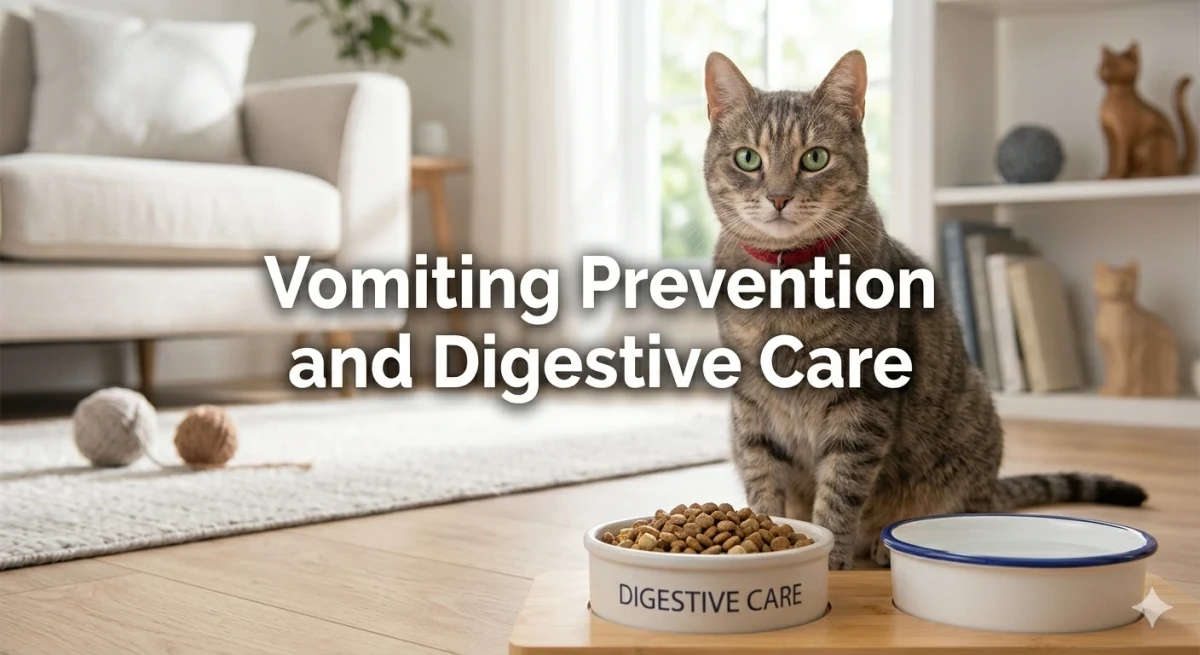
Understanding Vomiting and Digestive Sensitivity in Cats
Vomiting in cats is one of the most common concerns that pet owners face, and while occasional vomiting may not always indicate a serious problem, frequent or chronic vomiting can signal underlying digestive issues that require attention. Cats have sensitive digestive systems, and various factors including food intolerances, eating too quickly, hairballs, or underlying health conditions can trigger vomiting episodes.
When cats vomit regularly, it can lead to dehydration, nutrient deficiencies, and decreased quality of life for both the cat and their owner. Understanding the root causes of vomiting and selecting appropriate nutrition is crucial for managing this condition effectively. The right cat food can make a significant difference in reducing vomiting frequency and supporting overall digestive health.
According to veterinary gastroenterologists, cats experiencing frequent vomiting may benefit from diets that are easily digestible, contain limited ingredients, feature novel or hydrolyzed proteins, and include prebiotics or probiotics to support gut health. Best Cat Food for Sensitive Stomachs: Expert Nutrition Guide provides additional insights into selecting appropriate nutrition for cats with digestive sensitivities.
Common Causes of Vomiting in Cats
Before selecting a specialized diet, it's important to understand what might be causing your cat to vomit. Common causes include:
- Food Intolerances and Allergies: Cats can develop sensitivities to common protein sources like chicken, beef, or fish, leading to digestive upset and vomiting
- Eating Too Quickly: Cats that eat too fast may regurgitate undigested food shortly after meals
- Hairballs: Excessive grooming leads to hair ingestion, which can cause vomiting as the body attempts to expel the hair
- Dietary Indiscretion: Eating inappropriate items or sudden diet changes can trigger vomiting
- Inflammatory Bowel Disease (IBD): Chronic inflammation of the digestive tract causes persistent vomiting and requires specialized management
- Parasites or Infections: Intestinal parasites or bacterial infections can cause vomiting and digestive upset
- Underlying Medical Conditions: Kidney disease, hyperthyroidism, pancreatitis, or other systemic illnesses may present with vomiting
If your cat is experiencing frequent vomiting, consulting the Early Warning Signs Your Cat Is Sick: Complete Guide can help you determine when veterinary attention is needed.
How Specialized Diets Help Prevent Vomiting
Cat foods designed for vomiting prevention and sensitive digestive tracts work through several mechanisms:
Easily Digestible Ingredients: High-quality, highly digestible proteins and carbohydrates reduce the workload on the digestive system, minimizing the risk of vomiting.
Limited Ingredient Formulas: By reducing the number of ingredients, these diets minimize the chance of triggering food sensitivities or allergies that cause vomiting.
Novel or Hydrolyzed Proteins: Proteins that your cat hasn't been exposed to, or proteins broken down into tiny molecules, are less likely to trigger immune responses that lead to vomiting.
Prebiotics and Probiotics: Beneficial bacteria and fibers that feed them help maintain a healthy gut microbiome, supporting overall digestive function and reducing vomiting episodes.
Appropriate Fiber Levels: Balanced fiber content helps regulate digestion without causing irritation that could trigger vomiting.
Understanding Cat Digestive Health Guide for Beginners Complete Care helps you appreciate how proper nutrition supports gastrointestinal wellness.
Key Features of Cat Food for Vomiting Prevention
Not all cat foods are suitable for cats prone to vomiting. Selecting the right formula requires understanding specific features that support digestive health and minimize vomiting risk.
Highly Digestible Protein Sources
The quality and type of protein significantly impact digestive comfort. Look for foods that feature:
- Single Protein Source: Foods with one animal protein reduce the chance of triggering sensitivities
- Novel Proteins: Uncommon proteins like duck, rabbit, venison, or kangaroo that your cat hasn't encountered
- Hydrolyzed Proteins: Proteins broken down into tiny peptides that don't trigger immune responses
- High-Quality Named Meats: Real meat as the first ingredient, not meat by-products or meals
Avoid foods with multiple protein sources or unnamed meat by-products, as these increase the risk of digestive upset and vomiting.
Gentle Carbohydrate Sources
While cats are obligate carnivores, some carbohydrates are necessary for fiber and energy. For cats with sensitive stomachs:
- Easily Digestible Carbs: Rice, oatmeal, or sweet potatoes are gentler than corn or wheat
- Limited Carbohydrate Content: Lower carb levels reduce digestive stress
- Prebiotic Fibers: Ingredients like beet pulp or chicory root support beneficial gut bacteria
Appropriate Fat Levels
Fat content affects digestion speed and comfort:
- Moderate Fat Levels: Typically 10-20% on a dry matter basis for sensitive cats
- Quality Fat Sources: Chicken fat or fish oil that are easily digested
- Avoid Excessive Fat: High-fat foods can trigger vomiting in sensitive cats
Prebiotics and Probiotics
These ingredients support digestive health and may reduce vomiting:
- Probiotics: Live beneficial bacteria like Lactobacillus or Bifidobacterium
- Prebiotics: Fibers that feed beneficial bacteria, such as FOS or MOS
- Postbiotics: Beneficial compounds produced by probiotic bacteria
These ingredients help maintain a balanced gut microbiome, which is essential for proper digestion and vomiting prevention.
Moisture Content Considerations
The format of cat food affects digestion:
- Wet Food Benefits: Higher moisture content (70-80%) is easier to digest and helps prevent dehydration from vomiting
- Dry Food Considerations: Some cats digest kibble better; look for easily digestible formulas
- Combination Feeding: Many owners successfully feed both wet and dry food
Understanding the Wet vs Dry Cat Food: Which Is Better? debate helps you choose the right format for your vomiting-prone cat.
Top 10 Best Cat Foods for Vomiting Prevention in 2026

After extensive research, veterinary consultation, and analysis of ingredient quality, nutritional composition, and real-world results, here are the top cat foods for vomiting prevention available in the USA for 2026.
1. Hill's Prescription Diet i/d Digestive Care Wet Cat Food
Best Overall for Vomiting Prevention
Hill's Prescription Diet i/d is the most extensively researched and veterinarian-recommended digestive care diet for cats. This formula is specifically designed to support cats with vomiting, diarrhea, and other digestive issues.
Key Features:
- Highly digestible ingredients for easy digestion
- Prebiotic fiber to support beneficial gut bacteria
- Enhanced with omega-3 fatty acids
- Controlled fat levels to prevent digestive upset
- Added B vitamins and antioxidants
- Available in multiple wet and dry formulations
Pros: Clinically proven to improve digestive health, excellent palatability, widely available through veterinarians, strong research backing
Cons: Requires veterinary authorization, premium price point, not suitable for healthy cats
Best For: Cats with frequent vomiting whose owners prioritize evidence-based nutrition
2. Royal Canin Gastrointestinal High Energy Wet Cat Food
Best for Severe Digestive Issues
Royal Canin's Gastrointestinal formula is specifically designed for cats with acute or chronic digestive disorders, including frequent vomiting.
Key Features:
- Highly digestible proteins and carbohydrates
- Prebiotic fructooligosaccharides (FOS)
- High energy density for cats with reduced appetite
- Omega-3 fatty acids EPA and DHA
- Controlled fat and fiber levels
- Veterinary diet formula
Pros: Specifically formulated for digestive disorders, highly digestible, excellent for recovery, strong brand reputation, proven results
Cons: Requires veterinary recommendation, expensive, limited availability outside clinics
Best For: Cats with diagnosed gastrointestinal conditions or chronic vomiting
3. Purina Pro Plan Veterinary Diets EN Gastroenteric
Best Value for Prescription Digestive Diet
Purina Pro Plan's EN Gastroenteric formula offers effective digestive support at a more accessible price point while maintaining high nutritional standards.
Key Features:
- Highly digestible ingredients
- Added omega-3 fatty acids
- Enhanced B vitamins and antioxidants
- Controlled fat and fiber
- Available in wet and dry formats
Pros: More affordable than some prescription options, good palatability, widely available through vets, effective nutritional profile
Cons: Requires veterinary authorization, some cats may prefer other textures
Best For: Budget-conscious owners seeking effective prescription digestive nutrition
4. Blue Buffalo Basics Limited Ingredient Diet
Best Natural Limited Ingredient Option
Blue Buffalo's Basics line offers natural ingredients with limited components designed specifically for cats with food sensitivities and digestive issues.
Key Features:
- Single novel protein source (duck, turkey, or salmon)
- Limited carbohydrate from potatoes and peas
- No grains, gluten, corn, wheat, or soy
- Natural ingredients with no artificial preservatives
- Omega-3 and omega-6 fatty acids
- Easily digestible formula
Pros: Widely available without prescription, excellent ingredient quality, multiple protein options, effective for most sensitivities
Cons: Higher price point, contains potatoes which some cats may be sensitive to
Best For: Cats with food sensitivities causing vomiting needing reliable, natural nutrition
5. Wellness Simple Limited Ingredient Diet
Best Premium Natural Option
Wellness Simple combines premium natural ingredients with limited formulas designed for cats with sensitivities and digestive issues.
Key Features:
- Novel proteins (duck, salmon, or turkey)
- Easily digestible carbohydrates (oatmeal or potatoes)
- No wheat, corn, soy, or artificial additives
- Omega fatty acids for overall health
- Probiotics for digestive support
- Antioxidants for immune health
Pros: Premium ingredients, probiotic support, excellent for sensitive cats, high palatability
Cons: Premium price, contains oatmeal which isn't suitable for grain-sensitive cats
Best For: Owners seeking premium natural nutrition with added digestive support
6. Natural Balance L.I.D. Limited Ingredient Diets
Best Value for Limited Ingredient Diet
Natural Balance pioneered limited ingredient diets and continues to offer excellent options for cats with digestive sensitivities at competitive prices.
Key Features:
- Single protein source (duck, venison, rabbit, or salmon)
- Single carbohydrate source (green peas or sweet potatoes)
- No grains, fillers, or artificial ingredients
- Complete and balanced nutrition
- Available in both dry and wet formulas
Pros: Affordable, proven track record, multiple protein options, widely available, effective results
Cons: Some formulas contain peas which may not suit all cats, dry food has moderate protein content
Best For: Budget-conscious owners seeking reliable hypoallergenic nutrition for vomiting prevention
If your cat has food sensitivities, reviewing Best Cat Food for Indoor Cats: Complete 2026 Guide may provide additional suitable options.
7. Merrick Limited Ingredient Diet
Best Whole-Food Ingredients
Merrick's L.I.D. formula emphasizes real, whole-food ingredients with minimal processing for cats with digestive sensitivities.
Key Features:
- Single novel protein (duck, rabbit, or salmon)
- Single carbohydrate (sweet potato or peas)
- Grain-free formula
- Whole fruits and vegetables
- Omega fatty acids
- No artificial colors, flavors, or preservatives
Pros: Whole-food ingredients, excellent quality, grain-free, good for multiple sensitivities
Cons: Higher price, limited availability in some areas
Best For: Cats needing grain-free nutrition with whole-food ingredients
8. Farmina Vet Life Gastrointestinal
Best European-Formulated Digestive Diet
Farmina's Vet Life Gastrointestinal formula offers a unique approach to digestive support with high-quality ingredients and careful nutrient balancing.
Key Features:
- Highly digestible proteins
- Controlled fat and fiber levels
- Added EPA/DHA from fish oil
- Prebiotics for digestive health
- Electrolyte balance support
Pros: High-quality ingredients, good palatability, comprehensive nutrient profile, prebiotic support
Cons: Limited availability in USA, premium price, requires veterinary guidance
Best For: Cats needing digestive support with additional nutritional considerations
9. Instinct Limited Ingredient Diet
Best High-Protein Option for Sensitive Cats
Instinct's L.I.D. offers high protein content with minimal ingredients for cats with sensitivities that may cause vomiting.
Key Features:
- Single animal protein (lamb, duck, or rabbit)
- Minimal carbohydrates
- Grain-free, potato-free options
- Freeze-dried raw coating for enhanced nutrition
- No grains, gluten, corn, wheat, soy, or artificial ingredients
Pros: Very high protein, raw-coated kibble, minimal ingredients, free from common allergens
Cons: Premium price, strong smell some cats dislike, limited protein variety
Best For: Active cats needing high protein with minimal ingredients
10. Zignature Limited Ingredient Formula
Best for Multiple Food Sensitivities
Zignature specializes in ultra-limited formulas with unique protein sources for cats with severe sensitivities causing vomiting.
Key Features:
- Novel proteins (kangaroo, venison, lamb, or whitefish)
- Very low glycemic carbohydrates
- Grain-free, potato-free, pea-free
- No corn, wheat, soy, or dairy
- Chickpeas as primary carb source
Pros: Extremely limited ingredients, unique proteins, free from common allergens, effective for severe sensitivities
Cons: Very expensive, limited availability, some cats may need transition time
Best For: Cats with multiple food sensitivities or severe allergies causing vomiting
For cats with particularly challenging dietary needs, Best Cat Food for Picky Eaters and Finicky Felines offers additional guidance.
Comparison Table: Top Cat Foods for Vomiting Prevention

| Brand | Protein Source | Prescription Required | Price Range | Best For |
|---|---|---|---|---|
| Hill's i/d | Chicken | Yes | $$$$ | Overall effectiveness |
| Royal Canin GI | Chicken by-product | Yes | $$$$ | Severe digestive issues |
| Purina Pro Plan EN | Chicken | Yes | $$$ | Value |
| Blue Buffalo Basics | Duck/Turkey/Salmon | No | $$$ | Natural ingredients |
| Wellness Simple | Duck/Salmon/Turkey | No | $$$ | Premium nutrition |
| Natural Balance L.I.D. | Duck/Venison/Rabbit | No | $$ | Budget-friendly |
| Merrick L.I.D. | Duck/Rabbit/Salmon | No | $$$ | Whole foods |
| Farmina Vet Life | Chicken | Yes | $$$$ | European formulation |
| Instinct L.I.D. | Lamb/Duck/Rabbit | No | $$$$ | High protein |
| Zignature | Kangaroo/Venison | No | $$$$ | Severe allergies |
How to Transition Your Cat to Digestive Care Food

Switching a cat with vomiting issues to a new diet requires careful planning to avoid further digestive upset and ensure acceptance.
Gradual Transition Schedule
Days 1-3: Mix 25% new digestive food with 75% current food
Days 4-6: Mix 50% new digestive food with 50% current food
Days 7-9: Mix 75% new digestive food with 25% current food
Day 10: 100% new digestive food
Monitor your cat closely during this transition. Cats with vomiting issues may have very sensitive stomachs, so if vomiting occurs, slow the transition and spend more time at each stage.
For cats needing additional support with daily care routines during dietary transitions, Daily Care Routine for Cats: Complete 2026 Guide offers helpful strategies.
Strategies to Encourage Eating
- Warm the food slightly: Warming wet food to body temperature enhances aroma and palatability
- Offer small, frequent meals: Cats with vomiting issues often do better with 4-6 small meals daily
- Ensure fresh water: Always provide clean, fresh water nearby
- Minimize stress: Feed in a quiet, comfortable location
- Consult your vet: About appetite stimulants if needed
Feeding Guidelines and Management Strategies

Portion Control for Sensitive Cats
Proper portion control helps prevent overeating and vomiting:
- Small, frequent meals: Feed 4-6 small meals daily instead of 1-2 large meals
- Measured portions: Use measuring cups to ensure consistent feeding amounts
- Slow feeding: Use puzzle feeders or slow-feed bowls to prevent rapid eating
- Monitor body condition: Adjust portions to maintain ideal weight
Additional Management Strategies
Beyond diet, several strategies can help reduce vomiting:
- Elevated feeding stations: May help cats with certain digestive issues
- Separate feeding areas: Reduce stress in multi-cat households
- Regular feeding schedule: Consistency supports digestive health
- Avoid sudden diet changes: Always transition gradually
For comprehensive preventive care guidance, Annual Health Check Routine for Cats: Complete Guide provides essential recommendations.
When to See a Veterinarian

While dietary management helps many cats with vomiting, certain situations require immediate veterinary attention:
- Vomiting more than 2-3 times in 24 hours
- Blood in vomit or dark, coffee-ground appearance
- Vomiting accompanied by diarrhea
- Lethargy or weakness
- Loss of appetite for more than 24 hours
- Abdominal pain or distension
- Weight loss
- Dehydration signs (dry gums, decreased skin elasticity)
Chronic vomiting may indicate underlying conditions such as inflammatory bowel disease, hyperthyroidism, kidney disease, pancreatitis, or intestinal parasites. Your veterinarian can perform diagnostic tests to identify the cause and recommend appropriate treatment.
Recognizing Warning Signs Your Cat Needs a Vet Visit Guide helps you know when professional care is needed.
Frequently Asked Questions

How long does it take to see improvement with digestive diets?
Most cats show improvement in vomiting frequency within 2-4 weeks of switching to appropriate digestive care food. However, complete resolution may take 6-8 weeks as the digestive system heals and adjusts.
Can I give my cat treats while on a digestive diet?
Only use treats that are compatible with your cat's digestive diet. Choose limited-ingredient treats or use small amounts of the prescription food as treats. Avoid treats with ingredients that may trigger sensitivities.
Should I feed wet or dry food for vomiting prevention?
Both can be effective. Wet food is often easier to digest and provides hydration, while some cats do better with specific dry formulas. Many owners successfully feed a combination of both. Consult your veterinarian for personalized recommendations.
What if my cat won't eat the new digestive food?
Try warming the food slightly, adding a small amount of low-sodium broth, or trying different protein sources. For persistent picky eating, consult your veterinarian about palatability enhancers or alternative formulas.
Are grain-free diets better for vomiting prevention?
Not necessarily. While some cats benefit from grain-free diets, others do well with easily digestible grains like rice. What matters most is identifying your cat's specific sensitivities and choosing highly digestible ingredients.
Conclusion

Managing your cat's vomiting through appropriate nutrition is one of the most impactful steps you can take for their comfort and health. Specialized digestive care diets, when selected and implemented correctly, can significantly reduce vomiting frequency and improve your cat's quality of life.
From our comprehensive review, Hill's Prescription Diet i/d Digestive Care stands out as the best overall choice for most cats with vomiting issues, offering extensive research backing, proven clinical results, and excellent palatability. However, the best food for your cat depends on their specific condition, sensitivities, and veterinary recommendations.
Remember that dietary management is just one component of vomiting prevention. Regular veterinary care, stress reduction, proper feeding techniques, and attention to overall health all play crucial roles in maintaining your cat's digestive wellness.
By investing in quality digestive care nutrition and implementing comprehensive management strategies, you can help your cat live more comfortably and reduce the distress of frequent vomiting. Your cat deserves relief, and with the information in this guide, you're well-equipped to make informed decisions that will benefit them for years to come.
For ongoing support and additional pet care resources, explore our comprehensive guides on Healthy Diet Plan for Cats and Complete Nutrition Guide and maintain regular veterinary partnerships through Common Cat Health Problems and Prevention Tips to ensure your cat receives holistic, expert-level care.

0 Comments