.png)
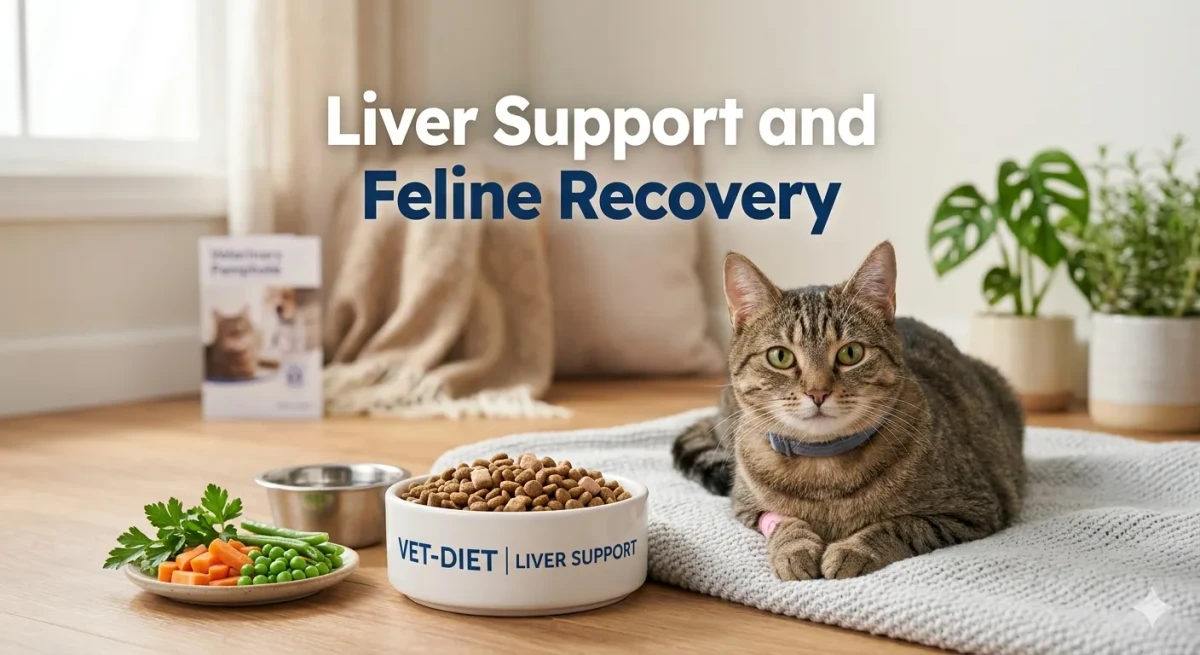
Understanding Liver Health and Recovery in Cats
The liver is one of the most vital organs in a cat's body, responsible for over 500 essential functions including detoxification, protein synthesis, nutrient metabolism, and bile production. When liver function becomes compromised due to disease, injury, or age-related decline, proper nutritional support becomes critical for recovery and long-term health management.
Feline liver disease can manifest in various forms, including hepatic lipidosis (fatty liver disease), cholangitis, hepatic encephalopathy, or liver damage from toxins. Each condition requires specific nutritional considerations to support healing while minimizing further stress on the compromised organ. Understanding these conditions and their dietary management is essential for cat owners navigating liver health challenges.
According to veterinary hepatologists and nutritionists, cats with liver concerns benefit significantly from diets that are moderate in high-quality protein, restricted in copper, enhanced with antioxidants, and formulated to support appetite and nutrient absorption. Common Cat Health Problems and Prevention Tips provides essential insights into recognizing early signs of liver issues and seeking timely veterinary care.
Common Liver Conditions in Cats
Understanding the specific liver conditions that affect cats helps owners appreciate the importance of targeted nutritional support:
- Hepatic Lipidosis: Also known as fatty liver disease, this condition occurs when fat accumulates in liver cells, often triggered by rapid weight loss or prolonged anorexia
- Cholangitis/Cholangiohepatitis: Inflammation of the bile ducts and liver tissue, often associated with bacterial infection or immune-mediated disease
- Hepatic Encephalopathy: A neurological condition resulting from the liver's inability to filter toxins, leading to cognitive and behavioral changes
- Toxic Liver Damage: Injury caused by exposure to medications, plants, chemicals, or other hepatotoxic substances
- Age-Related Liver Decline: Natural reduction in liver function that occurs with advancing age
Recognizing early warning signs is crucial for timely intervention. Learn more about Early Warning Signs Your Cat Is Sick: Complete Guide to help identify potential liver issues including jaundice, decreased appetite, vomiting, lethargy, or behavioral changes.
The Critical Role of Nutrition in Liver Recovery
Nutritional management is fundamental to supporting liver health and facilitating recovery in cats with hepatic concerns. The liver plays a central role in metabolizing nutrients, so dietary choices directly impact its workload and healing capacity.
Protein Quality Over Quantity: While protein restriction was once emphasized for liver disease, current veterinary guidance favors moderate levels of highly digestible, high-quality animal protein. This approach supports tissue repair and prevents muscle wasting while minimizing ammonia production that can worsen hepatic encephalopathy.
Copper Restriction: Elevated copper levels can exacerbate liver damage in susceptible cats. Liver support diets typically contain reduced copper content to minimize oxidative stress on hepatic tissue.
Antioxidant Enhancement: The liver is particularly vulnerable to oxidative damage. Diets enhanced with vitamins E and C, selenium, and other antioxidants help protect liver cells and support regeneration.
Appetite Support: Cats with liver disease often experience nausea and decreased appetite. Palatable, easily digestible formulas encourage adequate intake, which is critical for recovery.
Understanding Cat Digestive Health Guide for Beginners Complete Care helps you appreciate how proper nutrition absorption supports overall health, including liver function.
Key Nutrients for Liver Support and Hepatic Health
Selecting appropriate cat food for liver support requires understanding specific nutrients that promote hepatic healing while minimizing metabolic stress.
Moderate High-Quality Protein
Protein management is nuanced in liver disease:
- Protein Content: Typically 28-35% on a dry matter basis for cats with liver concerns
- Animal-Based Sources: Chicken, egg, or fish provide complete amino acid profiles with high digestibility
- Branched-Chain Amino Acids: Leucine, isoleucine, and valine support muscle preservation and may improve hepatic encephalopathy
- Avoid Excessive Protein: Very high protein levels can increase ammonia production in compromised livers
Copper Restriction
Managing copper intake is essential for cats with liver disease:
- Target Levels: Liver support diets typically contain less than 5-10 ppm copper on a dry matter basis
- Avoid High-Copper Ingredients: Liver, shellfish, and certain supplements should be limited
- Zinc Supplementation: Zinc can help reduce copper absorption and provide antioxidant support
Antioxidants for Hepatic Protection
Antioxidants help protect liver cells from oxidative damage:
- Vitamin E: A powerful fat-soluble antioxidant that protects cell membranes
- Vitamin C: Supports regeneration of vitamin E and provides additional antioxidant protection
- Selenium: Works synergistically with vitamin E as an antioxidant enzyme cofactor
- Silymarin (Milk Thistle): A botanical extract with documented hepatoprotective properties
B-Complex Vitamins
Cats with liver disease often have increased requirements for B vitamins:
- Thiamine (B1): Essential for energy metabolism and neurological function
- Cobalamin (B12): Supports red blood cell production and neurological health; often deficient in cats with chronic liver disease
- Other B Vitamins: Support various metabolic processes affected by liver dysfunction
Omega-3 Fatty Acids
Omega-3 fatty acids provide anti-inflammatory benefits for liver health:
- EPA and DHA: From fish oil, reduce inflammation in hepatic tissue
- Anti-Fibrotic Effects: May help slow progression of liver fibrosis
- Appetite Support: Can improve palatability and encourage eating
Moisture Content and Hydration
Wet food offers significant advantages for cats with liver concerns:
- Higher Moisture: Wet food contains 70-80% moisture vs. 10-12% in dry food
- Hydration Support: Cats with liver disease are prone to dehydration
- Easier Digestion: Softer texture may be better tolerated by cats with nausea
- Calorie Density: Allows adequate nutrition in smaller volumes for cats with reduced appetite
Understanding the Wet vs Dry Cat Food: Which Is Better? debate helps you choose the format that best supports your cat's liver health and hydration needs.
Top 10 Best Cat Foods for Liver Support in 2026

After extensive research, veterinary consultation, and analysis of ingredient quality, nutritional composition, and clinical evidence, here are the top cat foods for liver support available in the USA for 2026.
1. Hill's Prescription Diet l/d Liver Care Wet Cat Food
Best Overall for Liver Support
Hill's Prescription Diet l/d is the most extensively researched and veterinarian-recommended hepatic diet for cats. This formula is specifically designed to support liver function and facilitate recovery.
Key Features:
- Moderate high-quality protein from egg and chicken
- Restricted copper content
- Enhanced with antioxidants (vitamins E and C)
- Added B-complex vitamins
- Omega-3 fatty acids from fish oil
- Highly digestible ingredients
- Available in wet and dry formulations
Pros: Clinically proven to support liver health, excellent palatability, widely available through veterinarians, strong research backing
Cons: Requires veterinary authorization, premium price point, not suitable for healthy cats
Best For: Cats with diagnosed liver disease whose owners prioritize evidence-based nutrition
2. Royal Canin Hepatic Wet Cat Food
Best for Severe Liver Conditions
Royal Canin's Hepatic formula is specifically designed for cats with acute or chronic liver disorders, providing targeted nutritional support.
Key Features:
- Moderate protein from highly digestible sources
- Restricted copper and sodium
- Enhanced with antioxidants and B vitamins
- Added omega-3 fatty acids EPA and DHA
- High energy density for cats with reduced appetite
- Soft texture easy for sick cats to eat
Pros: Specifically formulated for liver disease, highly digestible, excellent for recovery, strong veterinary support, proven clinical results
Cons: Requires veterinary recommendation, expensive, limited availability outside clinics
Best For: Cats with severe hepatic conditions needing specialized therapeutic nutrition
3. Purina Pro Plan Veterinary Diets HP Hepatic
Best Value for Prescription Liver Diet
Purina Pro Plan's HP Hepatic formula offers effective liver support at a more accessible price point while maintaining high nutritional standards.
Key Features:
- Moderate high-quality protein
- Restricted copper content
- Enhanced antioxidants and B vitamins
- Omega-3 fatty acids
- Highly digestible ingredients
- Available in wet and dry formats
Pros: More affordable than some prescription options, good palatability, widely available through vets, effective nutritional profile
Cons: Requires veterinary authorization, some cats may prefer other textures
Best For: Budget-conscious owners seeking effective prescription hepatic nutrition
4. Blue Buffalo Natural Veterinary Diet Hepatic Support
Best Natural Ingredient Prescription Option
Blue Buffalo's veterinary hepatic diet combines liver support with natural ingredients, appealing to owners who prioritize whole-food nutrition.
Key Features:
- Moderate protein from natural sources
- Restricted copper with natural ingredients
- Added antioxidants from fruits and vegetables
- Omega fatty acids from fish oil
- No artificial colors, flavors, or preservatives
Pros: Natural ingredient focus, effective liver support, good palatability, no artificial additives
Cons: Premium price, veterinary prescription required, limited availability
Best For: Owners seeking natural-ingredient prescription diets for liver support
5. Wellness CORE Grain-Free (for prevention)
Best Non-Prescription Option for Liver Health Maintenance
While not a prescription hepatic diet, Wellness CORE's high-quality ingredients and antioxidant profile can support liver health in cats at risk.
Key Features:
- High-quality protein from turkey and chicken
- Grain-free formula
- Antioxidants from fruits and vegetables
- Omega fatty acids from salmon oil
- No artificial additives
Pros: Readily available without prescription, quality ingredients, antioxidant-rich, good for prevention
Cons: Not specifically formulated for liver disease, moderate copper levels
Best For: Senior cats or those at risk for liver issues needing preventive nutrition
For cats needing additional digestive support alongside liver care, Best Cat Food for Sensitive Stomachs: Expert Nutrition Guide offers valuable complementary information.
6. Farmina Vet Life Hepatic
Best European-Formulated Liver Diet
Farmina's Vet Life Hepatic formula offers a unique approach to liver support with high-quality ingredients and careful nutrient balancing.
Key Features:
- Moderate highly digestible protein
- Restricted copper and controlled minerals
- Added antioxidants and B vitamins
- Omega-3 fatty acids from fish oil
- Prebiotics for digestive health
Pros: High-quality ingredients, good palatability, comprehensive nutrient profile, prebiotic support
Cons: Limited availability in USA, premium price, requires veterinary guidance
Best For: Cats needing liver support with additional digestive considerations
7. Tiki Cat Luau (for hydration support)
Best High-Moisture Supplemental Option
Tiki Cat's Luau line provides exceptional moisture content and high-quality protein, making it an excellent supplemental option for cats needing hydration support during liver recovery.
Key Features:
- Human-grade protein sources
- Very high moisture content (80%+)
- Low carbohydrate formula
- No artificial additives
- Multiple protein options
Pros: Premium quality ingredients, excellent hydration support, high protein, grain-free, natural nutrition
Cons: Not copper-restricted, premium price, not a complete hepatic diet
Best For: Supplementing hydration alongside prescription liver diets
8. Weruva Cats in the Kitchen (for appetite support)
Best Palatable Wet Food for Cats with Reduced Appetite
Weruva's Cats in the Kitchen line offers highly palatable wet foods that can help maintain appetite in cats with liver concerns.
Key Features:
- Human-grade ingredients
- High moisture content (75-80%)
- Multiple protein options
- Grain-free and gluten-free
- No artificial additives
Pros: Excellent palatability, high moisture, quality ingredients, variety of flavors
Cons: Not copper-restricted, higher price, not a therapeutic diet
Best For: Encouraging eating in cats with reduced appetite alongside liver care
9. Natural Balance L.I.D. Limited Ingredient (for sensitive cats)
Best for Cats with Liver Issues and Food Sensitivities
Natural Balance's Limited Ingredient Diet formula provides simplified nutrition that may benefit cats with liver concerns and additional food sensitivities.
Key Features:
- Single protein source options
- Limited ingredients for easy digestion
- High moisture content in wet formulas
- No artificial additives
- Multiple protein choices
Pros: Simple ingredient list, good for sensitive cats, high moisture, widely available
Cons: Not copper-restricted, moderate protein levels, not a therapeutic diet
Best For: Cats with liver concerns and food sensitivities needing simplified nutrition
10. Instinct Raw Boost Senior (for senior cats)
Best High-Protein Option for Senior Cats with Liver Concerns
For senior cats needing muscle support alongside liver health, Instinct's Raw Boost offers high-quality protein with added raw pieces for enhanced nutrition.
Key Features:
- High-quality animal protein
- Freeze-dried raw pieces
- Grain-free formula
- Added probiotics
- Omega fatty acids
Pros: High protein quality, raw nutrition benefits, probiotic support, palatable
Cons: Not copper-restricted, not for diagnosed liver disease, premium price
Best For: Senior cats without diagnosed liver disease needing muscle support and preventive care
For additional guidance on managing senior cats with health considerations, Affordable Cat Food for Senior Cats: 2026 Guide offers budget-friendly options with appropriate nutrition.
Comparison Table: Top Cat Foods for Liver Support

| Brand | Protein Source | Copper Restricted | Prescription Required | Price Range | Best For |
|---|---|---|---|---|---|
| Hill's l/d | Egg/Chicken | Yes | Yes | $$$$ | Overall effectiveness |
| Royal Canin Hepatic | Poultry | Yes | Yes | $$$$ | Severe liver conditions |
| Purina Pro Plan HP | Chicken | Yes | Yes | $$$ | Value |
| Blue Buffalo Vet Hepatic | Natural protein | Yes | Yes | $$$$ | Natural ingredients |
| Wellness CORE | Turkey/Chicken | No | No | $$$$ | Prevention |
| Farmina Vet Life | Chicken | Yes | Yes | $$$$ | European formulation |
| Tiki Cat Luau | Human-grade meat | No | No | $$$$ | Hydration support |
| Weruva Cats Kitchen | Human-grade meat | No | No | $$$ | Appetite support |
| Natural Balance LID | Single protein | No | No | $$$ | Food sensitivities |
| Instinct Raw Boost | Cage-free chicken | No | No | $$$$ | Senior muscle support |
How to Transition Your Cat to Liver Support Food

Switching a cat with liver concerns to a new diet requires careful planning to ensure acceptance and avoid further stress on the compromised organ.
Gradual Transition Schedule
Days 1-3: Mix 25% new liver support food with 75% current food
Days 4-6: Mix 50% new liver support food with 50% current food
Days 7-9: Mix 75% new liver support food with 25% current food
Day 10: 100% new liver support food
Monitor your cat closely during this transition. Cats with liver disease may have very sensitive appetites, so if vomiting or refusal to eat occurs, slow the transition and consult your veterinarian.
For cats needing additional support with daily care routines during dietary transitions, Daily Care Routine for Cats: Complete 2026 Guide offers helpful strategies.
Strategies to Encourage Eating
- Warm the food slightly: Warming wet food to body temperature enhances aroma and palatability
- Offer small, frequent meals: Cats with liver disease often do better with 4-6 small meals daily
- Ensure fresh water: Always provide clean, fresh water nearby
- Minimize stress: Feed in a quiet, comfortable location
- Consult your vet: About appetite stimulants or anti-nausea medications if needed
Feeding Guidelines and Monitoring Recovery

Portion Control for Liver Support
Proper portion control helps prevent overfeeding while ensuring adequate nutrition:
- Follow veterinary guidance: Your vet will calculate appropriate calorie needs based on your cat's condition
- Small, frequent meals: Feed 4-6 small meals daily rather than 1-2 large meals
- Monitor body condition: Adjust portions to maintain ideal weight; obesity worsens liver stress
- Track water intake: Ensure adequate hydration for toxin elimination
Monitoring Your Cat's Response
After transitioning to liver support food, monitor for improvements in:
- Appetite and food intake
- Energy levels and activity
- Vomiting or nausea episodes
- Jaundice (yellowing of eyes, gums, or skin)
- Behavioral changes or mental clarity
- Blood work values (through veterinary monitoring)
Improvements in liver function typically require regular veterinary monitoring through blood tests rather than visible changes alone. Schedule follow-up appointments every 2-4 weeks during active recovery.
Additional Strategies for Liver Health Support

While diet is fundamental, comprehensive liver care requires multiple approaches.
Medication and Supplement Management
Work closely with your veterinarian on:
- Prescribed medications: Such as lactulose for hepatic encephalopathy or antibiotics for infections
- Supplement timing: Some supplements may interact with medications or affect absorption
- Avoid hepatotoxic substances: Including certain medications, plants, and chemicals
Environmental Management
Reduce stressors that can impact liver health:
- Minimize toxin exposure: Keep household chemicals, plants, and medications secure
- Provide quiet resting areas: Support recovery with low-stress environments
- Maintain consistent routines: Predictability reduces stress for recovering cats
Regular Veterinary Monitoring
Cats with liver disease require frequent veterinary oversight:
- Blood work: Regular monitoring of liver enzymes, bilirubin, and other parameters
- Ultrasound or imaging: As recommended to assess liver structure
- Weight checks: Monitor for muscle loss or weight changes
- Medication adjustments: Based on response and test results
For comprehensive preventive care guidance, Annual Health Check Routine for Cats: Complete Guide provides essential recommendations.
When to Seek Immediate Veterinary Care

While nutritional support helps many cats with liver concerns, certain situations require immediate veterinary attention:
- Complete loss of appetite for more than 24 hours
- Vomiting that persists or contains blood
- Severe lethargy or collapse
- Jaundice (yellowing of eyes, gums, or skin)
- Neurological signs: disorientation, head pressing, seizures
- Abdominal swelling or pain
- Dark urine or pale stools
These signs may indicate disease progression or complications requiring immediate intervention.
Recognizing Warning Signs Your Cat Needs a Vet Visit Guide helps you know when professional care is needed.
Frequently Asked Questions

Can liver disease in cats be reversed?
Some liver conditions, particularly hepatic lipidosis, can improve significantly or resolve completely with appropriate treatment and nutritional support. However, chronic conditions like cirrhosis involve permanent scarring that cannot be reversed, though progression can often be slowed with proper management.
How long does it take to see improvement with liver support diets?
Appetite and energy improvements may appear within 1-2 weeks of starting appropriate liver support nutrition. However, complete liver function recovery may take weeks to months and should be monitored through veterinary blood work rather than visible signs alone.
Can I give my cat supplements with liver support food?
Always consult your veterinarian before adding supplements. Some supplements like milk thistle may provide additional support, but others could interact with medications or worsen liver function. Prescription liver diets are formulated to provide complete nutrition.
Should I feed wet or dry food for liver support?
Wet food is generally preferred for cats with liver disease because it provides better hydration, is often more palatable for cats with nausea, and allows easier portion control. However, some cats do well on prescription dry hepatic diets. Follow your veterinarian's recommendation.
Can senior cats safely eat liver support food?
Yes, liver support diets can be appropriate for senior cats, but they should be used under veterinary guidance. Senior cats may have additional health considerations requiring balanced nutritional management.
Conclusion

Managing your cat's liver health through appropriate nutritional support is one of the most important steps you can take for their recovery and long-term wellbeing. Liver disease requires careful, specialized dietary management, and the right food can significantly support healing while minimizing further stress on this vital organ.
From our comprehensive review, Hill's Prescription Diet l/d Liver Care stands out as the best overall choice for most cats with liver concerns, offering extensive research backing, proven clinical results, and excellent palatability. However, the best food for your cat depends on their specific condition, preferences, and veterinary recommendations.
Remember that nutrition is just one component of liver care. Medication management, environmental support, stress reduction, and regular veterinary monitoring all play crucial roles in maintaining your cat's hepatic health.
By investing in quality liver support nutrition and implementing comprehensive care strategies, you can help your cat recover more effectively, manage chronic conditions, and enjoy a better quality of life. Your cat deserves the best care, and with the information in this guide, you're well-equipped to make informed decisions that will benefit them throughout their recovery journey.
For ongoing support and additional pet care resources, explore our comprehensive guides on Healthy Diet Plan for Cats and Complete Nutrition Guide and maintain regular veterinary partnerships through Signs of a Healthy Cat Every Owner Should Know to ensure your cat receives holistic, expert-level care.

0 Comments