.png)
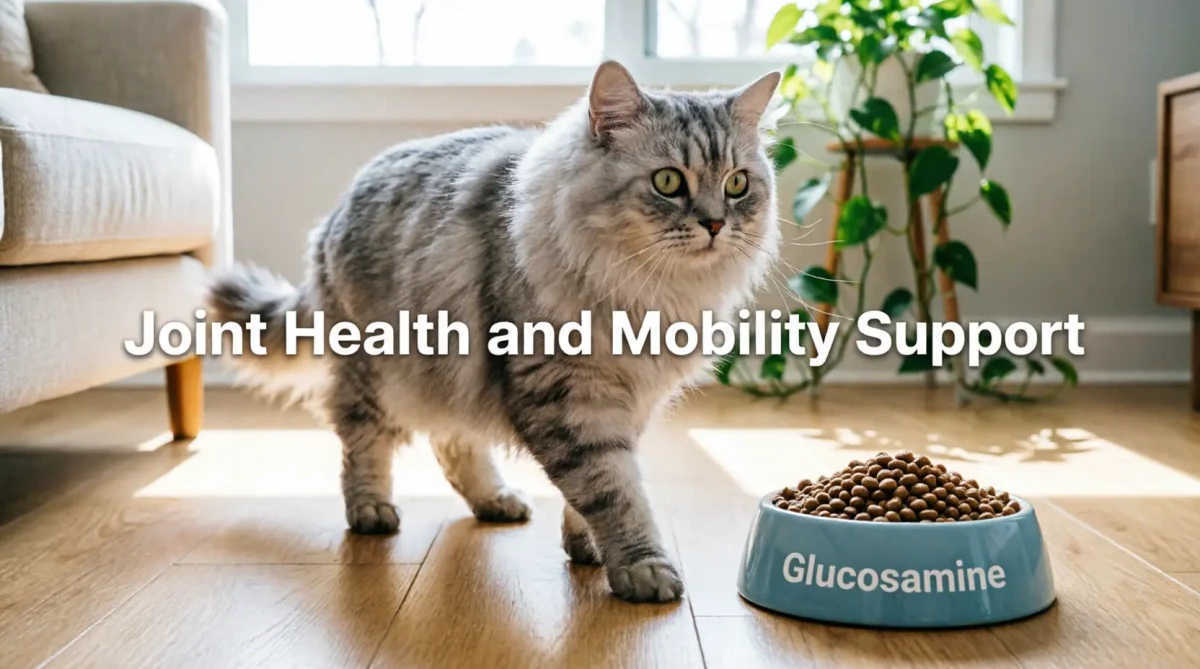
Understanding Joint Health and Mobility in Senior Cats
As cats age, maintaining joint health and mobility becomes one of the most critical aspects of their overall wellbeing. Just like humans, cats experience natural wear and tear on their joints over time, leading to conditions like osteoarthritis, stiffness, and reduced mobility. Studies suggest that over 90% of cats over age 12 show some signs of degenerative joint disease, making proper nutrition with joint-supporting nutrients essential for senior feline health.
Glucosamine has emerged as a cornerstone nutrient in supporting feline joint health. This naturally occurring compound is a building block for cartilage, the flexible tissue that cushions joints and allows smooth movement. As cats age, their bodies produce less glucosamine, leading to cartilage breakdown, joint inflammation, and the painful symptoms associated with arthritis. Supplementing through diet can help slow this degenerative process and maintain mobility.
According to veterinary nutritionists and feline health experts, senior cats benefit significantly from diets that include glucosamine, chondroitin, omega-3 fatty acids, and high-quality protein to support joint health while maintaining muscle mass. Affordable Cat Food for Senior Cats: 2026 Guide provides additional insights into comprehensive nutrition for aging felines.
Common Joint Problems in Senior Cats
Understanding the joint issues that affect senior cats helps owners recognize early signs and take preventive action:
- Osteoarthritis: The most common joint disease in older cats, causing cartilage breakdown, bone changes, and chronic pain
- Hip Dysplasia: Abnormal hip joint development that can worsen with age, leading to arthritis and mobility issues
- Patellar Luxation: Kneecap displacement that causes intermittent lameness and discomfort
- Spondylosis: Degenerative changes in the spine that cause stiffness and reduced flexibility
- Tendon and Ligament Degeneration: Age-related weakening of connective tissues supporting joints
Recognizing early warning signs is crucial for timely intervention. Learn more about Early Warning Signs Your Cat Is Sick: Complete Guide to help identify potential joint issues before they significantly impact quality of life.
How Glucosamine Supports Feline Joint Health
Glucosamine works through multiple mechanisms to support joint health and mobility in senior cats:
Cartilage Building Block: Glucosamine is essential for producing glycosaminoglycans, the molecules that form the structural framework of cartilage. Adequate glucosamine helps maintain cartilage integrity and promotes repair of damaged tissue.
Anti-Inflammatory Effects: Glucosamine has mild anti-inflammatory properties that can help reduce joint swelling and pain associated with arthritis.
Synovial Fluid Support: Glucosamine contributes to the production of synovial fluid, the lubricating substance that allows joints to move smoothly without friction.
Cartilage Protection: By supporting cartilage health, glucosamine helps slow the degenerative process that leads to osteoarthritis.
Understanding Cat Digestive Health Guide for Beginners Complete Care helps you appreciate how proper nutrition absorption supports overall health, including joint function.
Key Nutrients for Joint Health and Mobility
While glucosamine is crucial, effective joint support requires a comprehensive nutritional approach. Several nutrients work synergistically to maintain joint health and mobility in senior cats.
Glucosamine and Chondroitin: The Dynamic Duo
Glucosamine and chondroitin are most effective when combined:
- Glucosamine Sulfate: The most bioavailable form, typically dosed at 125-250 mg per day for average-sized cats
- Chondroitin Sulfate: Works with glucosamine to inhibit enzymes that break down cartilage and attract water to cartilage for cushioning
- Optimal Ratio: Look for foods with glucosamine and chondroitin in approximately 5:1 ratio
These compounds are often derived from shellfish, chicken cartilage, or produced synthetically for cat food formulations.
Omega-3 Fatty Acids for Joint Inflammation
Omega-3 fatty acids, particularly EPA (eicosapentaenoic acid) and DHA (docosahexaenoic acid), provide powerful anti-inflammatory benefits:
- Reduce joint inflammation and swelling
- Decrease pain associated with arthritis
- Support overall joint lubrication
- Promote healthy cell membranes in joint tissues
Look for cat foods containing fish oil, salmon oil, or other marine omega-3 sources. The ideal combined EPA+DHA level for joint support is typically 0.3-0.5% on a dry matter basis.
High-Quality Protein for Muscle Maintenance
Strong muscles support and protect joints, making adequate protein essential:
- Protein Content: Senior cats need 30-40% protein on a dry matter basis to maintain muscle mass
- Animal-Based Proteins: Chicken, turkey, fish, or lamb provide complete amino acid profiles
- Digestibility: High-quality proteins are efficiently absorbed, supporting muscle synthesis
Maintaining muscle mass is crucial because strong muscles reduce the load on joints and improve mobility.
MSM (Methylsulfonylmethane)
MSM is a natural sulfur compound that provides additional joint support:
- Reduces inflammation and pain
- Supports connective tissue health
- May improve joint flexibility
- Works synergistically with glucosamine and chondroitin
Antioxidants for Joint Protection
Oxidative stress contributes to joint degeneration. Antioxidants help protect joint tissues:
- Vitamin E: Protects cell membranes from oxidative damage
- Vitamin C: Supports collagen production in cartilage
- Selenium: Works with vitamin E as a powerful antioxidant
- Beta-carotene: Precursor to vitamin A with antioxidant properties
Controlled Calories and Weight Management
Maintaining ideal body weight is crucial for joint health:
- Calorie Control: Prevents excess weight that stresses joints
- Moderate Fat Levels: Typically 12-18% on a dry matter basis for senior cats
- Quality Fat Sources: Provide essential fatty acids without excess calories
Understanding the Wet vs Dry Cat Food: Which Is Better? debate helps you choose the format that best supports your senior cat's joint health and hydration needs.
Top 10 Best Cat Foods with Glucosamine for Joint Health in 2026

After extensive research, veterinary consultation, and analysis of ingredient quality, nutritional composition, and real-world results, here are the top cat foods with glucosamine for joint health and mobility support available in the USA for 2026.
1. Hill's Science Diet Adult 7+ Senior Vitality Chicken Recipe
Best Overall for Senior Joint Health
Hill's Science Diet Adult 7+ is specifically formulated for senior cats with added glucosamine and chondroitin for joint support, plus comprehensive nutrition for aging cats.
Key Features:
- Added glucosamine and chondroitin for joint health
- High-quality protein (32%) to maintain muscle mass
- Omega-3 fatty acids from fish oil
- Antioxidant blend with vitamins C and E
- Controlled phosphorus for kidney health
- Easy-to-digest formula
Pros: Veterinarian recommended, clinically tested, excellent palatability, widely available, comprehensive senior nutrition
Cons: Contains grains (corn, wheat), higher price point, not suitable for cats with grain sensitivities
Best For: Senior cats needing comprehensive joint support and overall vitality nutrition
2. Royal Canin Aging 12+ Thin Slices in Gravy
Best for Very Senior Cats
Royal Canin's Aging 12+ formula is specifically designed for cats 12 years and older, with targeted nutrition including joint support nutrients.
Key Features:
- Glucosamine and chondroitin for joint health
- Highly digestible proteins and prebiotics
- Omega-3 fatty acids EPA and DHA
- Adapted calorie content for less active seniors
- Soft texture easy for older cats to eat
- High moisture content (78%)
Pros: Specifically formulated for very senior cats, excellent palatability, strong veterinary support, proven clinical results
Cons: Expensive, limited availability outside specialty stores, wet food only
Best For: Cats 12+ years needing specialized nutrition with joint support
3. Purina Pro Plan Focus Adult 7+ Senior
Best Value for Senior Joint Support
Purina Pro Plan's Senior formula offers effective joint support with glucosamine at a more accessible price point while maintaining high nutritional standards.
Key Features:
- Added glucosamine for joint health
- High protein (40%) to maintain muscle
- Omega-6 fatty acids and vitamin A
- Antioxidants for immune support
- Available in wet and dry formats
- High digestibility formula
Pros: More affordable than some premium options, good palatability, widely available, effective nutritional profile
Cons: Contains corn and wheat, moderate glucosamine levels
Best For: Budget-conscious owners seeking effective senior nutrition with joint support
4. Blue Buffalo Healthy Aging Natural Senior Cat Food
Best Natural Ingredient Option
Blue Buffalo's Healthy Aging formula combines natural ingredients with joint-supporting nutrients, appealing to owners who prefer natural nutrition.
Key Features:
- Glucosamine and chondroitin for joint health
- Real chicken as first ingredient
- Omega-3 and omega-6 fatty acids
- LifeSource Bits with antioxidants
- No artificial preservatives or flavors
- L-carnitine for healthy weight
Pros: Natural ingredients, good joint support, widely available without prescription, effective for most seniors
Cons: Contains grains, higher price point, moderate protein content
Best For: Senior cats whose owners prefer natural ingredients with joint support
5. Wellness CORE Senior Grain-Free
Best Premium Grain-Free Option
Wellness CORE Senior combines high protein, grain-free nutrition with joint-supporting ingredients for active senior cats.
Key Features:
- Glucosamine and chondroitin for joint health
- High protein (42%) from turkey and chicken
- Grain-free formula
- Omega fatty acids from salmon oil
- Probiotics for digestive health
- No meat by-products or fillers
Pros: High-quality ingredients, grain-free, excellent protein content, probiotic support, natural ingredients
Cons: Premium price, may be too rich for some seniors, limited availability in some areas
Best For: Active senior cats needing grain-free nutrition with joint support
6. Hill's Prescription Diet j/d Joint Care
Best Therapeutic Joint Support
Hill's Prescription Diet j/d is specifically formulated for cats with diagnosed joint disease, offering therapeutic levels of joint-supporting nutrients.
Key Features:
- Therapeutic levels of glucosamine and chondroitin
- High omega-3 fatty acids for inflammation
- Green-lipped mussel for additional joint support
- Controlled calories for weight management
- Clinically proven to improve mobility
- Available in wet and dry formats
Pros: Clinically proven results, therapeutic nutrient levels, excellent for diagnosed arthritis, veterinarian recommended
Cons: Requires veterinary authorization, premium price point, not suitable for healthy cats
Best For: Cats with diagnosed arthritis or significant joint issues needing therapeutic nutrition
For cats needing additional digestive support alongside joint care, Best Cat Food for Sensitive Stomachs: Expert Nutrition Guide offers valuable complementary information.
7. Nutro Ultra Senior Cat Food
Best for Picky Senior Eaters
Nutro Ultra Senior features a trio of proteins and joint-supporting nutrients that appeal to even the fussiest senior felines.
Key Features:
- Glucosamine for joint health
- Chicken, lamb, and salmon proteins
- Natural fiber from beet pulp and cellulose
- Omega fatty acids
- Non-GMO ingredients
- No artificial colors or flavors
Pros: Excellent taste, varied protein sources, effective joint support, improved mobility, natural ingredients
Cons: Higher price, contains some grains, may cause weight gain if overfed
Best For: Picky senior eaters who need joint support and comprehensive nutrition
8. Merrick Purrfect Bistro Senior Grain-Free
Best Whole-Food Ingredients
Merrick's Purrfect Bistro Senior emphasizes real, whole-food ingredients with added joint support for aging cats.
Key Features:
- Glucosamine and chondroitin
- Deboned chicken as first ingredient
- Grain-free formula
- Whole fruits and vegetables
- Omega fatty acids
- No artificial additives
Pros: Whole-food ingredients, excellent palatability, effective joint support, grain-free, natural nutrition
Cons: Premium price, limited availability, some recipes may be too rich for less active seniors
Best For: Owners prioritizing whole-food, natural nutrition with joint support
9. Natural Balance L.I.D. Senior Cat Food
Best for Senior Cats with Sensitivities
Natural Balance's Limited Ingredient Diet Senior formula provides joint support with simplified nutrition for cats with food sensitivities.
Key Features:
- Glucosamine for joint health
- Single protein source options
- Limited ingredients for easy digestion
- Controlled calories
- No artificial additives
- Multiple protein choices
Pros: Simple ingredient list, good for sensitive seniors, effective joint support, widely available
Cons: Moderate protein content, some formulas contain peas, limited glucosamine levels
Best For: Senior cats with food sensitivities needing joint support and simplified nutrition
10. Instinct Raw Boost Senior Grain-Free
Best High-Protein Option for Active Seniors
Instinct's Raw Boost Senior combines high protein with glucosamine and freeze-dried raw pieces for enhanced nutrition in active senior cats.
Key Features:
- Glucosamine and chondroitin
- High protein (40%) from cage-free chicken
- Grain-free formula
- Freeze-dried raw coating
- Omega fatty acids
- No grains, gluten, or artificial ingredients
Pros: Very high protein, raw nutrition benefits, excellent palatability, grain-free, effective joint support
Cons: Premium price, may be too rich for sedentary seniors, strong smell
Best For: Active senior cats needing high protein with joint support and enhanced nutrition
For additional strategies with senior cats, Best Cat Toys for Senior Cats: Expert Guide to Gentle Enrichment offers helpful guidance on maintaining activity levels.
Comparison Table: Top Cat Foods with Glucosamine for Joint Health

| Brand | Glucosamine | Protein % | Grain-Free | Price Range | Best For |
|---|---|---|---|---|---|
| Hill's Science 7+ | Yes | 32% | No | $$$ | Overall effectiveness |
| Royal Canin Aging 12+ | Yes | 28% | No | $$$$ | Very senior cats |
| Purina Pro Plan 7+ | Yes | 40% | No | $$ | Value |
| Blue Buffalo Healthy Aging | Yes | 30% | No | $$$ | Natural ingredients |
| Wellness CORE Senior | Yes | 42% | Yes | $$$$ | Premium grain-free |
| Hill's Prescription j/d | Therapeutic | 30% | No | $$$$ | Therapeutic support |
| Nutro Ultra Senior | Yes | 32% | No | $$$ | Picky eaters |
| Merrick Purrfect Bistro | Yes | 35% | Yes | $$$$ | Whole foods |
| Natural Balance LID Senior | Yes | 28% | Optional | $$$ | Food sensitivities |
| Instinct Raw Boost | Yes | 40% | Yes | $$$$ | Active seniors |
How to Transition Your Senior Cat to Joint Support Food

Switching a senior cat to a new joint support diet requires careful planning to ensure acceptance and avoid digestive upset.
Gradual Transition Schedule
Days 1-3: Mix 25% new joint support food with 75% current food
Days 4-6: Mix 50% new joint support food with 50% current food
Days 7-9: Mix 75% new joint support food with 25% current food
Day 10: 100% new joint support food
Monitor your cat closely during this transition. Senior cats may have more sensitive digestive systems, so if digestive upset occurs, slow the transition and spend more time at each stage.
For cats needing additional support with daily care routines during dietary transitions, Daily Care Routine for Cats: Complete 2026 Guide offers helpful strategies.
Strategies to Encourage Eating
- Warm the food slightly: Warming wet food to body temperature enhances aroma and palatability
- Offer small, frequent meals: Senior cats often prefer 4-6 small meals daily
- Ensure fresh water: Always provide clean, fresh water nearby
- Minimize stress: Feed in a quiet, comfortable location
- Consult your vet: About appetite stimulants if needed
Feeding Guidelines and Monitoring Progress

Portion Control for Senior Cats
Proper portion control helps maintain ideal weight and reduces joint stress:
- Senior cats (8-10 lbs): 1/3 to 1/2 cup dry food daily, or 4-5 oz wet food, divided into 2-3 meals
- Senior cats (10-12 lbs): 1/2 to 2/3 cup dry food daily, or 5-6 oz wet food, divided into 2-3 meals
- Monitor body condition: Adjust portions to maintain ideal weight; obesity worsens joint problems
- Track water intake: Ensure adequate hydration for joint lubrication
Monitoring Your Cat's Response
After transitioning to joint support food, monitor for improvements in:
- Mobility and ease of movement
- Jumping ability and willingness to climb
- Activity levels and playfulness
- Stiffness, especially after rest
- Overall comfort and demeanor
Improvements in mobility typically appear within 4-8 weeks, though some cats show results sooner. Complete joint health benefits may take 2-3 months as nutrients build up in joint tissues.
Additional Strategies for Joint Health and Mobility

While proper nutrition is fundamental, combining diet with other health strategies yields the best results for joint health and mobility.
Gentle Exercise and Physical Activity
Regular, appropriate exercise helps maintain joint flexibility and muscle strength:
- Short play sessions: 5-10 minutes, 2-3 times daily with gentle toys
- Low-impact activities: Encourage walking and gentle stretching
- Accessible resources: Provide ramps or steps to favorite spots
- Avoid high-impact jumping: Discourage excessive jumping that stresses joints
For ideas on keeping senior cats mentally and physically stimulated appropriately, Best Interactive Cat Toys: Complete 2026 Guide offers excellent options.
Weight Management
Maintaining ideal body weight is crucial for joint health:
- Regular weigh-ins: Monitor weight monthly
- Body condition scoring: Assess rib visibility and waist definition
- Avoid overfeeding: Use measured meals instead of free-feeding
- Consult your veterinarian: For personalized weight management plans
Understanding Prevent Obesity in Indoor Cats Complete Health Guide helps you maintain your senior cat's ideal weight alongside joint support nutrition.
Environmental Modifications
Making your home more accessible supports mobility:
- Provide ramps or steps: Help cats access favorite furniture and high spots
- Use non-slip surfaces: Place rugs on slippery floors
- Elevate food and water bowls: Reduce neck strain during eating
- Provide orthopedic bedding: Support joints during rest
- Keep essentials accessible: Place litter boxes, food, and water on one level
Regular Veterinary Care
Senior cats require more frequent veterinary monitoring:
- Bi-annual checkups: Every 6 months for cats over 10 years
- Joint assessments: Regular evaluation of mobility and pain levels
- Blood work: Monitor kidney, liver, and thyroid function
- Pain management: Discuss medications or supplements if needed
For comprehensive preventive care guidance, Annual Health Check Routine for Cats: Complete Guide provides essential recommendations.
When to See a Veterinarian

While joint support nutrition helps many senior cats, certain situations require immediate veterinary attention:
- Sudden inability to walk or severe lameness
- Obvious pain when moving or being touched
- Complete loss of appetite for more than 24 hours
- Significant weight loss
- Lethargy or behavioral changes
- Difficulty breathing
- Swollen or hot joints
These signs may indicate serious conditions requiring professional diagnosis and treatment beyond nutritional support.
Recognizing Warning Signs Your Cat Needs a Vet Visit Guide helps you know when professional care is needed.
Frequently Asked Questions

How long does it take to see improvement in joint health?
Most cats show improvement in mobility within 4-8 weeks of starting joint support nutrition. However, maximum benefits may take 2-3 months as glucosamine and chondroitin build up in joint tissues.
Can I give my cat additional glucosamine supplements with joint support food?
It's generally safe to add supplements, but consult your veterinarian first. Excessive glucosamine won't provide additional benefits and may cause digestive upset. Most quality joint support foods provide adequate levels.
Should senior cats eat wet or dry food for joint health?
Both can be effective. Wet food provides better hydration, which supports joint lubrication. Dry food is convenient and often contains higher glucosamine levels. Many owners successfully feed a combination of both.
Are grain-free diets better for senior cats with joint issues?
Not necessarily. What matters most is glucosamine content, protein quality, and overall nutritional balance. Grain-free isn't inherently superior for joint health unless your cat has a grain sensitivity.
Can glucosamine help cats with arthritis pain?
Yes, glucosamine can help reduce arthritis pain by supporting cartilage health and reducing inflammation. However, it works best as part of a comprehensive approach including weight management, appropriate exercise, and veterinary care.
Conclusion

Choosing the right cat food with glucosamine for joint health and mobility support is one of the most important investments you can make in your senior cat's quality of life. As cats age, proper nutrition becomes essential for maintaining mobility, reducing pain, and supporting overall wellbeing.
From our comprehensive review, Hill's Science Diet Adult 7+ Senior Vitality stands out as the best overall choice for most senior cats, offering excellent joint support with glucosamine and chondroitin, comprehensive senior nutrition, and proven clinical results. However, the best food for your cat depends on their specific needs, preferences, and health conditions.
Remember that nutrition is just one component of joint health. Weight management, appropriate exercise, environmental modifications, and regular veterinary care all play crucial roles in maintaining your senior cat's mobility and comfort.
By investing in quality joint support nutrition and implementing comprehensive care strategies, you can help your senior cat maintain mobility, reduce arthritis pain, and enjoy their golden years with dignity and comfort. Your cat deserves the best care in their senior years, and with the information in this guide, you're well-equipped to make informed decisions that will benefit them throughout their life.
For ongoing support and additional pet care resources, explore our comprehensive guides on Healthy Diet Plan for Cats and Complete Nutrition Guide and maintain regular veterinary partnerships through Common Cat Health Problems and Prevention Tips to ensure your senior cat receives holistic, expert-level care.

0 Comments