.png)
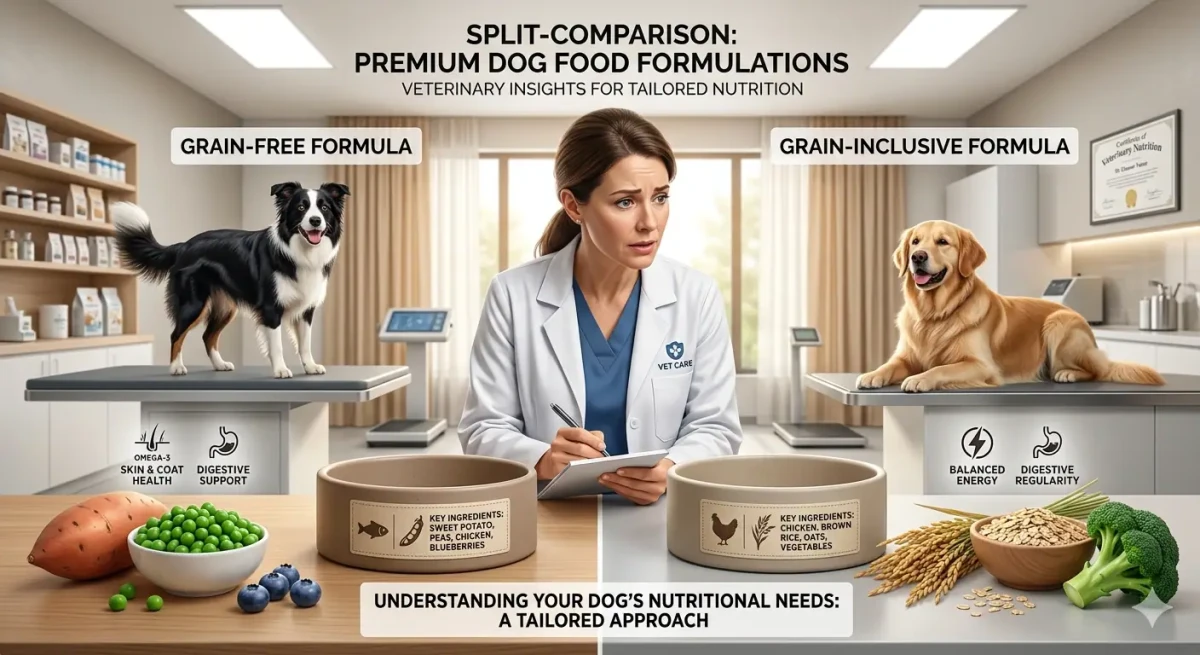
Understanding The Grain Debate In Dog Nutrition
The grain-free versus grain-inclusive dog food debate has become one of the most confusing topics for pet parents in recent years. With conflicting information circulating online, dramatic FDA investigations, and passionate opinions from both sides, it is difficult to know what is truly best for your canine companion. This comprehensive guide separates fact from fiction, presents current veterinary consensus, and helps you make an informed decision based on science rather than marketing hype.
According to recent veterinary nutritionists and the ongoing FDA investigation into diet-associated dilated cardiomyopathy (DCM), the answer is not as simple as grains are good or grains are bad. The truth lies in understanding your individual dog's needs, recognizing legitimate medical indications for grain-free diets, and identifying when grain-inclusive formulas may provide superior nutrition. This article examines the myths, presents the evidence, and shares what veterinarians are actually recommending in 2026.
What Is Grain Free Dog Food
Grain-free dog food eliminates traditional cereal grains like wheat, corn, rice, barley, oats, and rye from the ingredient list. Instead, these formulas typically use alternative carbohydrate sources such as sweet potatoes, peas, lentils, chickpeas, potatoes, or tapioca. The grain-free movement gained massive popularity in the early 2010s, driven by the human paleo diet trend and marketing claims that dogs are carnivores who never evolved to digest grains.
These diets often emphasize high protein content from meat sources and position themselves as more biologically appropriate for dogs. However, it is crucial to understand that dogs are actually omnivores, not strict carnivores like cats. Over thousands of years of domestication, dogs have developed the genetic ability to digest starches and grains efficiently, which is a key evolutionary difference from their wolf ancestors.
What Is Grain Inclusive Dog Food
Grain-inclusive dog food contains cereal grains as part of a balanced nutritional formula. These grains can include brown rice, oatmeal, barley, quinoa, millet, sorghum, and sometimes wheat or corn. Quality grain-inclusive foods use whole grains that provide not just carbohydrates for energy, but also essential nutrients like B vitamins, fiber, iron, magnesium, and selenium.
Whole grains in dog food serve multiple purposes beyond simple caloric content. They provide dietary fiber that supports digestive health and regular bowel movements, help maintain stable blood sugar levels, contribute to healthy skin and coat condition, and offer sustained energy release throughout the day. When properly formulated, grain-inclusive diets meet all of your dog's nutritional requirements while often being more affordable than grain-free alternatives.
The Origins Of The Grain Free Movement
To understand the current debate, we must examine how grain-free dog food became a multi-billion dollar industry. The movement began around 2007-2008, coinciding with several factors that created perfect marketing conditions. First, several high-profile pet food recalls involving contaminated ingredients from China created widespread distrust of commercial pet food manufacturers. Second, the human paleo and gluten-free diet trends reached peak popularity, and pet food companies quickly adapted these concepts for dogs.
Marketing campaigns suggested that grains were cheap fillers with no nutritional value, that they caused allergies and digestive problems, and that grain-free diets were more natural and species-appropriate. These claims resonated with pet parents who view their dogs as family members and want to provide the absolute best nutrition. Premium grain-free brands commanded higher prices, creating significant profit incentives for manufacturers to promote the grain-free message.
Common Myths About Grains In Dog Food
Myth 1: Dogs Cannot Digest Grains
This is perhaps the most pervasive myth. The reality is that dogs have evolved significantly from their wolf ancestors. Research published in the journal Nature in 2013 identified genetic changes in domesticated dogs that allow them to digest starches efficiently. Dogs produce amylase, the enzyme needed to break down carbohydrates, at levels much higher than wolves. While dogs do not require grains to survive, they are fully capable of digesting and benefiting from them.
Myth 2: Grains Are Just Cheap Fillers
Quality whole grains are nutrient-dense ingredients that provide essential vitamins, minerals, fiber, and antioxidants. While it is true that some low-quality dog foods use refined grains or grain by-products as inexpensive calorie sources, this does not mean all grains are fillers. Brown rice, oats, and barley in premium dog foods contribute meaningful nutrition, not empty calories.
Myth 3: Grain Free Means Low Carb Or No Carb
Many pet parents choose grain-free believing they are reducing carbohydrates. However, grain-free dog foods still contain carbohydrates from alternative sources like potatoes, peas, and sweet potatoes. In fact, some grain-free formulas have similar or even higher carbohydrate content than grain-inclusive foods. The carbohydrate source changes, but the overall macronutrient profile may remain quite similar.
Myth 4: Grains Cause Most Dog Allergies
According to veterinary dermatologists, true food allergies in dogs are relatively uncommon, affecting less than 10 percent of the canine population. When food allergies do occur, the most common allergens are actually animal proteins like beef, dairy, chicken, and lamb, not grains. Grain allergies do exist but are rare. If your dog has skin issues or digestive problems, grains are statistically unlikely to be the culprit.
The FDA Investigation And DCM Concerns

In July 2018, the FDA announced an investigation into a potential link between certain pet foods and dilated cardiomyopathy (DCM), a serious heart disease, in dogs not genetically predisposed to the condition. DCM causes the heart muscle to weaken, leading to an enlarged heart that cannot pump blood effectively. The investigation focused on dogs eating pet foods containing high proportions of peas, lentils, other legume seeds, and potatoes as main ingredients, many of which were labeled as grain-free.
By June 2019, the FDA had identified over 500 cases of non-hereditary DCM in dogs, with many associated with grain-free diets. The agency noted that these cases occurred across various breeds, including those not typically prone to DCM like Golden Retrievers, Labrador Retrievers, and mixed breeds. The investigation suggested that these alternative ingredients might interfere with taurine absorption or that the diets might be deficient in taurine or other nutrients essential for heart health.
Current Understanding Of DCM And Diet
As of 2026, veterinary cardiologists and nutritionists have developed a more nuanced understanding of the DCM connection. The issue appears to be more complex than simply grain-free equals dangerous. Several factors may contribute to diet-associated DCM:
- Taurine Deficiency: Some grain-free diets may not provide adequate taurine or may contain ingredients that interfere with taurine absorption or synthesis. Taurine is an amino acid essential for normal heart function.
- Legume Heavy Formulations: Diets with peas, lentils, or chickpeas listed as the first several ingredients (not just as minor components) appear to pose higher risk. These ingredients may affect nutrient bioavailability.
- Protein Source: Some investigations suggest that certain protein sources combined with legumes may increase risk, though this area requires more research.
- Individual Susceptibility: Not all dogs eating these diets develop DCM, suggesting genetic or metabolic factors may make some dogs more vulnerable.
- Nutritional Imbalance: Some boutique or novel ingredient brands may not employ veterinary nutritionists or conduct feeding trials, potentially leading to nutritional gaps.
The FDA has not concluded that all grain-free diets cause DCM, nor has it recommended that all dogs switch to grain-inclusive foods. However, the agency advises pet parents to be cautious about diets with high legume content and to discuss diet choices with their veterinarian, especially for breeds predisposed to heart disease.
What Veterinarians Are Saying In 2026
The veterinary community has largely moved away from blanket recommendations for or against grain-free diets. Instead, veterinarians emphasize individualized nutrition based on each dog's specific needs. The American Veterinary Medical Association and the American College of Veterinary Nutritionists recommend choosing foods from companies that employ board-certified veterinary nutritionists, conduct AAFCO feeding trials, and have rigorous quality control measures.
Most veterinarians agree on several key points: grain-free is not inherently superior to grain-inclusive, grains are not the enemy unless your dog has a diagnosed grain allergy (which is rare), the overall nutritional balance and quality of ingredients matter more than the presence or absence of grains, and pet parents should be wary of marketing claims that demonize specific ingredients without scientific evidence.
For dogs with specific health conditions, veterinarians may recommend therapeutic diets that are grain-free or grain-inclusive based on medical need, not trend. If you are concerned about DCM, discuss taurine testing and appropriate diet selection with your veterinarian, particularly if you have a breed predisposed to heart disease.
When Grain Free Is Medically Necessary

Despite the controversy, there are legitimate medical situations where grain-free diets are appropriate and necessary. Understanding these indications helps pet parents make informed decisions rather than following trends.
True Grain Allergies
While rare, some dogs do have genuine allergies to specific grains. Diagnosis requires veterinary-supervised elimination diet trials lasting 8-12 weeks, followed by systematic challenge with individual ingredients. If your dog is diagnosed with a grain allergy through proper testing, a grain-free diet is medically necessary. However, self-diagnosing based on internet research or assuming that any skin issue is a grain allergy can lead to unnecessary dietary restrictions and potential nutritional gaps.
If you suspect your dog has food allergies, consult your veterinarian before making dietary changes. They can guide you through proper diagnostic protocols and recommend appropriate hypoallergenic dog food options that address your dog's specific needs.
Gastrointestinal Sensitivities
Some dogs with inflammatory bowel disease (IBD), chronic diarrhea, or other gastrointestinal disorders may benefit from grain-free diets, though this is highly individual. In some cases, the fiber content or specific carbohydrate types in grains may exacerbate symptoms. However, many dogs with digestive issues actually do better with easily digestible grains like white rice or oatmeal. Working with a veterinarian or veterinary nutritionist is essential to determine the appropriate diet for gastrointestinal health.
For dogs with sensitive stomachs, you might find helpful information in our guide on the best dog food for sensitive stomachs which covers various dietary approaches.
Veterinary Therapeutic Diets
Certain prescription diets formulated for specific medical conditions may be grain-free. These diets are developed by veterinary nutritionists and undergo rigorous testing to ensure they meet nutritional requirements while addressing health conditions. Examples include some renal diets, weight management formulas, and diets for dogs with specific metabolic disorders. These should only be used under veterinary supervision.
Benefits Of Grain Inclusive Diets

Grain-inclusive dog foods offer several nutritional and practical benefits that make them an excellent choice for most dogs.
Complete Nutrition
Whole grains provide essential nutrients that support overall health. Brown rice contains B vitamins that support metabolism and nervous system function. Oats provide beta-glucan, a soluble fiber that supports immune function and digestive health. Barley offers selenium, an important antioxidant. Quinoa is a complete protein containing all essential amino acids. These nutrients work synergistically with proteins, fats, and other ingredients to create nutritionally complete meals.
Digestive Health
The fiber in whole grains promotes healthy digestion and regular bowel movements. Soluble fiber helps regulate blood sugar levels and supports beneficial gut bacteria. Insoluble fiber adds bulk to stool and prevents constipation. A healthy digestive system is foundational to overall health, affecting everything from immune function to skin condition to energy levels.
Sustained Energy
Complex carbohydrates from whole grains provide steady, sustained energy release throughout the day, unlike simple sugars that cause energy spikes and crashes. This is particularly important for active dogs, working dogs, and dogs that need to maintain stable energy levels for behavioral reasons.
Cost Effectiveness
Grain-inclusive diets are typically more affordable than grain-free alternatives, making quality nutrition accessible to more pet parents. This cost difference allows you to potentially invest in higher quality protein sources or other premium ingredients while staying within budget. For families with multiple dogs or large breed dogs requiring substantial food quantities, this cost difference can be significant.
Environmental Sustainability
Grain production generally has a lower environmental footprint than meat production. Including appropriate amounts of grains in dog food can reduce the overall environmental impact of pet nutrition while still meeting all nutritional needs. This is an increasingly important consideration for environmentally conscious pet parents.
Nutritional Comparison And Analysis

Understanding the nutritional differences between grain-free and grain-inclusive diets helps you make informed decisions based on facts rather than marketing.
Macronutrient Profiles
| Nutrient | Grain-Free Typical Range | Grain-Inclusive Typical Range | AAFCO Minimum |
|---|---|---|---|
| Protein | 24-32% | 22-28% | 18% adult, 22% puppy |
| Fat | 14-18% | 12-16% | 8% adult, 10% puppy |
| Carbohydrates | 30-45% | 35-50% | No minimum established |
| Fiber | 3-6% | 3-5% | No minimum established |
| Moisture | 10-12% | 10-12% | Maximum 78% for canned |
As this table shows, the macronutrient differences between quality grain-free and grain-inclusive diets are often minimal. The carbohydrate source differs, but the overall nutritional profile can be quite similar. What matters more is the quality of ingredients, digestibility, and whether the food meets AAFCO nutritional standards.
Micronutrient Considerations
Beyond macronutrients, micronutrient content is crucial for health. Quality grain-inclusive foods often provide higher levels of certain B vitamins, vitamin E, magnesium, and selenium from whole grain ingredients. Grain-free foods may be fortified to match these levels, but natural nutrient sources are generally preferable to synthetic additions.
Taurine content is a particular concern with some grain-free diets. While dogs can synthesize taurine from other amino acids, certain ingredients may interfere with this process. Some grain-free brands now add supplemental taurine, but this is not universal. If feeding a grain-free diet, discuss taurine testing with your veterinarian, especially for at-risk breeds.
Ingredient Quality Matters More Than Grain Content
The presence or absence of grains is far less important than overall ingredient quality. A grain-free food with low-quality meat by-products, excessive fillers, and artificial additives is inferior to a grain-inclusive food with named meat proteins, whole grains, and natural ingredients. Conversely, a premium grain-free food from a reputable manufacturer may be superior to a low-quality grain-inclusive food.
Look for foods that list specific meat proteins (chicken, beef, lamb) as the first ingredient, use whole food ingredients, avoid artificial colors and flavors, and are formulated to meet AAFCO nutritional standards. Whether the food contains grains or not should be a secondary consideration to these quality markers.
Breed Specific Considerations

Certain breeds may have specific dietary needs that influence the grain-free versus grain-inclusive decision.
Breeds Predisposed To DCM
Breeds with genetic predisposition to dilated cardiomyopathy include Doberman Pinschers, Great Danes, Boxers, Irish Wolfhounds, and Cocker Spaniels. For these breeds, extra caution is warranted when selecting diet. Many veterinary cardiologists recommend avoiding grain-free diets with high legume content for these breeds, or at minimum ensuring regular cardiac screening and taurine level monitoring.
If you have a breed predisposed to heart disease, discuss diet selection thoroughly with your veterinarian. They may recommend specific brands or formulations that have been extensively tested and have strong safety records.
Breeds With Sensitive Digestion
Some breeds are known for sensitive digestive systems, including German Shepherds, Irish Setters, and certain toy breeds. These dogs may benefit from highly digestible ingredients, which can include easily digestible grains like white rice or oatmeal. However, individual variation is significant, and what works for one dog may not work for another of the same breed.
For large breed dogs with specific nutritional needs, our guide on affordable dog food for large breeds provides breed-specific nutritional guidance.
Active And Working Dogs
Highly active dogs, sporting breeds, and working dogs have elevated energy and nutrient requirements. These dogs often benefit from the sustained energy release provided by complex carbohydrates in whole grains. However, some active dogs also do well on high-protein grain-free formulas. The key is matching the diet to the individual dog's activity level, metabolism, and performance needs.
For active dogs requiring higher protein intake, you might explore our recommendations for high-protein dog food for active dogs.
How To Choose The Right Food For Your Dog

Making the right food choice for your dog requires considering multiple factors beyond the grain-free versus grain-inclusive debate.
Assess Your Dog's Individual Needs
Consider your dog's age, breed, size, activity level, health status, and any diagnosed medical conditions. A young, active Border Collie has different nutritional needs than a senior Basset Hound with arthritis. Puppies require different nutrient ratios than adult dogs. Dogs with kidney disease need different formulations than dogs with diabetes. There is no one-size-fits-all answer.
For puppies, proper nutrition is critical for development. Our guide on healthy puppy food brands can help you navigate puppy nutrition.
Evaluate Food Quality
Research the manufacturer. Do they employ board-certified veterinary nutritionists? Do they conduct AAFCO feeding trials or just meet minimum nutrient profiles through formulation? Do they have rigorous quality control measures? Do they own their manufacturing facilities or outsource production? These factors are more important than whether the food contains grains.
Look for foods that meet AAFCO nutritional adequacy standards for your dog's life stage. Check for recall history. Read ingredient lists carefully, looking for named protein sources and whole food ingredients. Be wary of foods with excessive fillers, artificial additives, or vague ingredient descriptions.
Consult Your Veterinarian
Your veterinarian knows your dog's health history and can provide personalized recommendations. They can help you interpret marketing claims, identify appropriate diets for any health conditions, and monitor your dog's response to dietary changes. Regular wellness exams allow your veterinarian to assess whether your dog's diet is meeting their nutritional needs through physical examination, body condition scoring, and laboratory testing when indicated.
Transition Gradually
When changing your dog's food, transition gradually over 7-10 days to prevent digestive upset. Mix increasing amounts of the new food with decreasing amounts of the old food. Monitor your dog's stool quality, energy level, coat condition, and overall health during the transition and in the weeks following. It can take 6-8 weeks to fully assess whether a new diet is working well for your dog.
Red Flags In Dog Food Marketing

Understanding common marketing tactics helps you make informed decisions rather than emotional purchases based on fear or trends.
Fear Based Marketing
Be wary of brands that use fear to sell products. Claims that grains are toxic, that certain ingredients are fillers with no nutritional value, or that their food is the only natural option are red flags. Quality nutrition does not require demonizing ingredients. Reputable companies provide evidence-based information and acknowledge that different dogs have different needs.
Natural And Holistic Claims
The terms natural and holistic are not regulated in pet food labeling. A food can be labeled natural while still being nutritionally incomplete or containing low-quality ingredients. These terms may indicate certain manufacturing processes or ingredient sourcing, but they do not guarantee superior nutrition. Focus on nutritional adequacy statements and ingredient quality rather than marketing buzzwords.
Holistic And Boutique Brands
While many boutique and holistic brands produce excellent foods, some lack the resources for proper nutritional research, quality control, or feeding trials. The FDA investigation into DCM disproportionately affected boutique brands and those with novel ingredients. This does not mean all small brands are unsafe, but it emphasizes the importance of researching the manufacturer's credentials and quality control measures.
Human Grade Claims
Human grade is a marketing term that suggests ingredients are suitable for human consumption. While this may be true, it does not necessarily mean the food is nutritionally superior for dogs. Dogs have different nutritional requirements than humans. A food can be nutritionally complete for dogs without being human grade, and a human grade food can still be nutritionally inadequate for dogs.
Practical Feeding Recommendations

Regardless of whether you choose grain-free or grain-inclusive, following best practices for feeding ensures your dog receives optimal nutrition.
Proper Portion Control
Feed the appropriate amount for your dog's size, age, and activity level. Use the feeding guidelines on the food package as a starting point, but adjust based on your dog's body condition. You should be able to feel but not see your dog's ribs, and your dog should have a visible waist when viewed from above. Obesity is a serious health concern that shortens lifespan and increases disease risk. Regular body condition scoring helps you maintain your dog at a healthy weight.
Consistent Feeding Schedule
Feed adult dogs twice daily at consistent times. Puppies require more frequent feeding, typically three to four times daily. Consistent feeding schedules help regulate digestion, make it easier to monitor appetite changes that might indicate health problems, and support house training.
Fresh Water Always Available
Provide unlimited access to fresh, clean water. Water is essential for digestion, nutrient absorption, temperature regulation, and overall health. Change water daily and clean bowls regularly to prevent bacterial growth.
Treats And Extras
Treats should not exceed 10 percent of your dog's daily caloric intake. Choose healthy treats and account for them in your dog's total daily food intake to prevent overfeeding. Avoid feeding table scraps, especially foods toxic to dogs like chocolate, grapes, onions, and xylitol-containing products.
Regular Monitoring
Monitor your dog's weight, body condition, coat quality, energy level, and stool quality regularly. These are indicators of whether the diet is meeting your dog's nutritional needs. Schedule regular veterinary wellness exams to assess your dog's overall health and discuss any dietary concerns.
Special Considerations For Senior Dogs

Senior dogs have changing nutritional needs that may influence diet selection.
Joint Health
Older dogs often benefit from diets supplemented with glucosamine, chondroitin, and omega-3 fatty acids to support joint health. Some senior formulas include these ingredients. Whether grain-free or grain-inclusive, look for foods that address the specific needs of aging dogs.
For senior dogs requiring joint support, our guide on senior dog food for joint health provides detailed nutritional recommendations.
Digestive Changes
Senior dogs may experience changes in digestion and nutrient absorption. Highly digestible ingredients, including easily digestible grains, may be beneficial. Some senior dogs develop food sensitivities that require dietary modification. Work with your veterinarian to identify the best diet for your aging dog.
Calorie Needs
Most senior dogs have lower energy requirements than younger adults due to decreased activity and metabolism. However, some senior dogs maintain high activity levels and require more calories. Adjust food quantity and potentially food type based on your individual dog's needs rather than age alone.
Frequently Asked Questions

Is grain free dog food safe in 2026
Grain-free dog food can be safe when chosen carefully from reputable manufacturers that employ veterinary nutritionists and conduct proper testing. However, some grain-free diets, particularly those high in legumes like peas and lentils, have been associated with dilated cardiomyopathy in some dogs. The safest approach is to discuss diet selection with your veterinarian, choose foods from established companies with strong quality control, and avoid diets with peas, lentils, or potatoes as the primary ingredients unless medically necessary.
Do veterinarians recommend grain free dog food
Most veterinarians do not routinely recommend grain-free diets unless there is a specific medical indication like a diagnosed grain allergy. The current veterinary consensus is that grains are not harmful to most dogs and can provide valuable nutrition. Veterinarians generally recommend choosing foods based on overall quality, nutritional adequacy, and individual dog needs rather than focusing solely on grain content.
What are the benefits of grain inclusive dog food
Grain-inclusive dog foods provide essential nutrients like B vitamins, fiber, minerals, and antioxidants from whole grains. They support digestive health, provide sustained energy, and are often more affordable than grain-free alternatives. Quality grains are not fillers but nutritious ingredients that contribute to complete, balanced nutrition. Grain-inclusive diets are appropriate for the vast majority of dogs without specific grain allergies.
Can switching from grain free to grain inclusive help DCM
Some dogs with diet-associated DCM have shown improvement after switching from grain-free to grain-inclusive diets, particularly when combined with taurine supplementation. However, DCM is a serious condition that requires veterinary diagnosis and treatment. If you suspect your dog has heart disease, consult your veterinarian immediately. Do not attempt to treat DCM through diet changes alone without veterinary supervision.
Are there grains that are better than others for dogs
Whole grains like brown rice, oatmeal, barley, and quinoa are generally considered superior to refined grains because they retain more nutrients and fiber. Some dogs with sensitive digestion may tolerate white rice better than brown rice. Corn and wheat are nutritionally adequate but more commonly associated with allergies, though true grain allergies are rare. The best grain for your dog depends on their individual tolerance and nutritional needs.
Making The Final Decision

Choosing between grain-free and grain-inclusive dog food should be based on your individual dog's needs, not marketing trends or fear. For most dogs without specific medical conditions requiring grain-free diets, quality grain-inclusive foods provide excellent nutrition at a reasonable cost. If you choose grain-free, select foods from reputable manufacturers, avoid formulas with high legume content, and discuss taurine testing with your veterinarian.
Remember that the best dog food is one that:
- Meets AAFCO nutritional standards for your dog's life stage
- Comes from a manufacturer with strong quality control
- Employs veterinary nutritionists
- Uses high-quality, named ingredients
- Maintains your dog at a healthy weight
- Supports good coat condition, energy level, and digestive health
- Fits within your budget consistently
The grain-free versus grain-inclusive debate will likely continue, but the evidence increasingly supports that both can be appropriate when chosen thoughtfully. Focus on overall diet quality, your dog's individual needs, and veterinary guidance rather than marketing claims. Your dog's health and happiness depend on consistent, quality nutrition, whether that includes grains or not.
For comprehensive information on choosing the best food for your dog, explore our detailed guides on top dog food brands in the USA and grain-free options for adult dogs to make the most informed decision for your canine companion.

0 Comments