.png)
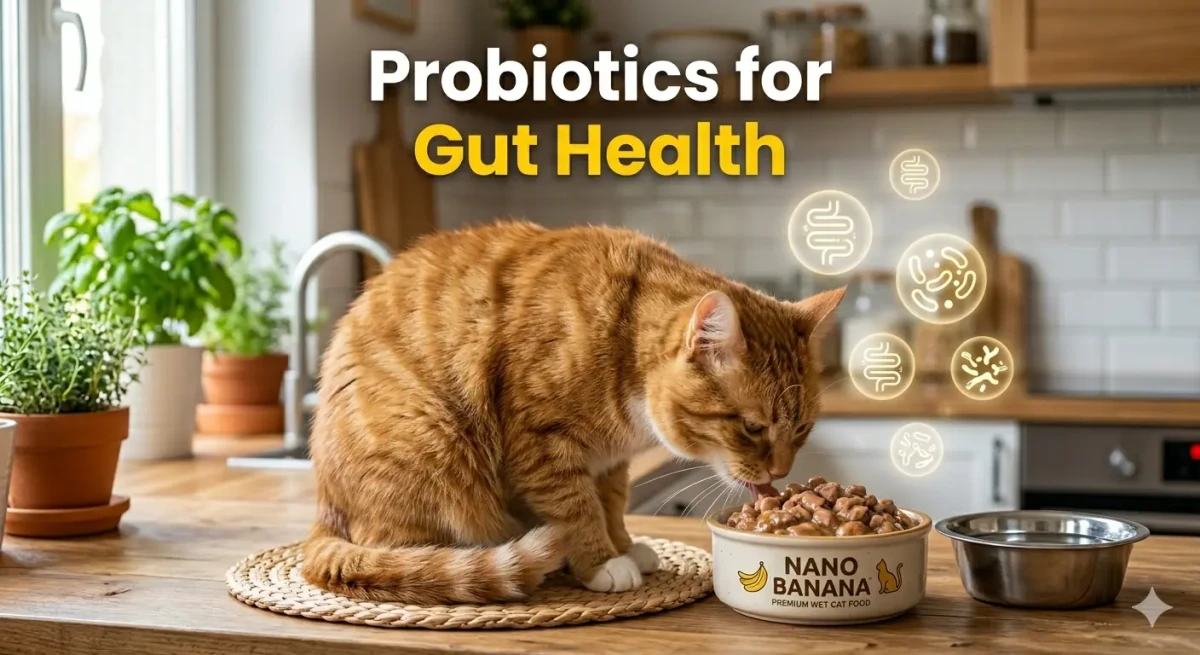
Understanding Probiotics and Digestive Health in Cats
Cats are obligate carnivores with digestive systems uniquely designed to process animal-based proteins. However, many felines struggle with sensitive digestion, experiencing symptoms like vomiting, diarrhea, gas, or irregular bowel movements. These digestive issues can stem from various causes including food sensitivities, stress, age-related changes, or an imbalance in gut bacteria.
Probiotics have emerged as a crucial component in supporting feline digestive health. These beneficial live microorganisms help maintain a healthy balance of gut flora, supporting optimal digestion, nutrient absorption, and immune function. When combined with high-quality wet cat food, probiotics can provide comprehensive support for cats with sensitive stomachs and digestive challenges.
Wet cat food offers several advantages over dry kibble for cats with digestive issues. The higher moisture content (typically 70-80%) helps prevent dehydration, supports kidney health, and makes the food easier to digest. The softer texture is gentler on sensitive stomachs, and the higher protein content aligns better with cats' natural dietary needs.
According to veterinary nutritionists, cats experiencing frequent digestive upset may benefit significantly from diets formulated with probiotics, prebiotics, and easily digestible ingredients. Cat Digestive Health Guide for Beginners Complete Care provides additional insights into maintaining your cat's gastrointestinal wellness alongside proper nutrition.
How Probiotics Support Feline Digestive Health
Probiotics work by colonizing the intestinal tract with beneficial bacteria that compete with harmful pathogens, produce essential nutrients, and support the immune system. The most common probiotic strains found in cat food include:
- Lactobacillus acidophilus: Supports nutrient absorption and helps maintain intestinal pH balance
- Bifidobacterium animalis: Promotes regular bowel movements and reduces diarrhea
- Enterococcus faecium: Enhances immune function and supports overall gut health
- Lactobacillus casei: Helps reduce inflammation in the digestive tract
These beneficial bacteria work synergistically with prebiotics (non-digestible fibers that feed probiotics) to create an optimal environment for digestive health. When selecting wet cat food with probiotics, look for products that specify the strains and guarantee viable counts through the expiration date.
If your cat has ongoing digestive issues, understanding Best Cat Food for Sensitive Stomachs: Expert Nutrition Guide can help you make informed decisions about dietary management.
Signs Your Cat May Benefit from Probiotic Wet Food
Not all cats require probiotic supplementation, but certain signs indicate that your feline companion may benefit from wet food fortified with beneficial bacteria:
- Frequent diarrhea or loose stools
- Occasional vomiting after meals
- Excessive gas or bloating
- Irregular bowel movements
- Poor coat condition despite adequate nutrition
- Decreased appetite or picky eating
- Recent antibiotic treatment
- Stress-related digestive upset
- Age-related digestive changes
Monitoring your cat's digestive health is essential for early intervention. Learn more about Signs of a Healthy Cat Every Owner Should Know to better assess your cat's overall wellbeing.
Key Features of High-Quality Probiotic Wet Cat Food
Not all wet cat foods with probiotics are created equal. Understanding what makes a probiotic wet cat food truly effective for sensitive digestion will help you choose the best option for your feline friend.
Guaranteed Probiotic Counts
The most important factor in probiotic efficacy is the number of viable organisms present in the food. Quality manufacturers guarantee probiotic counts through the product's expiration date, not just at the time of manufacture. Look for products that specify colony-forming units (CFUs) per kilogram or cup, typically ranging from 100 million to 1 billion CFUs per serving.
The probiotics must survive processing, packaging, and storage to reach your cat's digestive tract alive and active. Advanced manufacturing techniques like microencapsulation help protect these delicate microorganisms from heat, moisture, and oxygen degradation.
Complementary Prebiotic Fibers
Prebiotics serve as food for probiotics, helping them establish and thrive in your cat's intestinal tract. Common prebiotic ingredients in quality wet cat foods include:
- Fructooligosaccharides (FOS): Derived from chicory root or other plants
- Mannanoligosaccharides (MOS): Extracted from yeast cell walls
- Inulin: A natural fiber from chicory, garlic, or onions
- Beet pulp: Provides soluble and insoluble fiber
The combination of probiotics and prebiotics, known as synbiotics, provides superior digestive support compared to probiotics alone.
High-Quality Protein Sources
Cats require animal-based proteins for optimal health. Wet cat foods designed for sensitive digestion should feature named animal proteins (chicken, turkey, salmon, lamb) as the first ingredients. These proteins are more digestible and less likely to trigger food sensitivities compared to unnamed meat by-products or plant-based proteins.
Novel protein sources like duck, venison, or rabbit may be beneficial for cats with food allergies or sensitivities. Limited ingredient diets with single protein sources can help identify and eliminate food triggers.
Adequate Moisture Content
Wet cat food's high moisture content (70-80%) provides crucial hydration support, especially important for cats with digestive issues. Proper hydration helps:
- Soften stool and prevent constipation
- Support kidney function and urinary tract health
- Facilitate nutrient absorption
- Maintain healthy mucosal lining in the digestive tract
Understanding the Wet vs Dry Cat Food: Which Is Better? debate can help you decide which format best suits your cat's digestive health needs.
Grain-Free or Limited Carbohydrate Formulas
While not all cats require grain-free diets, cats with sensitive digestion often benefit from reduced carbohydrate content. Cats have limited ability to digest complex carbohydrates, and excessive carbs can ferment in the gut, causing gas, bloating, and diarrhea.
Grain-free formulas typically use alternative carbohydrate sources like sweet potatoes, peas, or lentils, which may be easier to digest for some cats. However, if your cat tolerates grains well, whole grains like brown rice or oatmeal can provide beneficial fiber.
Top 10 Best Wet Cat Foods with Probiotics for Sensitive Digestion in 2026
After extensive research, veterinary consultation, and analysis of ingredient quality, probiotic strains, nutritional composition, and real-world results, here are the top wet cat foods with probiotics for sensitive digestion available in the USA for 2026.
1. Hill's Science Diet Adult Sensitive Stomach and Skin Wet Cat Food
Best Overall for Sensitive Digestion
Hill's Science Diet has long been a veterinarian-recommended brand, and their Sensitive Stomach and Skin formula delivers exceptional results for cats with digestive issues. This wet food features easily digestible ingredients and guaranteed probiotics.
Key Features:
- Prebiotic fiber from beet pulp
- Guaranteed Lactobacillus probiotics
- High-quality chicken as the first ingredient
- Omega-6 fatty acids for skin and coat health
- Easy-to-digest formula with rice
- AAFCO compliant for adult maintenance
Pros: Veterinarian recommended, clinically proven to improve digestion, excellent palatability, widely available, consistent quality
Cons: Contains grains (rice, corn), higher price point, not suitable for cats with grain sensitivities
Best For: Cats with frequent digestive upset whose owners prioritize veterinary-backed nutrition
2. Royal Canin Gastrointestinal High Energy Wet Cat Food
Best for Severe Digestive Issues
Royal Canin's Gastrointestinal formula is specifically designed for cats with acute or chronic digestive disorders. This therapeutic diet provides complete nutrition while supporting digestive recovery.
Key Features:
- Highly digestible proteins and carbohydrates
- Prebiotic fructooligosaccharides (FOS)
- Guaranteed probiotic Enterococcus faecium
- High energy density for cats with reduced appetite
- Omega-3 fatty acids EPA and DHA
- Veterinary diet formula
Pros: Specifically formulated for digestive disorders, highly digestible, excellent for recovery, strong brand reputation, proven results
Cons: Requires veterinary recommendation, expensive, limited availability, may be too rich for healthy cats
Best For: Cats with diagnosed gastrointestinal conditions or recovering from digestive illness
3. Purina Pro Plan Sensitive Skin and Stomach Wet Cat Food
Best Value for Money
Purina Pro Plan offers exceptional quality at a more accessible price point. Their Sensitive Skin and Stomach formula combines probiotics with high-quality ingredients to support digestive health.
Key Features:
- Real salmon as the first ingredient
- Guaranteed live probiotics (Bifidobacterium animalis)
- Prebiotic fiber for digestive health
- Omega-6 fatty acids and vitamin A
- High protein content (14% minimum)
- No artificial colors or flavors
Pros: Affordable, widely available, good palatability, effective digestive support, high protein, salmon provides omega-3s
Cons: Contains some grains, moderate fiber level, some cats may be sensitive to fish
Best For: Budget-conscious owners seeking effective probiotic support without compromising quality
4. Blue Buffalo Basics Limited Ingredient Diet Wet Cat Food
Best Limited Ingredient Formula
For cats with food sensitivities or allergies, Blue Buffalo's Basics line offers simplified nutrition with probiotics and limited ingredients to reduce digestive triggers.
Key Features:
- Single protein source (turkey, duck, or salmon)
- Limited carbohydrate sources
- Prebiotic fiber from chicory root
- Guaranteed probiotics (Lactobacillus strains)
- No grains, gluten, or artificial ingredients
- Easy-to-digest recipe
Pros: Limited ingredients reduce allergy risk, grain-free, natural ingredients, effective for sensitive cats, multiple protein options
Cons: Higher price, may be too simple for some cats, limited availability in some areas
Best For: Cats with food sensitivities needing simplified nutrition with probiotic support
If your cat has food sensitivities, reviewing Best Cat Food for Indoor Cats: Complete 2026 Guide may provide additional suitable options.
5. Wellness CORE Grain-Free Wet Cat Food
Best Premium Natural Option
Wellness CORE offers a premium, natural approach to feline nutrition with high protein content and added probiotics for digestive support.
Key Features:
- High-quality turkey and chicken
- Grain-free formula
- Guaranteed probiotics (Lactobacillus plantarum)
- Prebiotic fiber from chicory root
- Omega fatty acids from salmon oil
- No meat by-products or fillers
Pros: High-quality ingredients, excellent digestibility, grain-free, probiotic support, natural ingredients, high protein
Cons: Premium price, may be too rich for some cats, limited availability in some areas
Best For: Owners seeking premium natural nutrition with proven digestive benefits
6. IAMS ProActive Health Sensitive Skin and Stomach Wet Cat Food
Best for Mild Digestive Sensitivity
IAMS ProActive Health combines digestive support with gentle nutrition, making it ideal for cats with mild to moderate digestive sensitivity.
Key Features:
- Chicken as primary protein
- Prebiotic fiber from beet pulp
- Guaranteed probiotics
- Omega-6 fatty acids
- Vitamins E and C for immunity
- Easy-to-digest formula
Pros: Gentle on digestion, affordable, effective for mild sensitivity, widely available, good palatability
Cons: Contains corn and grains, moderate protein content, some artificial ingredients
Best For: Cats with mild digestive sensitivity needing gentle, affordable nutrition
7. Nutro Perfect Portions Grain-Free Wet Cat Food
Best Portion-Controlled Formula
Nutro's Perfect Portions line offers convenient twin-pack trays with probiotics and natural ingredients in perfectly portioned servings.
Key Features:
- Real chicken or salmon
- Grain-free recipe
- Prebiotic fiber
- Guaranteed probiotics
- No artificial colors or flavors
- Convenient portion control
Pros: Convenient packaging, prevents waste, natural ingredients, grain-free, effective digestive support
Cons: Higher price per ounce, limited flavor variety, may be too small for large cats
Best For: Single-cat households or owners seeking convenient portion control
For additional strategies with finicky felines, Best Cat Food for Picky Eaters and Finicky Felines offers helpful guidance.
8. Merrick Purrfect Bistro Grain-Free Wet Cat Food
Best Whole-Food Ingredients
Merrick's Purrfect Bistro line emphasizes whole-food ingredients and real deboned meat, providing natural nutrition with probiotic support.
Key Features:
- Deboned chicken as first ingredient
- Whole fruits and vegetables
- Grain-free formula
- Guaranteed probiotics
- Omega fatty acids
- No artificial additives
Pros: Whole-food ingredients, excellent palatability, effective digestive support, beautiful coat results, grain-free
Cons: Premium price, limited availability, some recipes may be too rich
Best For: Owners prioritizing whole-food, natural nutrition with digestive benefits
9. Natural Balance L.I.D. Limited Ingredient Diets Wet Cat Food
Best for Food Allergies
Natural Balance's Limited Ingredient Diet formula is perfect for cats with food allergies or sensitivities who also need probiotic support.
Key Features:
- Single protein source (chicken, duck, or salmon)
- Limited carbohydrate sources
- Prebiotic fiber
- Guaranteed probiotics
- Grain-free option available
- No artificial colors or flavors
Pros: Minimal ingredients reduce allergy risk, effective digestive support, multiple protein options, widely available
Cons: Higher price, limited availability of some varieties, some cats may need transition time
Best For: Cats with food allergies needing digestive support and simplified nutrition
10. Tiki Cat Luau Wet Cat Food
Best High-Protein Formula
While not specifically marketed as a probiotic food, Tiki Cat's high-quality ingredients and natural probiotics from fermentation make it excellent for digestive health.
Key Features:
- Human-grade ingredients
- Very high protein content
- Grain-free and low carbohydrate
- Natural probiotics from ingredients
- High moisture content
- No artificial additives
Pros: Premium quality ingredients, excellent for weight management, high protein, grain-free, natural nutrition
Cons: Very expensive, not guaranteed probiotic counts, may be too rich for some cats
Best For: Owners seeking human-grade, high-protein nutrition for optimal digestive health
Comparison Table: Top Wet Cat Foods with Probiotics
| Brand | Protein Source | Probiotic Strain | Grain-Free | Price Range | Best For |
|---|---|---|---|---|---|
| Hill's Science Diet | Chicken | Lactobacillus | No | $$$ | Overall effectiveness |
| Royal Canin GI | Chicken by-product | E. faecium | No | $$$$ | Severe digestive issues |
| Purina Pro Plan | Salmon | B. animalis | No | $$ | Value |
| Blue Buffalo Basics | Single protein | Lactobacillus | Yes | $$$ | Food sensitivities |
| Wellness CORE | Turkey/chicken | L. plantarum | Yes | $$$$ | Premium natural |
| IAMS ProActive | Chicken | Mixed strains | No | $$ | Mild sensitivity |
| Nutro Perfect Portions | Chicken/salmon | Mixed strains | Yes | $$$ | Portion control |
| Merrick Purrfect Bistro | Deboned chicken | Mixed strains | Yes | $$$$ | Whole foods |
| Natural Balance L.I.D. | Single protein | Mixed strains | Optional | $$$ | Food allergies |
| Tiki Cat Luau | Human-grade meat | Natural | Yes | $$$$ | High protein |
How to Transition Your Cat to Probiotic Wet Food
Switching your cat to a new probiotic wet food requires a gradual transition to prevent digestive upset and ensure acceptance. Cats are creatures of habit and can be resistant to dietary changes, so patience is essential.
7-10 Day Transition Schedule
Days 1-3: Mix 25% new food with 75% current food
Days 4-6: Mix 50% new food with 50% current food
Days 7-9: Mix 75% new food with 25% current food
Day 10: 100% new food
Monitor your cat closely during this transition period. Watch for signs of digestive distress such as vomiting, diarrhea, or refusal to eat. If these occur, slow down the transition process, spending more time at each stage.
Some cats may need even longer transitions, particularly if they have sensitive stomachs. In such cases, consult Daily Care Routine for Cats: Complete 2026 Guide to ensure your cat is adjusting well.
Tips for Successful Food Transition
- Warm the food slightly: Warming wet food to body temperature enhances aroma and palatability
- Maintain feeding schedule: Feed at consistent times to establish routine
- Remove uneaten food: Don't leave wet food out for more than 30 minutes to maintain freshness
- Offer multiple small meals: Some cats prefer grazing; adjust portion sizes accordingly
- Be patient: Some cats take weeks to fully accept new food
- Ensure fresh water: Always provide clean, fresh water alongside wet food
Feeding Guidelines and Portion Control
Proper portion control is essential when feeding wet cat food with probiotics. Overfeeding can lead to obesity and digestive issues, while underfeeding may prevent your cat from receiving adequate nutrition and probiotic benefits.
General Feeding Guidelines
Most wet cat foods provide feeding guidelines based on your cat's weight. However, individual needs vary based on age, activity level, metabolism, and health status. Here are general guidelines:
- Adult cats (8-10 lbs): 5.5-6.5 oz per day, divided into 2-3 meals
- Adult cats (10-12 lbs): 6.5-7.5 oz per day, divided into 2-3 meals
- Adult cats (12-15 lbs): 7.5-9 oz per day, divided into 2-3 meals
- Senior cats: May require 10-20% fewer calories
- Active cats: May require 10-20% more calories
For senior cats with specific nutritional needs, Affordable Cat Food for Senior Cats: 2026 Guide offers budget-friendly options with digestive support.
Monitoring Your Cat's Response
After transitioning to probiotic wet food, monitor your cat for improvements in:
- Stool consistency and frequency
- Vomiting episodes
- Gas and bloating
- Appetite and energy levels
- Coat condition
- Overall demeanor
Improvements typically appear within 2-4 weeks, though some cats show results sooner. If no improvement occurs after 4-6 weeks, consult your veterinarian about alternative options or underlying health issues.
Additional Strategies for Digestive Health
While probiotic wet food is fundamental, combining diet with other digestive health strategies yields the best results.
Stress Management
Stress significantly impacts feline digestive health. Cats experiencing stress may develop diarrhea, vomiting, or decreased appetite. Provide environmental enrichment through:
- Consistent daily routines
- Safe hiding spaces
- Interactive play sessions
- Vertical climbing spaces
- Calming pheromone diffusers
Learning about How to Boost Your Cat's Immune System Naturally: Expert Veterinary Guide can help reduce stress-related digestive issues.
Hydration Support
While wet food provides significant moisture, additional hydration support benefits digestive health:
- Provide multiple water stations throughout your home
- Use cat water fountains to encourage drinking
- Add water or low-sodium broth to wet food
- Clean water bowls daily
Regular Veterinary Care
Annual wellness exams help detect digestive issues early. Your veterinarian can:
- Perform fecal tests to check for parasites
- Assess body condition and weight
- Recommend appropriate probiotic strains
- Rule out underlying health conditions
- Adjust dietary recommendations as needed
Understanding Annual Health Check Routine for Cats: Complete Guide helps ensure your cat receives comprehensive preventive care.
When to See a Veterinarian
While probiotic wet food can resolve many digestive issues, certain situations warrant immediate veterinary attention:
- Blood in vomit or stool
- Persistent vomiting (more than 24 hours)
- Severe diarrhea with dehydration
- Complete loss of appetite for more than 24 hours
- Lethargy or weakness
- Abdominal pain or distension
- Unexplained weight loss
- Frequent digestive issues despite dietary changes
Chronic digestive problems may indicate underlying conditions such as inflammatory bowel disease, hyperthyroidism, kidney disease, or intestinal parasites. Your veterinarian can perform diagnostic tests to identify the cause and recommend appropriate treatment.
Recognizing Early Warning Signs Your Cat Is Sick: Complete Guide helps you know when professional care is needed.
Frequently Asked Questions
How long does it take for probiotics to work in cats?
Most cats show improvement in digestive symptoms within 2-4 weeks of starting probiotic wet food, though some may see results sooner. Complete digestive health improvement may take 6-8 weeks as gut flora stabilizes.
Can I give my cat probiotic supplements with wet food?
Yes, probiotic supplements can complement wet food, but choose products specifically formulated for cats. However, wet food with guaranteed probiotics is often more convenient and ensures consistent dosing.
Are grain-free probiotic wet foods better for digestion?
Not necessarily. Grain-free diets aren't inherently superior for digestion unless your cat has a grain allergy. What matters most is probiotic quality, protein digestibility, and overall nutritional balance.
Can kittens eat probiotic wet food?
Yes, but choose formulas specifically designed for kittens or all life stages. Kittens have different nutritional requirements than adults and need higher protein and fat levels for growth.
Should I refrigerate opened wet cat food with probiotics?
Yes, always refrigerate opened wet cat food in an airtight container and use within 2-3 days. Refrigeration helps preserve probiotic viability and prevents bacterial growth.
Conclusion
Choosing the right wet cat food with probiotics for sensitive digestion is one of the most important decisions you can make for your feline companion's health and comfort. The ideal diet combines guaranteed probiotic strains, prebiotic fibers, high-quality proteins, and appropriate moisture content to support optimal digestive function.
From our comprehensive review, Hill's Science Diet Adult Sensitive Stomach and Skin stands out as the best overall choice for most cats, offering veterinarian-backed nutrition with proven probiotic benefits. However, the best food for your cat depends on their individual needs, sensitivities, and health conditions.
Remember that diet is just one component of digestive health. Stress management, adequate hydration, regular veterinary care, and environmental enrichment all play crucial roles in maintaining your cat's gastrointestinal wellness.
By investing in quality probiotic wet food and implementing comprehensive care strategies, you can significantly improve your cat's digestive health, reduce uncomfortable symptoms, and enhance their overall quality of life. Your cat deserves the best, and with the information in this guide, you're well-equipped to make informed decisions that will benefit them for years to come.
For ongoing support and additional pet care resources, explore our comprehensive guides on Grain-Free Cat Food for Adult Cats: Complete Guide and continue monitoring your cat's digestive health with regular veterinary checkups.

0 Comments