.png)
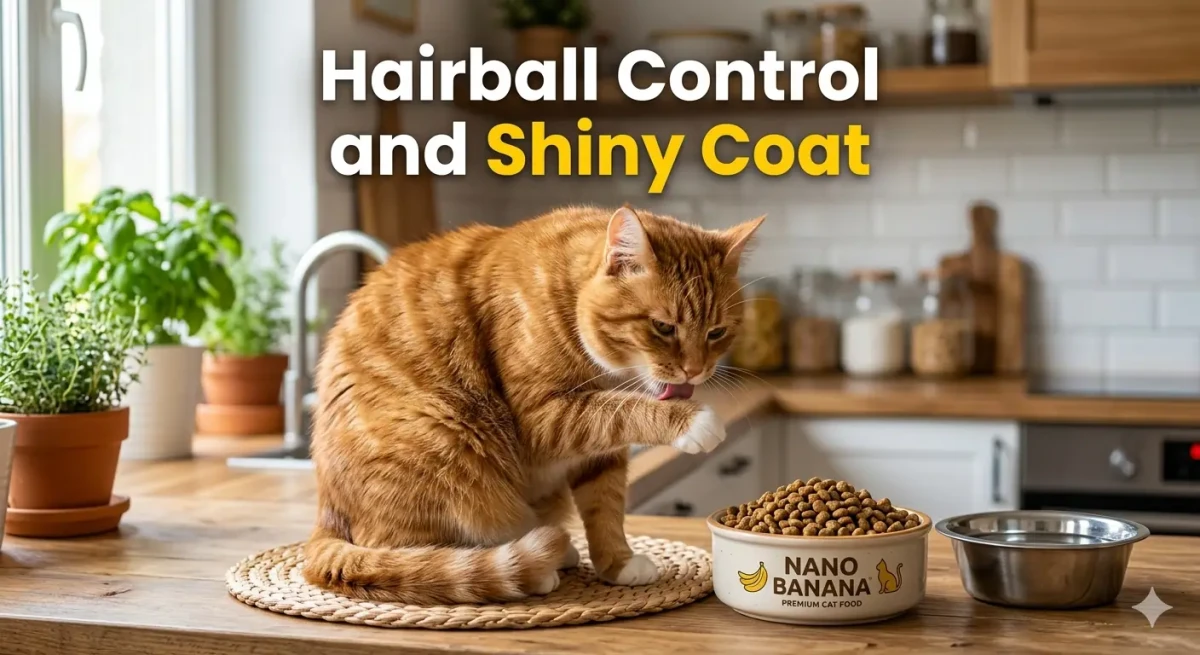
Understanding Hairballs and Coat Health in Cats
Cats are meticulous groomers, spending up to 50% of their waking hours cleaning their coats. While this grooming behavior is natural and essential for their well-being, it leads to an inevitable consequence: hairballs. When cats groom themselves, their barbed tongues catch loose and dead hair, which they then swallow. Most of this hair passes through the digestive system without issue, but some accumulates in the stomach, forming hairballs that cats eventually vomit.
Hairballs, medically known as trichobezoars, are more than just an inconvenient mess to clean up. Frequent hairball production can indicate underlying issues with your cat's diet, grooming habits, or digestive health. Additionally, a cat's coat condition serves as a visible indicator of their overall health and nutritional status. A dull, brittle, or excessive shedding coat often signals nutritional deficiencies or health problems that need attention.
The connection between diet and both hairball control and coat health is profound. The right nutrition can significantly reduce hairball frequency while promoting a lustrous, healthy coat. This comprehensive guide will help you understand what makes cat food effective for hairball control and coat enhancement, review the top products available in the USA for 2026, and provide expert recommendations tailored to your cat's specific needs.
According to veterinary nutritionists, cats experiencing frequent hairballs (more than once a month) or those with poor coat quality may benefit from specialized diets formulated with increased fiber, omega fatty acids, and specific nutrients that support digestive health and skin integrity. Daily Care Routine for Cats: Complete 2026 Guide provides additional insights into maintaining your cat's overall wellness alongside proper nutrition.
Why Cats Develop Hairballs
Understanding the hairball formation process is crucial for effective prevention. When cats groom, their rough tongues act like brushes, catching loose hair. This hair is swallowed and typically moves through the digestive tract, exiting in the feces. However, some hair remains in the stomach, where it mixes with stomach contents and forms a matted mass. When this mass becomes too large to pass into the intestines, the cat vomits it up as a cylindrical hairball.
Several factors influence hairball frequency:
- Coat Length: Long-haired breeds like Persians, Maine Coons, and Ragdolls are more prone to hairballs due to their abundant fur
- Grooming Frequency: Cats that groom excessively, whether due to stress, skin conditions, or behavioral issues, swallow more hair
- Seasonal Shedding: During spring and fall, cats shed more heavily, increasing hairball risk
- Age: Older cats may have slower digestive motility, making it harder to pass swallowed hair
- Diet Quality: Poor nutrition can lead to excessive shedding and slower digestive function
If your cat is struggling with frequent hairballs, learning How to Groom a Long-Haired Cat: Complete 2026 Guide can help reduce the amount of loose hair your cat swallows during self-grooming.
The Role of Nutrition in Coat Health
A cat's coat is a reflection of their internal health. The skin and fur require specific nutrients to maintain their structure, function, and appearance. Protein forms the foundation of hair shafts, while fats provide essential fatty acids that keep skin supple and coat shiny. Vitamins and minerals support cellular processes that promote healthy hair growth and skin regeneration.
When cats receive inadequate nutrition, their bodies prioritize vital organs over non-essential functions like maintaining a luxurious coat. This results in dull, brittle fur, excessive shedding, and sometimes even hair loss. Conversely, a diet rich in high-quality proteins, essential fatty acids, and balanced vitamins and minerals promotes:
- Reduced shedding and hair loss
- Softer, more manageable fur
- Enhanced coat shine and luster
- Stronger hair shafts resistant to breakage
- Healthier skin with reduced flakiness and irritation
For cats with sensitive digestive systems that may affect nutrient absorption, Best Cat Food for Sensitive Stomachs: Expert Nutrition Guide offers valuable information on selecting appropriate diets.
Key Nutrients for Hairball Control and Shiny Coat
Not all cat foods are created equal when it comes to managing hairballs and promoting coat health. Specific nutrients play critical roles in these areas, and understanding what to look for on ingredient labels will help you make informed decisions about your cat's diet.
Fiber: The Hairball Fighter
Dietary fiber is arguably the most important nutrient for hairball control. Fiber helps move swallowed hair through the digestive tract before it can accumulate in the stomach and form hairballs. There are two types of fiber beneficial for cats:
Soluble Fiber: This type dissolves in water to form a gel-like substance that slows digestion and helps regulate blood sugar levels. Sources include psyllium, beet pulp, and certain fruits and vegetables.
Insoluble Fiber: This type adds bulk to stool and speeds the passage of food through the digestive system. Common sources include cellulose, wheat bran, and vegetable fibers.
Hairball control cat foods typically contain higher fiber levels than regular maintenance diets, ranging from 3% to 10% on a dry matter basis. The increased fiber content helps bind with swallowed hair and facilitates its elimination through feces rather than vomiting.
However, too much fiber can interfere with the absorption of other essential nutrients, so balance is crucial. If you're considering supplementing your cat's diet with additional fiber, consult the Cat Digestive Health Guide for Beginners Complete Care for safe implementation strategies.
Omega-3 and Omega-6 Fatty Acids: Coat Enhancers
Essential fatty acids are vital for maintaining healthy skin and a lustrous coat. Cats cannot synthesize these fats on their own and must obtain them through their diet.
Omega-3 Fatty Acids: Primarily found in fish oil, flaxseed, and certain algae, omega-3s (especially EPA and DHA) have anti-inflammatory properties that soothe irritated skin, reduce itching, and promote healing. They also contribute to coat shine and softness.
Omega-6 Fatty Acids: Found in poultry fat, vegetable oils, and grains, omega-6s (particularly linoleic acid and arachidonic acid) support skin barrier function, promote healthy hair growth, and maintain coat texture.
The ideal ratio of omega-6 to omega-3 fatty acids for cats is generally between 5:1 and 10:1. Diets with this balanced ratio help minimize inflammation while supporting optimal skin and coat health. Look for cat foods that list fish oil, salmon oil, or flaxseed among their ingredients to ensure adequate omega-3 content.
For cats needing additional coat support, Grooming Hacks for Shedding Cats: Expert Tips to Reduce Fur and Hairballs provides complementary strategies alongside nutritional interventions.
High-Quality Protein: Building Blocks of Healthy Fur
Cat hair is composed primarily of protein, specifically keratin. Therefore, adequate high-quality protein intake is essential for maintaining a thick, healthy coat. Cats are obligate carnivores, meaning they require animal-based proteins to meet their nutritional needs.
Look for cat foods that list named animal proteins (chicken, turkey, salmon, lamb, etc.) as the first ingredients. These provide complete amino acid profiles necessary for hair growth and repair. Avoid foods with excessive plant-based proteins or unnamed meat by-products, as these are less bioavailable to cats.
The Association of American Feed Control Officials (AAFCO) recommends a minimum of 26% protein on a dry matter basis for adult cats, though many premium hairball control and coat health formulas exceed this minimum to support optimal fur quality.
Vitamins and Minerals for Skin and Coat
Several vitamins and minerals play crucial roles in maintaining skin integrity and coat appearance:
- Vitamin A: Essential for skin cell production and repair; deficiency can cause dry, flaky skin and dull coat
- Vitamin E: A powerful antioxidant that protects skin cells from damage and supports immune function
- B Vitamins: Particularly biotin (B7) and niacin (B3), which support healthy skin and prevent dermatitis
- Zinc: Critical for protein synthesis, wound healing, and maintaining skin barrier function
- Selenium: Works with vitamin E as an antioxidant to protect skin cells
Premium cat foods formulated for coat health typically include these micronutrients in bioavailable forms to ensure optimal absorption and utilization.
Moisture Content: Hydration for Healthy Skin
While often overlooked, moisture content in cat food significantly impacts skin and coat health. Cats have a low thirst drive and are prone to chronic mild dehydration, which can manifest as dry, flaky skin and brittle fur.
Wet cat foods contain 70-80% moisture, while dry foods contain only 10-12%. Feeding wet food or adding water to dry food can help ensure adequate hydration, supporting skin elasticity and coat condition. For cats prone to hairballs, the additional moisture in wet food also helps lubricate the digestive tract, facilitating hair passage.
Understanding the Wet vs Dry Cat Food: Which Is Better? debate can help you decide which format best suits your cat's hairball and coat health needs.
Top 10 Best Cat Foods for Hairball Control and Shiny Coat in 2026

After extensive research, veterinary consultation, and analysis of ingredient quality, nutritional composition, and real-world results, here are the top cat foods for hairball control and coat health available in the USA for 2026.
1. Hill's Science Diet Adult Hairball Control Cat Food
Best Overall for Hairball Control
Hill's Science Diet has long been a veterinarian-recommended brand, and their Adult Hairball Control formula lives up to this reputation. This food features an optimized fiber blend including cellulose and psyllium that effectively moves hair through the digestive system.
Key Features:
- High-quality chicken as the first ingredient
- Optimized fiber blend (7.5% crude fiber)
- Omega-6 fatty acids from chicken fat and sunflower oil
- Vitamin E and C for immune support
- AAFCO compliant for adult maintenance
Pros: Clinically proven to reduce hairballs, excellent palatability, widely available, veterinarian recommended
Cons: Contains some grains (corn, wheat), higher price point, not suitable for cats with grain sensitivities
Best For: Cats with frequent hairball issues whose owners prioritize veterinary-backed nutrition
2. Royal Canin Hairball Care Dry Cat Food
Best for Long-Haired Breeds
Royal Canin's Hairball Care formula is specifically designed for cats prone to hairball formation, particularly long-haired breeds. The kibble shape and texture encourage thorough chewing, while the specialized fiber blend promotes hair elimination.
Key Features:
- Moderate fiber content (8.5% crude fiber)
- Psyllium and beet pulp for digestive health
- Omega-3 and omega-6 fatty acids
- Taurine for heart and eye health
- Precise nutrient balance for adult cats
Pros: Highly effective for long-haired cats, excellent coat improvement, consistent quality, strong brand reputation
Cons: Contains grains and by-products, expensive, limited protein variety
Best For: Persian, Maine Coon, and other long-haired breeds with chronic hairball problems
3. Purina Pro Plan Focus Adult Hairball Management Formula
Best Value for Money
Purina Pro Plan offers exceptional quality at a more accessible price point. Their Focus Hairball Management formula combines natural fiber with omega fatty acids to address both hairball control and coat health.
Key Features:
- Real chicken as the first ingredient
- Natural fiber from wheat bran and corn gluten meal
- Omega-6 fatty acids and vitamin A
- High protein content (40% minimum)
- Probiotics for digestive health
Pros: Affordable, widely available, good palatability, effective hairball reduction, high protein
Cons: Contains corn and wheat, some cats may be sensitive to ingredients, moderate fiber level
Best For: Budget-conscious owners seeking effective hairball control without compromising quality
4. Blue Buffalo Wilderness Hairball Control Grain-Free
Best Grain-Free Option
For cats with grain sensitivities or owners preferring grain-free diets, Blue Buffalo's Wilderness Hairball Control formula delivers high protein and natural fiber without grains.
Key Features:
- Deboned chicken as first ingredient
- Grain-free formula with potato and pea fiber
- Omega-3 and omega-6 from fish oil and flaxseed
- LifeSource Bits with antioxidants
- No artificial preservatives or flavors
Pros: Grain-free, high protein, natural ingredients, effective hairball control, improved coat shine
Cons: Higher price, recent grain-free concerns (though formula is balanced), some cats may experience digestive adjustment
Best For: Cats with grain allergies or owners committed to grain-free feeding
If your cat has food sensitivities, reviewing Best Cat Food for Indoor Cats: Complete 2026 Guide may provide additional suitable options.
5. Wellness CORE Hairball Control Formula
Best Premium Natural Option
Wellness CORE offers a premium, natural approach to hairball management with high protein content and carefully selected fiber sources.
Key Features:
- Deboned turkey and chicken meal
- Ground flaxseed and tomato pomace for fiber
- Omega fatty acids from salmon oil
- Probiotics and prebiotics
- No meat by-products or fillers
Pros: High-quality ingredients, excellent coat results, grain-free, probiotic support, natural fiber sources
Cons: Premium price, may be too rich for some cats, limited availability in some areas
Best For: Owners seeking premium natural nutrition with proven hairball control
6. IAMS ProActive Health Adult Hairball Care
Best for Sensitive Stomachs
IAMS ProActive Health combines hairball control with gentle digestion support, making it ideal for cats with sensitive stomachs.
Key Features:
- Chicken as primary protein
- Beet pulp and cellulose fiber blend
- Omega-6 fatty acids
- Prebiotics for digestive health
- Vitamins E and C for immunity
Pros: Gentle on digestion, affordable, effective hairball reduction, widely available, good palatability
Cons: Contains corn and grains, moderate protein content, some artificial ingredients
Best For: Cats with both hairball issues and sensitive digestive systems
7. Nutro Ultra Adult Hairball Control
Best for Picky Eaters
Nutro Ultra's Hairball Control formula features a trio of proteins (chicken, lamb, and salmon) that appeal to even the fussiest felines while providing comprehensive nutrition.
Key Features:
- Chicken, lamb, and salmon proteins
- Natural fiber from beet pulp and cellulose
- Omega fatty acids from multiple sources
- Non-GMO ingredients
- No artificial colors or flavors
Pros: Excellent taste, varied protein sources, effective hairball control, improved coat quality, natural ingredients
Cons: Higher price, contains some grains, may cause weight gain if overfed
Best For: Picky eaters who need hairball control and coat support
For additional strategies with finicky felines, Best Cat Food for Picky Eaters and Finicky Felines offers helpful guidance.
8. Taste of the Wild Rocky Mountain Feline Formula
Best Novel Protein Option
While not specifically marketed as a hairball formula, Taste of the Wild's high fiber content and novel proteins make it excellent for hairball control and coat health.
Key Features:
- Roasted venison and smoked salmon
- High fiber from peas and chickpeas
- Omega fatty acids from salmon oil
- Probiotics for digestion
- Grain-free formula
Pros: Novel proteins reduce allergy risk, grain-free, high fiber, excellent coat results, probiotic support
Cons: Not specifically formulated for hairballs, premium price, strong smell some cats dislike
Best For: Cats with food sensitivities needing hairball control
9. Merrick Purrfect Bistro Hairball Control
Best Whole-Food Ingredients
Merrick's Purrfect Bistro line emphasizes whole-food ingredients and real deboned meat, providing natural nutrition for hairball management.
Key Features:
- Deboned chicken as first ingredient
- Whole fruits and vegetables
- Natural fiber from sweet potato and peas
- Omega fatty acids
- No artificial additives
Pros: Whole-food ingredients, excellent palatability, effective hairball control, beautiful coat results, grain-free option available
Cons: Premium price, limited availability, some recipes contain grains
Best For: Owners prioritizing whole-food, natural nutrition
10. Natural Balance L.I.D. Limited Ingredient Diets Hairball Control
Best for Food Allergies
Natural Balance's Limited Ingredient Diet formula is perfect for cats with food allergies or sensitivities who also struggle with hairballs.
Key Features:
- Single protein source (chicken, duck, or salmon)
- Limited carbohydrate sources
- Added fiber for hairball control
- Omega fatty acids
- No artificial colors or flavors
Pros: Minimal ingredients reduce allergy risk, effective hairball control, good coat improvement, multiple protein options
Cons: Higher price, limited availability, some cats may need transition time
Best For: Cats with food allergies needing hairball management
Comparison Table: Top Cat Foods for Hairball Control

| Brand | Protein Source | Fiber Content | Grain-Free | Price Range | Best For |
|---|---|---|---|---|---|
| Hill's Science Diet | Chicken | 7.5% | No | $$$ | Overall effectiveness |
| Royal Canin | Chicken by-product | 8.5% | No | $$$ | Long-haired breeds |
| Purina Pro Plan | Chicken | 6% | No | $$ | Value |
| Blue Buffalo Wilderness | Deboned chicken | 7% | Yes | $$$ | Grain-free diet |
| Wellness CORE | Turkey/chicken | 7.5% | Yes | $$$$ | Premium natural |
| IAMS ProActive | Chicken | 6.5% | No | $$ | Sensitive stomachs |
| Nutro Ultra | Chicken/lamb/salmon | 6% | No | $$$ | Picky eaters |
| Taste of the Wild | Venison/salmon | 5% | Yes | $$$ | Novel protein |
| Merrick Purrfect Bistro | Deboned chicken | 5.5% | Optional | $$$$ | Whole foods |
| Natural Balance L.I.D. | Single protein | 6% | Optional | $$$ | Food allergies |
How to Transition Your Cat to Hairball Control Food

Switching your cat to a new hairball control diet requires a gradual transition to prevent digestive upset and ensure acceptance. Cats are creatures of habit and can be resistant to dietary changes, so patience is essential.
7-10 Day Transition Schedule
Days 1-3: Mix 25% new food with 75% current food
Days 4-6: Mix 50% new food with 50% current food
Days 7-9: Mix 75% new food with 25% current food
Day 10: 100% new food
Monitor your cat closely during this transition period. Watch for signs of digestive distress such as vomiting, diarrhea, or refusal to eat. If these occur, slow down the transition process, spending more time at each stage.
Some cats may need even longer transitions, particularly if they have sensitive stomachs. In such cases, consult Signs of a Healthy Cat Every Owner Should Know to ensure your cat is adjusting well.
Tips for Successful Food Transition
- Warm the food slightly: Warming wet food to body temperature enhances aroma and palatability
- Maintain feeding schedule: Feed at consistent times to establish routine
- Remove uneaten food: Don't leave food out for more than 30 minutes to maintain freshness
- Offer multiple small meals: Some cats prefer grazing; adjust portion sizes accordingly
- Be patient: Some cats take weeks to fully accept new food
Additional Strategies for Hairball Prevention

While proper nutrition is fundamental, combining diet with other hairball prevention strategies yields the best results.
Regular Grooming
Brushing your cat regularly removes loose hair before they can swallow it during grooming. Long-haired cats benefit from daily brushing, while short-haired cats need brushing 2-3 times weekly. Use appropriate brushes for your cat's coat type: slicker brushes for long hair, rubber grooming mitts for short hair.
Learning proper techniques from Cat Coat Care in Winter: Expert Guide to Healthy, Comfortable Fur can help you maintain your cat's coat year-round.
Hairball Remedies and Supplements
Over-the-counter hairball remedies containing petroleum-based lubricants or natural alternatives like pumpkin puree can help hair pass through the digestive tract. These should be used as supplements to, not replacements for, proper diet.
Hydration
Ensuring your cat stays well-hydrated supports digestive function and helps move hair through the system. Provide fresh water daily, consider a cat water fountain to encourage drinking, and incorporate wet food into their diet.
Environmental Enrichment
Stress can lead to excessive grooming and increased hairball production. Provide environmental enrichment through toys, scratching posts, climbing structures, and interactive play. Best Interactive Cat Toys: Complete 2026 Guide offers excellent options for keeping your cat mentally stimulated.
When to See a Veterinarian

While occasional hairballs are normal, certain situations warrant veterinary attention:
- Hairballs more than once a month
- Unproductive retching without producing a hairball
- Loss of appetite or weight loss
- Lethargy or behavioral changes
- Constipation or diarrhea
- Visible distress or pain
Frequent hairballs can sometimes indicate underlying health issues such as inflammatory bowel disease, intestinal parasites, or skin conditions causing excessive grooming. Your veterinarian can perform diagnostic tests to rule out these conditions and recommend appropriate treatment.
Understanding Early Warning Signs Your Cat Is Sick: Complete Guide helps you recognize when professional care is needed.
Special Considerations for Different Life Stages

Kittens
Kittens typically don't experience hairballs until they're several months old and begin regular grooming. However, establishing good nutrition early supports lifelong coat health. Choose kitten-specific formulas with appropriate protein and fat levels for growth. Healthy Kitten Food Brands in the US: 2026 Guide provides age-appropriate recommendations.
Adult Cats
Adult cats (1-7 years) benefit most from hairball control formulas if prone to hairballs. Maintain ideal body weight through portion control and regular exercise to support overall health.
Senior Cats
Senior cats (7+ years) may experience increased hairball issues due to decreased digestive motility and changes in grooming behavior. Senior-specific formulas often include joint support and easier-to-digest ingredients alongside hairball control. Affordable Cat Food for Senior Cats: 2026 Guide offers budget-friendly options for aging cats.
Frequently Asked Questions

How long does it take for hairball control food to work?
Most cats show improvement within 2-4 weeks of switching to hairball control food, though some may see results sooner. Complete coat improvement may take 8-12 weeks as old hair is replaced with new, healthier growth.
Can I give my cat hairball treats instead of special food?
Hairball treats can supplement a regular diet but typically don't provide enough fiber or nutrients to replace specialized hairball control food. They're best used as occasional supplements alongside a quality diet.
Is wet or dry food better for hairball control?
Both can be effective. Wet food provides additional moisture that aids digestion, while dry food often contains higher fiber levels. Some owners feed a combination of both for optimal results.
Are grain-free diets better for hairball control?
Not necessarily. Grain-free diets aren't inherently superior for hairball control unless your cat has a grain allergy. What matters most is adequate fiber content and overall nutritional quality.
Can hairballs be dangerous?
While most hairballs are harmless, they can occasionally cause intestinal blockages requiring surgical intervention. Seek veterinary care if your cat shows signs of distress, unproductive vomiting, or inability to pass stool.
Conclusion

Choosing the right cat food for hairball control and shiny coat is one of the most important decisions you can make for your feline companion's health and comfort. The ideal diet combines increased fiber for hairball prevention with omega fatty acids, high-quality protein, and essential vitamins and minerals for coat health.
From our comprehensive review, Hill's Science Diet Adult Hairball Control stands out as the best overall choice for most cats, offering veterinarian-backed nutrition with proven results. However, the best food for your cat depends on their individual needs, preferences, and any health conditions.
Remember that diet is just one component of hairball management. Regular grooming, adequate hydration, environmental enrichment, and veterinary care all play crucial roles in keeping your cat comfortable and their coat beautiful.
By investing in quality nutrition and implementing comprehensive care strategies, you can significantly reduce hairball frequency while promoting a lustrous, healthy coat that reflects your cat's vibrant internal health. Your cat deserves the best, and with the information in this guide, you're well-equipped to make informed decisions that will benefit them for years to come.
For ongoing support and additional pet care resources, explore our comprehensive guides on Annual Health Check Routine for Cats: Complete Guide and How to Boost Your Cat's Immune System Naturally: Expert Veterinary Guide to ensure your cat receives holistic, expert-level care.

0 Comments