.png)
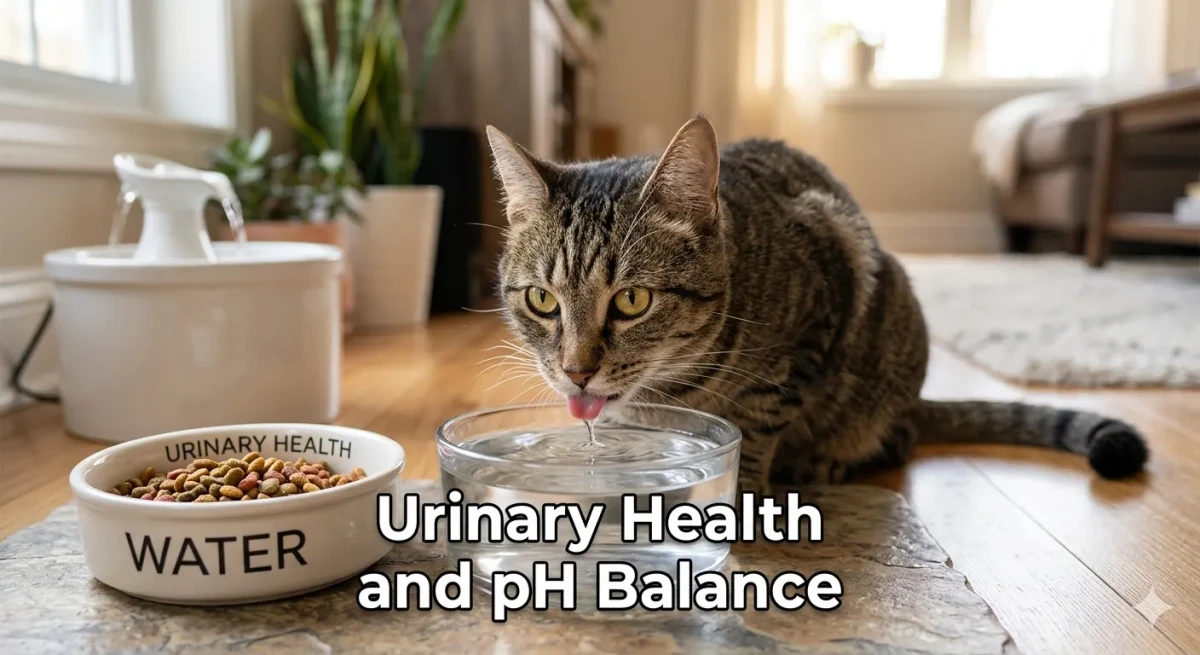
Understanding Urinary Health and pH Balance in Cats
Urinary health is one of the most critical aspects of feline wellness, yet it is often overlooked until problems arise. Cats are particularly prone to urinary tract issues including crystals, stones, infections, and feline lower urinary tract disease (FLUTD). These conditions can cause significant discomfort, require expensive veterinary treatment, and in severe cases, become life-threatening emergencies.
The key to preventing urinary problems lies in understanding and maintaining proper urinary pH balance. A cat's urine pH affects the formation of crystals and stones. Struvite crystals form in alkaline urine (pH above 7.0), while calcium oxalate crystals develop in acidic urine (pH below 6.0). The ideal urinary pH for cats ranges between 6.0 and 6.5, creating an environment that discourages crystal formation while supporting overall urinary tract health.
According to veterinary urologists and nutritionists, cats benefit significantly from diets formulated with controlled mineral content, appropriate magnesium and phosphorus levels, and ingredients that support healthy urine pH. Best Cat Food for Indoor Cats: Complete 2026 Guide provides additional insights into nutritional strategies that support overall feline health, including urinary wellness.
Common Urinary Problems in Cats
Understanding the urinary conditions that affect cats helps owners recognize early signs and implement preventive nutrition:
- Struvite Crystals: Magnesium ammonium phosphate crystals that form in alkaline urine; often dissolve with dietary management
- Calcium Oxalate Stones: Hard stones that form in acidic urine; typically require surgical removal and preventive diet
- Feline Lower Urinary Tract Disease (FLUTD): A syndrome encompassing various urinary issues including inflammation, crystals, and blockages
- Urinary Tract Infections: Bacterial infections that can cause discomfort and complicate other urinary conditions
- Urethral Blockage: A life-threatening emergency, particularly in male cats, where crystals or plugs obstruct urine flow
Recognizing early warning signs is crucial for timely intervention. Learn more about Early Warning Signs Your Cat Is Sick: Complete Guide to help identify potential urinary issues including frequent litter box visits, straining to urinate, blood in urine, or vocalizing during elimination.
How Diet Influences Urinary pH and Stone Formation
Nutrition plays a fundamental role in urinary health through multiple mechanisms:
Mineral Control: Diets formulated for urinary health contain controlled levels of magnesium, phosphorus, and calcium to reduce the raw materials available for crystal formation.
Urine Acidification: Certain ingredients and additives help maintain optimal urine pH, preventing the alkaline environment that promotes struvite crystals.
Moisture Content: Higher moisture intake dilutes urine, reducing the concentration of minerals that can form crystals and promoting regular flushing of the urinary tract.
Urinary Tract Support: Ingredients like cranberry extract may help support bladder lining health and discourage bacterial adhesion.
Understanding Cat Digestive Health Guide for Beginners Complete Care helps you appreciate how proper nutrition absorption and hydration affect overall health, including urinary function.
Key Nutrients for Urinary Health and pH Balance
Selecting appropriate cat food for urinary support requires understanding specific nutrients that promote healthy urine composition and discourage crystal formation.
Controlled Magnesium and Phosphorus Levels
Mineral management is essential for preventing crystal formation:
- Magnesium: Urinary health diets typically contain less than 0.08% magnesium on a dry matter basis to reduce struvite risk
- Phosphorus: Controlled phosphorus levels support both urinary and kidney health
- Calcium: Balanced calcium helps prevent calcium oxalate formation while supporting bone health
- Ash Content: Lower ash (mineral) content reduces the overall mineral load excreted in urine
Urine pH Modulators
Specific ingredients help maintain optimal urinary pH:
- DL-Methionine: An amino acid that helps acidify urine to prevent struvite formation
- Ammonium Chloride: Another acidifying agent used in some therapeutic diets
- Controlled Protein Sources: Animal proteins naturally produce acidic urine metabolites
- Avoid Excessive Alkalizing Ingredients: Some plant proteins can raise urine pH
Increased Moisture Content
Hydration is critical for urinary health:
- Wet Food Benefits: Contains 70-80% moisture vs. 10-12% in dry food
- Urine Dilution: Higher water intake produces more dilute urine, reducing crystal risk
- Regular Flushing: Increased urine volume helps flush the urinary tract
- Encouraging Water Intake: Wet food, water fountains, and multiple water stations support hydration
Understanding the Wet vs Dry Cat Food: Which Is Better? debate is especially important for urinary health, as wet food is generally the superior choice for hydration support.
Omega-3 Fatty Acids
Anti-inflammatory nutrients support urinary tract health:
- EPA and DHA: From fish oil, reduce inflammation in the bladder and urinary tract
- Bladder Lining Support: May help maintain healthy mucosal barriers
- Overall Wellness: Support immune function and tissue health
Cranberry and Other Botanicals
Some urinary health formulas include supportive botanicals:
- Cranberry Extract: May help prevent bacterial adhesion to bladder walls
- D-Mannose: A sugar that may support urinary tract health
- Herbal Blends: Some formulas include traditional urinary support herbs
Note: Always consult your veterinarian before adding supplements, as some ingredients may interact with medications or conditions.
Top 10 Best Cat Foods for Urinary Health in 2026

After extensive research, veterinary consultation, and analysis of ingredient quality, nutritional composition, and clinical evidence, here are the top cat foods for urinary health available in the USA for 2026.
1. Hill's Prescription Diet c/d Multicare Wet Cat Food
Best Overall for Urinary Health
Hill's Prescription Diet c/d Multicare is the most extensively researched and veterinarian-recommended urinary care diet for cats. This formula is specifically designed to dissolve struvite crystals and prevent recurrence of both struvite and calcium oxalate stones.
Key Features:
- Controlled magnesium, phosphorus, and calcium levels
- Ingredients to promote optimal urine pH (6.0-6.4)
- Increased moisture content in wet formula
- Omega-3 fatty acids for anti-inflammatory support
- Clinically proven to reduce struvite crystal recurrence
- Available in wet and dry formulations
Pros: Clinically proven results, excellent palatability, widely available through veterinarians, strong research backing, supports multiple urinary conditions
Cons: Requires veterinary authorization, premium price point, not suitable for cats without urinary concerns
Best For: Cats with a history of urinary crystals or stones whose owners prioritize evidence-based nutrition
2. Royal Canin Urinary SO Wet Cat Food
Best for Stone Dissolution and Prevention
Royal Canin's Urinary SO formula is specifically designed to dissolve struvite uroliths and prevent recurrence of both struvite and calcium oxalate stones.
Key Features:
- Controlled mineral content to reduce crystal formation
- Ingredients to promote urine dilution and optimal pH
- High moisture content (78%) for hydration support
- Soft texture easy for cats to eat
- Veterinary diet formula with proven efficacy
Pros: Specifically formulated for stone dissolution, highly effective, strong veterinary support, proven clinical results, excellent palatability
Cons: Requires veterinary recommendation, expensive, limited availability outside clinics
Best For: Cats with diagnosed urinary stones needing therapeutic nutritional management
3. Purina Pro Plan Veterinary Diets UR Urinary St/Ox
Best Value for Prescription Urinary Diet
Purina Pro Plan's UR formula offers effective urinary support at a more accessible price point while maintaining high nutritional standards.
Key Features:
- Controlled minerals to reduce crystal risk
- Ingredients to support healthy urine pH
- Increased moisture in wet formula
- High-quality protein sources
- Available in wet and dry formats
Pros: More affordable than some prescription options, good palatability, widely available through vets, effective nutritional profile
Cons: Requires veterinary authorization, some cats may prefer other textures
Best For: Budget-conscious owners seeking effective prescription urinary nutrition
4. Hill's Science Diet Adult Urinary Hairball Control
Best Non-Prescription Option for Maintenance
Hill's Science Diet offers a non-prescription formula designed for cats prone to urinary issues and hairballs, providing preventive support.
Key Features:
- Controlled magnesium levels
- Ingredients to support healthy urine pH
- Increased fiber for hairball management
- Omega-6 fatty acids for skin and coat
- Available without prescription
Pros: No prescription required, widely available, good brand reputation, effective for preventive care
Cons: Not as targeted as prescription diets, contains grains, moderate mineral control
Best For: Cats with mild urinary concerns or those needing preventive support without prescription requirement
5. Blue Buffalo Urinary Care Grain-Free
Best Natural Ingredient Urinary Formula
Blue Buffalo's Urinary Care formula combines natural ingredients with urinary support nutrients, appealing to owners who prefer natural nutrition.
Key Features:
- Controlled magnesium and minerals
- Real chicken as first ingredient
- Grain-free formula
- LifeSource Bits with antioxidants
- No artificial preservatives or flavors
Pros: Natural ingredients, grain-free, widely available without prescription, good for preventive urinary health
Cons: Not prescription-formulated, moderate mineral control, higher price
Best For: Cats needing natural urinary support without prescription requirement
For cats needing additional digestive support alongside urinary care, Best Cat Food for Sensitive Stomachs: Expert Nutrition Guide offers valuable complementary information.
6. Wellness CORE Grain-Free Urinary Support
Best Premium Natural Urinary Option
Wellness CORE combines high protein with urinary-supporting nutrients and natural ingredients for comprehensive care.
Key Features:
- Controlled mineral content
- High protein from turkey and chicken
- Grain-free formula
- Omega fatty acids from salmon oil
- Probiotics for digestive health
Pros: High-quality ingredients, grain-free, excellent protein content, probiotic support, natural ingredients
Cons: Premium price, not prescription-formulated, may be too rich for some cats
Best For: Owners seeking premium natural nutrition with urinary support
7. Royal Canin Urinary Care Wet Cat Food
Best Non-Prescription Wet Food for Urinary Health
Royal Canin's Urinary Care formula provides urinary support in a highly palatable wet food format available without prescription.
Key Features:
- Controlled mineral content
- High moisture content (78%)
- Ingredients to support healthy urine pH
- Soft texture for easy eating
- Multiple flavor options
Pros: High moisture supports hydration, excellent palatability, easy portion control, no prescription required
Cons: More expensive than dry food, moderate mineral control compared to prescription diets
Best For: Cats who benefit from wet food's hydration benefits with urinary support needs
8. Natural Balance L.I.D. Urinary Health
Best for Cats with Urinary Issues and Food Sensitivities
Natural Balance's Limited Ingredient Diet formula provides urinary support with simplified nutrition for cats with multiple sensitivities.
Key Features:
- Single protein source options
- Controlled mineral content
- Limited ingredients for easy digestion
- No artificial additives
- Multiple protein choices
Pros: Simple ingredient list, good for sensitive cats, effective urinary support, widely available
Cons: Moderate protein content, not prescription-formulated, limited variety
Best For: Cats with urinary concerns and food sensitivities needing simplified nutrition
9. Merrick Purrfect Bistro Urinary Health
Best Whole-Food Urinary Formula
Merrick's Purrfect Bistro emphasizes real, whole-food ingredients with urinary support nutrients for comprehensive care.
Key Features:
- Controlled minerals for urinary health
- Deboned chicken as first ingredient
- Grain-free option available
- Whole fruits and vegetables
- Omega fatty acids
Pros: Whole-food ingredients, excellent palatability, effective urinary support, natural nutrition
Cons: Premium price, limited availability, not prescription-formulated
Best For: Owners prioritizing whole-food, natural nutrition with urinary support
10. Tiki Cat Luau (for hydration support)
Best High-Moisture Supplemental Option
Tiki Cat's Luau line provides exceptional moisture content and high-quality protein, making it an excellent supplemental option for cats needing hydration support for urinary health.
Key Features:
- Human-grade protein sources
- Very high moisture content (80%+)
- Low carbohydrate formula
- No artificial additives
- Multiple protein options
Pros: Premium quality ingredients, excellent hydration support, high protein, grain-free, natural nutrition
Cons: Not formulated for urinary health specifically, premium price, may need supplementation
Best For: Supplementing hydration alongside prescription urinary diets or for preventive care
For additional guidance on managing cats with multiple health considerations, Common Cat Health Problems and Prevention Tips offers valuable insights.
Comparison Table: Top Cat Foods for Urinary Health

| Brand | Mineral Control | Moisture Content | Prescription Required | Price Range | Best For |
|---|---|---|---|---|---|
| Hill's c/d Multicare | High | 78% wet | Yes | $$$$ | Overall effectiveness |
| Royal Canin Urinary SO | High | 78% wet | Yes | $$$$ | Stone dissolution |
| Purina Pro Plan UR | High | 78% wet | Yes | $$$ | Value |
| Hill's Science Urinary | Moderate | Variable | No | $$$ | Preventive care |
| Blue Buffalo Urinary | Moderate | Variable | No | $$$ | Natural ingredients |
| Wellness CORE Urinary | Moderate | Variable | No | $$$$ | Premium natural |
| Royal Canin Urinary Care | Moderate | 78% wet | No | $$$ | Wet food hydration |
| Natural Balance LID | Moderate | High wet | No | $$$ | Food sensitivities |
| Merrick Purrfect Bistro | Moderate | Variable | No | $$$$ | Whole foods |
| Tiki Cat Luau | Low | 80%+ wet | No | $$$$ | Hydration support |
How to Transition Your Cat to Urinary Health Food

Switching a cat to a urinary health diet requires careful planning to ensure acceptance and avoid digestive upset.
Gradual Transition Schedule
Days 1-3: Mix 25% new urinary health food with 75% current food
Days 4-6: Mix 50% new urinary health food with 50% current food
Days 7-9: Mix 75% new urinary health food with 25% current food
Day 10: 100% new urinary health food
Monitor your cat closely during this transition. Cats with urinary concerns may have sensitive systems, so if digestive upset occurs, slow the transition and consult your veterinarian.
For cats needing additional support with daily care routines during dietary transitions, Daily Care Routine for Cats: Complete 2026 Guide offers helpful strategies.
Strategies to Encourage Eating
- Warm the food slightly: Warming wet food to body temperature enhances aroma and palatability
- Offer small, frequent meals: Cats with urinary issues often do better with 3-4 small meals daily
- Ensure fresh water: Always provide clean, fresh water nearby to support urinary health
- Minimize stress: Feed in a quiet, comfortable location
- Consult your vet: About appetite support if your cat is reluctant to eat
Feeding Guidelines and Monitoring Urinary Health

Portion Control for Urinary Support
Proper portion control helps maintain ideal weight and supports urinary health:
- Follow veterinary guidance: Your vet will calculate appropriate calorie needs based on your cat's condition
- Divide into meals: Feed 2-4 measured meals daily rather than free-feeding
- Monitor body condition: Adjust portions to maintain ideal weight; obesity increases urinary risk
- Track water intake: Ensure adequate hydration for urine dilution
Monitoring Your Cat's Urinary Response
After transitioning to urinary health food, monitor for improvements in:
- Litter box habits (frequency and ease of urination)
- Urine appearance (clarity and color)
- Straining or vocalizing during elimination
- Appetite and energy levels
- Overall comfort and demeanor
Improvements in urinary health typically require regular veterinary monitoring through urinalysis rather than visible changes alone. Schedule follow-up appointments every 3-6 months for cats with urinary concerns.
Additional Strategies for Urinary Health Support

While diet is fundamental, comprehensive urinary care requires multiple approaches.
Hydration Management
Supporting hydration is critical for urinary health:
- Multiple water stations: Place fresh water bowls throughout your home
- Cat water fountains: Encourage drinking with moving water
- Wet food: Incorporate wet food into every meal
- Add water to food: Mix water or low-sodium broth into dry food
Litter Box Management
Proper litter box setup encourages regular elimination:
- Multiple boxes: Provide one litter box per cat plus one extra
- Regular cleaning: Scoop daily and change litter regularly
- Accessible locations: Place boxes in quiet, low-traffic areas
- Appropriate litter: Use unscented, clumping litter that cats prefer
For additional strategies with litter training, How to Train a Cat to Use Litter Consistently: Complete 2026 Guide provides helpful guidance.
Stress Reduction
Stress can trigger urinary issues in cats:
- Consistent routines: Maintain regular feeding and play schedules
- Environmental enrichment: Provide toys, climbing structures, and mental stimulation
- Safe spaces: Offer quiet areas for retreat
- Pheromone products: Consider Feliway diffusers for anxious cats
Regular Veterinary Care
Cats with urinary concerns require ongoing veterinary monitoring:
- Urinalysis: Regular testing to monitor urine pH, specific gravity, and crystal presence
- Imaging: Ultrasound or X-rays as recommended to assess bladder and kidneys
- Blood work: Monitor kidney function and overall health
- Medication management: Follow prescribed treatments for infections or other conditions
For comprehensive preventive care guidance, Annual Health Check Routine for Cats: Complete Guide provides essential recommendations.
When to Seek Immediate Veterinary Care

While nutritional management helps many cats with urinary concerns, certain situations require immediate veterinary attention:
- Complete inability to urinate (urethral blockage)
- Straining to urinate with no production
- Blood in urine
- Vocalizing or showing pain during elimination
- Frequent trips to litter box with minimal output
- Lethargy, vomiting, or loss of appetite
- Abdominal pain or distension
Urethral blockage is a life-threatening emergency, especially in male cats. If you suspect a blockage, seek veterinary care immediately.
Recognizing Warning Signs Your Cat Needs a Vet Visit Guide helps you know when professional care is needed.
Frequently Asked Questions

Can urinary crystals in cats be dissolved with diet?
Struvite crystals can often be dissolved with prescription urinary diets that acidify urine and control minerals. However, calcium oxalate stones typically cannot be dissolved and require surgical removal followed by preventive nutrition.
How long does it take to see improvement with urinary health food?
Changes in urine pH can occur within days of starting an appropriate diet. However, dissolving existing crystals may take 2-4 weeks, and preventing recurrence requires long-term dietary management.
Can I give my cat cranberry supplements with urinary food?
Always consult your veterinarian before adding supplements. While cranberry may support urinary health, some supplements can interact with medications or affect urine pH. Prescription urinary diets are formulated to provide complete nutritional support.
Should I feed wet or dry food for urinary health?
Wet food is generally preferred for urinary health because it provides better hydration, which dilutes urine and reduces crystal risk. However, some cats do well on prescription dry urinary diets if they drink adequate water.
Can male cats safely eat urinary health food?
Yes, urinary health diets are particularly important for male cats, who are at higher risk for urethral blockage. These diets help prevent crystal formation that could lead to life-threatening obstructions.
Conclusion

Managing your cat's urinary health through appropriate nutrition is one of the most important steps you can take for their comfort and long-term wellbeing. Urinary issues can cause significant discomfort and, in severe cases, become emergencies. The right food can help maintain healthy urine pH, reduce crystal formation, and support overall urinary tract health.
From our comprehensive review, Hill's Prescription Diet c/d Multicare stands out as the best overall choice for most cats with urinary concerns, offering extensive research backing, proven clinical results, and excellent palatability. However, the best food for your cat depends on their specific condition, preferences, and veterinary recommendations.
Remember that nutrition is just one component of urinary health. Adequate hydration, stress reduction, proper litter box management, and regular veterinary care all play crucial roles in maintaining your cat's urinary wellness.
By investing in quality urinary health nutrition and implementing comprehensive care strategies, you can help your cat maintain a healthy urinary tract, reduce the risk of crystals and stones, and enjoy a more comfortable life. Your cat deserves the best care, and with the information in this guide, you're well-equipped to make informed decisions that will benefit them for years to come.
For ongoing support and additional pet care resources, explore our comprehensive guides on Healthy Diet Plan for Cats and Complete Nutrition Guide and maintain regular veterinary partnerships through Signs of a Healthy Cat Every Owner Should Know to ensure your cat receives holistic, expert-level care.

0 Comments