.png)
Quick Summary and Direct Answer
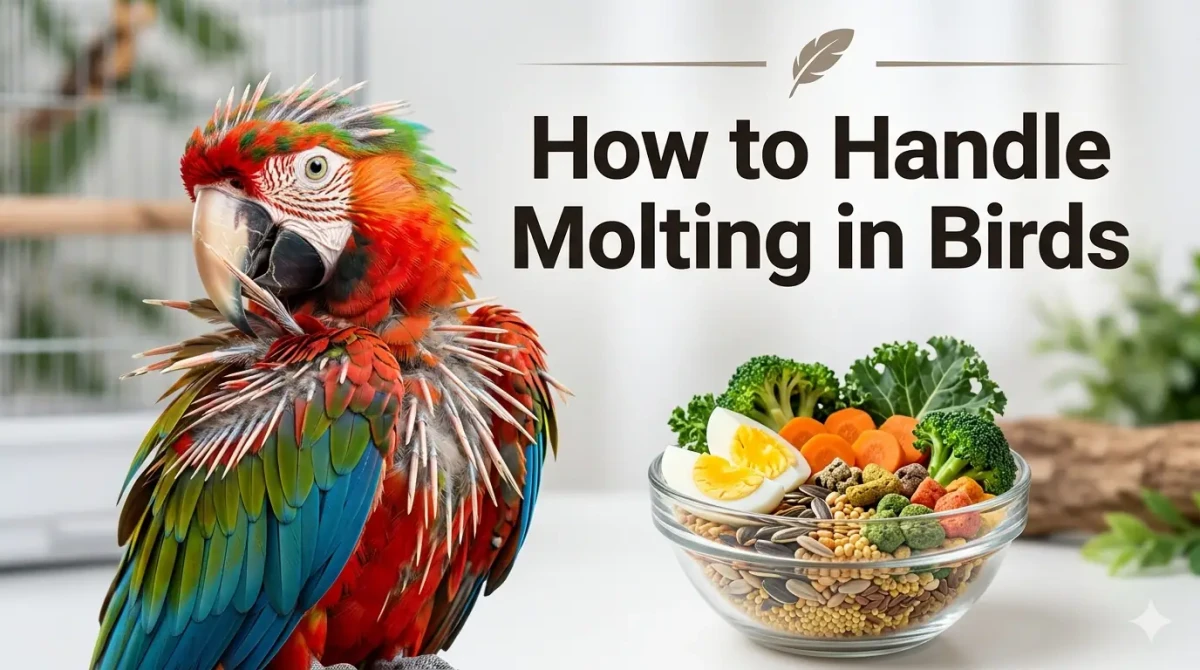
Handling molting in birds requires providing enhanced nutrition with increased protein, maintaining consistent environmental conditions, and reducing stress during this demanding physiological process. Most birds complete molting within six to eight weeks with proper support, though timing varies by species and individual health. This guide provides expert aligned recommendations, precise nutritional charts, and step by step care protocols for supporting birds through molt. You will learn how to identify normal versus abnormal molting patterns, compare budget versus premium supplements, adjust care for different species, and implement stress reduction strategies. All suggestions follow widely accepted avian care standards and prioritize bird health over cosmetic concerns. Always consult an avian veterinarian if molting appears excessive, causes bald patches, or is accompanied by behavioral changes indicating illness.
Featured Answer for Molting Support
Support molting birds by increasing protein intake to eighteen to twenty percent of diet through eggs, legumes, and quality pellets, providing daily bathing opportunities, and ensuring twelve hours of uninterrupted sleep. Offer calcium supplements and avoid handling pin feathers which are sensitive and painful. Monitor for normal symmetrical feather loss and regrowth, contacting an avian veterinarian if you observe bald patches, bleeding, or behavioral changes lasting beyond eight weeks.
Understanding Avian Molting Physiology and Natural Cycles
Molting is a natural, energy intensive process where birds shed old worn feathers and grow new ones to maintain flight capability, insulation, and appearance. Unlike mammals that continuously replace hair, birds undergo periodic molts typically once or twice yearly, requiring significant nutritional resources and causing temporary vulnerability. Understanding this process helps you provide appropriate support rather than unnecessary concern.
Most pet birds experience their first major molt between six and twelve months of age, then settle into annual or biannual cycles influenced by daylight hours, temperature changes, and hormonal factors. Stress, illness, or nutritional deficiencies can trigger abnormal molting patterns that require veterinary attention. Recognizing normal versus problematic molting prevents both under reaction to serious issues and over reaction to natural processes.
| Molt Type | Typical Duration | Frequency | Visible Signs | Species Examples |
|---|---|---|---|---|
| Juvenile Molt | Four to six weeks | Once at six to twelve months | Gradual replacement of baby feathers with adult plumage | All parrot species, cockatiels, budgies |
| Annual Complete Molt | Six to eight weeks | Once yearly, usually fall | Symmetrical feather loss, pin feather development | Large parrots, cockatoos, macaws |
| Biannual Partial Molt | Three to four weeks | Twice yearly, spring and fall | Limited feather replacement, less noticeable | Budgies, lovebirds, small conures |
| Stress Induced Molt | Variable, four to ten weeks | Irregular, triggered by events | Sudden excessive feather loss, possible bald patches | All species under environmental stress |
These timelines represent average durations and may vary based on individual health, nutrition, and species characteristics. Molting requires substantial protein and energy resources, making nutritional support critical during this period. Monitor your bird's behavior and physical condition throughout the molt, adjusting care based on observed needs rather than rigid schedules.
Step by Step Guide to Supporting Birds Through Molting

Consistent supportive care ensures birds navigate molting with minimal stress and optimal feather regrowth. Follow this comprehensive protocol to provide appropriate nutrition, environmental adjustments, and health monitoring throughout the molting period.
Nutritional Enhancement Protocol During Molt
- Increase dietary protein to eighteen to twenty percent of total intake by offering hard boiled eggs with crushed shells, cooked legumes, sprouted seeds, and high quality pellets formulated for molting birds.
- Provide calcium supplementation through cuttlebone, mineral blocks, or calcium powder sprinkled on fresh foods at manufacturer recommended dosages to support new feather shaft development.
- Offer vitamin A rich foods like sweet potato, carrots, and dark leafy greens daily to support skin health and proper feather follicle function during regeneration.
- Include omega three fatty acids through small amounts of flax seeds, walnuts, or veterinary approved fish oil supplements to promote glossy, strong feather growth.
- Maintain fresh food offerings at room temperature for no more than four hours to prevent bacterial growth that can compromise immune function during the physiologically stressful molting period.
- Avoid high fat seeds like sunflower as primary diet components during molt, as excessive fat interferes with protein utilization needed for feather synthesis.
Store supplements in cool, dry locations away from direct sunlight to preserve potency and prevent degradation. Measure all supplements accurately using dedicated measuring tools rather than visual estimates to prevent toxicity from over supplementation. Document dietary changes and observe your bird's acceptance patterns, adjusting offerings based on preferences while maintaining nutritional completeness.
Featured Answer for Nutritional Support
Increase protein to eighteen to twenty percent during molt through eggs, legumes, and quality pellets. Provide daily calcium via cuttlebone, vitamin A rich vegetables, and omega three sources. Avoid over supplementation by measuring accurately and consult an avian veterinarian before adding multiple supplements simultaneously.
Environmental Adjustments for Molting Comfort

Creating a supportive environment reduces stress and physical discomfort during molting, promoting faster recovery and better feather quality. Implement these modifications to accommodate your bird's increased sensitivity and physiological demands.
Bathing and Humidity Management
Molting birds benefit significantly from regular bathing opportunities that soothe itchy skin, soften pin feather sheaths, and encourage natural preening behaviors. Provide fresh bathing water daily in shallow dishes large enough for full body immersion, or use gentle spray bottles with lukewarm water for birds preferring misting. Bathe in the morning to allow complete drying before evening, preventing chilling that can compromise immune function. Maintain ambient humidity between forty and sixty percent using room humidifiers during dry seasons, as adequate moisture prevents skin irritation and supports healthy feather development.
Sleep and Rest Optimization
Molting demands substantial energy resources, making increased sleep essential for recovery and feather synthesis. Ensure twelve hours of uninterrupted darkness and quiet nightly by covering the cage or moving your bird to a separate room away from household activity. Maintain consistent sleep schedules aligned with natural circadian rhythms, avoiding late night disturbances that disrupt hormone production critical for feather growth. Provide comfortable perches with varying diameters to reduce foot fatigue during extended rest periods, and avoid relocating cages or making environmental changes during active molting phases.
Temperature and Draft Control
Feather loss temporarily reduces insulation capacity, making molting birds more susceptible to temperature fluctuations and drafts. Maintain ambient temperatures between sixty five and seventy five degrees Fahrenheit, avoiding sudden changes that stress thermoregulatory systems. Position cages away from heating vents, air conditioners, windows, and exterior doors where drafts commonly occur. Monitor your bird for signs of chilling including fluffed posture, trembling, or seeking warm locations, adjusting environmental controls accordingly while avoiding overheating that can cause additional stress.
Identifying Normal Versus Abnormal Molting Patterns

Distinguishing between natural molting and health problems requiring veterinary intervention prevents both unnecessary worry and dangerous delays in treatment. Understanding normal patterns helps you recognize warning signs early when intervention is most effective.
Normal Molting Indicators
- Symmetrical feather loss occurring evenly on both sides of the body, with new pin feathers appearing in predictable patterns following natural feather tract lines.
- Gradual progression over six to eight weeks with no sudden bald patches or areas completely devoid of feathers except temporary pin feather emergence zones.
- Maintained appetite and energy levels despite increased food consumption, with birds remaining active, alert, and engaged with their environment.
- Pin feathers showing normal development with dark shafts encased in keratin sheaths that birds actively preen and remove as feathers mature.
- Behavioral changes limited to mild irritability when pin feathers are touched, increased preening frequency, and slightly elevated sleep needs.
Warning Signs Requiring Veterinary Attention
- Bald patches or asymmetrical feather loss creating visible skin exposure, particularly on head, chest, or back areas not explained by normal pin feather development.
- Bleeding, inflamed, or infected skin visible beneath missing feathers, indicating possible self trauma, parasitic infection, or bacterial complications.
- Prolonged molting exceeding ten weeks without visible progress or new feather growth, suggesting nutritional deficiencies, hormonal imbalances, or systemic illness.
- Behavioral changes including lethargy, appetite loss, breathing difficulties, or excessive vocalization indicating pain or distress beyond normal molting discomfort.
- Abnormal feather development showing discoloration, stress bars, brittle texture, or failure to emerge properly from sheaths despite adequate time.
Featured Answer for Health Monitoring
Normal molting shows symmetrical feather loss with gradual regrowth over six to eight weeks while maintaining appetite and energy. Contact an avian veterinarian immediately if you observe bald patches, bleeding, prolonged molting beyond ten weeks, or behavioral changes like lethargy and appetite loss.
Species Specific Molting Considerations and Care Adjustments

Different bird species experience molting uniquely based on size, natural habitat, and physiological characteristics. Adapting care to species specific needs optimizes support and prevents complications during feather replacement cycles.
Large Parrots and Macaws
Large parrots including macaws, African greys, and cockatoos undergo extensive molts lasting eight to twelve weeks due to their substantial feather coverage. These species require significantly increased protein intake and may show pronounced behavioral changes including irritability, reduced vocalization, and preference for solitude. Provide larger bathing opportunities with shallow pools or outdoor misting systems, and increase quiet rest periods to accommodate greater energy demands. Monitor wing feathers carefully as their loss temporarily affects flight capability, adjusting cage setup to prevent injury from falls or clumsy landings.
Medium Parrots and Conures
Medium sized birds like conures, caiques, and ringnecks typically molt twice yearly with moderate intensity over four to six week periods. These active species often continue normal behaviors during molt but require enhanced nutrition and may show increased chewing or destructive behaviors as stress relief. Provide abundant safe chewing toys, maintain consistent routines, and offer additional fresh food variety to encourage adequate nutrition during feather synthesis.
Small Parrots and Budgies
Small species including budgies, lovebirds, and parrotlets experience less dramatic molts occurring two to three times yearly with minimal behavioral disruption. Despite smaller scale, these birds still require protein enhancement and may show subtle signs like increased sleep or mild irritability. Monitor carefully as small birds can deteriorate rapidly if molting complications occur, and ensure cage mates do not aggress against molting individuals showing temporary vulnerability.
Cockatiels and Special Considerations
Cockatiels often experience notable molting stress with visible behavioral changes including increased vocalization, clinginess, or aggression. This species particularly benefits from gentle head scratching to relieve pin feather itch in areas they cannot reach, daily bathing opportunities, and consistent sleep schedules. Monitor for egg binding in females during molt as hormonal fluctuations can trigger reproductive issues requiring immediate veterinary intervention.
Budget Versus Premium Molting Support Products

Quality nutritional support during molting need not break your budget, but understanding product tiers helps you allocate resources effectively for optimal bird health. The following comparison outlines realistic investments for supporting feather regrowth.
| Product Category | Budget Option Cost | Premium Option Cost | Key Features | Best For |
|---|---|---|---|---|
| Protein Supplements | Eight to fifteen dollars monthly | Twenty to thirty five dollars monthly | Egg food powders, sprouting seeds, basic pellets | Healthy birds with normal molts, budget conscious owners |
| Vitamin and Mineral Supplements | Ten to eighteen dollars | Twenty five to forty five dollars | Basic calcium blocks, standard multivitamin drops | Supplementing balanced diets, preventing deficiencies |
| Premium Molting Formulas | Not applicable | Thirty to sixty dollars | Specialized molting pellets, organic supplements, amino acid blends | Chronic molting issues, show birds, breeding stock |
| Bathing and Grooming Tools | Five to twelve dollars | Fifteen to thirty dollars | Basic spray bottles, simple bath dishes | Daily hygiene maintenance, all species |
Budget options provide adequate nutrition for healthy birds experiencing normal molts when combined with fresh whole foods like eggs and vegetables. Mid range selections offer improved bioavailability and targeted nutrients that benefit birds with moderate molting stress or marginal diets. Premium tiers feature specialized formulations addressing specific deficiencies or supporting optimal feather quality for exhibition birds. Purchasing supplements in bulk, growing sprouts at home, and offering human grade eggs and vegetables reduces costs significantly while maintaining nutritional quality.
Stress Reduction Techniques During Molting Periods

Molting creates physiological stress that compounds with environmental stressors, potentially prolonging recovery and compromising feather quality. Implementing stress reduction strategies supports immune function and promotes efficient feather regrowth.
- Maintain absolute consistency in daily routines including feeding times, cage cleaning schedules, and social interaction periods to provide predictability that reduces anxiety during physically demanding molting phases.
- Minimize environmental changes by avoiding cage relocation, new toy introductions, or household renovations during active molting, as adaptation demands compete with feather synthesis energy requirements.
- Reduce handling of pin feathers which are extremely sensitive and painful when touched, limiting physical interaction to gentle head scratches in areas your bird cannot reach independently.
- Provide enrichment through foraging toys and puzzle feeders that maintain mental stimulation without physical exertion, preventing boredom while conserving energy for feather production.
- Use calming pheromone diffusers or natural supplements like chamomile tea cooled and offered in drinking water for severely stressed birds, consulting an avian veterinarian before introducing any supplements.
- Ensure adequate social interaction without overstimulation, respecting your bird's need for rest while preventing isolation that can trigger feather destructive behaviors.
Monitor stress indicators daily including feather plucking, excessive vocalization, appetite changes, or aggression that suggest molting stress exceeds coping capacity. Adjust environmental factors immediately when stress signals appear, prioritizing your bird's comfort over convenience or aesthetic concerns.
Common Molting Mistakes and How to Avoid Them

Well intentioned bird owners frequently make errors that prolong molting discomfort or cause complications despite using quality products. Recognizing these pitfalls prevents unnecessary suffering and supports efficient feather regrowth.
Over Supplementation and Nutritional Imbalance
The most common mistake involves adding multiple supplements simultaneously without veterinary guidance, creating toxic nutrient levels or imbalances that interfere with absorption. Never exceed manufacturer recommended dosages for calcium, vitamin D, or protein supplements, as excess causes kidney damage, feather abnormalities, or metabolic disorders. Introduce one supplement at a time with one week intervals to monitor tolerance and effectiveness. Base supplementation on actual dietary gaps identified through food diaries rather than assumptions about molting needs.
Inadequate Protein During Critical Periods
Underestimating protein requirements during molt leads to poor feather quality, prolonged molting duration, and increased susceptibility to illness. Seed only diets provide insufficient protein for feather synthesis, requiring deliberate enhancement through eggs, legumes, or quality pellets. Monitor feather regrowth progress weekly, and if new feathers appear weak, discolored, or slow to develop, immediately increase protein sources and consult an avian veterinarian to rule out underlying health issues.
Ignoring Behavioral Changes as Normal
Dismissing significant behavioral changes as "just molting" delays diagnosis of serious conditions like viral infections, parasitic infestations, or organ disease that mimic molting symptoms. While mild irritability and increased sleep are normal, persistent lethargy, appetite loss, breathing changes, or feather plucking require immediate veterinary evaluation. When in doubt, schedule a wellness exam rather than waiting to see if symptoms resolve, as early intervention prevents complications and reduces treatment costs.
Expert Tips From Avian Veterinarians and Professional Breeders

Board certified avian veterinarians and experienced breeders consistently emphasize prevention, observation, and individualized care when supporting birds through molting. Real world insights complement scientific guidelines and provide practical strategies that product labels rarely address. Incorporate these proven methods to optimize molting support and feather quality.
- Begin nutritional enhancement one week before visible molting begins if you track your bird's annual cycle, preparing the body for increased demands rather than reacting after feather loss starts.
- Use the pinch test to assess feather maturity by gently squeezing pin feathers between thumb and forefinger; mature feathers feel hollow while developing pins feel solid and should not be manipulated.
- Photograph your bird weekly during molt to document progress objectively, as day to day changes are subtle and photos reveal patterns invisible to casual observation.
- Offer warm mashed sweet potato or cooked squash during molt as comfort foods that provide beta carotene, moisture, and easy digestion when appetite may fluctuate.
- Coordinate molting support with veterinary wellness exams, scheduling blood work mid-molt to assess nutritional status and adjust supplementation based on objective health markers rather than assumptions.
- Keep detailed molting journals recording start dates, duration, behavioral changes, dietary adjustments, and feather quality outcomes to identify patterns and optimize future molting support.
These practices align with widely accepted avian veterinary standards and emphasize proactive management over reactive treatment. Owners who implement structured observation and documentation report shorter molting durations, better feather quality, and fewer complications requiring veterinary intervention. Consistency remains the most powerful tool when supporting molting birds, as stable routines and predictable care reduce stress and support physiological processes more effectively than expensive supplements or quick fixes.
Frequently Asked Questions

How long does normal bird molting last
Most birds complete molting within six to eight weeks, though duration varies by species, age, and overall health. Small birds like budgies may finish in three to four weeks while large parrots can require eight to twelve weeks for complete feather replacement. Molting should show continuous progress with new feathers emerging as old ones shed. Contact an avian veterinarian if molting exceeds ten weeks without visible improvement or if your bird shows signs of distress.
Why is my bird losing feathers outside of normal molting season
Off season feather loss may indicate stress, nutritional deficiencies, parasitic infections, hormonal imbalances, or underlying illness requiring veterinary evaluation. Environmental changes, inadequate sleep, poor diet, or psychological stress can trigger abnormal molting. Document the pattern of feather loss, note any behavioral changes, and schedule an avian veterinary exam to rule out medical causes before assuming it is stress related.
Can I help my bird feel better during molting
Yes, provide enhanced protein through eggs and legumes, ensure twelve hours of uninterrupted sleep, offer daily bathing opportunities, maintain consistent routines, and gently scratch areas your bird cannot reach. Avoid handling pin feathers which are painful, minimize environmental stress, and be patient with temporary behavioral changes. Most birds feel significantly better within two to three weeks of proper supportive care.
What foods should I avoid feeding during molt
Avoid high fat seeds like sunflower as primary diet components, chocolate, caffeine, alcohol, avocado, and salty or sugary human foods that interfere with nutrient absorption or cause toxicity. Do not offer excessive supplements without veterinary guidance, as over supplementation causes more harm than benefit. Limit treats to ten percent of total diet, focusing instead on nutritionally complete foods that support feather synthesis.
When should I take my molting bird to the veterinarian
Schedule immediate veterinary attention if you observe bald patches, bleeding skin, prolonged molting beyond ten weeks, appetite loss, lethargy, breathing difficulties, or behavioral changes indicating pain or distress. Also consult your avian veterinarian before starting any supplement regimen, if this is your bird's first molt, or if you have concerns about feather quality or molting patterns.

0 Comments