.png)
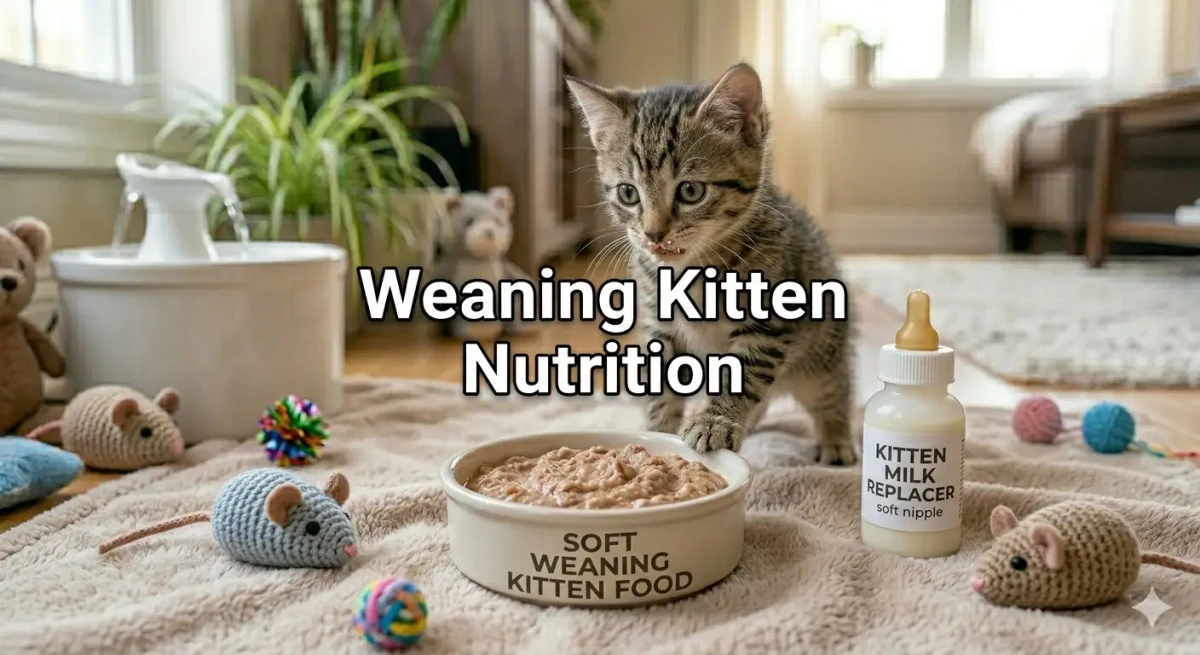
Understanding Kitten Weaning and Nutritional Transition
Weaning kittens from milk to solid food represents one of the most critical developmental milestones in feline growth. This transition typically occurs between 4 to 8 weeks of age, when kittens begin developing teeth, gaining coordination, and showing interest in their mother's food. Providing the right weaning nutrition ensures proper growth, immune development, and establishes healthy eating patterns that last a lifetime.
During weaning, kittens require specialized nutrition that bridges the gap between liquid milk and solid kibble. Their tiny mouths, developing digestive systems, and high energy demands demand foods that are soft, highly digestible, nutrient-dense, and palatable. Rushing this process or offering inappropriate foods can lead to digestive upset, poor growth, or nutritional deficiencies that impact long-term health.
According to veterinary nutritionists and feline developmental specialists, successful weaning involves a gradual transition over 2-4 weeks, starting with milk replacer mixed with softened kitten food, progressing to moistened pate, and finally introducing dry kibble. Kitten Food for Growth and Immunity Complete Guide provides essential insights into comprehensive nutritional strategies for growing kittens beyond the weaning phase.
When to Start the Weaning Process
Timing is crucial for successful weaning. Most kittens begin showing readiness signs between 3-4 weeks of age:
- Teeth emergence: Baby teeth (deciduous incisors) begin appearing around 3 weeks
- Increased coordination: Kittens can walk steadily and show interest in exploring
- Curiosity about food: Watching mother eat or investigating food bowls
- Reduced nursing frequency: Natural decrease in milk dependency
- Weight gain: Steady growth indicating readiness for additional nutrition
Orphaned kittens or those separated from their mother may need earlier intervention. Always consult your veterinarian before beginning weaning, especially for premature, underweight, or health-compromised kittens. Understanding Signs of a Healthy Cat Every Owner Should Know helps you monitor your kitten's developmental progress during this critical phase.
Why Proper Weaning Nutrition Matters
The weaning period lays the foundation for lifelong health through multiple mechanisms:
Digestive System Development: Gradual introduction of solid foods allows the kitten's immature digestive system to adapt to processing complex nutrients, enzymes, and fibers without overwhelming delicate intestinal lining.
Immune System Maturation: As maternal antibodies decline around 6-8 weeks, proper nutrition supports the kitten's developing immune system through essential vitamins, minerals, and high-quality proteins.
Oral and Dental Health: Transitioning textures help kittens develop proper chewing mechanics and support healthy tooth eruption and jaw development.
Behavioral Learning: Weaning teaches kittens essential feeding behaviors, including eating from bowls, recognizing meal times, and developing food preferences.
For comprehensive guidance on supporting your kitten's overall health beyond weaning, Daily Care Routine for Cats: Complete 2026 Guide offers valuable strategies for daily care alongside proper nutrition.
Key Nutritional Requirements for Weaning Kittens
Selecting appropriate weaning food requires understanding the specific nutritional needs of kittens during this rapid growth phase. Unlike adult cats, weaning kittens have exceptionally high energy and nutrient demands relative to their body size.
High-Quality Protein for Growth
Protein forms the foundation of kitten development:
- Protein Content: Weaning foods should contain 30-40% protein on a dry matter basis
- Animal-Based Sources: Chicken, turkey, fish, or egg provide complete amino acid profiles essential for tissue growth
- Digestibility: Highly digestible proteins ensure efficient nutrient absorption in immature digestive systems
- Taurine: Critical amino acid for heart, vision, and immune development; minimum 0.1% in dry food, 0.2% in wet food
Concentrated Energy from Fats
Fats provide essential calories and support neurological development:
- Fat Content: 20-30% on a dry matter basis supports high energy demands
- DHA and EPA: Omega-3 fatty acids from fish oil support brain and retinal development
- Arachidonic Acid: Essential omega-6 fatty acid kittens cannot synthesize sufficiently
- Energy Density: Weaning foods should provide 450-550 kcal per cup (dry) or 120-150 kcal per 3 oz can (wet)
Essential Vitamins and Minerals
Micro nutrients play crucial roles in development:
- Calcium and Phosphorus: Balanced ratio (1.1:1 to 1.4:1) supports bone and tooth development
- Vitamin A: Essential for vision, immune function, and cellular growth
- B-Complex Vitamins: Support energy metabolism and nervous system development
- Vitamin E and Selenium: Antioxidants protect developing tissues from oxidative stress
- Zinc and Iron: Critical for immune function, wound healing, and oxygen transport
Texture and Moisture Considerations
The physical properties of weaning food significantly impact acceptance and digestion:
- Soft, Moist Texture: Pate-style wet foods or kibble softened with kitten milk replacer are easiest for tiny mouths
- High Moisture Content: Wet foods (70-80% moisture) support hydration and ease swallowing
- Small Particle Size: Finely ground or mousse textures reduce choking risk
- Palatability: Strong aromas and familiar flavors encourage exploration and acceptance
Understanding the Wet vs Dry Cat Food: Which Is Better? debate helps you choose the format that best supports your weaning kitten's nutritional and developmental needs.
Top 10 Best Weaning Kitten Foods for 2026

After extensive research, veterinary consultation, and analysis of ingredient quality, nutritional composition, and real-world results, here are the top weaning kitten foods available in the USA for 2026.
1. Royal Canin Mother and Babycat Ultra-Soft Mousse
Best Overall for Weaning Kittens
Royal Canin's Mother and Babycat mousse is specifically formulated for queens during late pregnancy and nursing, and for kittens from birth to 4 months during weaning.
Key Features:
- Ultra-soft mousse texture ideal for tiny mouths and emerging teeth
- Highly digestible proteins (33%) from egg and poultry
- Optimized DHA levels for brain and vision development
- Prebiotics (FOS) support developing digestive system
- Antioxidant complex (vitamins C and E) supports immune maturation
- Can be mixed with warm water or kitten milk replacer for easier transition
Pros: Specifically designed for weaning, excellent palatability, strong veterinary support, proven clinical results, supports both mother and kittens
Cons: Premium price, limited availability outside specialty stores, wet food only format
Best For: Kittens 3-8 weeks old needing specialized weaning nutrition with veterinary-grade quality
2. Hill's Science Diet Kitten Healthy Development Pate
Best for Balanced Weaning Nutrition
Hill's Science Diet Kitten formula provides clinically proven nutrition in a soft pate texture suitable for weaning kittens.
Key Features:
- Soft pate texture easy for kittens to lap and chew
- High-quality protein (32%) from chicken for muscle development
- Guaranteed DHA from fish oil for brain and eye development
- Balanced minerals for healthy bone growth
- Antioxidant blend supports developing immune system
- AAFCO compliant for growth and reproduction
Pros: Veterinarian recommended, widely available, excellent palatability, comprehensive kitten nutrition, can be softened further with water
Cons: Contains grains (corn, wheat), higher price point, not suitable for kittens with grain sensitivities
Best For: Weaning kittens whose owners prioritize evidence-based nutrition with proven developmental support
3. Purina Pro Plan Kitten Classic Pate
Best Value for Weaning Kitten Nutrition
Purina Pro Plan's Kitten Classic offers effective weaning support at a more accessible price point while maintaining high nutritional standards.
Key Features:
- Soft pate texture ideal for weaning
- High protein (40%) from real chicken
- DHA from fish oil for cognitive development
- Calcium and phosphorus for bone growth
- Antioxidants for immune support
- Available in multiple protein varieties
Pros: More affordable than premium options, good palatability, widely available, effective DHA levels, easy to find in stores
Cons: Contains corn and wheat, moderate DHA levels compared to some premium formulas
Best For: Budget-conscious owners seeking effective weaning nutrition without compromising quality
4. Blue Buffalo Healthy Growth Kitten Pate
Best Natural Ingredient Weaning Formula
Blue Buffalo's Healthy Growth formula combines natural ingredients with DHA and LifeSource Bits for comprehensive weaning support.
Key Features:
- Soft pate texture with natural ingredients
- Real chicken as first ingredient
- DHA from fish oil for brain development
- LifeSource Bits with antioxidants and vitamins
- No artificial preservatives or flavors
- Grain-free option available
Pros: Natural ingredients, widely available without prescription, good DHA content, effective for developmental support, appealing to natural-food advocates
Cons: Contains some plant proteins, higher price, some kittens may need transition time
Best For: Weaning kittens needing natural nutrition with whole food ingredients and immune support
If your kitten has food sensitivities during weaning, reviewing Best Cat Food for Sensitive Stomachs: Expert Nutrition Guide may provide additional suitable options.
5. Wellness CORE Kitten Pate
Best Premium Grain-Free Weaning Option
Wellness CORE combines high protein with DHA and natural ingredients for comprehensive weaning support in grain-free format.
Key Features:
- Soft pate texture with high protein (42%) from turkey and chicken
- DHA from salmon oil for brain development
- Grain-free formula
- Probiotics for developing digestive health
- Antioxidant-rich fruits and vegetables
- No meat by-products or fillers
Pros: High-quality ingredients, grain-free, excellent protein content, probiotic support, natural immune-supporting ingredients
Cons: Premium price, may be too rich for some kittens, limited availability in some areas
Best For: Owners seeking premium grain-free weaning nutrition with proven developmental support
6. Instinct Kitten Pate with DHA
Best Raw-Inspired Weaning Formula
Instinct's Kitten formula combines high-quality pate with DHA and freeze-dried raw pieces for enhanced weaning nutrition.
Key Features:
- Soft pate texture with freeze-dried raw coating
- Cage-free chicken as primary protein
- DHA from fish oil for cognitive development
- Grain-free formula
- Probiotics for gut health
- No artificial ingredients
Pros: Raw nutrition benefits, high protein, excellent palatability, grain-free, probiotic support for developing immunity
Cons: Premium price, strong smell, may be too rich for sedentary kittens
Best For: Active weaning kittens needing high protein with DHA and enhanced raw-inspired nutrition
7. Merrick Purrfect Bistro Kitten Pate
Best Whole-Food Weaning Formula
Merrick's Purrfect Bistro Kitten emphasizes real, whole-food ingredients with DHA for optimal weaning support.
Key Features:
- Soft pate texture with deboned chicken as first ingredient
- DHA from fish oil for brain and vision
- Whole fruits and vegetables for natural antioxidants
- Omega fatty acids for overall health
- No artificial additives
- Grain-free option available
Pros: Whole-food ingredients, excellent palatability, effective DHA support, natural nutrition, appealing texture for weaning
Cons: Premium price, limited availability, moderate DHA levels
Best For: Owners prioritizing whole-food, natural weaning nutrition for optimal development
8. Tiki Cat Kitten Luau Pate
Best High-Moisture Weaning Option
Tiki Cat's Kitten Luau provides exceptional protein content with DHA and very high moisture, supporting both weaning and hydration.
Key Features:
- Ultra-soft pate texture with human-grade protein sources
- Very high moisture content (80%+) for hydration
- DHA from fish ingredients for development
- Grain-free and low carbohydrate
- Natural taurine from meat sources
- No artificial additives
Pros: Premium quality ingredients, excellent hydration support, high protein, grain-free, natural nutrition ideal for tiny mouths
Cons: Very expensive, may need supplementation for complete nutrition, strong smell
Best For: Weaning kittens needing high-moisture nutrition with hydration benefits and easy swallowing
9. Natural Balance L.I.D. Kitten Pate
Best for Weaning Kittens with Sensitivities
Natural Balance's Limited Ingredient Diet Kitten formula provides weaning support with simplified nutrition for sensitive kittens.
Key Features:
- Soft pate texture with single protein source options
- DHA from fish oil for development
- Limited ingredients for easy digestion
- Grain-free option available
- No artificial colors or flavors
- Simple ingredient list reduces sensitivity risk
Pros: Minimal ingredients reduce allergy risk, DHA support, effective for sensitive kittens, multiple protein options, widely available
Cons: Higher price, limited availability of some varieties, some kittens may need transition time
Best For: Weaning kittens with food sensitivities needing simplified, high-quality nutrition
10. Royal Canin Kitten Instinctive Pate
Best for Picky Weaning Kittens
Royal Canin's Kitten Instinctive formula combines weaning support with exceptional palatability for selective eaters.
Key Features:
- Ultra-soft pate texture highly appealing to kittens
- Optimized DHA levels for brain development
- High moisture content supports hydration
- Small particle size easy for tiny mouths
- Complete and balanced nutrition for growth
- Strong aroma encourages exploration
Pros: Excellent palatability, strong DHA support, easy for kittens to eat, veterinary-backed, ideal for reluctant weaners
Cons: Premium price, contains some grains, limited protein variety
Best For: Picky weaning kittens needing highly palatable nutrition with developmental support
For additional strategies with finicky kittens during weaning, Best Cat Food for Picky Eaters and Finicky Felines offers helpful guidance.
Comparison Table: Top Weaning Kitten Foods

| Brand | Texture | Protein Percent | DHA Source | Grain Free | Price Range | Best For |
|---|---|---|---|---|---|---|
| Royal Canin Mother Babycat | Ultra-soft mousse | 33% | Fish oil | No | $$$$ | Specialized weaning |
| Hill's Science Kitten Pate | Soft pate | 32% | Fish oil | No | $$$ | Balanced nutrition |
| Purina Pro Plan Kitten | Soft pate | 40% | Fish oil | No | $$ | Value |
| Blue Buffalo Healthy Growth | Soft pate | 35% | Fish oil | Optional | $$$ | Natural ingredients |
| Wellness CORE Kitten | Soft pate | 42% | Salmon oil | Yes | $$$$ | Premium grain-free |
| Instinct Kitten | Pate with raw coating | 41% | Fish oil | Yes | $$$$ | Raw-inspired |
| Merrick Purrfect Bistro | Soft pate | 38% | Fish oil | Optional | $$$$ | Whole foods |
| Tiki Cat Kitten Luau | Ultra-soft pate | 14% wet | Fish ingredients | Yes | $$$$ | High moisture |
| Natural Balance LID Kitten | Soft pate | 30% | Fish oil | Optional | $$$ | Sensitivities |
| Royal Canin Instinctive | Ultra-soft pate | 32% wet | Fish oil | No | $$$$ | Picky eaters |
Step-by-Step Weaning Transition Schedule

Successful weaning requires a gradual, patient approach over 2-4 weeks. Rushing the process can cause digestive upset or food aversion.
Week 1: Introduction to Solid Food (3-4 weeks old)
Goal: Introduce taste and texture of solid food while maintaining milk intake
- Food Preparation: Mix 1 part high-quality kitten pate with 3 parts warm kitten milk replacer to create a gruel consistency
- Feeding Method: Offer on a shallow saucer or plate; dip kitten's paw in mixture to encourage licking
- Frequency: 4-6 small meals daily, alongside regular milk feedings
- Amount: Start with 1-2 teaspoons per meal; let kitten explore at own pace
- Monitoring: Watch for interest, acceptance, and any digestive changes
Featured Snippet: Start weaning at 3-4 weeks by mixing 1 part kitten pate with 3 parts warm kitten milk replacer to create a gruel. Offer 4-6 small meals daily on a shallow dish, allowing kittens to explore while continuing regular milk feedings.
Week 2: Increasing Solid Food Ratio (4-5 weeks old)
Goal: Gradually increase solid food while decreasing milk dependency
- Food Preparation: Adjust ratio to 1:1 kitten pate to milk replacer for thicker consistency
- Feeding Method: Continue shallow dish feeding; encourage independent eating
- Frequency: 4-5 meals of gruel daily; reduce milk feedings to 2-3 times
- Amount: Increase to 1-2 tablespoons per meal as kitten shows interest
- Monitoring: Track weight gain, stool quality, and energy levels
Week 3: Transition to Moist Solid Food (5-6 weeks old)
Goal: Introduce moistened solid food with minimal liquid
- Food Preparation: Mix 3 parts kitten pate with 1 part warm water or milk replacer
- Feeding Method: Offer in shallow bowl; encourage lapping and early chewing
- Frequency: 4 meals of moist food daily; milk feedings reduced to 1-2 times
- Amount: 2-3 tablespoons per meal; adjust based on kitten's appetite
- Monitoring: Ensure adequate hydration and monitor for any digestive adjustments
Week 4: Introduction to Dry Kibble (6-8 weeks old)
Goal: Complete transition to solid food with optional dry kibble introduction
- Food Preparation: Offer moistened kitten kibble (soaked 10-15 minutes) or continue with pate
- Feeding Method: Provide in clean bowl; ensure fresh water is always available
- Frequency: 3-4 meals of solid food daily; discontinue milk replacer
- Amount: 3-4 tablespoons per meal; follow package guidelines for growing kittens
- Monitoring: Confirm consistent weight gain, healthy stools, and playful energy
For comprehensive daily care strategies during and after weaning, Daily Care Routine for Cats: Complete 2026 Guide offers helpful routines for growing kittens.
Feeding Guidelines and Portion Control for Weaning Kittens

Proper portion control during weaning ensures adequate nutrition without overfeeding delicate digestive systems.
Age-Based Feeding Amounts
| Age | Food Type | Amount Per Meal | Meals Per Day | Total Daily Amount |
|---|---|---|---|---|
| 3-4 weeks | Gruel (1:3 food:milk) | 1-2 teaspoons | 4-6 | 4-12 teaspoons |
| 4-5 weeks | Thick gruel (1:1) | 1-2 tablespoons | 4-5 | 4-10 tablespoons |
| 5-6 weeks | Moist pate (3:1) | 2-3 tablespoons | 4 | 8-12 tablespoons |
| 6-8 weeks | Solid pate or moistened kibble | 3-4 tablespoons | 3-4 | 9-16 tablespoons |
Monitoring Growth and Health
Track these indicators to ensure successful weaning:
- Weight gain: Kittens should gain 10-15 grams daily during weaning
- Stool quality: Firm, formed stools indicate good digestion; loose stools may require slower transition
- Energy levels: Playful, alert behavior indicates adequate nutrition
- Coat condition: Soft, shiny fur reflects good nutritional status
- Hydration: Moist gums and elastic skin indicate proper hydration
For comprehensive health monitoring guidance, Early Warning Signs Your Cat Is Sick: Complete Guide helps you recognize potential issues during weaning.
Common Weaning Challenges and Solutions

Reluctance to Eat Solid Food
If kittens show little interest in weaning food:
- Warm the food: Slightly warmed food (body temperature) enhances aroma and appeal
- Try different textures: Experiment with mousse, pate, or gruel consistencies
- Use familiar flavors: Start with the protein source from their milk replacer if possible
- Hand-feed initially: Gently offer small amounts on fingertip to build positive association
- Be patient: Some kittens take longer to accept new foods; never force-feed
Digestive Upset During Transition
If kittens experience loose stools or vomiting:
- Slow the transition: Return to previous food ratio for 2-3 days before advancing
- Ensure freshness: Discard uneaten food after 20-30 minutes to prevent bacterial growth
- Maintain hydration: Ensure constant access to fresh water or kitten milk replacer
- Consult veterinarian: If symptoms persist beyond 24 hours or include lethargy
Competition in Litter Weaning
When weaning multiple kittens:
- Provide multiple feeding stations: Prevent competition and ensure each kitten eats adequately
- Monitor individual intake: Separate kittens briefly if one dominates food access
- Use shallow dishes: Easy access for all kittens regardless of size or confidence
- Supervise meals: Ensure weaker kittens receive adequate nutrition
For additional strategies with multi-kitten households, Best Cat Toys for Kittens: Top Picks and Guide offers enrichment ideas that support healthy development alongside nutrition.
Additional Support Strategies for Weaning Success

Beyond nutrition, several practices support successful weaning and overall kitten development.
Hydration Management
Weaning kittens are prone to dehydration:
- Provide fresh water in shallow, accessible dishes
- Continue offering kitten milk replacer in separate bowl during transition
- Monitor for signs of dehydration: dry gums, decreased skin elasticity, lethargy
- Use wet food formats to boost moisture intake during early weaning
Environmental Setup for Weaning
Create a supportive weaning environment:
- Quiet, warm space: Reduce stress during this developmental transition
- Non-slip surfaces: Place towels under dishes to prevent sliding
- Easy-clean area: Expect messes; use washable mats or newspapers
- Safe exploration: Allow kittens to investigate food at their own pace
Hygiene During Weaning
Maintain cleanliness to prevent illness:
- Wash food and water dishes daily with hot, soapy water
- Discard uneaten food promptly to prevent bacterial growth
- Wipe kittens' faces gently after meals to prevent milk scald or food residue
- Keep weaning area clean and free of contaminants
For comprehensive preventive care guidance, Complete Kitten Vaccination Schedule: Expert Guide provides essential recommendations for protecting weaning kittens.
When to Seek Veterinary Assistance

While most weaning progresses smoothly, certain situations require professional guidance:
- Failure to gain weight or weight loss during weaning
- Persistent diarrhea or vomiting beyond 24 hours
- Complete refusal of solid food after 7-10 days of introduction
- Signs of dehydration: dry gums, sunken eyes, lethargy
- Weakness, trembling, or inability to stand
- Respiratory symptoms: sneezing, nasal discharge, labored breathing
- Any concerning behavioral changes or distress
Early veterinary intervention can address nutritional deficiencies, infections, or developmental issues before they impact long-term health. Recognizing Warning Signs Your Cat Needs a Vet Visit Guide helps you know when professional care is needed.
Frequently Asked Questions

What age should I start weaning my kitten?
Most kittens show readiness for weaning between 3-4 weeks of age, indicated by emerging teeth, increased coordination, and curiosity about food. Begin with small amounts of gruel while continuing milk feedings, and complete the transition by 8 weeks.
Can I use regular cat food for weaning?
No. Regular adult cat food lacks the specific nutrient profile kittens need for growth. Always use food specifically formulated for kittens or weaning, which contains higher protein, fat, DHA, and balanced minerals essential for development.
How do I know if my kitten is weaned successfully?
Successful weaning is indicated by: consistent weight gain (10-15g daily), firm formed stools, playful energy levels, interest in solid food, and ability to eat independently from a bowl without milk supplementation by 8 weeks.
Should I continue kitten milk replacer after weaning starts?
Yes, gradually reduce milk replacer as solid food intake increases. Most kittens can discontinue milk replacer completely by 7-8 weeks when eating solid food consistently. Always ensure fresh water is available throughout the transition.
What if my orphaned kitten won't wean?
Orphaned kittens may need extra patience and support. Try warming food, offering different textures, hand-feeding initially, and ensuring a calm environment. Consult your veterinarian if refusal persists beyond 10 days, as supplemental feeding or medical evaluation may be needed.
Conclusion

Successfully weaning kittens from milk to solid nutrition is a foundational step in raising healthy, vibrant cats. This critical transition requires patience, appropriate nutrition, and attentive care to support rapid growth, immune development, and lifelong eating habits.
From our comprehensive review, Royal Canin Mother and Babycat Ultra-Soft Mousse stands out as the best overall choice for weaning kittens, offering specialized texture, clinically proven nutrition, and veterinary-backed formulation designed specifically for this delicate developmental phase. However, the best food for your kitten depends on their individual needs, preferences, and any health considerations.
Remember that weaning is just one component of kitten care. Proper hydration, environmental enrichment, preventive healthcare, and loving interaction all play crucial roles in helping your kitten thrive. By investing in quality weaning nutrition and implementing comprehensive care strategies, you provide your kitten with the strongest possible start in life.
Your kitten deserves the best foundation for lifelong health, and with the information in this guide, you're well-equipped to make informed decisions that will benefit them for years to come. For ongoing support and additional kitten care resources, explore our comprehensive guides on Healthy Diet Plan for Cats and Complete Nutrition Guide and maintain regular veterinary partnerships through Annual Health Check Routine for Cats: Complete Guide to ensure your kitten receives holistic, expert-level care throughout their growth journey.

0 Comments