.png)
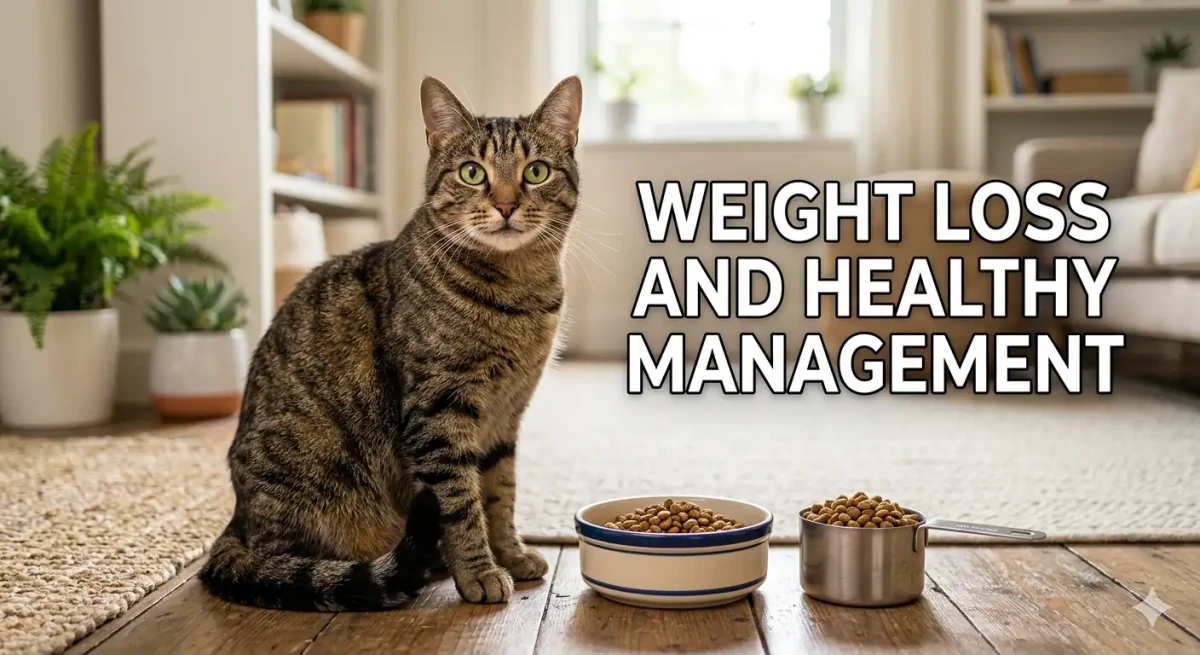
Understanding Feline Obesity and Weight Management
Feline obesity has reached epidemic proportions in the United States, with recent studies suggesting that over 60% of domestic cats are overweight or obese. This alarming trend poses serious health risks including diabetes, arthritis, heart disease, and significantly reduced lifespan. Managing your cat's weight through proper nutrition is one of the most important steps you can take to ensure their long-term health and quality of life.
Weight loss in cats requires a careful, measured approach. Unlike humans or even dogs, cats have unique metabolic needs as obligate carnivores. Rapid weight loss or improper dieting can lead to hepatic lipidosis (fatty liver disease), a potentially fatal condition. This is why selecting appropriate low-calorie cat food and implementing a structured weight management plan under veterinary guidance is essential.
According to veterinary nutritionists, successful feline weight loss involves a combination of calorie restriction, high-quality protein to preserve lean muscle mass, increased fiber for satiety, and regular monitoring. Prevent Obesity in Indoor Cats Complete Health Guide provides essential insights into preventing weight gain before it becomes a serious health issue.
Health Risks of Feline Obesity
Excess weight in cats isn't just a cosmetic concern—it's a serious medical condition that can lead to numerous health complications:
- Type 2 Diabetes: Obese cats are up to four times more likely to develop diabetes due to insulin resistance
- Arthritis and Joint Problems: Excess weight puts additional stress on joints, accelerating degenerative joint disease
- Cardiovascular Disease: Obesity strains the heart and can lead to hypertension
- Urinary Tract Issues: Overweight cats have higher risk of urinary crystals and blockages
- Respiratory Problems: Excess fat can compress the chest cavity, making breathing difficult
- Liver Disease: Obesity increases risk of hepatic lipidosis, especially during rapid weight loss
- Reduced Lifespan: Obese cats typically live shorter lives with reduced quality of life
Recognizing the signs of obesity early is crucial. Learn more about Signs of a Healthy Cat Every Owner Should Know to help assess your cat's current condition.
Why Cats Become Overweight
Understanding the root causes of feline obesity helps in developing effective prevention and treatment strategies:
- Overfeeding: Free-feeding or providing excessive portions is the most common cause
- High-Carbohydrate Diets: Many commercial cat foods contain excessive carbohydrates that cats convert to fat
- Lack of Exercise: Indoor cats especially may have limited opportunities for physical activity
- Neutering/Spaying: These procedures can reduce metabolic rate by 20-30%
- Age: Senior cats have slower metabolisms and reduced activity levels
- Breed Predisposition: Some breeds like Maine Coons and Ragdolls may be more prone to weight gain
- Medical Conditions: Hypothyroidism and other conditions can contribute to weight gain
For comprehensive preventive care guidance, Annual Health Check Routine for Cats: Complete Guide provides essential recommendations for monitoring your cat's health.
Key Features of Effective Low-Calorie Cat Food
Not all weight loss cat foods are created equal. Selecting the right formula requires understanding specific nutritional features that promote safe, effective weight loss while preserving muscle mass and overall health.
High-Quality Protein for Muscle Preservation
During weight loss, it's critical to preserve lean muscle mass while losing fat. Cats require higher protein levels than dogs or humans:
- Protein Content: Look for foods with 30-40% protein on a dry matter basis
- Animal-Based Proteins: Chicken, turkey, fish, or lamb provide complete amino acid profiles
- Digestibility: High-quality proteins are efficiently absorbed, supporting muscle maintenance
Adequate protein prevents the body from breaking down muscle tissue for energy, which can slow metabolism and lead to weakness.
Controlled Calorie Content
Weight loss cat foods typically contain 20-40% fewer calories than maintenance formulas:
- Calorie Range: Usually 280-350 kcal per cup for dry food, or 70-100 kcal per 3 oz can for wet food
- Calorie Density: Lower calorie density allows cats to eat satisfying portions while reducing total caloric intake
- Guaranteed Analysis: Always check the guaranteed calorie content on the label
Increased Fiber for Satiety
Fiber helps cats feel full while providing minimal calories:
- Soluble Fiber: Ingredients like beet pulp, psyllium, or cellulose slow digestion and promote fullness
- Fiber Content: Weight loss formulas typically contain 8-15% fiber on a dry matter basis
- Digestive Health: Fiber also supports healthy bowel movements and gut bacteria
Reduced Fat Content
While cats need some fat for essential fatty acids and nutrient absorption, weight loss foods contain controlled fat levels:
- Fat Range: Typically 8-12% on a dry matter basis for weight loss formulas
- Quality Fat Sources: Chicken fat or fish oil provide essential omega fatty acids
- Balance: Enough fat for health, but not so much that it prevents weight loss
L-Carnitine Supplementation
L-carnitine is an amino acid that plays a crucial role in fat metabolism:
- Function: Helps transport fatty acids into cells for energy production
- Benefits: May enhance fat burning and preserve muscle during weight loss
- Common Addition: Many weight loss formulas include added L-carnitine
Moisture Content Considerations
The format of cat food significantly impacts weight loss success:
- Wet Food Advantages: Higher moisture content (70-80%) provides volume with fewer calories, promoting satiety
- Dry Food Considerations: Lower moisture but often more convenient; look for high-protein, low-carb formulas
- Combination Approach: Many owners successfully feed both wet and dry food for balanced nutrition
Understanding the Wet vs Dry Cat Food: Which Is Better? debate helps you choose the right format for your cat's weight loss journey.
Top 10 Best Low-Calorie Cat Foods for Weight Loss in 2026

After extensive research, veterinary consultation, and analysis of ingredient quality, nutritional composition, and real-world results, here are the top low-calorie cat foods for safe, effective weight loss available in the USA for 2026.
1. Hill's Prescription Diet Metabolic Feline
Best Overall for Weight Loss
Hill's Prescription Diet Metabolic is the most extensively researched and veterinarian-recommended weight management diet for cats. This formula uses innovative technology to activate fat burning and reduce hunger.
Key Features:
- Clinically proven technology to activate fat burning
- High protein (32%) to preserve muscle mass
- Increased fiber (11%) for satiety
- Added L-carnitine for fat metabolism
- Reduced calorie content (317 kcal/cup dry)
- Available in wet and dry formulations
Pros: Clinically proven results, excellent palatability, widely available through veterinarians, strong research backing, 88% of cats lost weight at home
Cons: Requires veterinary authorization, premium price point, not suitable for healthy weight cats
Best For: Overweight cats whose owners prioritize evidence-based nutrition with proven results
2. Royal Canin Satiety Support Wet Cat Food
Best for Appetite Control
Royal Canin's Satiety Support formula is specifically designed to promote weight loss while maintaining muscle mass and satisfying hunger.
Key Features:
- High protein (42%) and high fiber (17%) formula
- Reduced calorie density (67 kcal/3 oz can)
- Added L-carnitine for fat metabolism
- Omega-3 fatty acids for skin and coat health
- Controlled mineral content for urinary health
- Veterinary diet formula
Pros: Excellent for hunger control, high protein preserves muscle, strong veterinary support, proven clinical results
Cons: Requires veterinary recommendation, expensive, limited availability outside clinics
Best For: Cats with strong appetites who need help feeling satisfied during weight loss
3. Purina Pro Plan Veterinary Diets OM Overweight Management
Best Value for Prescription Weight Loss Diet
Purina Pro Plan's OM formula offers effective weight management at a more accessible price point while maintaining high nutritional standards.
Key Features:
- High protein (43%) to maintain muscle
- Low fat (9%) for reduced calories
- Increased fiber for satiety
- Added L-carnitine
- Reduced calorie content
- Available in wet and dry formats
Pros: More affordable than some prescription options, good palatability, widely available through vets, effective nutritional profile
Cons: Requires veterinary authorization, some cats may prefer other textures
Best For: Budget-conscious owners seeking effective prescription weight management nutrition
4. Blue Buffalo Weight Control Natural Dry Cat Food
Best Natural Non-Prescription Option
Blue Buffalo's Weight Control formula offers natural ingredients with reduced calories, making it accessible without a prescription.
Key Features:
- High-quality chicken as first ingredient
- Reduced fat content (9%)
- Increased L-carnitine for fat metabolism
- Omega-3 and omega-6 fatty acids
- LifeSource Bits with antioxidants
- No artificial preservatives or flavors
Pros: Available without prescription, natural ingredients, good protein content, effective for moderate weight loss
Cons: Contains grains (brown rice), moderate calorie reduction, may not be sufficient for severely obese cats
Best For: Cats needing moderate weight loss whose owners prefer natural ingredients without prescription requirement
5. Wellness CORE Weight Management
Best Premium Natural Weight Loss Formula
Wellness CORE combines premium natural ingredients with targeted nutrition for safe weight management.
Key Features:
- High protein (42%) from turkey and chicken
- Reduced fat (10%) for weight control
- Grain-free formula
- Added L-carnitine and taurine
- Increased fiber from chicory root
- No meat by-products or fillers
Pros: High-quality ingredients, grain-free, excellent protein content, natural ingredients, effective weight management
Cons: Premium price, may be too rich for some cats, limited availability in some areas
Best For: Owners seeking premium natural nutrition with proven weight management support
6. Hill's Science Diet Perfect Weight Adult
Best Non-Prescription Science-Backed Formula
Hill's Science Diet Perfect Weight offers clinically-tested nutrition available without a prescription.
Key Features:
- High protein (32%) for muscle maintenance
- Reduced calorie content (333 kcal/cup)
- Increased fiber for satiety
- Added L-carnitine
- Omega-6 fatty acids for coat health
- Available in wet and dry formats
Pros: No prescription required, clinically tested, excellent brand reputation, good palatability
Cons: Contains grains, higher price than some non-prescription options
Best For: Cats needing weight loss without prescription requirement but with science-backed nutrition
7. Royal Canin Weight Care Wet Cat Food
Best Wet Food for Weight Management
Royal Canin's Weight Care formula provides high-moisture nutrition that promotes satiety with fewer calories.
Key Features:
- High protein (38%) formula
- Moderate calorie reduction (78 kcal/3 oz can)
- Increased fiber for fullness
- L-carnitine supplementation
- High moisture content (78%)
- Multiple flavor options
Pros: High moisture promotes hydration and satiety, excellent palatability, easy portion control
Cons: More expensive than dry food, requires refrigeration after opening
Best For: Cats who benefit from wet food's satiety and hydration benefits
For cats needing additional digestive support during weight loss, Best Cat Food for Sensitive Stomachs: Expert Nutrition Guide offers valuable complementary information.
8. Nutro Weight Management Adult Cat Food
Best Affordable Natural Option
Nutro's Weight Management formula provides natural ingredients and effective weight control at an accessible price.
Key Features:
- Real chicken as first ingredient
- Reduced fat content (8%)
- Increased fiber from natural sources
- L-carnitine for fat metabolism
- Non-GMO ingredients
- No artificial colors or flavors
Pros: Affordable, natural ingredients, widely available, good for moderate weight loss
Cons: Contains some grains, moderate protein content
Best For: Budget-conscious owners seeking natural weight management nutrition
9. Merrick Weight Management Grain-Free
Best Whole-Food Weight Loss Formula
Merrick's Weight Management formula emphasizes real, whole-food ingredients with controlled calories.
Key Features:
- Deboned chicken as first ingredient
- Grain-free formula
- Reduced fat (9%)
- High protein (38%)
- Added L-carnitine
- Whole fruits and vegetables
Pros: Whole-food ingredients, grain-free, excellent quality, good palatability
Cons: Premium price, limited availability in some areas
Best For: Cats needing grain-free nutrition with whole-food ingredients for weight management
10. Natural Balance L.I.D. Weight Control
Best for Cats with Multiple Sensitivities
Natural Balance's Weight Control formula offers simplified nutrition with reduced calories for cats with food sensitivities.
Key Features:
- Single protein source options
- Limited ingredients for easy digestion
- Reduced fat content
- Controlled calories
- No artificial additives
- Multiple protein choices
Pros: Simple ingredient list, good for sensitive cats, effective weight control, widely available
Cons: Moderate protein content, some formulas contain peas
Best For: Cats with food sensitivities needing weight management and simplified nutrition
For cats with particularly challenging dietary needs, Best Cat Food for Picky Eaters and Finicky Felines offers additional guidance.
Comparison Table: Top Low-Calorie Cat Foods for Weight Loss

| Brand | Protein % | Fat % | Fiber % | Calories (dry) | Prescription Required | Price Range | Best For |
|---|---|---|---|---|---|---|---|
| Hill's Metabolic | 32% | 9% | 11% | 317 kcal/cup | Yes | $$$$ | Overall effectiveness |
| Royal Canin Satiety | 42% | 7% | 17% | N/A wet | Yes | $$$$ | Appetite control |
| Purina Pro Plan OM | 43% | 9% | 10% | 330 kcal/cup | Yes | $$$ | Value |
| Blue Buffalo Weight | 30% | 9% | 8% | 349 kcal/cup | No | $$$ | Natural ingredients |
| Wellness CORE | 42% | 10% | 9% | 360 kcal/cup | No | $$$$ | Premium natural |
| Hill's Perfect Weight | 32% | 9% | 10% | 333 kcal/cup | No | $$$ | Science-backed |
| Royal Canin Weight Care | 38% | 8% | 11% | N/A wet | No | $$$ | Wet food |
| Nutro Weight Mgmt | 32% | 8% | 9% | 340 kcal/cup | No | $$ | Affordable |
| Merrick Weight Mgmt | 38% | 9% | 8% | 365 kcal/cup | No | $$$$ | Whole foods |
| Natural Balance LID | 28% | 8% | 7% | 320 kcal/cup | No | $$$ | Food sensitivities |
Creating a Safe Weight Loss Plan for Your Cat

Successful feline weight loss requires more than just changing food—it demands a comprehensive, carefully monitored plan.
Consult Your Veterinarian First
Before starting any weight loss program:
- Rule out medical conditions: Hypothyroidism, diabetes, or other conditions may cause or complicate obesity
- Establish baseline: Record current weight, body condition score, and health status
- Set realistic goals: Safe weight loss is 0.5-2% of body weight per week
- Get professional guidance: Your vet can calculate exact calorie needs and monitor progress
Calculate Daily Calorie Needs
Proper calorie calculation is essential for safe weight loss:
- Resting Energy Requirement (RER): 70 × (body weight in kg)^0.75
- Maintenance calories: RER × 1.2-1.4 for neutered adults
- Weight loss calories: 60-80% of maintenance calories
- Example: A 15 lb cat needing to lose weight may require 180-240 calories daily
Gradual Food Transition
Switch to weight loss food gradually over 7-10 days:
Days 1-3: Mix 25% new weight loss food with 75% current food
Days 4-6: Mix 50% new weight loss food with 50% current food
Days 7-9: Mix 75% new weight loss food with 25% current food
Day 10: 100% new weight loss food
Monitor your cat closely during this transition. Ensure they're eating adequately and not showing signs of stress or illness.
Implement Measured Feeding
Free-feeding must end for successful weight loss:
- Use measuring cups: Precisely measure each meal
- Feed scheduled meals: 2-4 small meals daily rather than free-choice
- Track intake: Keep a food diary to monitor exact consumption
- Eliminate treats: Or use small portions of the weight loss food as treats
Monitor Progress Regularly
Consistent monitoring ensures safe, effective weight loss:
- Weekly weigh-ins: Use the same scale at the same time
- Body condition scoring: Assess rib visibility and waist definition monthly
- Veterinary check-ins: Every 4-6 weeks during active weight loss
- Adjust as needed: Modify calorie intake based on progress
For comprehensive preventive care guidance, Healthy Diet Plan for Cats and Complete Nutrition Guide provides essential nutritional recommendations.
Exercise and Environmental Enrichment

Nutrition alone isn't enough—increasing activity is crucial for successful weight loss and long-term weight maintenance.
Increase Physical Activity
Gradually increase your cat's activity level:
- Interactive play sessions: 10-15 minutes, 2-3 times daily using wand toys or laser pointers
- Puzzle feeders: Make cats work for food, increasing activity and mental stimulation
- Climbing structures: Cat trees and shelves encourage natural climbing behavior
- Fetch games: Many cats enjoy retrieving small toys
For ideas on keeping cats mentally and physically stimulated, Best Interactive Cat Toys: Complete 2026 Guide offers excellent options.
Create an Active Environment
Modify your home to encourage movement:
- Multiple feeding stations: Place food bowls in different locations to encourage walking
- Vertical spaces: Install shelves or cat trees for climbing
- Hide treats: Place small food portions around the house for hunting behavior
- Window perches: Encourage activity and mental stimulation
Common Challenges and Solutions

Dealing with Hunger and Begging
Cats may initially resist reduced portions:
- Feed smaller, more frequent meals: 4-6 small meals rather than 2 large ones
- Use slow-feed bowls: Extend mealtime and increase satisfaction
- Increase fiber: Add small amounts of plain canned pumpkin (1/4 tsp) for fullness
- Stay consistent: Don't give in to begging; it will diminish over time
Preventing Rapid Weight Loss
Too-fast weight loss is dangerous:
- Monitor weekly: Weight loss should not exceed 2% of body weight per week
- Ensure adequate protein: Prevents muscle loss and hepatic lipidosis
- Never starve: Cats must eat regularly; never withhold food completely
- Watch for warning signs: Lethargy, vomiting, or complete food refusal require immediate veterinary attention
Maintaining Weight Loss Long-Term
Preventing weight regain is crucial:
- Gradual transition to maintenance: Slowly increase calories to maintenance level once goal weight is reached
- Continue measured feeding: Never return to free-feeding
- Regular weigh-ins: Monthly monitoring to catch regain early
- Maintain exercise routine: Continue regular play and activity
When to Seek Veterinary Help

While weight management can be done at home, certain situations require professional intervention:
- Cat refuses to eat for more than 24 hours
- Rapid weight loss exceeding 2% per week
- Lethargy, vomiting, or behavioral changes
- No weight loss after 4-6 weeks of strict diet
- Signs of hepatic lipidosis (jaundice, extreme lethargy)
- Underlying medical conditions requiring management
Recognizing Warning Signs Your Cat Needs a Vet Visit Guide helps you know when professional care is needed.
Frequently Asked Questions

How long does it take for a cat to lose weight safely?
Safe weight loss is gradual—typically 0.5-2% of body weight per week. A cat needing to lose 3 pounds may take 3-6 months. Patience is essential; rapid weight loss can cause serious health problems.
Can I feed my overweight cat regular cat food in smaller portions?
While portion control helps, weight loss formulas are specifically designed with higher protein, increased fiber, and added nutrients to support safe weight loss while preserving muscle mass. They're more effective than simply reducing regular food portions.
Should I feed wet or dry food for weight loss?
Both can be effective. Wet food provides more volume with fewer calories, promoting satiety. Dry food is convenient and often less expensive. Many owners successfully use a combination of both.
Are grain-free diets better for weight loss?
Not necessarily. What matters most is calorie content, protein quality, and overall nutritional balance. Grain-free isn't inherently superior for weight loss unless your cat has a grain sensitivity.
Can senior cats safely lose weight?
Yes, but senior cats require careful monitoring. They may need higher protein to prevent muscle loss and should lose weight more slowly. Always consult your veterinarian before starting a senior cat on a weight loss program.
Conclusion

Managing your cat's weight through appropriate low-calorie nutrition is one of the most important investments you can make in their long-term health and happiness. Feline obesity is a serious medical condition, but with the right food, proper portion control, increased activity, and veterinary guidance, your cat can achieve and maintain a healthy weight.
From our comprehensive review, Hill's Prescription Diet Metabolic stands out as the best overall choice for most overweight cats, offering extensive research backing, proven clinical results, and excellent palatability. However, the best food for your cat depends on their specific needs, preferences, and whether prescription diets are appropriate.
Remember that weight loss is a marathon, not a sprint. Safe, sustainable weight loss takes time—typically several months. Consistency, patience, and regular monitoring are key to success. By implementing comprehensive weight management strategies including proper nutrition, measured feeding, increased activity, and veterinary oversight, you can help your cat achieve a healthier weight and enjoy a longer, more comfortable life.
Your cat deserves the best chance at optimal health, and with the information in this guide, you're well-equipped to make informed decisions that will benefit them for years to come.
For ongoing support and additional pet care resources, explore our comprehensive guides on Cat Digestive Health Guide for Beginners Complete Care and maintain regular veterinary partnerships through Common Cat Health Problems and Prevention Tips to ensure your cat receives holistic, expert-level care throughout their weight loss journey.

0 Comments