.png)
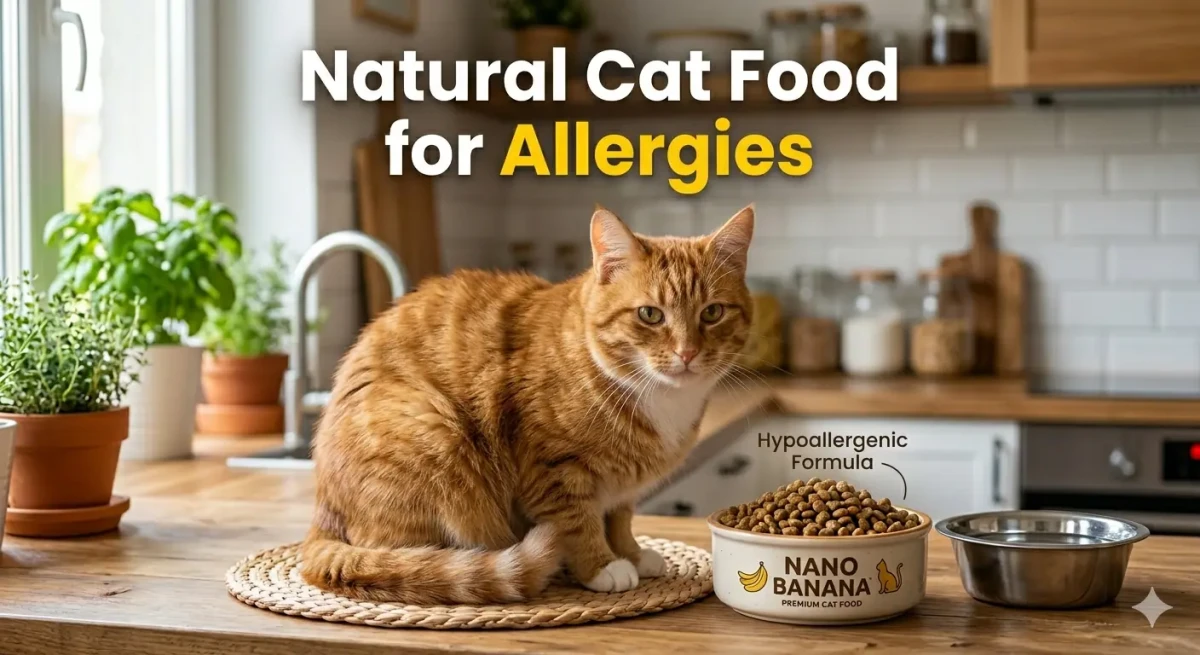
Understanding Cat Allergies and Food Sensitivities
Cat allergies are more common than many pet owners realize, affecting an estimated 10-15% of the feline population. These allergic reactions can manifest in various ways, with itchy skin being one of the most prevalent and distressing symptoms for both cats and their owners. When a cat's immune system mistakenly identifies certain proteins or ingredients as harmful, it triggers an inflammatory response that leads to uncomfortable symptoms.
Food allergies in cats differ from food intolerances. While intolerances typically cause digestive upset like vomiting or diarrhea, true food allergies involve the immune system and often present with dermatological symptoms. The most common signs include persistent itching, excessive grooming, hair loss, red or inflamed skin, ear infections, and sometimes gastrointestinal issues.
Unlike environmental allergies that may be seasonal, food allergies cause year-round symptoms that don't respond well to typical treatments like antihistamines or steroids. This makes identifying and eliminating the offending ingredient through diet crucial for your cat's comfort and health.
The most common food allergens in cats include beef, dairy products, fish, chicken, wheat, corn, and soy. These ingredients have been used in commercial cat foods for decades, leading to increased exposure and higher rates of sensitivity. This is where natural, hypoallergenic cat foods become essential, offering alternative protein sources and limited ingredients to help identify and avoid triggers.
According to veterinary dermatologists, switching to a Best Cat Food for Sensitive Stomachs: Expert Nutrition Guide can significantly improve symptoms in cats with food sensitivities, though true allergies require more specific dietary management.
Common Symptoms of Food Allergies in Cats
Recognizing the signs of food allergies is the first step toward helping your cat find relief. Symptoms can develop at any age, even if your cat has been eating the same food for years without issues.
- Persistent Itching and Scratching: Cats with food allergies often itch excessively, particularly around the face, neck, ears, and hindquarters
- Overgrooming: Excessive licking can lead to hair loss, bald patches, and skin irritation
- Red, Inflamed Skin: Allergic reactions cause inflammation that appears as redness, rashes, or hot spots
- Recurrent Ear Infections: Food allergies frequently manifest as chronic ear problems with discharge, odor, and head shaking
- Scabs and Crusty Lesions: Known as miliary dermatitis, these small scabs often appear along the back and neck
- Digestive Issues: Some cats experience vomiting, diarrhea, or frequent hairballs alongside skin symptoms
- Paw Chewing: Excessive licking and chewing of the paws is a common allergy symptom
If your cat displays these symptoms, consulting the Early Warning Signs Your Cat Is Sick: Complete Guide can help you determine when veterinary attention is needed.
How Natural Hypoallergenic Foods Help
Natural hypoallergenic cat foods are specifically formulated to minimize allergic reactions through several key strategies:
Limited Ingredient Diets (LID): These foods contain fewer ingredients, making it easier to identify and avoid allergens. By eliminating common triggers and using novel protein sources, LID foods reduce the likelihood of allergic reactions.
Novel Protein Sources: Instead of common proteins like chicken or beef, hypoallergenic foods use proteins your cat hasn't been exposed to, such as duck, venison, rabbit, or kangaroo. This reduces the chance of an immune response.
Natural Ingredients: Natural cat foods avoid artificial colors, flavors, and preservatives that can trigger sensitivities. They use whole, recognizable ingredients that are easier for cats to digest.
Grain-Free Formulas: While grains aren't the most common allergen, some cats do react to wheat, corn, or soy. Grain-free options eliminate these potential triggers.
Understanding Cat Digestive Health Guide for Beginners Complete Care helps you appreciate how proper nutrition supports overall health and reduces allergic responses.
Key Features of Quality Natural Hypoallergenic Cat Food
Not all hypoallergenic cat foods are created equal. To truly help your cat overcome allergy symptoms, you need to select foods that meet specific quality standards and contain the right nutritional profile.
Novel and Single Protein Sources
The foundation of any effective hypoallergenic diet is the protein source. Look for foods that feature:
- Single Protein Formula: Foods with only one animal protein source make it easier to identify triggers
- Novel Proteins: Uncommon proteins like duck, venison, rabbit, lamb, or kangaroo that your cat hasn't encountered
- Hydrolyzed Proteins: Proteins broken down into tiny molecules that don't trigger immune responses
- High-Quality Named Meats: Real meat as the first ingredient, not meat by-products or meals
Avoid foods with multiple protein sources, as these make elimination diets difficult and increase allergy risk.
Limited Carbohydrate Sources
While cats are obligate carnivores requiring primarily protein, some carbohydrates are necessary for fiber and nutrients. Quality hypoallergenic foods use:
- Limited Carb Sources: One or two easily digestible carbohydrates
- Alternative Carbs: Sweet potatoes, peas, or lentils instead of corn, wheat, or soy
- Low Glycemic Options: Carbohydrates that don't cause blood sugar spikes
Natural Preservatives and Additives
Artificial additives can trigger allergic reactions. Look for foods preserved with:
- Mixed Tocopherols (Vitamin E): Natural antioxidant
- Rosemary Extract: Natural preservative
- Vitamin C (Ascorbic Acid): Natural antioxidant
Avoid foods containing BHA, BHT, ethoxyquin, artificial colors, or artificial flavors.
Essential Fatty Acids for Skin Health
Cats with allergies benefit greatly from omega fatty acids that support skin barrier function and reduce inflammation:
- Omega-3 Fatty Acids: From fish oil, flaxseed, or algae to reduce inflammation
- Omega-6 Fatty Acids: From chicken fat or sunflower oil for skin health
- Balanced Ratio: Ideal omega-6 to omega-3 ratio between 5:1 and 10:1
These nutrients help repair damaged skin, reduce itching, and promote a healthy coat. For additional coat care strategies, review Cat Coat Care in Winter: Expert Guide to Healthy, Comfortable Fur.
Adequate Moisture Content
Wet or canned hypoallergenic foods offer advantages for cats with allergies:
- Higher moisture content (70-80%) supports hydration
- Easier digestion for sensitive stomachs
- Often contains fewer carbohydrates
- More palatable for picky eaters
Understanding the Wet vs Dry Cat Food: Which Is Better? debate helps you choose the right format for your allergic cat.
Top 10 Best Natural Hypoallergenic Cat Food Brands for 2026

After extensive research, veterinary consultation, and analysis of ingredient quality, nutritional composition, and real-world results, here are the top natural hypoallergenic cat foods available in the USA for 2026.
1. Blue Buffalo Basics Limited Ingredient Diet
Best Overall Natural Hypoallergenic Food
Blue Buffalo's Basics line offers exceptional quality with limited ingredients designed specifically for cats with food sensitivities and allergies.
Key Features:
- Single novel protein source (duck, turkey, or salmon)
- Limited carbohydrate from potatoes and peas
- No grains, gluten, corn, wheat, or soy
- Natural ingredients with no artificial preservatives
- Omega-3 and omega-6 fatty acids for skin health
- Taurine for heart and eye health
Pros: Widely available, excellent ingredient quality, multiple protein options, effective for most allergies, good palatability
Cons: Higher price point, contains potatoes which some cats may be sensitive to
Best For: Cats with moderate to severe food allergies needing reliable, natural nutrition
2. Natural Balance L.I.D. Limited Ingredient Diets
Best Value for Limited Ingredient Diet
Natural Balance pioneered limited ingredient diets and continues to offer excellent hypoallergenic options at competitive prices.
Key Features:
- Single protein source (duck, venison, rabbit, or salmon)
- Single carbohydrate source (green peas or sweet potatoes)
- No grains, fillers, or artificial ingredients
- Complete and balanced nutrition
- Available in both dry and wet formulas
Pros: Affordable, proven track record, multiple protein options, widely available, effective results
Cons: Some formulas contain peas which may not suit all cats, dry food has moderate protein content
Best For: Budget-conscious owners seeking reliable hypoallergenic nutrition
3. Wellness Simple Limited Ingredient Diet
Best Premium Natural Option
Wellness Simple combines premium natural ingredients with limited formulas designed for cats with sensitivities.
Key Features:
- Novel proteins (duck, salmon, or turkey)
- Easily digestible carbohydrates (oatmeal or potatoes)
- No wheat, corn, soy, or artificial additives
- Omega fatty acids for coat health
- Probiotics for digestive support
- Antioxidants for immune health
Pros: Premium ingredients, probiotic support, excellent for skin and coat, high palatability
Cons: Premium price, contains oatmeal which isn't suitable for grain-sensitive cats
Best For: Owners seeking premium natural nutrition with added digestive support
4. Merrick Limited Ingredient Diet
Best Whole-Food Ingredients
Merrick's L.I.D. formula emphasizes real, whole-food ingredients with minimal processing.
Key Features:
- Single novel protein (duck, rabbit, or salmon)
- Single carbohydrate (sweet potato or peas)
- Grain-free formula
- Whole fruits and vegetables
- Omega fatty acids
- No artificial colors, flavors, or preservatives
Pros: Whole-food ingredients, excellent quality, grain-free, good for multiple sensitivities
Cons: Higher price, limited availability in some areas
Best For: Cats needing grain-free nutrition with whole-food ingredients
5. Instinct Limited Ingredient Diet
Best High-Protein Formula
Instinct's L.I.D. offers high protein content with minimal ingredients for cats with allergies.
Key Features:
- Single animal protein (lamb, duck, or rabbit)
- Minimal carbohydrates
- Grain-free, potato-free options
- Freeze-dried raw coating for enhanced nutrition
- No grains, gluten, corn, wheat, soy, or artificial ingredients
Pros: Very high protein, raw-coated kibble, minimal ingredients, grain and potato-free options
Cons: Premium price, strong smell some cats dislike, limited protein variety
Best For: Active cats needing high protein with minimal ingredients
6. Zignature Limited Ingredient Formula
Best for Multiple Food Sensitivities
Zignature specializes in ultra-limited formulas with unique protein sources for cats with severe allergies.
Key Features:
- Novel proteins (kangaroo, venison, lamb, or whitefish)
- Very low glycemic carbohydrates
- Grain-free, potato-free, pea-free
- No corn, wheat, soy, or dairy
- Chickpeas as primary carb source
Pros: Extremely limited ingredients, unique proteins, free from common allergens, effective for severe allergies
Cons: Very expensive, limited availability, some cats may need transition time
Best For: Cats with multiple food sensitivities or severe allergies
For cats with particularly challenging dietary needs, Best Cat Food for Picky Eaters and Finicky Felines offers additional guidance.
7. Castor & Pollux Organix Limited Ingredient Diet
Best Organic Option
For owners prioritizing organic ingredients, Castor & Pollux offers USDA organic certified hypoallergenic food.
Key Features:
- Organic free-range chicken or turkey
- Organic carbohydrates (sweet potatoes, peas)
- USDA organic certified
- No artificial ingredients or GMOs
- Omega fatty acids
Pros: Certified organic, high-quality ingredients, no GMOs, sustainable sourcing
Cons: Chicken may not be novel for all cats, premium price, limited protein variety
Best For: Owners prioritizing organic, sustainably-sourced ingredients
8. Rachael Ray Nutrish Peak Natural Limited Ingredient
Best Accessible Brand
Rachael Ray Nutrish offers quality limited ingredient food at accessible prices in mainstream stores.
Key Features:
- Single protein (duck or salmon)
- Limited carbohydrates
- Grain-free formula
- No artificial colors, flavors, or preservatives
- Natural ingredients
Pros: Widely available, affordable, good quality, grain-free
Cons: Moderate protein content, limited protein options
Best For: Owners seeking accessible, affordable hypoallergenic options
9. Solid Gold Indigo Moon Limited Ingredient
Best for Sensitive Digestion
Solid Gold combines limited ingredients with digestive support for cats with both allergies and sensitive stomachs.
Key Features:
- Single novel protein (chicken or duck)
- Grain-free formula
- Probiotics for digestive health
- Superfoods for nutrition
- No corn, wheat, or soy
Pros: Probiotic support, gentle on digestion, quality ingredients, good palatability
Cons: Chicken may not be novel for all cats, higher price
Best For: Cats with both food allergies and digestive sensitivity
10. Canidae PURE Limited Ingredient
Best Simple Formula
Canidae PURE offers straightforward limited ingredient nutrition with minimal components.
Key Features:
- Single protein source (salmon, duck, or lamb)
- Simple carbohydrates (peas, lentils, or sweet potatoes)
- Grain-free
- No artificial ingredients
- Omega fatty acids
- Probiotics
Pros: Simple ingredients, probiotic support, affordable, widely available
Cons: Moderate protein content, some formulas contain peas
Best For: Cats needing straightforward, simple nutrition
Comparison Table: Top Natural Hypoallergenic Cat Foods

| Brand | Protein Source | Grain-Free | Price Range | Best For |
|---|---|---|---|---|
| Blue Buffalo Basics | Duck/Turkey/Salmon | Yes | $$$ | Overall quality |
| Natural Balance L.I.D. | Duck/Venison/Rabbit | Yes | $$ | Value |
| Wellness Simple | Duck/Salmon/Turkey | No | $$$ | Premium nutrition |
| Merrick L.I.D. | Duck/Rabbit/Salmon | Yes | $$$ | Whole foods |
| Instinct L.I.D. | Lamb/Duck/Rabbit | Yes | $$$$ | High protein |
| Zignature | Kangaroo/Venison | Yes | $$$$ | Severe allergies |
| Castor & Pollux | Organic chicken | No | $$$$ | Organic |
| Rachael Ray Nutrish | Duck/Salmon | Yes | $$ | Accessibility |
| Solid Gold Indigo Moon | Chicken/Duck | Yes | $$$ | Digestive health |
| Canidae PURE | Salmon/Duck/Lamb | Yes | $$ | Simple formula |
How to Transition Your Cat to Hypoallergenic Food

Switching your cat to a hypoallergenic diet requires careful planning and patience. A proper transition minimizes digestive upset and helps you accurately assess whether the new food resolves allergy symptoms.
Elimination Diet Protocol
For cats with suspected food allergies, veterinarians recommend a strict elimination diet lasting 8-12 weeks:
Week 1-2: Transition Period
Gradually introduce the new food over 7-10 days to prevent digestive upset. Mix increasing amounts of the new food with decreasing amounts of the old food.
Week 3-10: Strict Feeding
Feed ONLY the hypoallergenic food. No treats, table scraps, flavored medications, or other foods. Even small amounts of allergens can restart the inflammatory cycle.
Week 11-12: Assessment
Evaluate symptom improvement. Skin healing takes time, so don't expect immediate results. Itching should decrease, and skin should begin healing.
For cats needing additional digestive support during transition, Grain-Free Cat Food for Adult Cats: Complete Guide offers helpful alternatives.
Gradual Transition Schedule
Days 1-3: 25% new food, 75% old food
Days 4-6: 50% new food, 50% old food
Days 7-9: 75% new food, 25% old food
Day 10: 100% new food
Monitor your cat closely during this period. If digestive upset occurs, slow the transition and spend more time at each stage.
Feeding Guidelines and Expected Results

Proper Portion Sizes
Feeding the correct amount ensures your cat receives adequate nutrition without weight gain:
- Adult cats (8-10 lbs): 1/2 to 3/4 cup dry food daily, or 5-6 oz wet food
- Adult cats (10-12 lbs): 3/4 to 1 cup dry food daily, or 6-7 oz wet food
- Adult cats (12-15 lbs): 1 to 1 1/4 cups dry food daily, or 7-8 oz wet food
- Divide into 2-3 meals: Cats benefit from multiple small meals
Always follow package guidelines and adjust based on your cat's activity level and body condition.
Timeline for Improvement
Patience is essential when managing food allergies:
- 2-4 weeks: Digestive symptoms may improve first
- 4-6 weeks: Itching should begin decreasing
- 6-8 weeks: Skin inflammation reduces, hair begins regrowing
- 8-12 weeks: Full assessment of effectiveness
- 3-6 months: Complete skin and coat recovery
If no improvement occurs after 12 weeks, consult your veterinarian. Your cat may have environmental allergies, require a different protein source, or need additional treatment.
Additional Strategies for Managing Cat Allergies

While diet is fundamental, comprehensive allergy management requires multiple approaches.
Environmental Control
Reduce environmental allergens that can compound food allergy symptoms:
- Use hypoallergenic bedding and wash weekly
- Vacuum frequently with HEPA filter
- Use air purifiers to reduce airborne allergens
- Avoid scented products, candles, and air fresheners
- Keep cats indoors during high pollen seasons
Regular Grooming
Proper grooming removes allergens from the coat and reduces itching:
- Brush regularly to remove loose hair and dander
- Use hypoallergenic shampoos for occasional baths
- Wipe paws after outdoor exposure
- Keep nails trimmed to prevent self-injury from scratching
Learning proper techniques from How to Groom a Long-Haired Cat: Complete 2026 Guide helps maintain coat health.
Supplements for Skin Health
Certain supplements can support skin healing and reduce inflammation:
- Omega-3 fatty acids: Fish oil reduces inflammation
- Vitamin E: Antioxidant supports skin healing
- Probiotics: Support gut health and immune function
- Quercetin: Natural antihistamine
For immune support strategies, review How to Boost Your Cat's Immune System Naturally: Expert Veterinary Guide.
When to See a Veterinarian

While dietary changes help many cats, certain situations require professional veterinary care:
- Severe skin infections with pus or odor
- Open sores or wounds from scratching
- No improvement after 12 weeks on hypoallergenic diet
- Weight loss or decreased appetite
- Lethargy or behavioral changes
- Severe ear infections
- Difficulty breathing or swelling
Your veterinarian may recommend:
- Allergy testing to identify specific triggers
- Prescription hypoallergenic diets
- Medications to control itching and inflammation
- Treatment for secondary infections
- Immunotherapy for environmental allergies
Understanding Common Cat Health Problems and Prevention Tips helps you recognize when professional care is needed.
Frequently Asked Questions

How long does it take to see improvement in allergy symptoms?
Most cats show some improvement within 4-6 weeks, but complete resolution can take 8-12 weeks or longer. Skin healing is slow, so patience is essential.
Can I give my cat treats while on a hypoallergenic diet?
Only use treats made from the same novel protein as your cat's food, or use single-ingredient treats approved by your veterinarian. Even small amounts of allergens can restart symptoms.
Are grain-free diets better for allergies?
Not necessarily. While some cats are grain-sensitive, most food allergies are to proteins. Grain-free is beneficial only if your cat has a specific grain allergy.
Can kittens eat hypoallergenic food?
Yes, but choose formulas specifically designed for kittens or all life stages. Kittens have different nutritional requirements for growth and development.
What if my cat won't eat the hypoallergenic food?
Try warming the food slightly, adding a small amount of low-sodium broth, or trying different protein sources. For persistent picky eating, consult Best Cat Food for Indoor Cats: Complete 2026 Guide for additional strategies.
Conclusion

Managing your cat's food allergies requires dedication, patience, and the right nutrition. Natural hypoallergenic cat foods offer effective solutions for cats suffering from itchy skin and allergic reactions. By selecting high-quality limited ingredient diets with novel protein sources, you can help your cat find relief and enjoy a better quality of life.
From our comprehensive review, Blue Buffalo Basics Limited Ingredient Diet stands out as the best overall choice for most cats, offering excellent quality, multiple protein options, and proven results. However, the best food for your cat depends on their specific allergies, preferences, and health needs.
Remember that dietary management is just one component of allergy care. Environmental control, regular grooming, veterinary care, and monitoring all play crucial roles in keeping your cat comfortable and healthy.
By investing in quality hypoallergenic nutrition and implementing comprehensive care strategies, you can significantly reduce your cat's allergy symptoms, heal damaged skin, and restore their coat to a healthy, lustrous condition. Your cat deserves relief from uncomfortable itching, and with the information in this guide, you're well-equipped to make informed decisions that will benefit them for years to come.
For ongoing support and additional pet care resources, explore our comprehensive guides on Signs of a Healthy Cat Every Owner Should Know and maintain regular veterinary checkups through Annual Health Check Routine for Cats: Complete Guide to ensure your cat receives holistic, expert-level care.

0 Comments