.png)
Understanding Kitten Development and the Critical Role of DHA
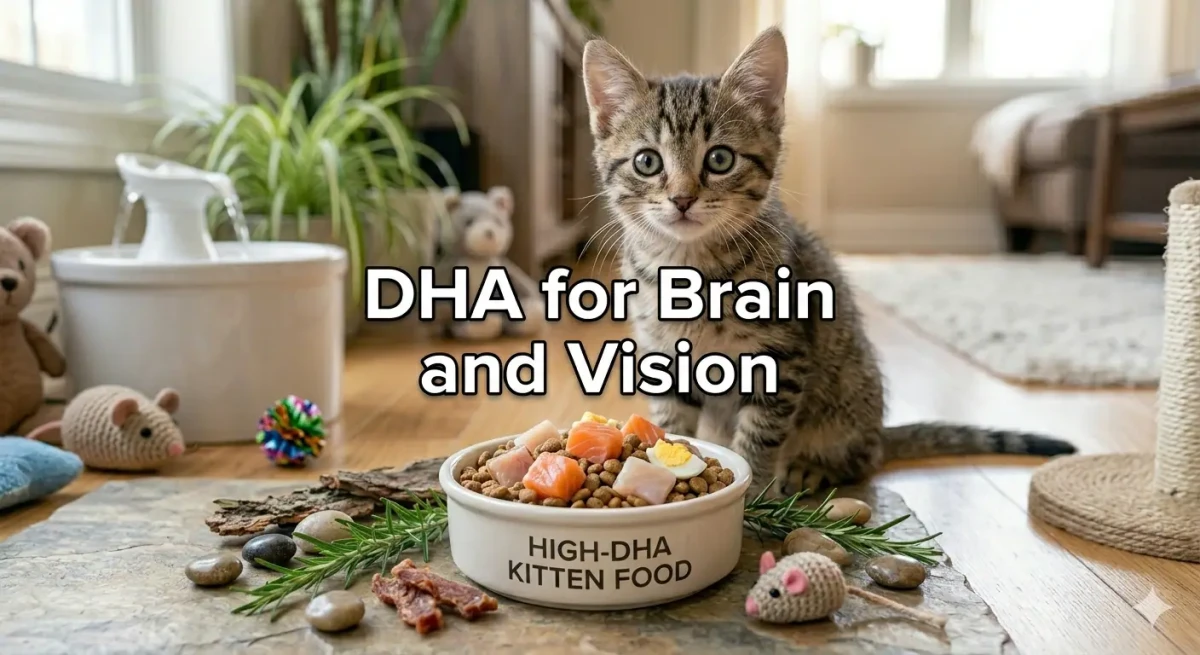
The first six months of a kitten's life represent the most critical period for brain and vision development. During this rapid growth phase, kittens undergo extraordinary neurological changes that lay the foundation for lifelong cognitive function, learning ability, and visual acuity. Providing the right nutrition, particularly foods rich in docosahexaenoic acid (DHA), is essential for supporting these vital developmental processes.
DHA is an omega-3 fatty acid that serves as a primary structural component of the brain, retina, and nervous system. Research shows that kittens receiving adequate DHA during early development demonstrate improved learning ability, enhanced problem-solving skills, better visual function, and stronger neural connections compared to those with DHA-deficient diets. This makes selecting kitten food with optimal DHA levels one of the most important decisions new kitten owners can make.
According to veterinary nutritionists and feline developmental specialists, kittens under 6 months require diets containing 0.05-0.1% DHA on a dry matter basis, along with balanced levels of EPA, arachidonic acid, and other essential nutrients to support optimal brain and eye development. Kitten Food for Growth and Immunity Complete Guide provides essential insights into comprehensive nutritional strategies for growing kittens.
Why the First 6 Months Matter Most
Kitten development follows a precise timeline where nutritional needs change rapidly:
- Birth to 4 weeks: Rapid brain growth; kittens rely entirely on mother's milk or kitten milk replacer
- 4-8 weeks: Weaning begins; introduction to solid food supports continued neural development
- 8-12 weeks: Critical period for social learning and cognitive skill development
- 12-24 weeks: Continued brain maturation; visual acuity reaches adult levels
- 24 weeks (6 months): Brain development nears completion; foundation for lifelong cognitive health is established
Missing the window for optimal DHA intake during these stages can result in permanent deficits in learning ability and visual function that cannot be fully corrected later in life.
Understanding Signs of a Healthy Cat Every Owner Should Know helps you monitor your kitten's developmental progress and overall wellbeing.
How DHA Supports Brain and Vision Development
DHA functions through multiple mechanisms to support feline neurological and visual health:
Brain Cell Formation: DHA is incorporated into neuronal cell membranes, enhancing membrane fluidity and facilitating efficient communication between brain cells. This supports faster learning, better memory formation, and improved problem-solving abilities.
Retinal Development: The retina contains the highest concentration of DHA in the body. Adequate DHA during kittenhood supports proper photoreceptor development, leading to sharper vision, better low-light adaptation, and enhanced visual processing.
Neurotransmitter Function: DHA influences the production and function of neurotransmitters like serotonin and dopamine, which regulate mood, attention, and cognitive processing.
Anti-Inflammatory Protection: DHA helps reduce neuroinflammation that can interfere with normal brain development and function.
For comprehensive guidance on supporting your kitten's overall health, Daily Care Routine for Cats: Complete 2026 Guide offers valuable strategies for daily care alongside proper nutrition.
Key Nutrients for Kitten Brain and Vision Development
While DHA is critical, optimal kitten development requires a comprehensive nutritional approach featuring multiple synergistic nutrients.
DHA and EPA: The Essential Omega-3 Pair
These omega-3 fatty acids work together to support neurological health:
- DHA (Docosahexaenoic Acid): Primary structural fat in brain and retina; target 0.05-0.1% on dry matter basis for kittens
- EPA (Eicosapentaenoic Acid): Supports anti-inflammatory processes and enhances DHA utilization
- Sources: Fish oil, salmon oil, krill oil, and algae-based supplements
- Ratio: Ideal DHA:EPA ratio between 2:1 and 4:1 for developmental support
Arachidonic Acid: The Essential Omega-6
Unlike adult cats, kittens cannot synthesize sufficient arachidonic acid and require dietary sources:
- Brain Function: Supports neuronal signaling and cognitive development
- Vision: Works with DHA to maintain retinal health
- Sources: Animal-based fats, particularly chicken fat and egg yolks
- Target Levels: 0.02-0.05% on dry matter basis for growing kittens
High-Quality Animal Protein
Protein provides the amino acids necessary for neurotransmitter production and brain tissue growth:
- Protein Content: 30-40% on a dry matter basis for kittens under 6 months
- Animal-Based Sources: Chicken, turkey, fish, or lamb provide complete amino acid profiles
- Taurine: Essential amino acid critical for retinal development and neurological function; minimum 0.1% in dry food, 0.2% in wet food
- Digestibility: Highly digestible proteins ensure efficient nutrient absorption during rapid growth
Vitamins and Minerals for Neurological Support
Specific micronutrients play crucial roles in brain and eye development:
- Vitamin A: Essential for retinal function and visual pigment formation
- B-Complex Vitamins: Support energy metabolism in developing brain cells
- Vitamin E: Protects developing neural tissues from oxidative damage
- Zinc: Critical for neurotransmitter function and visual processing
- Choline: Precursor to acetylcholine, a key neurotransmitter for learning and memory
Moisture Content and Feeding Format
The format of kitten food impacts nutrient delivery and hydration:
- Wet Food Benefits: Higher moisture content (70-80%) supports hydration and may enhance nutrient absorption
- Dry Food Convenience: Easier for free-feeding growing kittens with variable appetites
- Combination Approach: Many owners successfully feed both wet and dry food to balance hydration and convenience
Understanding the Wet vs Dry Cat Food: Which Is Better? debate helps you choose the format that best supports your kitten's developmental nutrition needs.
Top 10 Best Kitten Foods with DHA for Brain Development in 2026

After extensive research, veterinary consultation, and analysis of ingredient quality, nutritional composition, and real-world results, here are the top kitten foods with DHA for brain and vision development available in the USA for 2026.
1. Hill's Science Diet Kitten Healthy Development
Best Overall for DHA and Brain Development
Hill's Science Diet Kitten formula is specifically designed for kittens under 1 year, with clinically proven levels of DHA to support brain and vision development.
Key Features:
- Guaranteed DHA from fish oil for brain and eye development
- High-quality protein (32%) from chicken
- Balanced minerals for healthy bone growth
- Antioxidant blend with vitamins C and E
- AAFCO compliant for growth and reproduction
- Available in wet and dry formulations
Pros: Veterinarian recommended, clinically tested DHA levels, excellent palatability, widely available, comprehensive kitten nutrition
Cons: Contains grains (corn, wheat), higher price point, not suitable for cats with grain sensitivities
Best For: Kittens under 6 months whose owners prioritize evidence-based nutrition with proven DHA content
2. Royal Canin Kitten Healthy Development
Best for Targeted Developmental Nutrition
Royal Canin's Kitten formula features precise nutrient levels designed to support cognitive development, immune function, and digestive health in growing kittens.
Key Features:
- Optimized DHA levels for brain and retinal development
- Highly digestible proteins and prebiotics
- Antioxidant complex including vitamin E
- Adapted calorie content for growing kittens
- Small kibble size easy for tiny mouths
- Wet formula with high moisture content
Pros: Scientifically formulated for kittens, excellent palatability, strong veterinary support, proven clinical results
Cons: Expensive, contains some grains, limited availability outside specialty stores
Best For: Kittens needing targeted developmental nutrition with veterinary-grade quality
3. Purina Pro Plan Kitten Classic
Best Value for DHA-Rich Kitten Nutrition
Purina Pro Plan's Kitten formula offers effective DHA support at a more accessible price point while maintaining high nutritional standards.
Key Features:
- DHA from fish oil for brain and vision development
- High protein (40%) from real chicken
- Calcium and phosphorus for bone growth
- Antioxidants for immune support
- Available in wet and dry formats
Pros: More affordable than premium options, good palatability, widely available, effective DHA levels
Cons: Contains corn and wheat, moderate DHA levels compared to prescription formulas
Best For: Budget-conscious owners seeking effective DHA-rich kitten nutrition
4. Blue Buffalo Healthy Growth Kitten Food
Best Natural Ingredient Kitten Formula
Blue Buffalo's Healthy Growth formula combines natural ingredients with DHA and LifeSource Bits containing antioxidants for comprehensive kitten development.
Key Features:
- DHA from fish oil for cognitive development
- Real chicken as first ingredient
- LifeSource Bits with antioxidants and vitamins
- No artificial preservatives or flavors
- Grain-free option available
- High protein content (35%)
Pros: Natural ingredients, widely available without prescription, good DHA content, effective for developmental support
Cons: Contains some plant proteins, higher price, some kittens may need transition time
Best For: Kittens needing natural DHA-rich nutrition with whole food ingredients
If your kitten has food sensitivities, reviewing Best Cat Food for Sensitive Stomachs: Expert Nutrition Guide may provide additional suitable options.
5. Wellness CORE Kitten Grain-Free
Best Premium Grain-Free Kitten Option
Wellness CORE combines high protein with DHA and natural ingredients for comprehensive developmental support in growing kittens.
Key Features:
- DHA from salmon oil for brain development
- High protein (42%) from turkey and chicken
- Grain-free formula
- Probiotics for digestive health
- Antioxidant-rich fruits and vegetables
- No meat by-products or fillers
Pros: High-quality ingredients, grain-free, excellent protein content, probiotic support, natural ingredients
Cons: Premium price, may be too rich for some kittens, limited availability in some areas
Best For: Owners seeking premium grain-free nutrition with proven DHA support for kittens
6. Instinct Kitten Grain-Free with DHA
Best Raw-Inspired Kitten Formula
Instinct's Kitten formula combines high-quality kibble with freeze-dried raw pieces and DHA for enhanced developmental nutrition.
Key Features:
- DHA from fish oil for cognitive development
- Cage-free chicken as primary protein
- Freeze-dried raw coating for enhanced nutrition
- Grain-free formula
- Probiotics for gut health
- No artificial ingredients
Pros: Raw nutrition benefits, high protein, excellent palatability, grain-free, probiotic support
Cons: Premium price, strong smell, may be too rich for sedentary kittens
Best For: Active kittens needing high protein with DHA and enhanced raw-inspired nutrition
7. Merrick Purrfect Bistro Kitten
Best Whole-Food Kitten Formula
Merrick's Purrfect Bistro Kitten emphasizes real, whole-food ingredients with DHA for optimal developmental support.
Key Features:
- DHA from fish oil for brain and vision
- Deboned chicken as first ingredient
- Whole fruits and vegetables
- Omega fatty acids
- No artificial additives
- Grain-free option available
Pros: Whole-food ingredients, excellent palatability, effective DHA support, natural nutrition
Cons: Premium price, limited availability, moderate DHA levels
Best For: Owners prioritizing whole-food, natural DHA-rich nutrition for kittens
8. Tiki Cat Kitten Luau
Best High-Moisture Kitten Option
Tiki Cat's Kitten Luau provides exceptional protein content with DHA and high moisture, supporting both development and hydration.
Key Features:
- DHA from fish ingredients
- Human-grade protein sources
- Very high moisture content (80%+)
- Grain-free and low carbohydrate
- Natural taurine from meat sources
- No artificial additives
Pros: Premium quality ingredients, excellent hydration support, high protein, grain-free, natural nutrition
Cons: Very expensive, may need supplementation for complete nutrition, strong smell
Best For: Kittens needing high-moisture DHA-rich nutrition with hydration benefits
9. Natural Balance L.I.D. Kitten
Best for Kittens with Multiple Sensitivities
Natural Balance's Limited Ingredient Diet Kitten formula provides DHA with simplified nutrition for kittens with food sensitivities.
Key Features:
- DHA from fish oil
- Single protein source options
- Limited ingredients for easy digestion
- Grain-free option available
- No artificial colors or flavors
- Simple ingredient list
Pros: Minimal ingredients reduce allergy risk, DHA support, effective for sensitive kittens, multiple protein options
Cons: Higher price, limited availability of some varieties, some kittens may need transition time
Best For: Kittens with food sensitivities needing DHA-rich, simplified nutrition
10. Royal Canin Kitten Instinctive
Best for Picky Kitten Eaters
Royal Canin's Kitten Instinctive formula combines DHA support with exceptional palatability for kittens who are selective eaters.
Key Features:
- Optimized DHA levels for development
- Highly palatable texture and aroma
- High moisture content in wet formula
- Small kibble size for tiny mouths
- Complete and balanced nutrition
Pros: Excellent palatability, strong DHA support, easy for kittens to eat, veterinary-backed
Cons: Premium price, contains some grains, limited protein variety
Best For: Picky kitten eaters needing DHA-rich nutrition with exceptional taste
For additional strategies with finicky kittens, Best Cat Food for Picky Eaters and Finicky Felines offers helpful guidance.
Comparison Table: Top Kitten Foods with DHA for Brain Development

| Brand | DHA Source | Protein Percent | Grain Free | Price Range | Best For |
|---|---|---|---|---|---|
| Hill's Science Kitten | Fish oil | 32% | No | $$$ | Overall effectiveness |
| Royal Canin Kitten | Fish oil | 34% | No | $$$$ | Targeted nutrition |
| Purina Pro Plan Kitten | Fish oil | 40% | No | $$ | Value |
| Blue Buffalo Healthy Growth | Fish oil | 35% | Optional | $$$ | Natural ingredients |
| Wellness CORE Kitten | Salmon oil | 42% | Yes | $$$$ | Premium grain-free |
| Instinct Kitten | Fish oil | 41% | Yes | $$$$ | Raw-inspired |
| Merrick Purrfect Bistro | Fish oil | 38% | Optional | $$$$ | Whole foods |
| Tiki Cat Kitten Luau | Fish ingredients | 14% wet | Yes | $$$$ | High moisture |
| Natural Balance LID Kitten | Fish oil | 30% | Optional | $$$ | Food sensitivities |
| Royal Canin Instinctive | Fish oil | 32% wet | No | $$$$ | Picky eaters |
How to Transition Your Kitten to DHA-Rich Food

Switching a kitten to a new DHA-rich diet requires a gradual transition to ensure acceptance and avoid digestive upset during this critical developmental period.
7-10 Day Transition Schedule
Days 1-3: Mix 25% new DHA-rich kitten food with 75% current food
Days 4-6: Mix 50% new DHA-rich kitten food with 50% current food
Days 7-9: Mix 75% new DHA-rich kitten food with 25% current food
Day 10: 100% new DHA-rich kitten food
Monitor your kitten closely during this transition. Young kittens have sensitive digestive systems, so if digestive upset occurs, slow the transition process and consult your veterinarian if concerns persist.
For kittens needing additional support with daily care routines during dietary transitions, Daily Care Routine for Cats: Complete 2026 Guide offers helpful strategies.
Tips for Successful Food Transition
- Warm the food slightly: Warming wet food to body temperature enhances aroma and palatability for young kittens
- Maintain feeding schedule: Feed at consistent times to establish routine during weaning and growth
- Remove uneaten food: Don't leave wet food out for more than 20-30 minutes to maintain freshness
- Offer small, frequent meals: Kittens under 6 months benefit from 3-4 small meals daily
- Be patient: Some kittens take weeks to fully accept new food
- Ensure fresh water: Always provide clean, fresh water nearby to support hydration
Feeding Guidelines and Monitoring Development

Portion Control for Growing Kittens
Proper portion control ensures your kitten receives adequate DHA and nutrients without overfeeding:
- Kittens 8-12 weeks: 1/4 to 1/3 cup dry food daily, or 3-4 oz wet food, divided into 4 meals
- Kittens 12-16 weeks: 1/3 to 1/2 cup dry food daily, or 4-5 oz wet food, divided into 3-4 meals
- Kittens 16-24 weeks: 1/2 to 3/4 cup dry food daily, or 5-6 oz wet food, divided into 3 meals
- Monitor growth: Adjust portions to support steady weight gain without excessive fat accumulation
Monitoring Your Kitten's Developmental Progress
After transitioning to DHA-rich food, monitor for positive developmental indicators:
- Cognitive development: improved learning ability and problem-solving
- Visual function: tracking moving objects, responding to visual cues
- Motor skills: coordination, balance, and agility improvements
- Energy levels: appropriate playfulness and activity for age
- Coat quality: soft, shiny fur indicating good nutrition
- Appetite and growth: steady weight gain following growth curves
Improvements in cognitive and visual function typically become noticeable within 4-8 weeks of consistent DHA intake. Complete developmental benefits may take the full 6-month period as the brain matures.
For comprehensive health monitoring, Early Warning Signs Your Cat Is Sick: Complete Guide helps you assess your kitten's overall wellbeing.
Additional Strategies for Supporting Kitten Development

While DHA-rich nutrition is fundamental, comprehensive developmental support requires multiple approaches.
Environmental Enrichment for Cognitive Development
Mental stimulation enhances the benefits of DHA for brain development:
- Interactive play: Daily sessions with wand toys, puzzle feeders, and chasing games
- Novel experiences: Introduce new toys, textures, and safe environments gradually
- Training exercises: Simple commands and tricks support learning and neural connections
- Socialization: Positive interactions with people and other pets build confidence
For ideas on keeping kittens mentally stimulated, Best Cat Toys for Kittens: Top Picks and Guide offers excellent options.
Vaccination and Preventive Care
Health protection supports uninterrupted development:
- Vaccination schedule: Follow veterinarian-recommended timeline for core vaccines
- Parasite prevention: Regular flea, tick, and worm prevention
- Dental care: Begin gentle tooth brushing to establish oral health habits
- Regular checkups: Monitor growth and development with veterinary guidance
For comprehensive preventive care guidance, Complete Kitten Vaccination Schedule: Expert Guide provides essential recommendations.
Litter Training and Behavioral Development
Early training supports cognitive and social development:
- Litter box introduction: Start early with accessible, clean litter boxes
- Positive reinforcement: Reward desired behaviors with treats and praise
- Consistent boundaries: Establish household rules gently and consistently
- Scratching post training: Provide appropriate outlets for natural behaviors
For litter training guidance, How to Train a Kitten to Use Litter Box: 2026 Guide provides step-by-step instructions.
When to See a Veterinarian

While proper nutrition supports healthy development, certain situations require immediate veterinary attention:
- Failure to gain weight or weight loss
- Lethargy or decreased activity levels
- Vomiting or diarrhea lasting more than 24 hours
- Visible signs of poor vision or coordination
- Loss of appetite for more than 12 hours in young kittens
- Signs of pain, discomfort, or distress
- Developmental delays compared to littermates
Early intervention can address potential health issues before they impact long-term development.
Recognizing Warning Signs Your Cat Needs a Vet Visit Guide helps you know when professional care is needed.
Frequently Asked Questions

How much DHA does my kitten need daily?
Kittens under 6 months benefit from diets containing 0.05-0.1% DHA on a dry matter basis. Most quality kitten foods provide this through fish oil or other marine sources. Follow feeding guidelines on the package and consult your veterinarian for personalized recommendations.
Can I supplement my kitten's food with additional DHA?
Quality kitten foods are formulated to provide complete nutrition, including appropriate DHA levels. Additional supplementation is generally unnecessary and could disrupt nutrient balance. Always consult your veterinarian before adding supplements to your kitten's diet.
Should I feed wet or dry food for brain development?
Both wet and dry kitten foods can provide excellent DHA and nutrition. Wet food offers better hydration and may be easier for young kittens to eat. Dry food is convenient for free-feeding. Many owners successfully feed a combination of both for optimal benefits.
How long does it take to see developmental improvements?
While DHA supports ongoing brain development, specific improvements in learning ability or visual function may become noticeable within 4-8 weeks of consistent intake. Complete developmental benefits unfold over the full 6-month growth period.
Can adult cat food provide enough DHA for kittens?
Adult cat foods typically contain lower DHA levels than kitten-specific formulas. Kittens under 6 months have higher developmental requirements, making kitten-formulated foods the appropriate choice during this critical period.
Conclusion
Choosing the best kitten food with DHA for brain and vision development is one of the most important investments you can make in your kitten's lifelong cognitive health and visual function. The first six months represent a critical window where proper nutrition directly shapes neurological development, learning capacity, and visual acuity.
From our comprehensive review, Hill's Science Diet Kitten Healthy Development stands out as the best overall choice for most kittens, offering clinically proven DHA levels, excellent palatability, and comprehensive nutrition backed by veterinary research. However, the best food for your kitten depends on their specific needs, preferences, and any health considerations.
Remember that nutrition is just one component of healthy development. Environmental enrichment, preventive healthcare, behavioral training, and loving interaction all play crucial roles in helping your kitten reach their full potential.
By investing in quality DHA-rich kitten nutrition and implementing comprehensive developmental support strategies, you can help your kitten build a strong foundation for lifelong cognitive health, sharp vision, and vibrant wellbeing. Your kitten deserves the best start in life, and with the information in this guide, you're well-equipped to make informed decisions that will benefit them for years to come.
For ongoing support and additional kitten care resources, explore our comprehensive guides on Healthy Diet Plan for Cats and Complete Nutrition Guide and maintain regular veterinary partnerships through Annual Health Check Routine for Cats: Complete Guide to ensure your kitten receives holistic, expert-level care throughout their growth journey.

0 Comments