.png)
How to Stop Guinea Pigs from Chewing Wires Complete Guide
Understanding Why Guinea Pigs Chew Wires and the Dangers Involved
How to stop guinea pigs from chewing wires represents one of the most critical safety concerns for guinea pig owners, as this behavior poses serious risks to both your pets and your home. Guinea pigs are natural chewers with continuously growing teeth that require constant wear through gnawing on appropriate materials. Unfortunately, electrical cords, charging cables, and wires often attract guinea pigs due to their texture, accessibility, and sometimes even the taste of plastic coating. Understanding why this dangerous behavior occurs and implementing comprehensive prevention strategies is essential for keeping your guinea pigs safe and your home protected.
The dangers of wire chewing extend far beyond simple property damage. Electrical cords pose electrocution risks that can be fatal to guinea pigs, while ingestion of wire fragments or plastic coating can cause life threatening intestinal blockages requiring emergency surgery. Even non electrical cables can cause digestive obstruction if swallowed. Beyond the immediate physical dangers, wire chewing indicates underlying needs that must be addressed, whether related to dental health, boredom, nutritional deficiencies, or environmental factors.
This comprehensive guide covers everything you need to know about preventing guinea pigs from chewing wires, from understanding the root causes and implementing physical barriers to providing appropriate alternatives and addressing behavioral triggers. Whether you have a new guinea pig just discovering the world of cables or an established chewer requiring intervention, these expert strategies will help you protect your pets while meeting their natural chewing needs safely and effectively.
Why Guinea Pigs Chew Wires: Root Causes and Motivations
Understanding why guinea pigs are attracted to wires helps you address the behavior effectively rather than simply managing symptoms. Multiple factors can drive wire chewing, and identifying the specific motivations for your guinea pig enables targeted intervention.
Continuously growing teeth represent the primary biological driver of chewing behavior in guinea pigs. Their teeth grow approximately 4 to 6 inches per year and require constant wear through gnawing to prevent overgrowth that can cause pain, difficulty eating, and serious health complications. When appropriate chew materials are insufficient, guinea pigs naturally seek alternative materials including wires, cables, and other household items.
Boredom and lack of environmental enrichment drive many guinea pigs to explore and chew inappropriate items. Guinea pigs are intelligent, curious animals requiring mental stimulation and physical activity. Without adequate enrichment, they create their own entertainment through exploring and chewing available objects, with wires often being easily accessible and interesting to investigate.
Nutritional deficiencies, particularly in fiber or certain minerals, can trigger excessive chewing as guinea pigs attempt to meet their dietary needs. Insufficient hay consumption, poor quality diet, or imbalanced nutrition may manifest as destructive chewing behaviors including wire gnawing.
What Makes Wires Attractive to Guinea Pigs?
Several characteristics make electrical cords and cables particularly appealing to guinea pigs, understanding which helps you implement effective prevention strategies.
Texture plays a significant role, as the plastic or rubber coating on wires provides a satisfying chew that differs from natural materials. The slightly flexible yet firm texture mimics some natural plant stems while being readily available in the home environment.
Accessibility makes wires easy targets, as they often run along floors, behind furniture, or within reach of guinea pig enclosures and play areas. Unlike appropriate chew toys that may require effort to access, wires are often conveniently positioned for investigation and gnawing.
Novelty attracts curious guinea pigs to new or relocated cables. Guinea pigs explore their environment through scent, touch, and taste, and newly introduced wires often trigger investigative chewing as part of environmental assessment.
What Are the Dangers of Wire Chewing?
Wire chewing poses multiple serious risks that make prevention absolutely essential for guinea pig safety and wellbeing.
Electrocution represents the most immediate and severe danger when guinea pigs chew electrical cords. Even low voltage charging cables can cause mouth burns, tissue damage, or fatal electric shock. The risk exists even when devices are not actively charging, as many cables carry current whenever plugged in.
Intestinal blockage occurs when guinea pigs swallow wire fragments, plastic coating, or rubber insulation. These materials cannot be digested and may become lodged in the digestive tract, causing life threatening obstruction requiring emergency surgery. Symptoms include decreased appetite, reduced or absent fecal production, lethargy, and abdominal pain.
Mouth injuries from sharp wire edges or electrical burns can cause pain, infection, and difficulty eating. Damaged oral tissues may become infected, leading to abscesses or systemic illness requiring veterinary treatment and prolonged recovery.
Property damage from chewed wires creates fire hazards, expensive repairs, and loss of electronic devices. Beyond guinea pig safety, preventing wire chewing protects your home and belongings from costly damage.
Physical Prevention Strategies and Cable Management

Physical barriers and cable management represent the first line of defense against wire chewing, providing immediate protection while you address underlying behavioral causes. These strategies create physical separation between guinea pigs and dangerous cables.
Cable concealment eliminates access by routing wires out of reach. Run cables behind furniture, through cable raceways mounted on walls, or through PVC pipes that guinea pigs cannot penetrate. Elevate cables along baseboards or ceiling edges where guinea pigs cannot reach them. The goal is complete removal of accessible wires from guinea pig environments.
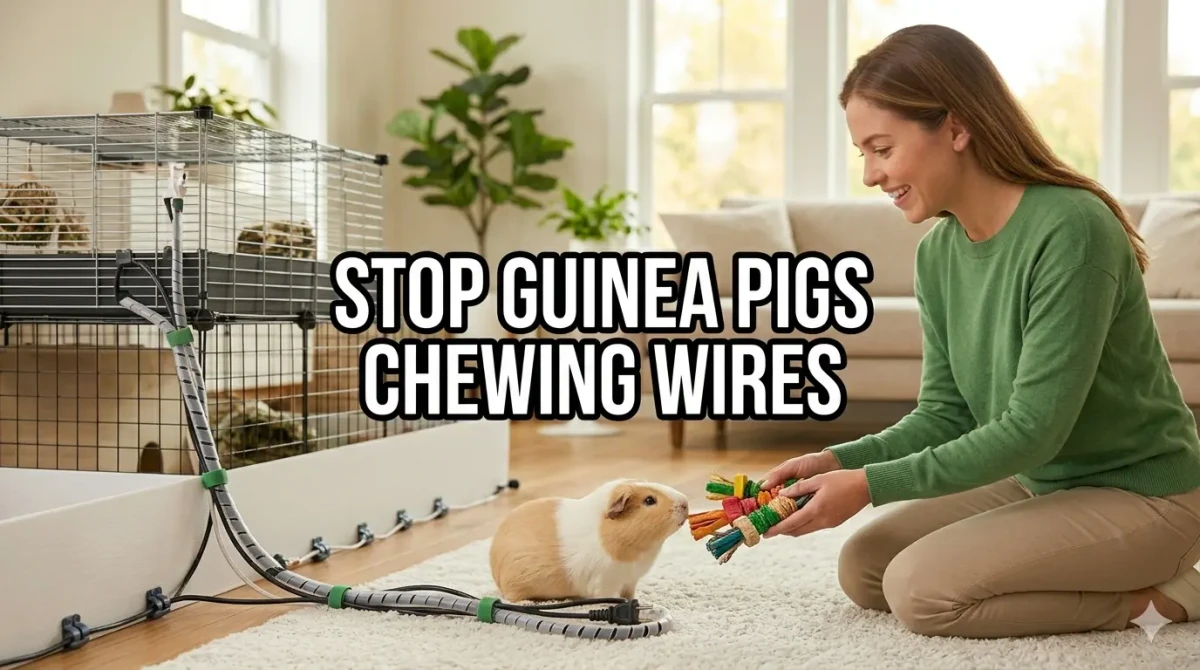
Cord protectors and cable covers provide physical barriers that make wires less accessible and less appealing. Split loom tubing, spiral cable wraps, or rigid cable guards encase wires in protective material that is difficult or impossible for guinea pigs to chew through. These protectors also bundle multiple cables together, reducing individual wire exposure.
Cable management boxes encase power strips and cable junctions in ventilated containers that prevent access while allowing heat dissipation. These boxes organize cables neatly while protecting them from curious guinea pigs who might investigate electrical connections.
Supervised free roam time ensures guinea pigs cannot access wires when outside their enclosure. Before allowing free exploration, thoroughly guinea pig proof the area by removing or protecting all accessible cables. Never leave guinea pigs unsupervised in areas with exposed wiring.
Which Cable Protectors Work Best for Guinea Pigs?
Selecting appropriate cable protectors requires considering guinea pig chewing strength, durability needs, and practical installation. Different products offer varying levels of protection suitable for different situations.
Split loom tubing provides flexible, affordable protection for individual cables or cable bundles. This corrugated plastic tubing splits lengthwise for easy installation around existing cables. Choose heavy duty split loom with thick walls that resist chewing. While determined guinea pigs may eventually penetrate thin split loom, heavy duty versions provide effective protection for most situations.
Spiral cable wrap offers similar protection with easier customization of coverage areas. This spiraled plastic tubing wraps around cables and can be adjusted to cover specific sections. Spiral wrap works well for protecting cable segments most accessible to guinea pigs while leaving other areas uncovered.
Rigid cable guards or cable raceways provide maximum protection through hard plastic or metal construction that guinea pigs cannot penetrate. These protectors mount to walls or baseboards, completely concealing and protecting cables. While more expensive and permanent than flexible options, rigid guards offer the highest level of protection for high risk areas.
Cable sleeves made from braided nylon or heavy fabric provide moderate protection while remaining flexible and attractive. These sleeves work well for low risk situations or as secondary protection combined with other barriers.
How Do You Guinea Pig Proof Your Home?
Comprehensive guinea pig proofing requires systematic inspection and modification of your home environment to eliminate wire access and other hazards.
Conduct a thorough room by room inspection at guinea pig eye level, identifying all accessible cables including charging cords, lamp cords, computer cables, entertainment system wires, and appliance cords. Document locations requiring protection and prioritize high risk areas where guinea pigs spend the most time.
Secure cables running along floors by routing them behind furniture, under rugs with cable protectors, or through cable management channels. Use cable clips or adhesive mounts to secure wires along baseboards or wall edges out of reach. Never leave loose cables lying on floors where guinea pigs roam.
Protect charging stations by designating specific areas for device charging that are completely inaccessible to guinea pigs. Use cable management boxes, charging drawers, or elevated surfaces where guinea pigs cannot reach. Never charge devices on floors or low surfaces accessible to guinea pigs.
Create physical barriers using baby gates, exercise pens, or furniture arrangements to prevent guinea pig access to areas where cable management is impractical. Designate guinea pig safe zones that are thoroughly proofed and supervised.
Providing Appropriate Chew Alternatives

Addressing guinea pigs' natural chewing needs through appropriate alternatives reduces their motivation to seek out dangerous items like wires. Providing abundant, varied, and appealing chew options satisfies dental health requirements while redirecting chewing behavior toward safe materials.
Unlimited high quality hay forms the foundation of appropriate chewing behavior. Timothy hay, orchard grass, or meadow hay should comprise 80 to 90 percent of your guinea pig's diet and be available at all times. Hay provides necessary fiber for digestive health while offering constant chewing material that wears down continuously growing teeth. Ensure hay is fresh, fragrant, and appealing to encourage adequate consumption.
Wooden chew toys provide varied textures and hardness levels that satisfy different chewing preferences. Offer untreated wood blocks, apple wood sticks, willow branches, or aspen wood chews that are safe for guinea pigs. Rotate wooden toys regularly to maintain interest and provide different textures that keep chewing engaging.
Cardboard tubes and boxes provide free, safe chewing material that many guinea pigs enjoy. Toilet paper tubes, paper towel rolls, and cardboard boxes offer satisfying chewing while being completely safe if ingested in small amounts. Remove any tape, staples, or printed materials before offering cardboard to guinea pigs.
Paper based chew toys including shredded paper, paper bags, and tissue paper provide additional safe chewing options. Many guinea pigs enjoy shredding and chewing paper materials, which satisfy chewing urges while being harmless if consumed in moderation.
What Chew Toys Are Safest for Guinea Pigs?
Selecting safe chew toys requires understanding which materials are appropriate for guinea pigs and which pose health risks. Not all pet chew toys are safe for guinea pigs, as their digestive systems and dental needs differ from other small animals.
Untreated hardwood toys from safe tree species provide excellent chewing outlets. Apple wood, willow, aspen, and birch are safe for guinea pigs and offer appropriate hardness for dental wear. Avoid softwoods like pine or cedar, which contain aromatic oils that can cause respiratory and liver problems.
Seagrass and grass based chew toys provide natural fiber that supports both dental health and digestion. These toys are completely safe if ingested and offer varied textures that maintain interest. Seagrass balls, grass mats, and woven grass toys work well for guinea pigs.
Cardboard and paper products are safe, affordable chew options that many guinea pigs enjoy. Ensure cardboard is untreated, unprinted, and free from adhesives, staples, or plastic coatings. Plain brown cardboard and unbleached paper products are safest.
Avoid chew toys designed for rodents like mice, rats, or hamsters, as these may contain unsafe materials or be too hard for guinea pig teeth. Never offer plastic chew toys, as these can cause intestinal blockage if ingested. Avoid treated wood, painted items, or toys with unknown material composition.
How Do You Encourage Guinea Pigs to Use Appropriate Chews?
Even with abundant appropriate chew options, some guinea pigs may ignore safe toys in favor of dangerous items like wires. Encouraging use of appropriate chews requires making them more appealing and accessible than forbidden items.
Place appropriate chew toys in locations where your guinea pig spends the most time, ensuring safe options are more accessible than wires. Position chew toys near food bowls, in hiding houses, and along common pathways to increase interaction opportunities.
Rub safe chew toys with fresh herbs or vegetables to make them more attractive. Rubbing cilantro, parsley, or a small piece of bell pepper on wooden chews transfers appealing scents that encourage investigation and chewing. The food scent attracts guinea pigs to appropriate toys.
Rotate chew toys regularly to maintain novelty and interest. Guinea pigs, like all animals, can become bored with the same items. Keep a variety of chews available and rotate them weekly, storing unused toys and reintroducing them later to renew interest.
Praise and reward your guinea pig when you observe them chewing appropriate items. While guinea pigs do not respond to praise like dogs, offering a small treat when you catch them chewing safe toys creates positive associations with appropriate behavior.
Environmental Enrichment and Behavioral Modification

Beyond providing chew alternatives, comprehensive environmental enrichment addresses underlying causes of destructive chewing including boredom, stress, and insufficient stimulation. A well enriched environment reduces the motivation to seek entertainment through dangerous chewing behaviors.
Spacious housing with adequate room for exploration prevents boredom that drives destructive behaviors. Guinea pigs require minimum 7.5 square feet per pig, with larger enclosures providing better opportunities for natural behaviors. Cages should include multiple levels, hiding houses, tunnels, and varied textures that encourage exploration and activity.
Daily supervised free roam time outside the enclosure provides mental stimulation and physical exercise that reduces boredom related chewing. Create guinea pig proof play areas with tunnels, toys, and novel objects to investigate. Rotate play area setups regularly to maintain interest and provide new experiences.
Social interaction with guinea pig companions prevents loneliness and boredom that can manifest as destructive behaviors. Guinea pigs are highly social animals who thrive with compatible cage mates. If you have a single guinea pig, consider adding a compatible companion after proper introduction procedures.
Interactive feeding methods including scatter feeding, puzzle feeders, and hay stuffed in toys encourage natural foraging behaviors that occupy time and mental energy. These methods make mealtime more engaging while reducing boredom that leads to destructive chewing.
How Much Exercise and Stimulation Do Guinea Pigs Need?
Understanding guinea pig exercise and stimulation requirements helps you provide adequate enrichment that prevents destructive behaviors including wire chewing.
Daily exercise should include at least 3 to 4 hours of supervised free roam time outside the enclosure where guinea pigs can run, explore, and engage in natural behaviors. This time should be in a safe, guinea pig proofed area with opportunities for running, hiding, and investigating novel objects.
Mental stimulation requires daily variety and novelty. Rotate toys weekly, rearrange cage furniture regularly, and introduce new safe objects for investigation. Guinea pigs are intelligent animals who become bored with unchanging environments, leading to destructive behaviors.
Social interaction should occur multiple times daily through handling, talking, and interactive play. Guinea pigs who receive regular positive human interaction are less likely to develop boredom related behavioral problems. Spend at least 30 to 60 minutes daily interacting with your guinea pigs.
Feeding enrichment should make mealtime engaging rather than simply providing food in bowls. Scatter feed pellets and vegetables throughout the enclosure, stuff hay in cardboard tubes, or use puzzle feeders that require problem solving to access food. These methods extend feeding time while providing mental challenges.
Can Training Help Stop Wire Chewing?
While guinea pigs cannot be trained with the same methods as dogs, positive reinforcement techniques can help redirect chewing behavior toward appropriate items.
Interrupt and redirect when you catch your guinea pig investigating or chewing wires. Make a gentle noise to interrupt the behavior, then immediately offer an appropriate chew toy. When your guinea pig accepts and chews the safe toy, offer a small treat to reinforce the behavior. Consistency is essential for this method to be effective.
Create positive associations with appropriate chews by placing treats on or near safe chew toys. Your guinea pig learns that investigating these items results in rewards, increasing the likelihood they will choose safe chews over wires.
Never punish guinea pigs for chewing wires, as they do not understand punishment and it damages trust. Punishment creates stress and fear without teaching appropriate behavior. Focus on prevention, redirection, and positive reinforcement instead.
Be patient and consistent, as behavior change takes time. Guinea pigs are creatures of habit, and breaking the wire chewing habit requires consistent management and redirection over weeks or months. Celebrate small improvements and maintain prevention strategies throughout the process.
Addressing Nutritional and Dental Health Factors

Nutritional deficiencies and dental problems can drive excessive chewing behaviors including wire gnawing. Ensuring optimal nutrition and dental health addresses underlying physiological causes that may contribute to destructive chewing.
Adequate hay consumption is essential for both dental health and satiety. Guinea pigs who do not consume enough hay may seek alternative materials to chew in an attempt to wear down teeth or satisfy chewing urges. Ensure unlimited access to high quality grass hay and monitor consumption daily.
Vitamin C deficiency can cause various health problems including dental issues that may increase chewing behavior. Guinea pigs cannot synthesize vitamin C and require daily supplementation through fresh vegetables, fortified pellets, or supplements. Provide at least 10 to 30 mg vitamin C daily through appropriate sources.
Regular dental examinations by an exotic veterinarian identify dental problems including overgrown teeth, malocclusion, or dental disease that may drive excessive chewing. Dental issues cause pain and discomfort that guinea pigs may attempt to relieve through increased chewing. Annual veterinary checkups should include thorough oral examinations.
Balanced nutrition including appropriate pellets, fresh vegetables, and unlimited hay prevents nutritional deficiencies that may manifest as pica or excessive chewing. Feed high quality guinea pig pellets fortified with vitamin C, provide daily fresh vegetables including leafy greens and bell peppers, and ensure constant access to grass hay.
When Should You Consult a Veterinarian?
Certain situations require veterinary consultation to rule out medical causes of excessive chewing or address complications from wire chewing.
Sudden onset of destructive chewing in previously well behaved guinea pigs may indicate underlying medical issues including dental pain, nutritional deficiencies, or systemic illness. Veterinary examination can identify and treat medical causes that may be driving behavioral changes.
If your guinea pig has chewed wires and shows any symptoms including decreased appetite, reduced fecal production, lethargy, drooling, mouth pain, or difficulty eating, seek immediate veterinary care. These symptoms may indicate electrical burns, intestinal blockage, or other serious complications requiring emergency treatment.
Regular dental checkups should occur at least annually, or more frequently for guinea pigs with dental issues. Veterinarians can identify early dental problems before they cause pain and excessive chewing. Professional dental trimming may be necessary for guinea pigs with malocclusion or overgrown teeth.
If behavioral interventions and environmental modifications do not reduce wire chewing after several weeks of consistent effort, consult a veterinarian or exotic animal behaviorist. Persistent destructive chewing despite appropriate management may indicate underlying issues requiring professional assessment.
Frequently Asked Questions About Guinea Pig Wire Chewing

Will Guinea Pigs Outgrow Wire Chewing?
Guinea pigs do not typically outgrow chewing behaviors, as the need to chew is lifelong due to continuously growing teeth. However, with proper management, appropriate chew alternatives, and environmental enrichment, most guinea pigs can learn to focus chewing on appropriate items rather than wires.
Young guinea pigs may exhibit more exploratory chewing as they investigate their environment, but this does not mean they will naturally stop chewing inappropriate items without intervention. Consistent management and provision of appropriate alternatives are essential throughout your guinea pig's life.
Some guinea pigs may reduce wire chewing as they mature and establish habits, but relying on natural behavior change without intervention risks serious injury or death. Always implement prevention strategies rather than hoping the behavior will resolve on its own.
Can Bitter Sprays Deter Wire Chewing?
Bitter sprays designed for pets can provide temporary deterrent effects on wires, but they should not be relied upon as the sole prevention method. These sprays create unpleasant tastes that may discourage some guinea pigs from chewing treated items.
Effectiveness varies significantly between individual guinea pigs, as some are deterred by bitter tastes while others are not bothered. Additionally, bitter sprays wear off over time and require frequent reapplication to remain effective.
Never use bitter sprays containing toxic ingredients or those not specifically labeled as safe for small animals. Some products contain chemicals harmful to guinea pigs if ingested. Always verify product safety before use.
Bitter sprays work best as supplementary protection combined with physical barriers and appropriate chew alternatives. Physical prevention through cable management remains the most reliable protection against wire chewing.
Is Wire Chewing a Sign of Boredom or Dental Problems?
Wire chewing can indicate either boredom or dental problems, and often both factors contribute to the behavior. Determining the primary cause helps you implement the most effective intervention strategies.
Boredom related chewing typically occurs in guinea pigs with insufficient enrichment, limited exercise, small enclosures, or lack of social interaction. These guinea pigs may also display other signs of boredom including excessive sleeping, lack of interest in surroundings, or repetitive behaviors.
Dental problems causing excessive chewing may include overgrown teeth, malocclusion, dental spurs, or oral pain. Guinea pigs with dental issues may drool, have difficulty eating, lose weight, or show decreased appetite alongside increased chewing behavior.
Many guinea pigs exhibit wire chewing due to combination of factors including normal chewing needs, insufficient appropriate outlets, and environmental boredom. Comprehensive intervention addressing nutrition, enrichment, and physical prevention proves most effective.
Conclusion

Preventing guinea pigs from chewing wires requires comprehensive strategies combining physical barriers, appropriate alternatives, environmental enrichment, and consistent management. While this behavior poses serious risks including electrocution and intestinal blockage, understanding the underlying causes and implementing systematic prevention protects your guinea pigs while meeting their natural chewing needs safely.
Remember that guinea pigs chew due to biological necessity, not malicious intent. Their continuously growing teeth require constant wear, and providing abundant appropriate chew materials alongside physical protection of wires creates an environment where safe chewing is easy and dangerous chewing is impossible.
Your commitment to guinea pig safety through wire chewing prevention demonstrates responsible pet ownership and dedication to your pets' wellbeing. With the strategies provided in this guide including cable management, appropriate chew alternatives, environmental enrichment, and veterinary care when needed, you can effectively prevent wire chewing while ensuring your guinea pigs remain happy, healthy, and safely engaged in appropriate behaviors.
🐱 আরও পড়ুন: Other Pet Training and Behavior

0 Comments