.png)
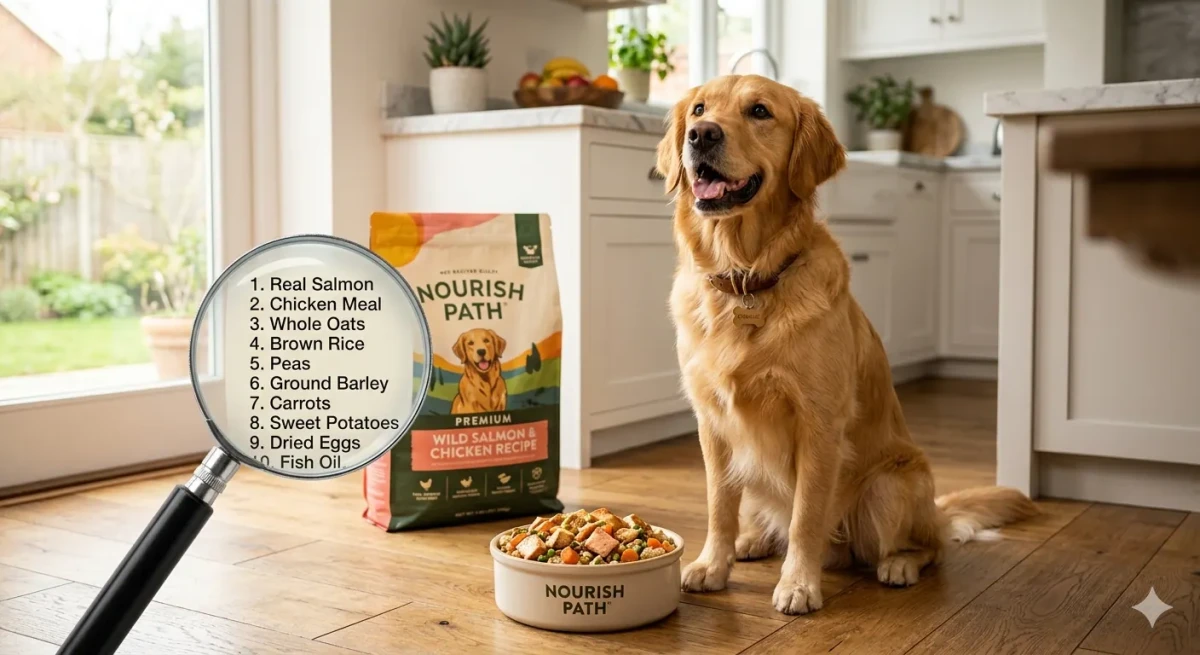
Introduction to Real Meat Dog Food and Label Reading
Choosing the right dog food is one of the most important decisions you'll make as a pet parent. The foundation of your dog's health, energy, and longevity starts with what's in their bowl. When it comes to premium nutrition, dog food with real meat as the primary ingredient stands above the rest. But how do you know if you're truly getting quality protein or just marketing hype?
Understanding how to read dog food ingredient labels empowers you to make informed choices that benefit your furry companion. This comprehensive guide will teach you everything about identifying genuine meat proteins, decoding confusing ingredient lists, and selecting the best nutrition for your dog's unique needs.
Whether you have a growing puppy requiring optimal nutrition for development, a senior dog needing joint support, or an active breed requiring high protein, knowing how to evaluate ingredient quality is essential. Let's dive deep into the world of dog food labels and discover what real meat nutrition truly means.
Why Real Meat Matters in Dog Food
Dogs are biologically designed as carnivores with a digestive system optimized for processing animal proteins. Real meat provides essential amino acids, vitamins, and minerals that plant-based proteins simply cannot match in bioavailability and completeness.
The Biological Need for Animal Protein
When dogs consume real meat, they receive:
- Complete amino acid profiles including all ten essential amino acids dogs cannot produce themselves
- Highly bioavailable nutrients that are easily absorbed and utilized
- Natural taurine and L-carnitine crucial for heart health and metabolism
- Essential fatty acids like omega-3 and omega-6 for coat and skin health
- B vitamins particularly B12, which is only found in animal products
- Heme iron that's more easily absorbed than plant-based iron
Dogs fed diets with high-quality animal protein typically show improved muscle tone, healthier coats, better energy levels, and stronger immune systems compared to those on plant-heavy diets.
Real Meat vs Meat By-Products
Not all protein sources are created equal. Here's what distinguishes quality ingredients:
| Ingredient Type | What It Is | Quality Rating |
|---|---|---|
| Named Fresh Meat (Chicken, Beef) | Whole muscle meat with moisture | Excellent |
| Named Meat Meal (Chicken Meal) | Concentrated protein, moisture removed | Very Good |
| Named Meat By-Product | Organs, bones (excluding muscle) | Fair |
| Generic "Meat Meal" | Unspecified animal sources | Poor |
| Generic "Animal By-Product" | Unspecified parts, low quality | Avoid |
For dogs with sensitive digestive systems, named protein sources are particularly important to avoid allergic reactions and ensure proper nutrient absorption.
Understanding Dog Food Ingredient Labels Step by Step

Reading dog food labels might seem overwhelming at first, but once you understand the system, it becomes second nature. The FDA and AAFCO (Association of American Feed Control Officials) regulate pet food labeling, but knowing how to interpret what you see is key.
The Ingredient List Order Matters
Ingredients are listed by weight, from highest to lowest, before processing. This is the most critical rule to remember:
- First ingredient = the heaviest component in the recipe
- First five ingredients = make up the majority of the food
- Last ingredients = present in smallest amounts (often vitamins and minerals)
However, there's a catch. Fresh meats contain about 70-80% water, while meat meals are concentrated protein with moisture removed. So while "chicken" might weigh more initially, "chicken meal" actually provides more protein per ounce once the food is processed and dried.
Red Flags in Ingredient Lists
Avoid dog foods containing these problematic ingredients:
- Generic meat sources like "meat," "meat by-products," or "animal digest" without naming the species
- Excessive fillers such as corn, wheat, and soy as primary ingredients
- Artificial colors (Red 40, Yellow 5, Blue 2) that serve no nutritional purpose
- Artificial preservatives like BHA, BHT, and ethoxyquin
- Added sugars or sweeteners including corn syrup, sucrose, and propylene glycol
- Vague terms like "poultry" or "fish" without specifying the type
For dogs with allergies or skin issues, these ingredients can trigger inflammatory responses and worsen symptoms.
Green Flags to Look For
Quality dog food labels will feature:
- Named animal protein as the first ingredient (chicken, beef, lamb, salmon)
- Whole foods like sweet potatoes, peas, carrots, and blueberries
- Healthy fats from named sources (chicken fat, salmon oil)
- Natural preservatives like mixed tocopherols (vitamin E), rosemary extract, or ascorbic acid (vitamin C)
- Probiotics and prebiotics for digestive health
- Glucosamine and chondroitin for joint support, especially in large breed formulas
Decoding Protein Sources What the Names Really Mean

Understanding the terminology on dog food labels helps you identify true quality. Let's break down what different protein designations actually mean.
Fresh Meat vs Meat Meal
Fresh Meat (Chicken, Beef, Lamb):
- Contains 70-80% moisture
- Must be refrigerated or frozen before processing
- Provides high-quality protein but loses significant weight during cooking
- Example: 10 lbs of fresh chicken yields about 3 lbs of dried protein
Meat Meal (Chicken Meal, Beef Meal):
- Moisture has been removed through rendering
- More concentrated protein source (about 60-65% protein)
- Shelf-stable and easier to store
- Often provides more actual protein than fresh meat in the final product
- Example: 3 lbs of chicken meal provides similar protein to 10 lbs fresh chicken
Both can be excellent choices. A formula listing "chicken meal" as the first ingredient often contains more actual protein than one listing "chicken" first. The key is that the source should be named (chicken, not poultry; beef, not meat).
Understanding Protein Percentages
The guaranteed analysis on dog food labels shows minimum protein percentages:
| Dog Life Stage | Minimum Protein | Optimal Protein Range |
|---|---|---|
| Adult Maintenance | 18% | 22-26% |
| Puppy Growth | 22.5% | 26-32% |
| Active/Working Dogs | 18% | 28-35% |
| Senior Dogs | 18% | 20-24% |
For growing puppies, higher protein supports rapid development, while senior dogs benefit from moderate protein that's easy to digest.
Top Quality Indicators in Premium Dog Food

Beyond just having real meat as the first ingredient, several factors indicate truly superior nutrition.
Whole Food Ingredients
Premium dog foods incorporate recognizable, whole-food ingredients that provide natural nutrition:
- Complex carbohydrates: Sweet potatoes, brown rice, oats, barley (avoid if grain-free is needed)
- Fruits and vegetables: Blueberries, spinach, carrots, pumpkin for antioxidants and fiber
- Healthy fats: Fish oil, flaxseed, chicken fat for omega fatty acids
- Functional ingredients: Turmeric, kelp, chicory root for added health benefits
Life Stage and Breed Specificity
The best dog foods are formulated for specific needs:
Puppy formulas contain higher protein and fat for growth, plus DHA for brain development.
Large breed formulas like those ideal for German Shepherds or Golden Retrievers include controlled calcium and phosphorus for proper bone development and glucosamine for joint health.
Small breed formulas provide smaller kibble size and higher calorie density for faster metabolisms.
Senior formulas feature easier-to-digest proteins and joint-supporting nutrients.
Manufacturing Standards
Look for these quality indicators:
- Made in USA, Canada, or Western Europe with strict quality controls
- AAFCO statement confirming nutritional adequacy
- Feeding trials conducted (not just laboratory analysis)
- Veterinary nutritionist formulated
- Transparent sourcing with named suppliers
Common Labeling Tricks and How to Spot Them

Pet food manufacturers use various marketing tactics that can mislead consumers. Here's how to see through them.
Ingredient Splitting
This deceptive practice breaks down a single ingredient into multiple components to make meat appear as the first ingredient when it's not.
Example of splitting:
- Chicken
- Brown rice
- Brewers rice
- Rice flour
In this case, if you combined all the rice products, they would outweigh the chicken. The manufacturer split "rice" into three forms to make chicken appear first.
How to spot it: Look for multiple forms of the same ingredient (corn, corn gluten meal, ground corn) appearing separately in the top ingredients.
The "With" Rule
AAFCO regulations allow specific language that indicates ingredient percentages:
- "Chicken Dog Food" = at least 95% chicken (not counting water)
- "Dog Food with Chicken" = only 3% chicken required
- "Chicken Dinner" or "Chicken Platter" = at least 25% chicken
- "Chicken Flavor" = just enough to be detected, no minimum
Always choose foods where the protein source is in the main product name, not preceded by "with" or followed by "flavor."
Water Content Manipulation
Wet foods and fresh meats contain high water content, making them appear heavier on the ingredient list. Once processed and dried, the actual protein contribution may be much lower.
Smart strategy: Look for formulas that list both a fresh meat AND a meat meal in the top ingredients. This ensures quality protein regardless of moisture loss.
Best Real Meat Dog Food Categories by Need

Different dogs have different nutritional requirements. Here's how to choose the right real meat formula for your specific situation.
For Puppies: Growth and Development
Puppies need higher protein and fat to support rapid growth:
- Protein: 26-32% from named animal sources
- Fat: 15-20% for energy and brain development
- DHA: Essential for cognitive development
- Calcium/Phosphorus: Balanced ratio for bone growth
For puppies with sensitive stomachs, look for easily digestible proteins like chicken or lamb with added probiotics.
For Adult Dogs: Maintenance and Vitality
Adult maintenance formulas should provide:
- Protein: 22-26% for muscle maintenance
- Moderate fat: 12-16% to prevent obesity
- Fiber: 3-5% for digestive health
- Antioxidants: For immune support
Active dogs or working breeds may need higher calorie formulas with increased protein and fat.
For Senior Dogs: Joint Health and Digestibility
Senior dogs benefit from:
- Highly digestible protein: Easier on aging kidneys
- Glucosamine and chondroitin: For joint health
- Omega-3 fatty acids: For cognitive function and inflammation
- Reduced calories: To prevent weight gain in less active dogs
- Added fiber: For regular digestion
For Dogs with Allergies: Limited Ingredient Diets
Dogs with food sensitivities need limited ingredient formulas featuring:
- Single novel protein: Duck, venison, salmon, or rabbit
- Single carbohydrate source: Sweet potato or pea
- No artificial additives
- No common allergens like beef, chicken, dairy, wheat, or soy (unless these are tolerated)
Practical Guide to Comparing Dog Food Labels

Let's walk through a real-world comparison of two dog food labels to see these principles in action.
Example A: High-Quality Formula
Ingredients:
Deboned chicken, chicken meal, sweet potatoes, peas, chicken fat (preserved with mixed tocopherols), flaxseed, natural flavor, salmon oil, carrots, blueberries, glucosamine hydrochloride, chondroitin sulfate, dried chicory root, probiotics (dried Lactobacillus acidophilus fermentation product, dried Bifidobacterium animalis fermentation product)
Analysis:
- ✓ Named protein (chicken) as first ingredient
- ✓ Second protein source (chicken meal) for concentrated protein
- ✓ Whole food carbohydrates (sweet potatoes, peas)
- ✓ Named fat source with natural preservatives
- ✓ Omega-3 source (salmon oil, flaxseed)
- ✓ Functional ingredients for joint health
- ✓ Probiotics for digestion
- ✓ No artificial colors, flavors, or preservatives
Example B: Lower-Quality Formula
Ingredients:
Chicken, corn, wheat, meat by-products, soybean meal, beef fat (preserved with BHA and propyl gallate), artificial flavor, brewers rice, corn gluten meal, dried plain beet pulp, fish oil, salt, potassium chloride, choline chloride, vitamin E supplement, Red 40, Yellow 5
Analysis:
- ✗ While chicken is first, it's fresh (high water content)
- ✗ Corn and wheat as second and third ingredients (fillers)
- ✗ Generic "meat by-products" (low quality, unspecified)
- ✗ Artificial preservatives (BHA, propyl gallate)
- ✗ Artificial colors (Red 40, Yellow 5)
- ✗ Artificial flavor
- ✗ Multiple corn products (splitting)
The choice is clear: Example A provides superior nutrition with transparent, quality ingredients.
Feeding Guidelines and Transition Tips

Once you've selected a high-quality real meat dog food, proper feeding and transition are essential.
How Much to Feed
Feeding amounts vary based on weight, age, and activity level. Here's a general guideline:
| Dog Weight | Cups Per Day (Average Adult) | Calories (Approximate) |
|---|---|---|
| 5-10 lbs | 1/2 - 1 cup | 200-400 |
| 10-20 lbs | 1 - 1.5 cups | 400-700 |
| 20-40 lbs | 1.5 - 2.5 cups | 700-1100 |
| 40-60 lbs | 2.5 - 3.5 cups | 1100-1500 |
| 60-80 lbs | 3.5 - 4.5 cups | 1500-1900 |
| 80-100 lbs | 4.5 - 5.5 cups | 1900-2300 |
Important: Always check the specific feeding guide on your dog food bag, as calorie density varies between brands. Adjust based on your dog's body condition score and activity level.
Transitioning to New Food
Switch foods gradually over 7-10 days to avoid digestive upset:
- Days 1-3: 75% old food, 25% new food
- Days 4-6: 50% old food, 50% new food
- Days 7-9: 25% old food, 75% new food
- Day 10: 100% new food
If your dog experiences diarrhea or vomiting during transition, slow down the process and consult your veterinarian, especially if symptoms persist.
Special Considerations for Different Breeds and Sizes

Certain breeds have unique nutritional needs that should influence your food selection.
Large and Giant Breeds
Dogs like Pitbulls, German Shepherds, and Great Danes need:
- Controlled calcium and phosphorus to prevent rapid growth issues in puppies
- Glucosamine and chondroitin for joint support
- Moderate protein (not excessive) to avoid stressing developing joints
- Lower calorie density to prevent obesity that stresses joints
Small Breeds
Small dogs like Shih Tzus and Chihuahuas require:
- Higher calorie density for faster metabolisms
- Smaller kibble size for tiny mouths
- Higher protein percentage to maintain muscle mass
- Dental support ingredients to prevent tartar buildup
For picky small breed eaters, look for formulas with enhanced palatability from real meat flavors.
Breed-Specific Health Concerns
Certain breeds benefit from targeted nutrition:
- Golden Retrievers: Need omega-3s for coat health and joint support (see our guide)
- French Bulldogs: Often need easily digestible formulas to reduce gas
- Huskies: Require high-energy formulas with quality fats for coat health
- Beagles: Prone to obesity, need weight management formulas
Wet vs Dry Food Which Has Better Real Meat Content

The debate between wet and dry food often comes down to real meat content and your dog's needs.
Dry Food (Kibble)
Advantages:
- More convenient and cost-effective
- Better for dental health (mechanical cleaning)
- Longer shelf life
- Easier to measure and store
- Often contains meat meal for concentrated protein
Considerations:
- Lower moisture content (about 10%)
- May contain more carbohydrates for binding
- Processing can reduce some nutrient bioavailability
Wet Food (Canned)
Advantages:
- Higher moisture content (75-85%) beneficial for hydration
- Often contains more fresh meat as first ingredient
- More palatable for picky eaters
- Lower carbohydrate content typically
- Easier to chew for senior dogs or those with dental issues
Considerations:
- More expensive per calorie
- Shorter shelf life once opened
- Doesn't provide dental cleaning benefit
- Heavier and bulkier to store
The Verdict
Both can provide excellent nutrition with real meat. For detailed comparison, consider your dog's specific needs, budget, and lifestyle. Many owners successfully feed a combination of both.
Budget-Friendly Options Without Compromising Quality

Quality real meat dog food doesn't have to break the bank. Here's how to find affordable options:
What to Prioritize
If budget is tight, focus on these non-negotiables:
- Named protein as first ingredient (most important)
- No artificial colors or flavors
- AAFCO nutritional adequacy statement
- Avoid generic meat by-products
You can compromise on:
- Fancy superfood additions (blueberries, kale)
- Grain-free status (unless medically necessary)
- Exotic protein sources
- Premium packaging
Affordable Quality Brands
Several brands offer good value with real meat:
- Purina Pro Plan: Veterinary-recommended with real protein
- Hill's Science Diet: Research-backed formulas
- Blue Buffalo: Natural ingredients at mid-range prices
- Rachael Ray Nutrish: Real meat at budget prices
Buying in bulk, subscribing to auto-ship programs, and watching for sales can reduce costs by 15-30%.
Conclusion Making the Best Choice for Your Dog

Choosing dog food with real meat as the primary ingredient is one of the best investments you can make in your dog's health and longevity. By understanding how to read ingredient labels, you empower yourself to see through marketing hype and select truly nutritious food.
Remember these key takeaways:
- Named animal protein should always be the first ingredient
- Avoid vague terms like "meat by-products" or "animal digest"
- Watch for ingredient splitting and water content manipulation
- Choose whole food ingredients over excessive fillers
- Match the formula to your dog's life stage, size, and health needs
- Transition gradually when switching foods
Your dog deserves the best nutrition you can provide. Take the time to read labels, ask questions, and choose foods that prioritize real, quality ingredients. When in doubt, consult with your veterinarian, especially for dogs with special health conditions or dietary restrictions.
By becoming an educated consumer, you're not just feeding your dog—you're nourishing them for a longer, healthier, happier life by your side.

0 Comments